
Estimated reading time: 13 minutes
Table of contents
- Introduction
- What Are Cannabis Consumption Lounges?
- Where Consumption Lounges Are Legal in 2026
- Next Steps: Contact Catalyst BC to Start Work On Your Cannabis Consumption Lounge Market Entry Strategy
- Success Stories: See How Catalyst BC Has Helped Cannabis Businesses Enter and Lead the Market
- Prospective Cannabis Consumption Lounge Operators Also Ask:
- Additional Resources
- Free eBooks For Cannabis Business Success
- Latest Articles
Cliff Notes: Cannabis Consumption Lounges: States Permitting On‑Site Use in 2026
Regulated social spaces for on-site cannabis use. The “2026 Model” has evolved from basic consumption rooms into full-service hospitality venues (Cannabis Cafes) that often feature non-infused food, beverages, and live entertainment.
As of 2026, 15 states plus the US Virgin Islands have authorized social consumption frameworks at various stages of implementation.
Key States & Frameworks:
- The “Cannabis Cafe” Leaders (CA, NV, NJ): California (via AB 1775) and Nevada are the current gold standards, permitting integrated food, drink, and entertainment. New Jersey’s market is now fully operational with dedicated dispensary-attached lounges.
- The New Major Markets (MA, NY, MN): Massachusetts moved to a full statewide licensing scheme in early 2026. New York and Minnesota are rapidly scaling via microbusiness and retail-endorsement models.
- The Hospitality & BYO Veterans (AK, CO, MI, NM): States with mature, stable frameworks focusing on “tasting room” styles or mobile/hospitality transport.
- Limited or Local-Option Models (DC, IL, MD, MO): Primarily driven by local municipal opt-ins, medical-only “safe use” areas, or strictly BYO (Bring Your Own) protocols.
Operational Needs: Zoning, ventilation, security, age‑checks, and separation of sale/consumption areas.
Connect with Catalyst BC’s cannabis consultants to guide site selection, licensing, build‑out design, and compliance to speed launch and minimize risk. Explore our services or contact us today for a Complimentary Consultation.
Editors Notes: Originally published May 5, 2025, last fully updated April 16, 2026.
Introduction
Across much of the U.S., legally consuming cannabis remains largely restricted to private residences – and even then, landlords or HOAs frequently ban it. While retail sales are now legal in the majority of the country, a growing number of jurisdictions are finally moving beyond the “buy-it-and-go” model, authorizing public venues where adults can consume their purchases on-site in a social, regulated setting.
What Are Cannabis Consumption Lounges?
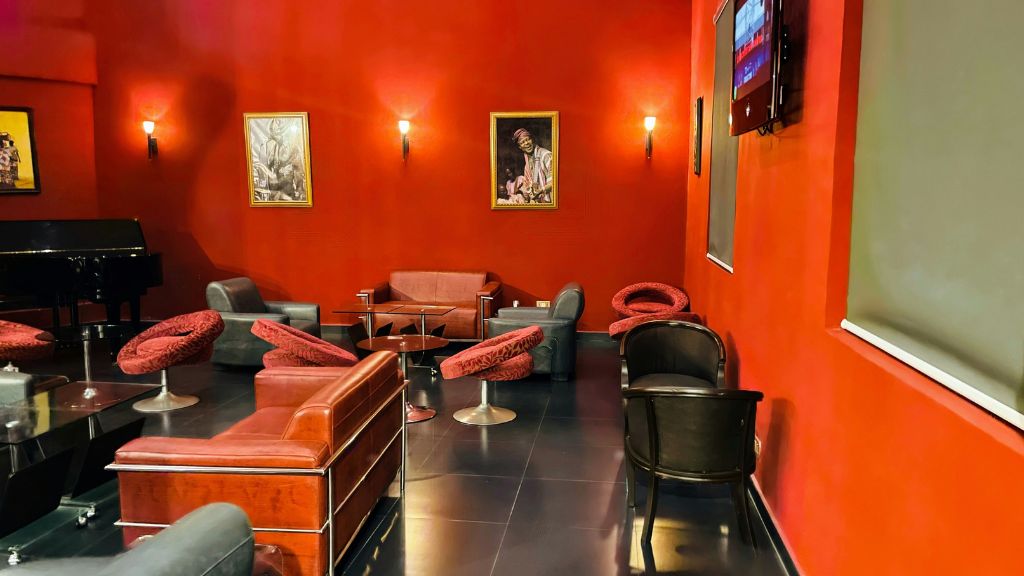
Consumption lounges are social spaces where patrons can legally use cannabis products—flower, pre-rolls, edibles, and beverages—within a designated area. As of 2026, the “lounge” concept has evolved into two primary models:
- Retail-Adjacent Lounges: Licensed dispensaries with a separate area for on-site use.
- Cannabis Cafes & Hospitality Venues: Following California’s 2025 legislative shift, many venues now operate like traditional cafes, offering non-infused food and beverages alongside cannabis, and hosting live entertainment.
While Alaska and West Hollywood paved the way between 2018 and 2019, the landscape in 2026 is defined by “Hospitality 2.0,” where states like Nevada, New Jersey, and Massachusetts have fully integrated social consumption into their tourism and hospitality sectors.
Where Consumption Lounges Are Legal in 2026
Currently, cannabis consumption lounges are making waves across the United States and the US Virgin Islands, that have legalized social cannabis consumption on some level, – Alaska, California, Colorado, DC, Illinois, Maryland, Massachusetts, Michigan, Minnesota, Missouri, Nevada, New Jersey, New Mexico, New York and US VIrgin Islands.
US Virgin Islands
The USVI has authorized three permit types for consumption: Permanent Lounge, On-Site Use, and Temporary Use. As of 2026, the territory is actively integrating these spaces into its tourism-heavy economy, allowing for unique “destination” consumption experiences.
- Learn more about opening a US Virgin Islands cannabis lounge.
- Learn about all of our cannabis consulting services tailored for USVI.
Alaska
As the first state to implement statewide rules, Alaska’s market is mature. Dispensaries can apply for a consumption endorsement, and as of 2026, numerous “tasting-room” style venues are active across the state.
- Learn more about opening an Alaska cannabis lounge.
- Learn about all of our cannabis consulting services tailored for Alaska.
California
The “Cannabis Cafe” era officially arrived on January 1, 2025, with the implementation of Assembly Bill 1775. This landmark law allows licensed cannabis retailers and microbusinesses to prepare and serve non-alcoholic food and drinks on-site and host ticketed live events. In 2026, California has seen a surge in “Amsterdam-style” cafes, particularly in West Hollywood, San Francisco, and Palm Springs, moving away from the restrictive “no-food” models of the past.
- Learn more about opening a California cannabis lounge.
- Learn about all of our cannabis consulting services tailored to California.
Colorado
Colorado continues to lead in mobile hospitality. Denver’s local framework for mobile lounges (buses and limousines) and stationary hospitality venues is well-established. By 2026, several “bring-your-own” (BYOC) hospitality venues are operating, though they remain prohibited from selling alcohol.
- Learn more about opening a Colorado cannabis lounge.
- Learn about all of our cannabis consulting services tailored to Colorado.
District of Columbia
D.C. allows for “Medical Cannabis Safe Use Treatment Facility” endorsements. In 2026, these facilities provide a legal, safe space for registered patients to consume medical cannabis products purchased from the associated retailer.
Illinois
The state continues to operate under a local-option BYOC (Bring Your Own Cannabis) model. Significant progress was made in 2025 as Cook County (specifically Wheeling) and Lake County authorized some of the state’s first fully licensed recreational consumption spaces.
- Learn more about opening an Illinois cannabis lounge.
- Learn about all of our cannabis consulting services tailored to Illinois.
Maryland
Maryland law authorizes up to 50 on-site consumption licenses statewide (§36-401(d)(4)), but the Maryland Cannabis Administration has awarded none and expects to award them in its next licensing round, which has no date. Lounges will sell single-serving products for on-site use; bring-your-own cannabis, alcohol and indoor smoking are prohibited. Each lounge needs a county or municipal permit that expressly allows it. If the next round is a lottery under §36-404(g), on-site consumption applications are limited to social equity applicants.
- Read our guide to Maryland cannabis lounge laws and how to prepare.
- Talk to our Maryland cannabis consultants about your lounge plans.
Massachusetts
As of January 2, 2026, Massachusetts has officially moved beyond its pilot program. The state now offers three distinct license types: Supplemental On-Site Consumption (for existing dispensaries), Hospitality On-Site Consumption (stand-alone venues), and Marijuana Event Organizer (temporary events). Licensing began in early 2026, with the first wave of “Cannabis Cafes” expected to open by mid-year.
- Learn more about opening a Massachusetts cannabis lounge.
- Learn about all of our cannabis consulting services tailored to Massachusetts.
Michigan
Michigan permits “Designated Consumption Establishments.” While these venues cannot sell cannabis directly (BYO only), they provide a critical social space for consumers. By 2026, the number of operating establishments has grown, particularly in high-tourism areas like Ann Arbor and Detroit.
- Learn more about opening a Michigan cannabis lounge.
- Learn about all of our cannabis consulting services tailored to Michigan.
Minnesota
Under the state’s 2023 legalization framework, Microbusiness and Mezzobusiness licensees can designate on-site consumption areas. As of 2026, this has primarily focused on hemp-derived and adult-use edibles and beverages, though outdoor smoking areas are being permitted under specific municipal zoning rules in cities like Minneapolis.
- Learn more about opening a Minnesota cannabis lounge.
- Learn about all of our cannabis consulting services tailored to Minnesota.
Missouri
Rules from the DHSS allow for private, enclosed rooms for medical consumption. While recreational “lounges” with on-site sales are not yet a statewide standard, many hospitality operators are utilizing private event permits to host social consumption gatherings.
- Learn more about opening a Missouri cannabis lounge.
- Learn about all of our cannabis consulting services tailored to Missouri.
Nevada
Nevada is now a premier destination for cannabis tourism. Following the 2021 passage of AB 341, the Cannabis Compliance Board (CCB) has issued dozens of licenses. The state’s first independent lounge, Smoke and Mirrors, opened in Las Vegas in early 2024, followed by a wave of dispensary-attached and “boutique” independent lounges throughout 2025 and 2026.
- Learn more about opening a Nevada cannabis lounge.
- Learn about all of our cannabis consulting services tailored to Nevada.
New Jersey
New Jersey’s consumption lounge market went “live” in July 2025. By 2026, several lounges are operational in Atlantic City, Newark, and Jersey City. State rules require lounges to be attached to a Class 5 Retailer. While food sales remain prohibited within the licensed lounge space, many operators have utilized “delivery-friendly” models allowing patrons to order from nearby restaurants.
- Learn more about opening a New Jersey cannabis lounge.
- Learn about all of our cannabis consulting services tailored to New Jersey.
New Mexico
New Mexico remains one of the most lounge-friendly states, with over 20 authorized consumption areas as of 2026. The state’s “Cannabis Regulation Act” allows for flexible indoor and outdoor consumption spaces, provided they meet strict ventilation and public-visibility standards.
- Learn more about opening a New Mexico cannabis lounge.
- Learn about all of our cannabis consulting services tailored to New Mexico.
New York
New York’s social consumption market is expanding alongside its retail rollout. Lounges are permitted in municipalities that did not “opt out” under the MRTA. By April 2026, the Office of Cannabis Management (OCM) has processed hundreds of microbusiness and retail licenses that include consumption endorsements, focusing heavily on social equity applicants in urban centers.
- Learn more about opening a New York cannabis lounge.
- Learn about all of our cannabis consulting services tailored to New York.
Next Steps: Contact Catalyst BC to Start Work On Your Cannabis Consumption Lounge Market Entry Strategy
As of April 2026, cannabis lounges are no longer a novelty – they are a cornerstone of the modern cannabis industry. From the high-energy “Cannabis Cafes” of California to the sophisticated hospitality lounges of Las Vegas, these spaces offer the social connection and safety that consumers demand.
Ready to launch your consumption lounge in 2026? Navigating the complex web of local zoning, ventilation requirements, and state licensing is a challenge – but you don’t have to do it alone. Partner with Catalyst BC for expert guidance. Contact us today for a Complimentary Consultation.
Success Stories: See How Catalyst BC Has Helped Cannabis Businesses Enter and Lead the Market
From initial startup and facility build-outs to high-value exit strategies, our cannabis consultants provide the expertise needed to navigate the complexities of the legal cannabis industry.
Prospective Cannabis Consumption Lounge Operators Also Ask:
Opening a consumption lounge typically involves securing both a retail dispensary license and a special on-site consumption endorsement (or its state equivalent). You’ll need to submit detailed applications covering ownership, security plans, community impact, and local zoning approvals. Our Cannabis Consulting team guides you through every regulatory hurdle—from preparing your application packet to liaising with state and local agencies—so you can launch smoothly and legally.
Choosing a location means balancing foot traffic, local zoning restrictions, and community acceptance. You’ll need to evaluate competing land uses (schools, parks), parking availability, and neighborhood sentiment. Our experienced Cannabis Consultants can conduct site feasibility studies, demographic analyses, and municipal outreach to identify optimal properties that align with your business goals.
Your cannabis lounge must separate consumption areas from retail/point-of-sale, ensure proper ventilation, and comply with ADA and fire-code requirements. Design elements like seating layouts, lighting, and ambiance also impact customer experience. Our Cannabis Consulting resources include leveraging architects and engineers to help develop compliant floor plans, ventilation specifications, and build-out budgets—streamlining your design-to-construction process.
Once open, you must maintain strict inventory tracking, perform routine audits, train staff on consumption rules, and stay current on evolving regulations. Non-compliance can lead to fines or license revocation. Catalyst BC’s Cannabis Consultants deliver customized compliance programs—including SOP development, staff training, and audit support—to keep your lounge operating within the law.
Expect requirements for 24/7 video surveillance, alarm systems, secure inventory storage, and controlled customer access points. Some jurisdictions also mandate on-site security personnel. We provide security risk assessments and vendor recommendations, helping you implement camera layouts, alarm integrations, and guard staffing plans that satisfy regulators.
Common policies include general liability, product liability, property insurance, and professional liability. You may also need specialized cannabis event coverage if you host ticketed experiences.
Decide whether you’ll be strictly BYOC (bring your own cannabis) or offer on-site products (edibles, pre-rolls). Factor in product sourcing, lab-testing requirements, and consumption method regulations (vape vs. flower). Our Cannabis Consultants will work with your procurement and compliance teams to establish vendor agreements, verify product safety standards, and create an appealing menu that meets all legal guidelines.
You’ll need budtenders, compliance officers, security staff, and hospitality personnel. Comprehensive training on cannabis laws, responsible consumption, and customer service is critical. Our cannabis consultants can assist with designing customized training programs—covering regulatory updates, ID verification, and over-consumption protocols—so your team delivers a safe and exceptional guest experience.
Marketing must comply with advertising restrictions (no targeting minors, avoiding certain media). Successful strategies include influencer partnerships, local community events, and non-cannabis food & beverage promotions (where allowed). Tap into our Cannabis Consulting team to develop compliant brand guidelines, digital campaigns, and community engagement plans that drive awareness and foot traffic without running afoul of advertising rules.
Additional Resources
Free eBooks For Cannabis Business Success




Latest Articles
- How Much Does It Cost to Open a Cannabis Dispensary in 2026
 The allure of jumping into the legalized cannabis industry often paints a picture of quick riches and burgeoning demand, yet the reality of establishing a licensed cannabis dispensary is far more nuanced, capital-intensive, and fraught with unique financial challenges. For aspiring entrepreneurs and seasoned investors alike, understanding the true dispensary startup costs is the absolute bedrock of success.
 - Virginia Cannabis Facility Design & Build-Out for the 2027 Market
 This guide covers the major considerations involved in planning and building a Virginia cannabis facility, with a focus on retail and cultivation operations and additional considerations relevant to processors and microbusinesses. It is written from the build side of the business, because that is where many otherwise-strong applicants stumble: they underestimate utility needs, local approvals, security infrastructure, commissioning, and the time required to convert a site into an inspection-ready operation.
 - Virginia Dual-Use Cannabis Conversion (2027): The $10M Medical-to-Adult-Use Pathway
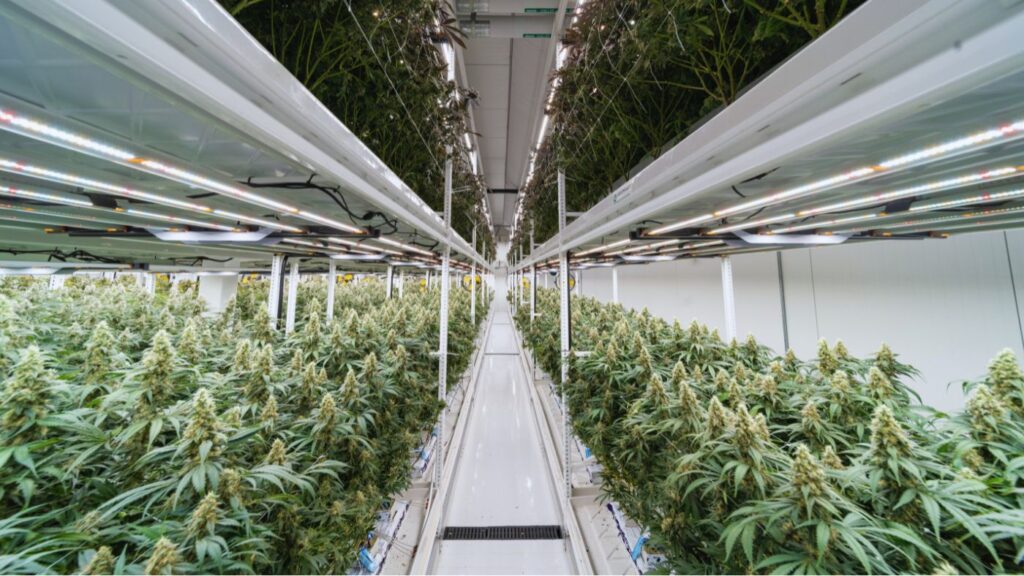 For Virginia’s existing medical cannabis operators, the 2026 retail framework created a distinct and high-stakes transition: pharmaceutical processors may apply for verification to exercise dual-use privileges and serve both registered medical patients and adult-use customers. The pathway covers the processor and its permitted cannabis dispensing facilities, and it carries a one-time $10 million fee, a required medical cannabis program preservation plan, an impact-licensee business accelerator commitment, and a firm May 1, 2027 payment or installment-plan deadline.
 - Virginia Impact Cannabis License (2027): Social Equity & the Equity Business Loan Fund
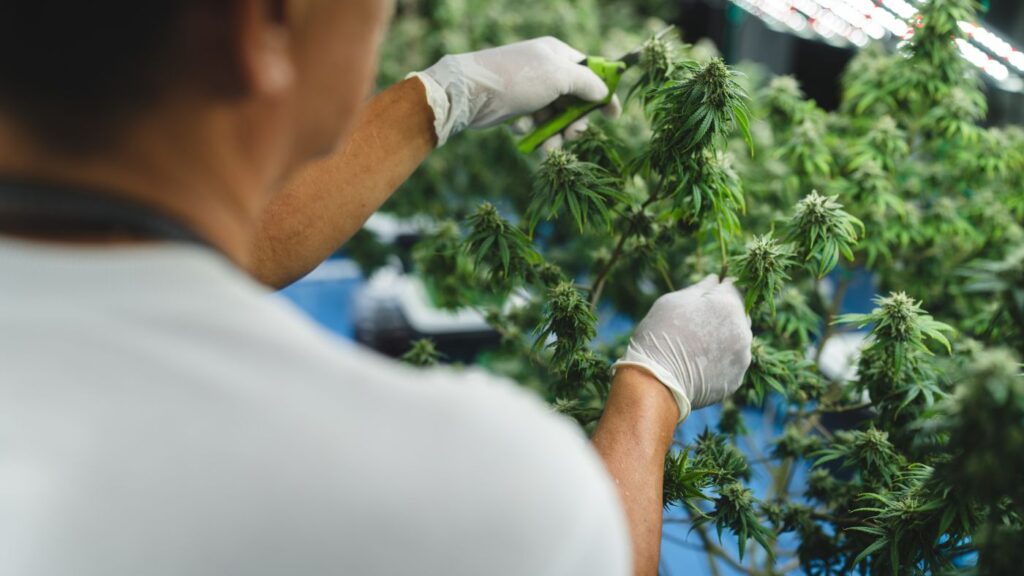 Virginia’s adult-use cannabis framework creates a meaningful pathway for applicants from communities and backgrounds affected by cannabis prohibition and enforcement. The law does not create a separate, stand-alone impact license. Instead, it creates an impact-licensee designation that qualifying applicants may pursue alongside an underlying marijuana establishment license, such as retail, cultivation, processing, microbusiness, transportation, delivery, or testing.
 - Virginia Cannabis Microbusiness License (2027): Eligibility & the Two-Location Model
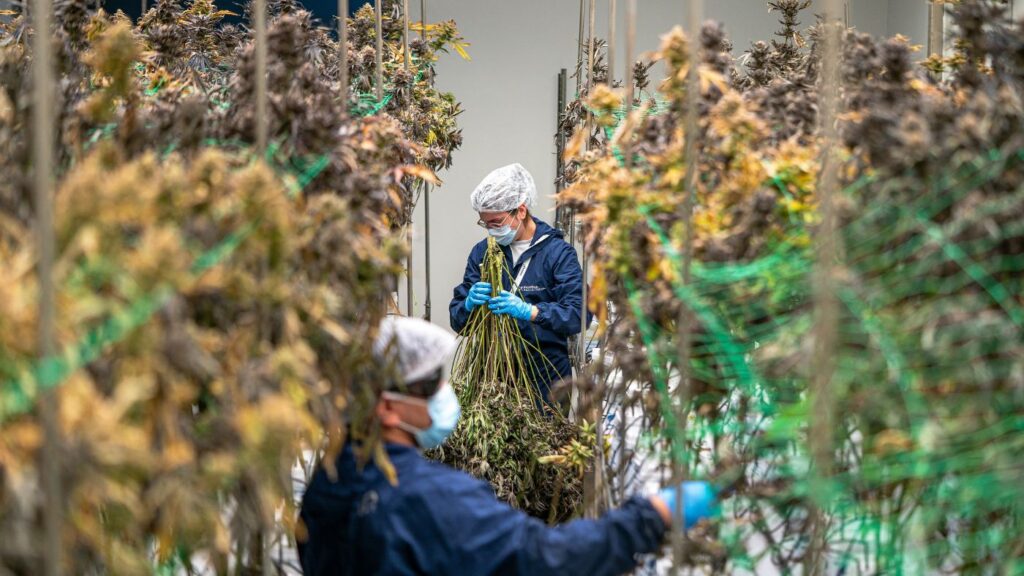 This guide explains the initial eligibility pathways for the licenses the CCA may issue by May 1, 2027, the difference between a microbusiness license and an impact designation, the indoor and outdoor cultivation limits, the precise rules governing two locations, and the financial, security, and operational readiness standards applicants should prepare to demonstrate. Several implementation details – including fees and the specific combination of privileges the CCA will authorize – still depend on forthcoming regulations.
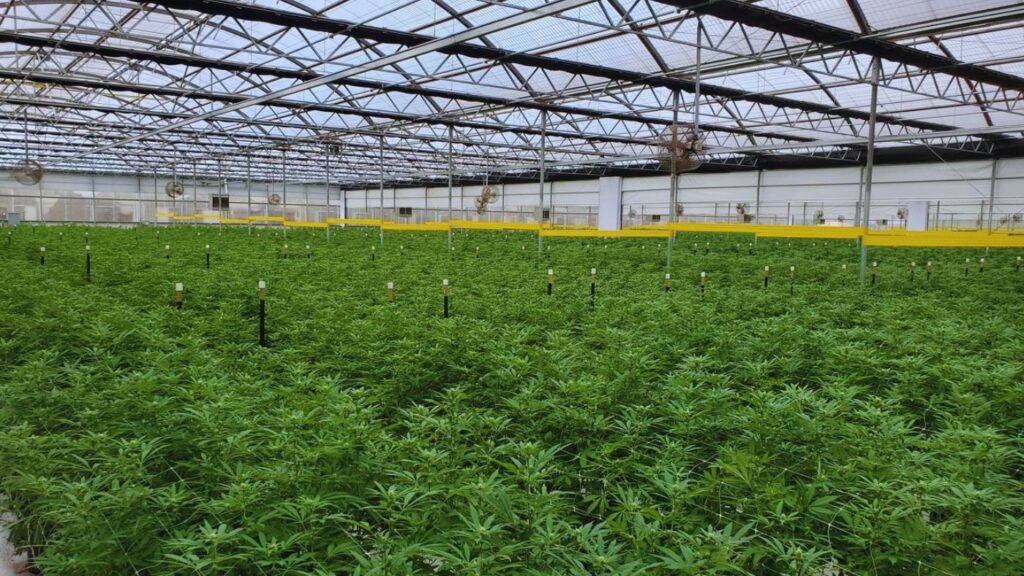
 - Virginia Cannabis Cultivation License (2027): The Tiered System Explained
 For operators whose strength is growing cannabis, Virginia’s emerging adult-use market presents a significant opportunity – and a cultivation license is the gateway to it. The June 2026 framework authorizes the Virginia Cannabis Control Authority (CCA) to begin accepting license applications on or after February 1, 2027 and issuing licenses on or after May 1, 2027. It also establishes five cultivation tiers with maximum canopies ranging from 5,000 to 35,000 square feet.