

Estimated reading time: 11 minutes
Table of contents
- The 2026 Regulatory Framework: Two Tiers of Consumption
- Technical Infrastructure: Engineering for the “Clean Air” Standard
- Site Selection and the “Unreasonably Impracticable” Doctrine
- Operational Realities: Staffing and Health Compliance
- Financial Strategy: 280E Decoupling and Equity Grants
- Compliance Alerts: The June 2026 “Cliff”
- Next Steps: Contact Catalyst BC for Expert Guidance On Your NY Cannabis Lounge Application, License, and Market Entry Strategy
- Success Stories: See How Catalyst BC Has Helped Cannabis Businesses Enter and Lead the Market
- New York Cannabis Lounge Licensees and Applicants Also Ask:
- Additional Resources
- Free eBooks For Cannabis Business Success
- Latest Articles
Cliff Notes: New York Cannabis Lounge License Getting Started Guide
Objective: Navigate the technical and legal requirements to secure an on-site consumption permit in New York’s maturing $3 billion market.
Key Components:
- Dual Licensing Pathways: Entrepreneurs must choose between the Limited Retail Consumption Facility (LRCF) – an add-on for existing dispensaries ($3,000 fee) – and the Standalone On-Site Consumption License. Note that as of April 2026, the OCM is prioritizing LRCF permits while finalizing standalone regulations.
- Strict Property Standards: Applicants must maintain “site control” (deed or 2+ year lease) and adhere to corrected straight-line proximity rules: 500 feet from schools and 200 feet from houses of worship.
- Municipal Leverage: While 30-270 day municipal notification is mandatory, the Cannabis Control Board (CCB) now proactively overrides local laws deemed “unreasonably impracticable” if they effectively block licensed operations.
- Engineering for Compliance: Smoking lounges require “Pharma-Grade” HVAC systems entirely separate from other building systems, featuring negative pressure zoning and MERV 13–16 filtration.
- Operational Prohibitions: Lounges cannot have a Point of Sale (POS) within the consumption area, and the service of alcohol or on-site preparation of infused foods (“edible kitchens”) remains strictly prohibited.
- The 280E Tax Lever: New York has decoupled from federal IRC Section 280E at the state level, allowing lounge operators to deduct rent, payroll, and marketing expenses from their state tax returns.
- Critical Compliance Deadlines: All operators must meet the new Packaging, Labeling, Marketing, and Advertising (PLMA) standards by June 3, 2026, or face immediate inventory seizure.
Ready to open a compliant and community-approved cannabis lounge in New York? Work with Catalyst BC to confidently navigate the licensing, buildout, and post-license compliance process. Our New York cannabis consultants bring industry-specific insights and hands-on regulatory support to help you succeed in the Empire State’s evolving cannabis market. Contact us today for a tailored consultation to secure your lounge’s future.

Editors Notes: Originally published May 2025 last fully updated April 2026.
The New York cannabis industry has transitioned from a volatile implementation phase into a “Pharma-Grade” era of structural maturity. As of April 2026, the state has reached a monumental economic milestone, with total reported retail sales officially surpassing $3,000,000,000. For entrepreneurs, the current frontier is the “social hospitality” sector, which is defined by high-stakes technical compliance and rigorous municipal negotiation.
The 2026 Regulatory Framework: Two Tiers of Consumption
New York’s licensing architecture strictly separates the supply chain from the retail tier to prevent monopolies. Within the retail tier, two primary models for on-site consumption exist as of April 2026.
1. Limited Retail Consumption Facility (LRCF)
The LRCF is a specialized permit available to retail dispensaries and microbusinesses.
- Operational Definition: A distinct, physical area located within the same building as the dispensary or on an adjacent parcel.
- Technical Constraints: Regulations prohibit any Point of Sale (POS) within the actual consumption facility. Customers must purchase products at the retail counter and then enter the lounge.
- Fee Structure: Operators must pay an additional $3,000 permit fee on top of the standard $1,000 application and $7,000 retail licensing fees.
2. Standalone On-Site Consumption License
The standalone license is designed for businesses where consumption is the primary revenue driver (e.g., cannabis cafes).
- Availability Status: As of April 2026, the Office of Cannabis Management (OCM) is still finalizing the full regulatory rollout for standalone licenses, prioritizing the “supply-first” strategy to ensure market stability.
- Ownership Caps: No person or entity may hold a direct or indirect interest in more than three on-site consumption licenses.
Technical Infrastructure: Engineering for the “Clean Air” Standard
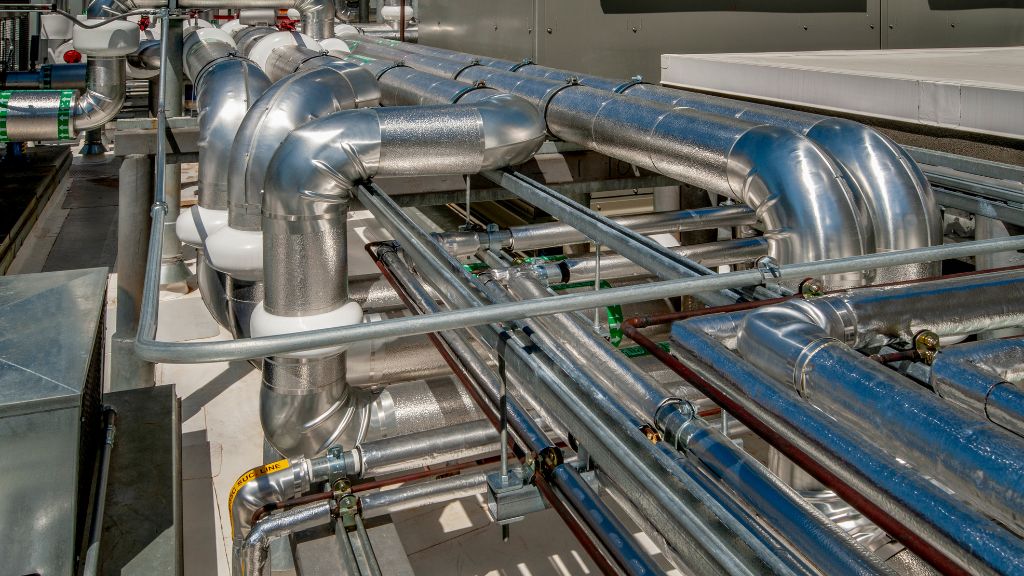
In 2026, a cannabis lounge’s most valuable asset is its HVAC system. Compliance with Title 9 NYCRR Part 122 requires “Pharma-Grade” air quality management to prevent neighborhood nuisance and ensure public health.
| Feature | 2026 Engineering Standard | Regulatory Rationale |
| Ventilation Isolation | Fully independent, non-recirculating HVAC | Prevents smoke/odor migration to adjacent public areas |
| Filtration Performance | Mandatory MERV 13 to MERV 16 | Captures PM2.5 and airborne pathogens |
| BVOC Scrubbing | Photocatalytic Oxidation (PCO) & Carbon Scrubbing | Breaks down terpenes (BVOCs) to prevent ozone formation |
| Air Pressure | Negative Pressure Zoning | Ensures the “Odor Envelope” is never breached |
Additionally, operators must manage Biogenic Volatile Organic Compounds (BVOCs). Terpenes are highly reactive and contribute to ground-level ozone; leading facilities now utilize AI sensors to monitor carbon saturation and filter performance in real-time.
Site Selection and the “Unreasonably Impracticable” Doctrine
Finding a compliant venue is the most significant hurdle. Lounges must be at least 500 feet from school grounds and 200 feet from houses of worship. As of 2026, 876 New York municipalities have opted out of allowing consumption sites.
However, for municipalities that have not opted out, the Cannabis Control Board (CCB) has taken a proactive stance against restrictive local zoning.
- Legal Precedent: In late 2025, the CCB ruled that restrictive local ordinances in Southampton and Riverhead were “unreasonably impracticable” because they effectively blocked state-licensed businesses.
- Municipal Notification: Applicants must notify their local community board (in NYC) or local government 30 to 270 days before filing their state application.
Operational Realities: Staffing and Health Compliance
Operating a lounge in April 2026 involves strict labor and safety protocols:
- Employee Rights: No employee can be required to enter a consumption area to perform their duties unless they explicitly agree in writing at the time of hiring.
- Prohibitions: Alcohol consumption is strictly forbidden. No facility may hold both a liquor license and a cannabis consumption permit.
- Service Limitations: Lounges may not charge an entry fee or “cover” for standard operations, though fees may be charged for approved “Showcase Events”.
- Food Service: While on-site preparation of infused foods (“edible kitchens”) is not yet authorized, lounges may sell pre-packaged, state-sealed food and beverages.
Financial Strategy: 280E Decoupling and Equity Grants
Profitability in 2026 hinges on sophisticated tax planning. New York has officially decoupled from Internal Revenue Code (IRC) Section 280E. While federal law prevents the deduction of business expenses, New York allows state-licensed businesses to deduct rent, payroll, and marketing from their state returns – a massive lever for high-overhead lounges.
For Social and Economic Equity (SEE) applicants, who now represent 56% of all issued licenses , new support systems are available:
- Equity Business Development Grant (EBDG): A $6 million program providing awards of up to $30,000 for licensees to cover rent, security, and compliance upgrades.
- CUNY Law Pro Bono: Launched in Q2 2026, this initiative provides no-cost legal assistance and application support for equity-owned businesses.
Compliance Alerts: The June 2026 “Cliff”
All operators must be aware of the Packaging, Labeling, Marketing, and Advertising (PLMA) compliance deadline on June 3, 2026. After this date, all inventory must meet strict tamper-evident and child-resistant standards, and all billboard or vehicle-based advertising must cease. Furthermore, OCM investigators have intensified enforcement, seizing over $2,000,000 in illicit products in March 2026 alone.
Related reading: New York Marijuana Regulation & Taxation Act.
Next Steps: Contact Catalyst BC for Expert Guidance On Your NY Cannabis Lounge Application, License, and Market Entry Strategy
The New York cannabis lounge market in 2026 is no place for amateurs. With $3 billion in sales and a “pharma-grade” regulatory environment, the margin for error has vanished. Our New York Cannabis Consultants offers the specialized consulting required to navigate this landscape. From modeling 280E tax deductions and designing MERV-16 compliant ventilation to presenting before community boards and securing EBDG grant funding, we provide the end-to-end support your business needs to thrive.
Don’t leave your license to chance. Contact us today for a tailored consultation and secure your place in New York’s social hospitality future.
Success Stories: See How Catalyst BC Has Helped Cannabis Businesses Enter and Lead the Market
From initial startup and facility build-outs to high-value exit strategies, our cannabis consultants provide the expertise needed to navigate the complexities of the legal cannabis industry.


New York Cannabis Lounge Licensees and Applicants Also Ask:
The OCM is currently processing Limited Retail Consumption Facility (LRCF) permits for retail owners while developing the final regulations for standalone sites, prioritizing a “supply-first” market stability strategy.
Not currently. New York regulations do not yet authorize “edible kitchens” for on-site food prep. However, you may sell and allow the consumption of pre-packaged, state-sealed cannabis edibles.
You must have a dedicated, independent ventilation system with negative pressure and MERV 13–16 filtration. Advanced systems now also require BVOC scrubbing using Photocatalytic Oxidation (PCO).
Standard LRCF operations cannot charge an entry or cover fee. However, fees may be permitted for specifically authorized “Cannabis Showcase Events”.
New York allows you to deduct standard operating expenses (rent, payroll, utilities) from your state taxes, even though they remain non-deductible at the federal level due to cannabis’s status under IRC 280E.
The mandatory compliance deadline is June 3, 2026. All products and marketing materials must meet the new state standards by this date or face seizure and fines.
No. In an LRCF model, the POS must remain in the retail portion of the building. No transactions are allowed within the actual consumption facility.
Yes. The Equity Business Development Grant (EBDG) provides up to $30,000 for eligible licensees to assist with startup costs like rent and security.
This is a legal protection that prevents municipalities from using excessive zoning or local laws to effectively block state-licensed cannabis businesses from operating.
A person or entity (True Party of Interest) is limited to holding an interest in a maximum of three on-site consumption licenses.
Additional Resources
Free eBooks For Cannabis Business Success




Latest Articles
- How Much Does It Cost to Open a Dispensary in 2026?
 The allure of jumping into the legalized cannabis industry often paints a picture of quick riches and burgeoning demand, yet the reality of establishing a licensed cannabis dispensary is far more nuanced, capital-intensive, and fraught with unique financial challenges. For aspiring entrepreneurs and seasoned investors alike, understanding the true dispensary startup costs is the absolute bedrock of success.
 - Virginia Cannabis Facility Design & Build-Out for the 2027 Market
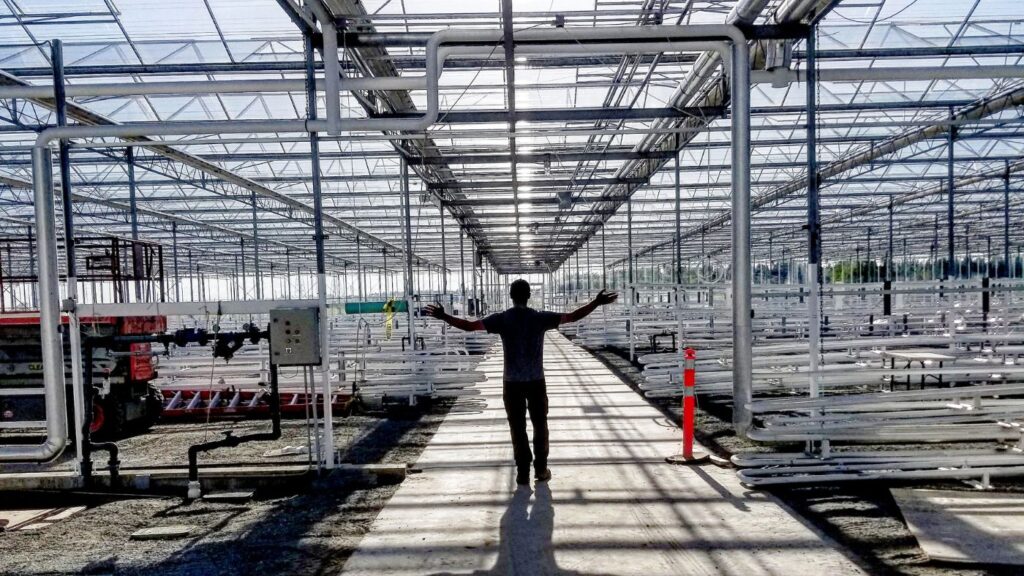 This guide covers the major considerations involved in planning and building a Virginia cannabis facility, with a focus on retail and cultivation operations and additional considerations relevant to processors and microbusinesses. It is written from the build side of the business, because that is where many otherwise-strong applicants stumble: they underestimate utility needs, local approvals, security infrastructure, commissioning, and the time required to convert a site into an inspection-ready operation.
 - Virginia Dual-Use Cannabis Conversion (2027): The $10M Medical-to-Adult-Use Pathway
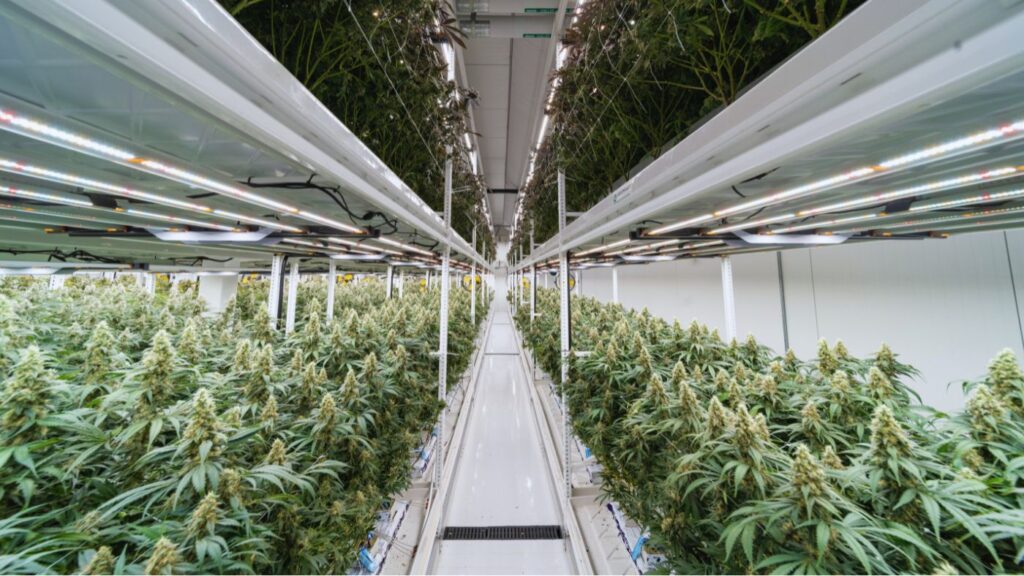 For Virginia’s existing medical cannabis operators, the 2026 retail framework created a distinct and high-stakes transition: pharmaceutical processors may apply for verification to exercise dual-use privileges and serve both registered medical patients and adult-use customers. The pathway covers the processor and its permitted cannabis dispensing facilities, and it carries a one-time $10 million fee, a required medical cannabis program preservation plan, an impact-licensee business accelerator commitment, and a firm May 1, 2027 payment or installment-plan deadline.
 - Virginia Impact Cannabis License (2027): Social Equity & the Equity Business Loan Fund
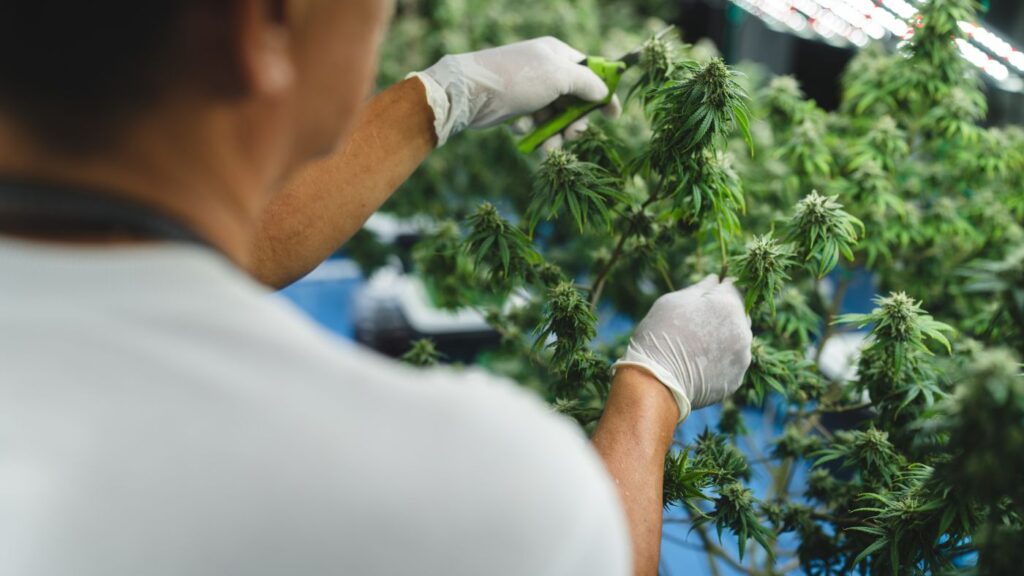 Virginia’s adult-use cannabis framework creates a meaningful pathway for applicants from communities and backgrounds affected by cannabis prohibition and enforcement. The law does not create a separate, stand-alone impact license. Instead, it creates an impact-licensee designation that qualifying applicants may pursue alongside an underlying marijuana establishment license, such as retail, cultivation, processing, microbusiness, transportation, delivery, or testing.
 - Virginia Cannabis Microbusiness License (2027): Eligibility & the Two-Location Model
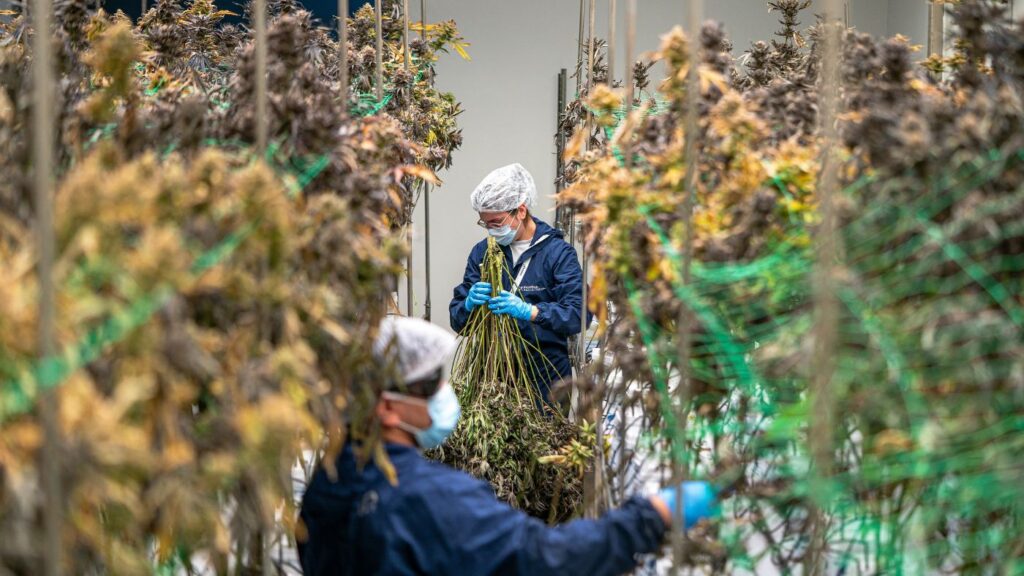 This guide explains the initial eligibility pathways for the licenses the CCA may issue by May 1, 2027, the difference between a microbusiness license and an impact designation, the indoor and outdoor cultivation limits, the precise rules governing two locations, and the financial, security, and operational readiness standards applicants should prepare to demonstrate. Several implementation details – including fees and the specific combination of privileges the CCA will authorize – still depend on forthcoming regulations.
 - Virginia Cannabis Cultivation License (2027): The Tiered System Explained
 For operators whose strength is growing cannabis, Virginia’s emerging adult-use market presents a significant opportunity – and a cultivation license is the gateway to it. The June 2026 framework authorizes the Virginia Cannabis Control Authority (CCA) to begin accepting license applications on or after February 1, 2027 and issuing licenses on or after May 1, 2027. It also establishes five cultivation tiers with maximum canopies ranging from 5,000 to 35,000 square feet.