
Cannabis Operational Procedures

Standard Operating Procedures (SOPs) are essential for compliant, efficient cannabis operations. Catalyst BC develops tailored SOPs to support cultivation, manufacturing, retail, and safety standards across regulated markets.

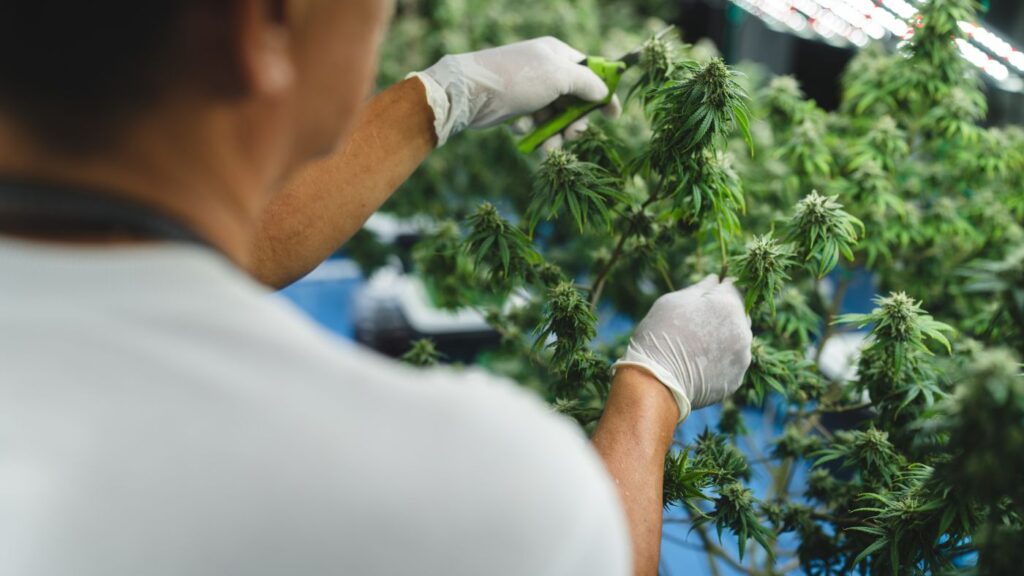
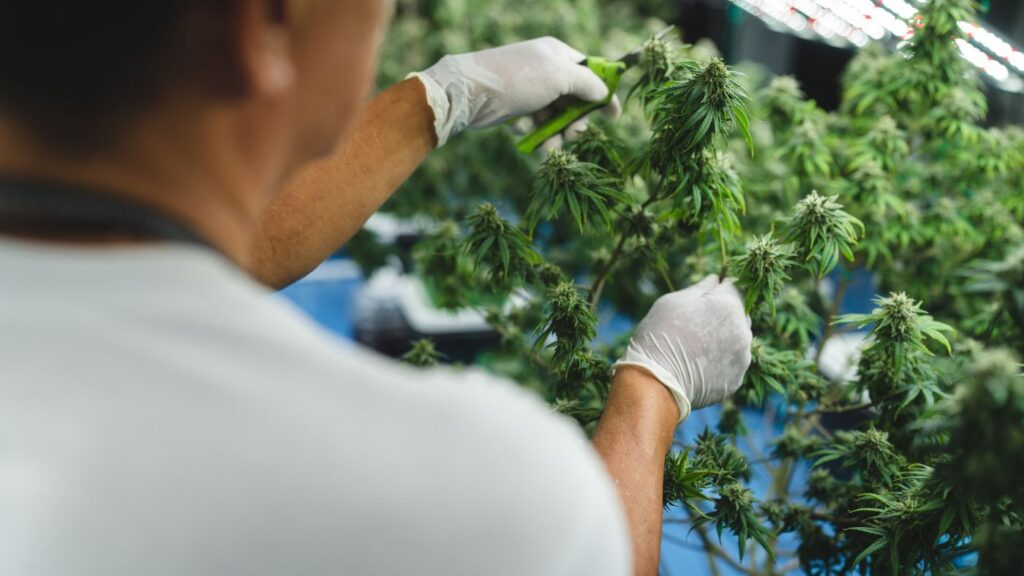
Close-up of a cannabis cultivation professional tending to a young flowering plant in a commercial Virginia facility.
Cannabis Business Plans and Strategies, Cannabis Consulting, Cannabis Operations and Optimization, Laws and Regulations, Virginia

Virginia Impact Cannabis License (2027): Social Equity & the Equity Business Loan Fund

Virginia’s adult-use cannabis framework creates a meaningful pathway for applicants from communities and backgrounds affected by cannabis prohibition and enforcement. The law does not create a separate, stand-alone impact license. Instead, it creates an impact-licensee designation that qualifying applicants may pursue alongside an underlying marijuana establishment license, such as retail, cultivation, processing, microbusiness, transportation, delivery, or testing.

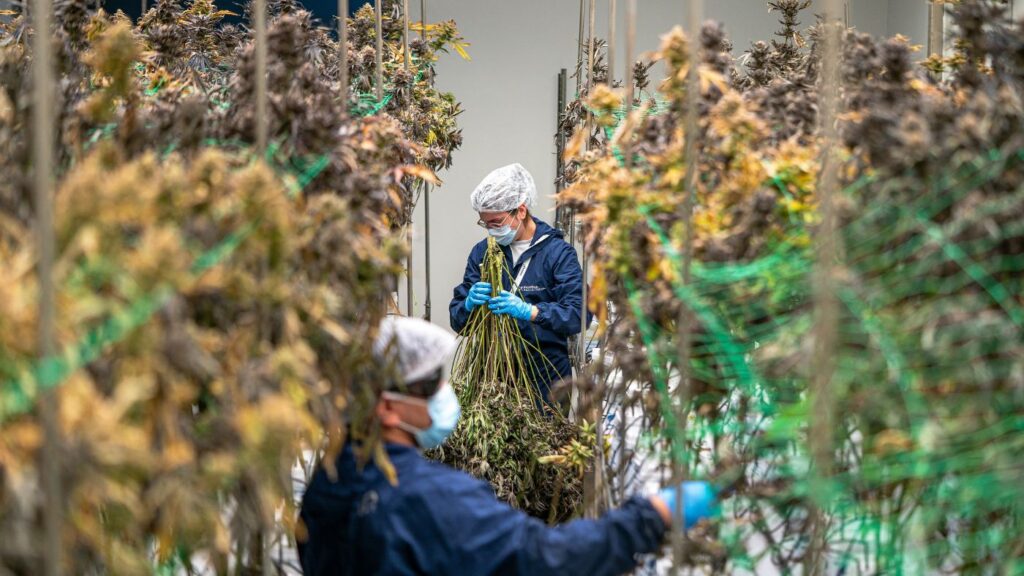
Two cultivation employees harvesting fully flowered cannabis at a licensed Virginia microbusiness facility.
Cannabis Business Plans and Strategies, Cannabis Consulting, Cannabis Operations and Optimization, Laws and Regulations, Virginia

Virginia Cannabis Microbusiness License (2027): Eligibility & the Two-Location Model

This guide explains the initial eligibility pathways for the licenses the CCA may issue by May 1, 2027, the difference between a microbusiness license and an impact designation, the indoor and outdoor cultivation limits, the precise rules governing two locations, and the financial, security, and operational readiness standards applicants should prepare to demonstrate. Several implementation details – including fees and the specific combination of privileges the CCA will authorize – still depend on forthcoming regulations.

Cannabis Business Plans and Strategies, Cannabis Consulting, Cannabis Operations and Optimization, Laws and Regulations, Virginia

Virginia Dual-Use Cannabis Conversion (2027): The $10M Medical-to-Adult-Use Pathway

For Virginia’s existing medical cannabis operators, the 2026 retail framework created a distinct and high-stakes transition: pharmaceutical processors may apply for verification to exercise dual-use privileges and serve both registered medical patients and adult-use customers. The pathway covers the processor and its permitted cannabis dispensing facilities, and it carries a one-time $10 million fee, a required medical cannabis program preservation plan, an impact-licensee business accelerator commitment, and a firm May 1, 2027 payment or installment-plan deadline.

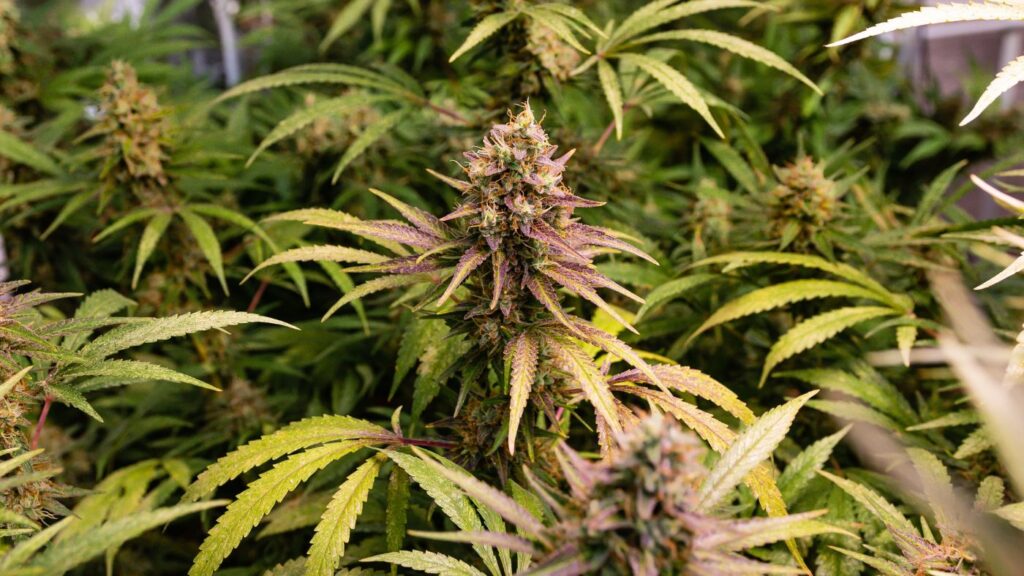
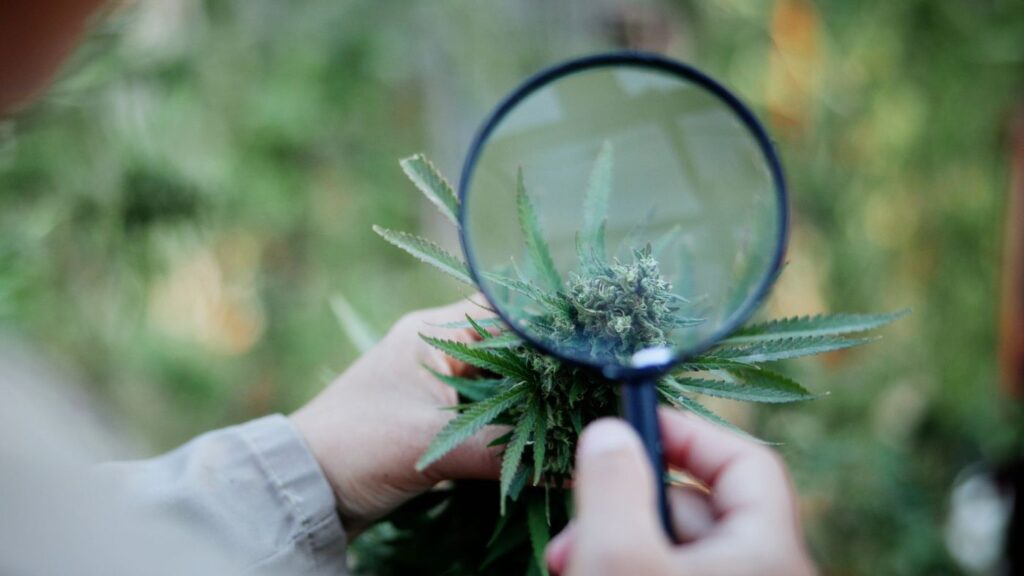
Close-up of a large, mature cannabis flower nearing harvest in a licensed cultivation facility.
Cannabis Business Plans and Strategies, Cannabis Consulting, Cannabis Operations and Optimization, Laws and Regulations

Drawn in the Missouri Microbusiness Lottery – Now What? The 2026 Post-Draw Roadmap

Being drawn in the lottery feels like the finish line. In reality, it is the starting gun. The September 9, 2026 drawing will establish the order in which applications are reviewed – it will not identify final license winners. A drawn application is not an issued license, and an issued license is not an operating business. Between the draw and your first legal sale lies a sequence of application reviews, license-acceptance deadlines, facility development, compliance implementation, and regulatory approvals that determine whether your microbusiness actually opens and survives.

A cannabis cultivation professional in protective clothing inspecting a plant, representing the wholesale microbusiness license path.
Cannabis Business Plans and Strategies, Cannabis Consulting, Cannabis Operations and Optimization, Laws and Regulations, Missouri

Missouri Microbusiness: Dispensary vs. Wholesale – Which License Should You Choose? (2026)

You may apply for only one Missouri microbusiness license type, and you must choose before the application window closes on July 27, 2026. That decision – dispensary or wholesale – affects which district-and-license-type lottery set you enter, your capital requirements, your day-to-day operation, and the entire shape of your business.

A cannabis cultivation professional tending to live flowering cannabis plants in a licensed Missouri facility.
Cannabis Business Plans and Strategies, Cannabis Consulting, Cannabis Operations and Optimization, Laws and Regulations, Missouri

Missouri Microbusiness Eligibility (2026): Do You Qualify? The 5 Criteria Explained

A microbusiness entity must be majority-owned by individuals who each meet at least one qualifying criterion. This is not “the company qualifies” – it is “the people who own the majority of the company each personally qualify.” And under the 2026 rules, those eligible majority owners must do more than hold equity. They must genuinely own and operate the business, with real knowledge, control, and decision-making authority. Eligibility and control travel together; you cannot satisfy one and ignore the other.

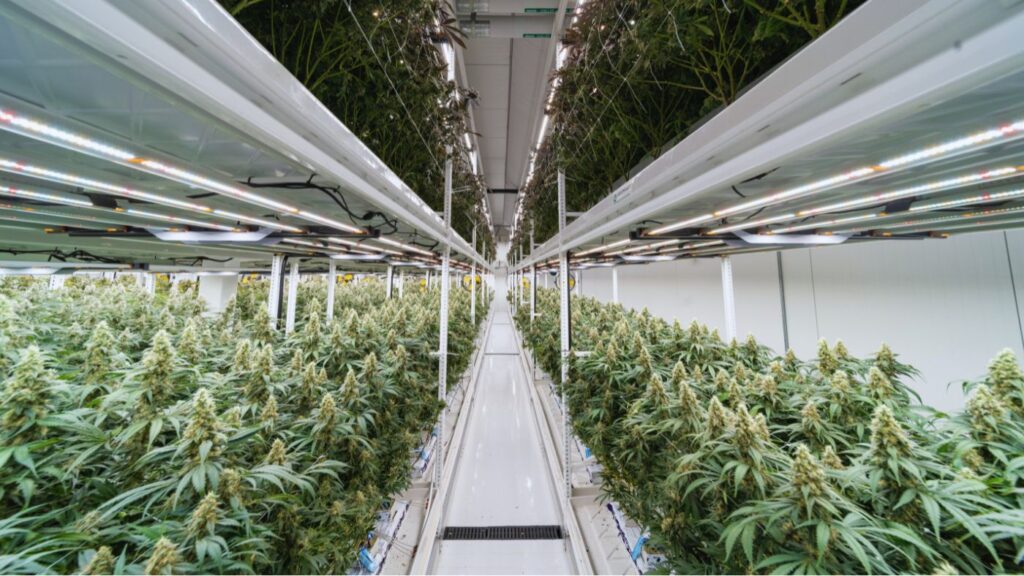
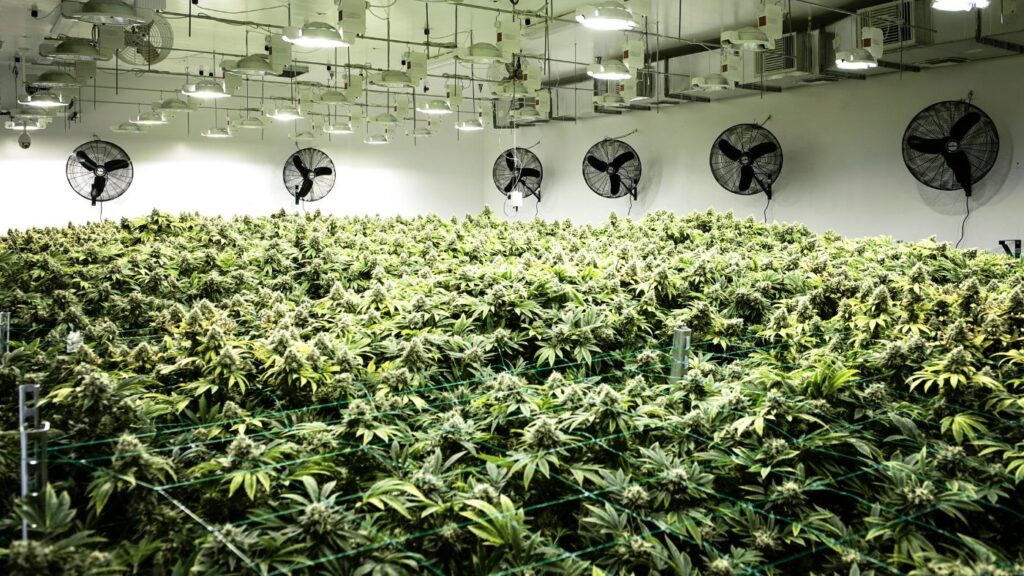
Interior of a commercial cannabis cultivation facility with flowering plants under grow lights and overhead circulation fans.
Cannabis Business Plans and Strategies, Cannabis Consulting, Cannabis Operations and Optimization, Laws and Regulations

How to Avoid Predatory Ownership Deals in a Missouri Microbusiness (2026 Guide)

The Missouri Division of Cannabis Regulation has revoked a significant share of the microbusiness licenses issued during the first two rounds, with most revocations involving failure to demonstrate genuine eligible majority ownership and operation. Behind that statistic is a pattern the Division has named explicitly: well-resourced outside operators recruiting eligible individuals, then locking them into agreements that quietly strip away their control and profit.

Scroll to Top