










































Cannabis Vertical Farming Consultants: 120-195 g/ft² From Multi-Tier
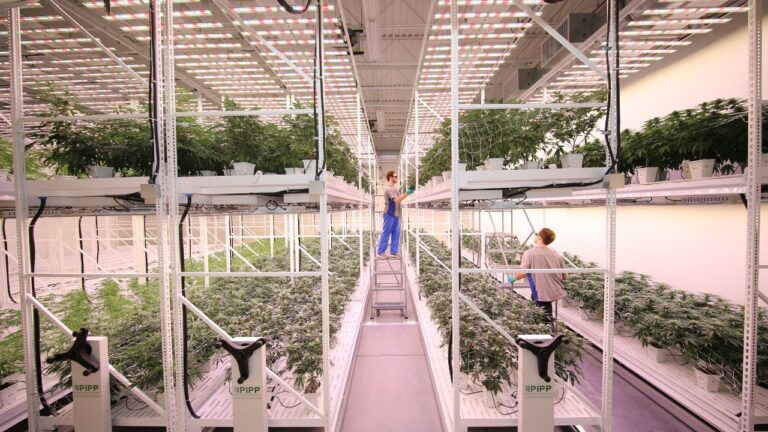
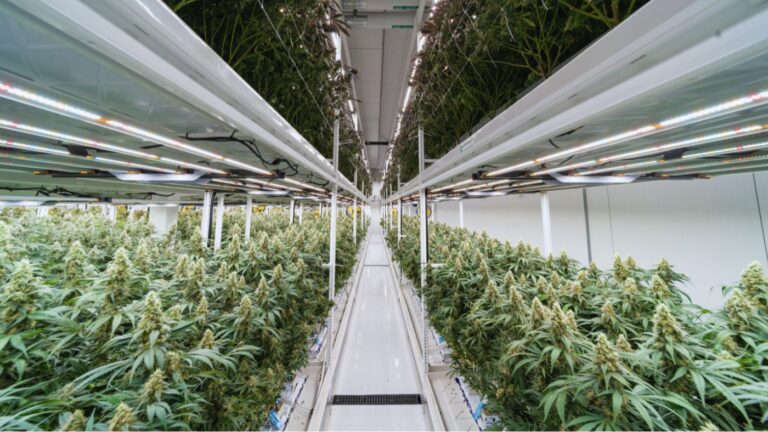
Multi-tier cannabis cultivation yields 120 to 195 grams per square foot against 40 to 65 for single-tier, across 4 to 6 harvest cycles a year, with 15 to 25% better labor efficiency when the room is designed for it. Catalyst BC’s cannabis vertical farming consultants include COO Michael Williamson, an industry expert in vertical farming technology and co-founder of Kind Love in Denver.
A Decade of Harvest Success—Trusted by Leading Cannabis Operators Worldwide
Maximize Yield and Minimize Waste with Expert Cannabis Vertical Farming Solutions
At Catalyst BC, our Cannabis Vertical Farming Services help operators design and implement scalable Cannabis Vertical Cultivation Design plans. We specialize in Cannabis Microclimate Zoning, Cannabis Cultivation Automation, and Tiered Canopy Optimization to increase plant density, improve airflow, and enhance yield consistency across multi-tier environments.
Our experts bring decades of hands-on experience designing high-efficiency Cannabis Vertical Cultivation Design strategies that improve airflow, lighting, and labor efficiency while supporting sustainable growth. With a focus on compliance, scale, and operational excellence, Catalyst BC delivers the tools, plans, and insights your team needs to thrive in today’s competitive cannabis market.
Instantly compare the annual revenue and yield potential of your current Standard Single-Tier grow rooms versus a Vertical Multi-Tier rack system using our Cannabis Vertical Farming Revenue & Yield Projector Interactive Calculator.
| Metric | Single-Tier Horizontal | 2-Tier Vertical | 3-Tier Vertical |
|---|---|---|---|
| Average Yield | 40 – 65 g/ft² | 80 – 130 g/ft² | 120 – 195 g/ft² |
| Canopy Utilization | 50% – 65% | 100% – 130% | 150% – 190% |
| Typical Energy Load | ~50 W/ft² | ~90 W/ft² | ~130 W/ft² |
| Harvest Cycles/Year | 4 – 5 | 5 – 6 | 5 – 6 |
| Labor Efficiency | Baseline | +15% (with automation) | +25% (with task-flow) |
* Results may vary on a variety of environmental factors. Visit our Cannabis Vertical Farming Revenue & Yield Projector Interactive Calculator to estimate your annual revenue and yield potential.
As Featured In:
Cannabis Vertical Farming Services
Catalyst BC provides a suite of core Cannabis Vertical Farming Services designed to help you establish a scalable, productive, and data-driven vertical grow environment. We focus on optimizing airflow, light intensity, canopy layers, and operational flow to ensure maximum ROI. These services are ideal for cultivation startups and established operators looking to modernize their approach.
Cannabis Business Model Strategy & Design
Align your financial goals with facility capabilities using a tailored vertical cultivation business model and strategic design plan.
Cannabis Facility Design Assist
Collaborate with A/E/C teams to ensure your vertical grow facility meets structural, mechanical, and cultivation requirements.
Tiered Cannabis Canopy Optimization
Maximize Tiered Canopy by designing ideal plant density, airflow, and light intensity across multiple cultivation layers.
Cannabis Cultivation Workflow & Tiered Access
Improve labor efficiency and safety with optimized access points and ergonomic vertical workflows.
Cannabis Cultivation Environmental Control
Build a strong foundation for Cannabis Microclimate Zoning and VPD consistency with intelligent environmental control system design.
Cannabis Cultivation Microclimate Zoning
Segment environmental control by cultivation stage and location to ensure consistency in every vertical tier.
Cannabis Cultivation Automation & Data Systems
Implement Cannabis Cultivation Automation tools for lighting, irrigation, fertigation, and climate controls, improving efficiency and accuracy.
Cannabis Labor Efficiency & Workflow
Design vertical farming operations that reduce labor costs while maximizing output with strategic role allocation and tiered task flows.
Cannabis Business Modular Phasing Strategies
Launch and scale in phases with a modular approach to buildouts, allowing you to adapt to market conditions and capital access.
Cannabis Cultivation Operations Advisory
Get hands-on support to troubleshoot issues, improve techniques, and create SOPs for tiered vertical environments.
Cannabis Vertical Farming Equipment + Automation
Evaluate, select, and integrate vertical-specific equipment and automation tools to align with yield and compliance targets.
Cannabis Genetics & Strain Advisory
Align cultivar selection and performance benchmarking with environmental variables across each vertical tier.
Inside Our Process: Behind-The-Scenes with Catalyst BC
Transparency and results are the foundation of every successful collaboration. Go behind-the-scenes with our cannabis consulting team and get an in-depth look at how we apply our specialized expertise to solve real-world challenges across various industries.
By exploring our client project portfolio and photo archives, you can see the technical precision and strategic thinking that define our unique approach. We invite you to browse our successes to discover how we can drive a meaningful and lasting impact for your organization.

Leafline Labs
Cottage Grove, MN
United States
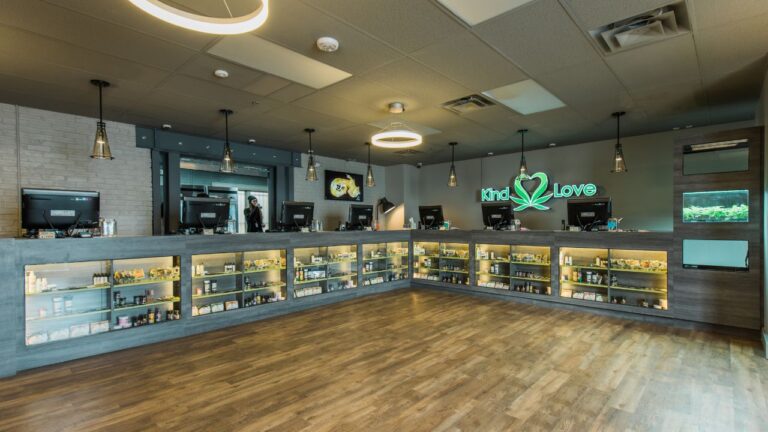
Kind Love
Denver, CO
United States
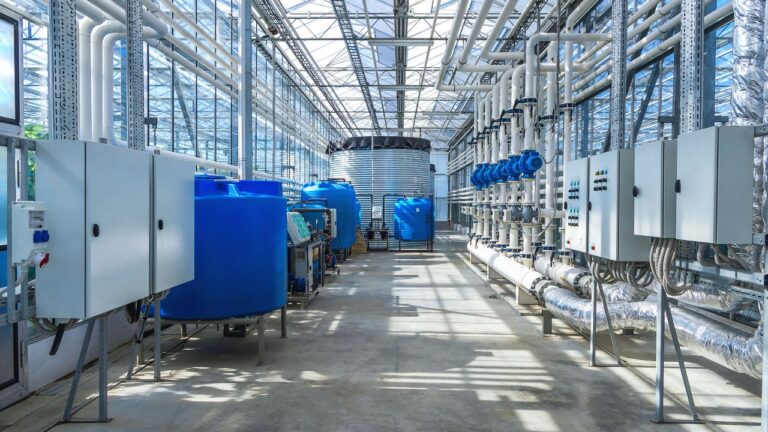
Cultivate MA
Uxbridge, MA
United States
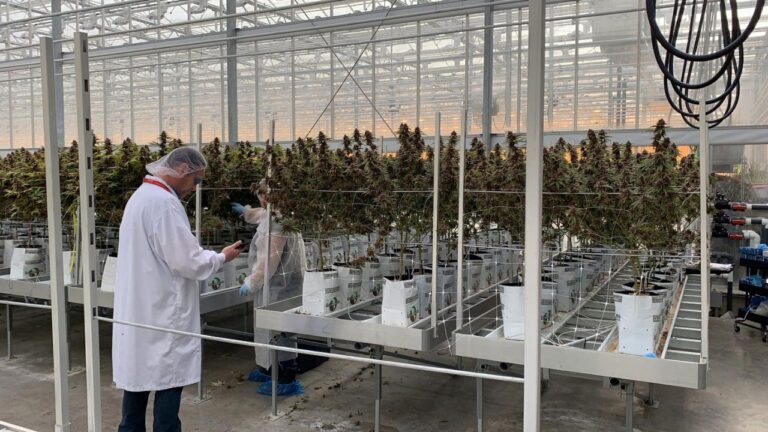
View All Projects
View all Catalyst BC Projects

Additional Supportive Vertical Farming Services
Catalyst BC offers supportive services that reinforce your vertical cultivation plan—ensuring long-term viability, scalability, and performance. These services allow operators to make informed decisions from startup through expansion, while staying compliant and competitive.
Facility Design Assist (A/E/C)
Support architectural and engineering teams to build a structurally sound, optimized vertical grow space.
Controlled Environment Strategy
Develop a precise climate control strategy tailored to your vertical setup, including temperature, humidity, and airflow systems.
IPM + Sanitation Plans
Establish preventative pest management and sanitation routines specifically designed for multi-tier grow environments.
Genetics Advisory
Tailor your cultivar selection for vertical environments using data-driven strain performance evaluations and Cannabis Strain Optimization.
Financial Modeling
Model the ROI and ongoing cost structure of vertical grow systems including CAPEX, OPEX, and long-term growth.
Data Management
Integrate real-time monitoring and analytics into your vertical farm for better decision-making, forecasting, and compliance tracking.
Why Choose Catalyst BC for Cannabis Vertical Farming?
With years of experience in Cannabis Vertical Cultivation Design, Catalyst BC helps operators build efficient, profitable, and scalable operations from the ground up. We merge design, strategy, and operational insights with expert guidance on Cannabis Cultivation Automation, Microclimate Zoning, and Tiered Canopy Optimization to ensure your vertical farming facility achieves its full potential.
Our multidisciplinary team understands the demands of vertical cultivation—from airflow limitations to labor safety. We help you implement best-in-class technology and workflows that support sustainability and long-term growth.
Book a free consultation today to start building your future-ready vertical grow operation.
Cannabis Consultants in 40+ States
Tailored Cannabis Consulting Support Across the United States and Around the World.
Compliant Harvests
Square Feet of Cultivation, Production, and Retail Facilities Designed
Licenses Secured
What Our Clients Say About Catalyst BC
Latest Cannabis Industry Insights and News

How Much Does It Cost to Open a Cannabis Dispensary in 2026
The allure of jumping into the legalized cannabis industry often paints a picture of quick riches and burgeoning demand, yet the reality of establishing a licensed cannabis dispensary is far more nuanced, capital-intensive, and fraught with unique financial challenges. For aspiring entrepreneurs and seasoned investors alike, understanding the true dispensary startup costs is the absolute bedrock of success.
Virginia Cannabis Facility Design & Build-Out for the 2027 Market
This guide covers the major considerations involved in planning and building a Virginia cannabis facility, with a focus on retail and cultivation operations and additional considerations relevant to processors and microbusinesses. It is written from the build side of the business, because that is where many otherwise-strong applicants stumble: they underestimate utility needs, local approvals, security infrastructure, commissioning, and the time required to convert a site into an inspection-ready operation.
Virginia Dual-Use Cannabis Conversion (2027): The $10M Medical-to-Adult-Use Pathway
For Virginia’s existing medical cannabis operators, the 2026 retail framework created a distinct and high-stakes transition: pharmaceutical processors may apply for verification to exercise dual-use privileges and serve both registered medical patients and adult-use customers. The pathway covers the processor and its permitted cannabis dispensing facilities, and it carries a one-time $10 million fee, a required medical cannabis program preservation plan, an impact-licensee business accelerator commitment, and a firm May 1, 2027 payment or installment-plan deadline.

Frequently Asked Questions:
Cannabis Vertical Farming Services
How much more does vertical farming yield than single-tier cannabis cultivation?
Multi-tier cannabis cultivation yields 120 to 195 grams per square foot compared with 40 to 65 grams per square foot for single-tier, at 4 to 6 harvest cycles per year, with 15 to 25% better labor efficiency when the room is designed for stacked access. Those figures come from operating facilities, not manufacturer estimates.
What ceiling height do you need for cannabis vertical farming?
Clear height drives tier count directly, and it must be measured to the lowest obstruction, not to deck. Along with slab capacity, column spacing, and electrical service, it determines whether multi-tier is viable at all. Catalyst BC assesses structure, service, and code path before recommending a rack configuration or tier count for any building.
Is vertical farming worth the capital cost?
It depends on your energy rate, wholesale price, and cycle time. Capital goes into racking, additional lighting, expanded HVAC and dehumidification, and irrigation distribution; return comes from canopy multiplied by cycles. Catalyst BC builds the payback model with your actual numbers and tells you when multi-tier does not pay in your market.
Who at Catalyst BC specializes in vertical farming?
Michael Williamson, COO of Catalyst BC, Director of Cultivation at Pipp Horticulture and co-founder of Kind Love, a 95,000 sq ft Denver facility, is a recognized pioneer of vertical cannabis farming. He leads multi-tier engagements, supported by a team that has designed 11 million+ square feet and completed 3,000-plus compliant harvests.
Does vertical farming increase mold and mildew risk?
Only when airflow is designed as if the room were single-tier. Stacked canopies create microclimates and stagnant zones between tiers that drive botrytis and powdery mildew. Catalyst BC designs per-tier air distribution and sizes dehumidification to the full stacked transpiration load, specifying to ASHRAE 62.1 and SMACNA rather than to rack vendor guidance.
How many harvest cycles can a vertical facility run per year?
Well-run multi-tier facilities achieve 4 to 6 harvest cycles per year, driven by cultivar cycle length, turnaround time between runs, and whether propagation keeps pace with flower room capacity. Cycle count, not just canopy, is what makes multi-tier economics work, which is why we model both when assessing feasibility.
Can an existing single-tier facility be converted to multi-tier?
Frequently yes, subject to clear height, slab capacity, electrical service, and HVAC headroom. Conversion usually requires expanded dehumidification and additional electrical capacity, which are the costs operators most often omit from their own model. Catalyst BC assesses the building first and states plainly when a conversion is not economically viable.
Does vertical farming reduce labor costs?
It improves labor efficiency 15 to 25% when rack access, cart routes, and lift equipment are planned into the layout. Without that planning it does the opposite, because defoliation and harvest on upper tiers become slow and unsafe. Catalyst BC models task time per tier before racking is specified or ordered.
Contact Us
Enough about us. We want to hear more about you, your project, and your vision! Get in touch with a real live person today. Don’t worry, we don’t have a long, confusing phone menu, and your email isn’t going to the abyss, we promise. At Catalyst, we provide the service and support we’d want to experience ourselves!