
Estimated reading time: 13 minutes
Table of contents
- Overview
- Stage 1: Survive the Eligibility Review
- Stage 2: Fingerprints, License Acceptance, and Training
- Stage 3: Secure the Site and Local Approvals
- Stage 4: Design and Build the Facility
- Stage 5: Stand Up Compliance and Seed-to-Sale Tracking
- Stage 6: Complete the Commencement Inspection
- Stage 7: Open, Operate, and Maintain the License
- A Pre-Draw Preparation Checklist
- Work With Catalyst BC From Lottery to Opening Day
- Missouri Microbusiness Eligibility FAQs
- Additional Resources
- Free eBooks For Cannabis Business Success
- Latest Articles
Editor’s Notes: This article is part of our Missouri 2026 Licensing Hub. Other topics covered in this series are:
- 2026 Missouri Microbusiness License Application Guide
- Guide to the Missouri microbusiness 2026 lottery
- How to avoid predatory ownership deals
- Missouri Microbusiness 2026 Eligibility Guide
- Dispensary vs. wholesale: Which License Should You Choose
- Post-award Roadmap From Lottery to Opening Day
Overview
Being drawn in the lottery feels like the finish line. In reality, it is the starting gun. The September 9, 2026 drawing will establish the order in which applications are reviewed – it will not identify final license winners. A drawn application is not an issued license, and an issued license is not an operating business. Between the draw and your first legal sale lies a sequence of application reviews, license-acceptance deadlines, facility development, compliance implementation, and regulatory approvals that determine whether your microbusiness actually opens and survives. Having guided operators through this phase across multiple markets, I can tell you it is where much of the real work – and the real risk – lives.
This roadmap lays out what happens after you are drawn: the pre-issuance review, fingerprint requests, license acceptance, post-award verification and training, site and local approvals, facility build-out and commissioning, compliance systems, commencement inspection, and the path to an Approval to Operate. It is written so you can begin preparing before the lottery, because operators who pre-plan the post-draw phase are better positioned to respond quickly and move efficiently toward opening.
Stage 1: Survive the Eligibility Review
Immediately after the lottery, the Division reviews top-drawn applications within each congressional district and license-type set in the order selected, verifying eligibility and application compliance before issuing a license. Being drawn does not guarantee approval. If DCR requests additional information or documents, the applicant has three business days to respond. If an application is denied, DCR reviews the next application in the same district-and-license-type drawing order.
Round 3 will continue to include a pre-issuance review of top-drawn applications. After licensure, DCR’s Business Licensing Services team will conduct additional minimum-standards and eligibility verification, including review of the facility location and other application information. The strongest preparation is a complete, organized file that can support both stages of review – and a designated contact who monitors email and can respond immediately.

Expert Insight – Treat every morning after the drawing as the start of a three-business-day clock. A request for additional information may arrive with little warning. Before the draw, assemble a review-ready packet of eligibility, ownership, location, and application records, and designate a contact who is reachable and authorized to respond. DCR also gives approved applicants only 48 hours to accept an issued license, so the designated contact must continue monitoring email through the full review period.
Leif Olsen – Catalyst BC Chief Executive Officer
Stage 2: Fingerprints, License Acceptance, and Training
For Round 3, fingerprint submissions will be requested after the lottery, as needed, from individuals subject to DCR’s disqualifying-felony analysis during review of top-drawn applications. The earlier two-week post-application deadline has been temporarily waived. Owners should follow the exact instructions and deadline provided by DCR; individuals whose prior fingerprints remain usable may not need to repeat the process.
Once DCR approves and issues a license, the designated contact has 48 hours to confirm acceptance. Licensees must also complete any mandatory post-award training specified by the Division. Current rules restrict agreements that remove or diminish eligible owners’ power or operational control until DCR completes eligibility verification and the required training is finished. Completion of those steps does not end the ownership requirement: the microbusiness must remain majority owned and operated by eligible individuals.
Stage 3: Secure the Site and Local Approvals
Applicants were required to identify a compliant proposed facility location, but they were not required to secure it before applying. After award, DCR will request documentation supporting the applicant’s attestation that the location complies with state and local requirements. If site control is not already in place, secure the property through a properly contingent lease, option, or purchase agreement and begin the local zoning, building, fire, and occupancy processes promptly. A location change requires DCR approval and generally must remain within the congressional district where the license was awarded. A state license does not override local land-use authority, and local approvals are a common source of post-award delay.
Stage 4: Design and Build the Facility
This is where a microbusiness becomes real, and where early planning has the greatest effect on cost, schedule, and operating performance. The build-out differs sharply by license type and, for a wholesale license, by whether the facility will cultivate, manufacture, or perform both activities:
| Build-out focus | Microbusiness Dispensary | Microbusiness Wholesale |
| Core infrastructure | Retail floor, secure receiving and storage, point-of-sale | Cultivation and/or manufacturing areas, secure storage, production support spaces |
| Security | Surveillance, access control, alarms, cash and product controls | Surveillance, access control, alarms, and production-area controls |
| Critical systems | POS and inventory integrated with state tracking, cash handling, delivery systems if used | HVACD, lighting, irrigation/fertigation, electrical capacity, process equipment, state tracking |
| Performance driver | Supplier access, inventory mix, customer experience, throughput | Yield and quality per plant, crop turns, product mix, labor and facility utilization |
| Common failure point | Underestimating closed-loop supply, security, and system integration | Undersized environmental systems, unvalidated equipment, or inefficient workflow |
For wholesale operators especially, facility and production design can determine whether the business is commercially viable. Under the 250-flowering-plant cap, profitability depends heavily on yield and quality per plant, crop turns, genetics, product mix, labor efficiency, manufacturing strategy, and facility utilization. Environmental controls, lighting, irrigation, electrical capacity, sanitation, and process flow must be sized and coordinated around the activities the facility will actually perform. A single environmental or critical-equipment failure can erase a harvest or production run, with limited scale available to absorb the loss.

Expert Insight – Commission before you cultivate or manufacture. The most expensive problems often involve systems or equipment that were installed but never verified under operating conditions. Commission HVAC and dehumidification, lighting, irrigation, controls, alarms, security, and manufacturing equipment under realistic loads before introducing plants or product. Document deficiencies, correct them, and confirm performance before requesting operational approval.
Michael Williamson – Catalyst BC Chief Operating Officer
Stage 5: Stand Up Compliance and Seed-to-Sale Tracking
Before opening, implement the compliance infrastructure required of Missouri marijuana facilities: the state seed-to-sale inventory system, compliant security and surveillance, documented standard operating procedures, agent ID cards for personnel who need facility access, inventory and transfer controls, waste procedures, testing workflows, packaging and labeling controls, employee training, and inspection-ready records. Microbusinesses carry most of the same compliance obligations as larger licensees – the ‘micro’ refers to scale, not regulatory leniency. Build and test these systems before the commencement inspection rather than waiting for DCR or daily operations to expose gaps.
Stage 6: Complete the Commencement Inspection
When the facility is nearly ready, the licensee must request a commencement inspection and complete DCR’s required questionnaire, self-inspection checklist, supporting documentation, and any physical inspection. DCR issues an Approval to Operate letter only after confirming compliance. Do not cultivate, manufacture, sell, or begin using a space for an activity that has not received the applicable approval. Microbusiness licensees must generally obtain operational approval within two years of license issuance; a licensee that expects to miss the deadline should address the issue with DCR and consider a timely variance request rather than waiting until the deadline passes.
Stage 7: Open, Operate, and Maintain the License
After receiving the Approval to Operate, the business may begin authorized activities within the microbusiness supply chain. Microbusiness dispensaries acquire product from microbusiness wholesalers and sell to consumers, patients, and caregivers; microbusiness wholesalers may transfer product to microbusiness dispensaries, other microbusiness wholesalers, and testing facilities as authorized. The license remains an ongoing responsibility: it is valid for three years, the annual fee is due on the anniversary of licensure, and renewal must be submitted at least 30 days but no sooner than 90 days before expiration. Continued eligible ownership, approved business information, recordkeeping, security, inventory accuracy, and operational compliance must be maintained throughout the license term.
A Pre-Draw Preparation Checklist
The operators who move fastest after the drawing are the ones who prepared before it. Even before you are drawn, you can:
- Assemble a review-ready eligibility, ownership, location, and application packet for any three-business-day request.
- Designate and brief a responsive contact who will monitor email, respond to DCR, and accept an issued license within 48 hours.
- Plan for post-lottery fingerprint submissions if requested by DCR.
- Confirm the proposed location’s state and local compliance, secure appropriate site control, and advance zoning and permitting.
- Develop the facility design, equipment plan, project schedule, and commissioning strategy.
- Scope the compliance program, seed-to-sale tracking, security systems, training, and commencement-inspection documentation.
- Confirm the capital plan covers build-out, commissioning, inventory or production ramp, payroll, and a contingency through first revenue.
Work With Catalyst BC From Lottery to Opening Day
The months after the drawing are where microbusinesses are made or stalled – through pre-issuance review, license acceptance, post-award verification, local approvals, facility development, commissioning, and the compliance systems that turn a license into an operating business. This is exactly the work Catalyst BC was built for. We help operators organize review-ready documentation, navigate local and DCR approvals, and – critically – design and commission facilities where a microbusiness’s economics are actually won, from yield-optimized cultivation environments under the 250-plant cap to compliant, efficient dispensary and manufacturing build-outs. Our consultants bring deep expertise in cannabis facility design, HVAC and environmental control, commissioning, compliance planning, and Owner’s Representative services alongside licensing strategy. Whether you are preparing before the September 9 drawing or planning after license issuance, starting early reduces avoidable delays. Connect with our team now to build the roadmap from lottery draw to Approval to Operate – and to make sure the facility behind your license performs from the first day of operation.
About the authors: This guide was prepared by the Catalyst BC cannabis consulting team. Catalyst BC advises cannabis operators on state licensing strategy, regulatory compliance, and cannabis facility design, commissioning, environmental control, and yield optimization across U.S. and international markets. Our consultants provide Owner’s Representative services for new market entrants and bring direct experience taking licensed operators from award through buildout to operation. This article is provided for informational purposes only and does not constitute legal advice; applicants should confirm current requirements with the Missouri Division of Cannabis Regulation and consult qualified counsel regarding their specific circumstances.
Missouri Microbusiness Eligibility FAQs
Not yet. Being drawn establishes your position in the review order. DCR must verify eligibility and application compliance before issuing the license. If approved, the designated contact must accept the issued license within 48 hours.
DCR reviews top-drawn applications before issuance and may request additional information with a three-business-day response deadline. After issuance, Business Licensing Services conducts additional minimum-standards and eligibility verification. If an application is denied, DCR reviews the next application in the same congressional district and license-type drawing order.
For Round 3, DCR will request fingerprints after the lottery, as needed, from individuals subject to disqualifying-felony analysis during review of top-drawn applications. Follow DCR’s instructions and deadline. Individuals whose prior fingerprints remain usable may not need to submit them again.
Licensees must complete any mandatory post-award training specified by DCR. Certain agreements that diminish eligible owners’ power or operational control are restricted until eligibility verification and required training are complete. The business must still remain majority owned and operated by eligible individuals afterward.
Yes. A state license does not override local zoning, building, fire, or occupancy requirements. DCR will also request documentation supporting the application’s location-compliance attestation. If the site changes, the licensee must obtain DCR approval and generally remain within the congressional district of award.
A dispensary needs compliant retail, receiving, storage, security, point-of-sale, and inventory systems. A wholesale facility may need cultivation rooms, manufacturing areas, environmental controls, lighting, irrigation, electrical capacity, process equipment, sanitation infrastructure, secure storage, and security, depending on its approved activities.
The 250-flowering-plant cap makes yield and quality per plant important, but profitability also depends on crop turns, genetics, product mix, labor efficiency, manufacturing strategy, and facility utilization. Properly designed and commissioned environmental, electrical, irrigation, and process systems reduce operational risk.
Implement seed-to-sale tracking, security and surveillance, SOPs, agent credentials, inventory and waste controls, testing workflows, packaging and labeling controls, training, and inspection-ready records. Then complete DCR’s commencement-inspection process and receive an Approval to Operate before beginning authorized activities.
Microbusiness licensees must generally obtain operational approval within two years of issuance. The license is valid for three years, the annual fee is due on the anniversary of licensure, and renewal must be submitted at least 30 days but no sooner than 90 days before expiration. Eligible ownership and operational compliance must be maintained throughout.
Build a review-ready application packet, designate a responsive contact, prepare for possible fingerprint requests and the 48-hour acceptance window, verify the proposed location, advance local approvals and facility design, plan compliance and commissioning, and confirm the capital plan carries the project through first revenue.
Additional Resources
Free eBooks For Cannabis Business Success




Latest Articles
- How Much Does It Cost to Open a Cannabis Dispensary in 2026
 The allure of jumping into the legalized cannabis industry often paints a picture of quick riches and burgeoning demand, yet the reality of establishing a licensed cannabis dispensary is far more nuanced, capital-intensive, and fraught with unique financial challenges. For aspiring entrepreneurs and seasoned investors alike, understanding the true dispensary startup costs is the absolute bedrock of success.
 - Virginia Cannabis Facility Design & Build-Out for the 2027 Market
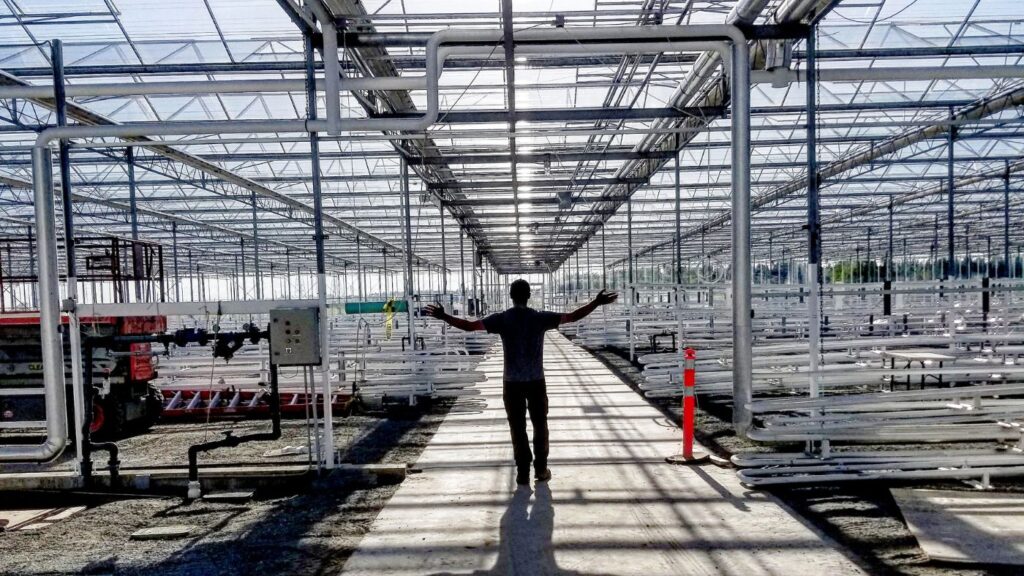 This guide covers the major considerations involved in planning and building a Virginia cannabis facility, with a focus on retail and cultivation operations and additional considerations relevant to processors and microbusinesses. It is written from the build side of the business, because that is where many otherwise-strong applicants stumble: they underestimate utility needs, local approvals, security infrastructure, commissioning, and the time required to convert a site into an inspection-ready operation.
 - Virginia Dual-Use Cannabis Conversion (2027): The $10M Medical-to-Adult-Use Pathway
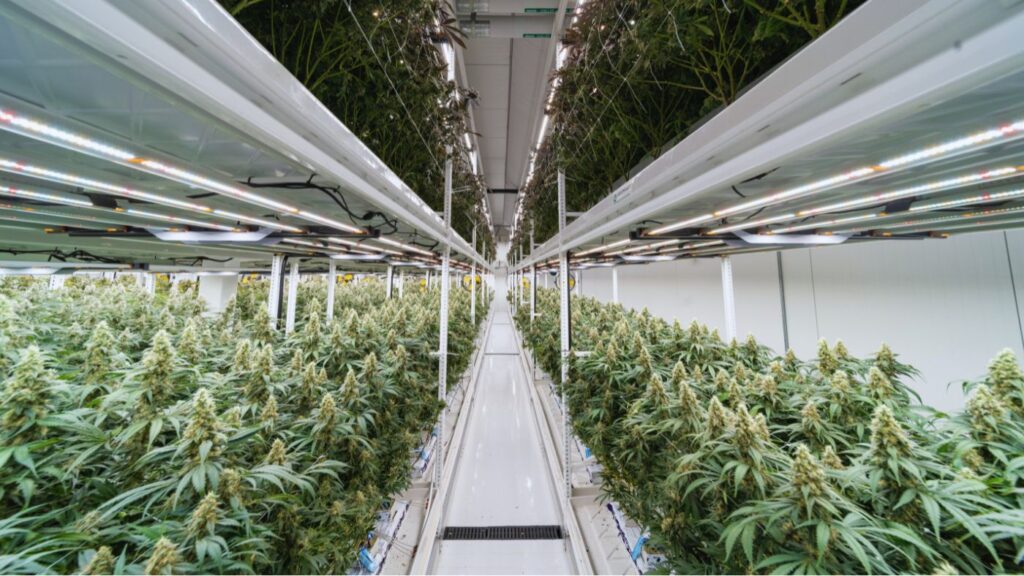 For Virginia’s existing medical cannabis operators, the 2026 retail framework created a distinct and high-stakes transition: pharmaceutical processors may apply for verification to exercise dual-use privileges and serve both registered medical patients and adult-use customers. The pathway covers the processor and its permitted cannabis dispensing facilities, and it carries a one-time $10 million fee, a required medical cannabis program preservation plan, an impact-licensee business accelerator commitment, and a firm May 1, 2027 payment or installment-plan deadline.
 - Virginia Impact Cannabis License (2027): Social Equity & the Equity Business Loan Fund
 Virginia’s adult-use cannabis framework creates a meaningful pathway for applicants from communities and backgrounds affected by cannabis prohibition and enforcement. The law does not create a separate, stand-alone impact license. Instead, it creates an impact-licensee designation that qualifying applicants may pursue alongside an underlying marijuana establishment license, such as retail, cultivation, processing, microbusiness, transportation, delivery, or testing.
 - Virginia Cannabis Microbusiness License (2027): Eligibility & the Two-Location Model
 This guide explains the initial eligibility pathways for the licenses the CCA may issue by May 1, 2027, the difference between a microbusiness license and an impact designation, the indoor and outdoor cultivation limits, the precise rules governing two locations, and the financial, security, and operational readiness standards applicants should prepare to demonstrate. Several implementation details – including fees and the specific combination of privileges the CCA will authorize – still depend on forthcoming regulations.
 - Virginia Cannabis Cultivation License (2027): The Tiered System Explained
 For operators whose strength is growing cannabis, Virginia’s emerging adult-use market presents a significant opportunity – and a cultivation license is the gateway to it. The June 2026 framework authorizes the Virginia Cannabis Control Authority (CCA) to begin accepting license applications on or after February 1, 2027 and issuing licenses on or after May 1, 2027. It also establishes five cultivation tiers with maximum canopies ranging from 5,000 to 35,000 square feet.