

Estimated reading time: 12 minutes
Table of contents
- Overview
- The Two License Types Side by Side
- The Closed Loop: Why These Two Depend on Each Other
- The 250-Plant Ceiling Changes Everything About Wholesale
- Capital and Build-Out: Different Businesses, Different Budgets
- A Framework for Choosing
- Work With Catalyst BC to Choose and Build the Right License
- Missouri Microbusiness Dispensary VS. Wholesale FAQs
- Additional Resources
- Free eBooks For Cannabis Business Success
- Latest Articles
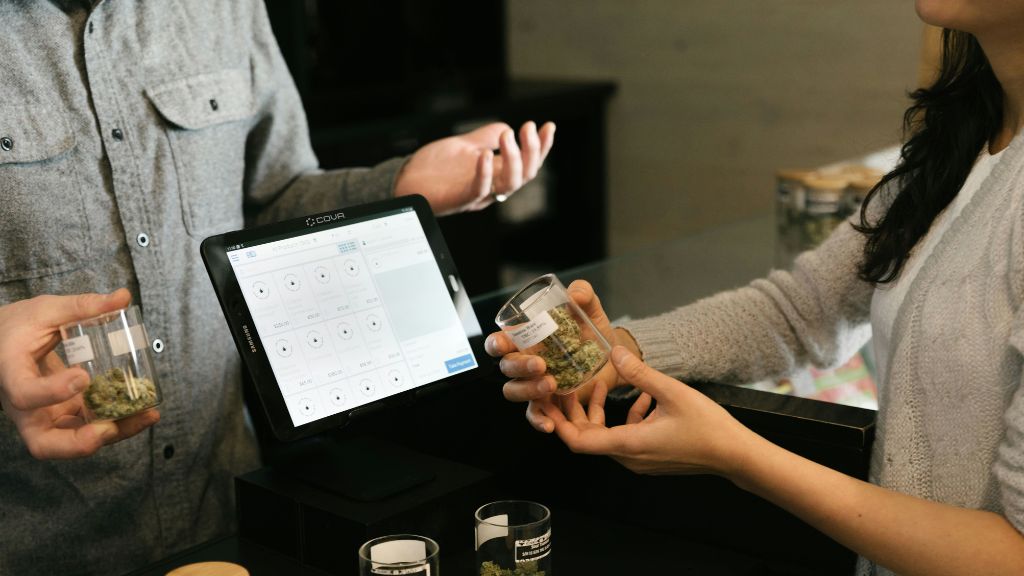
Editor’s Notes: This article is part of our Missouri 2026 Licensing Hub. Other topics covered in this series are:
- 2026 Missouri Microbusiness License Application Guide
- Guide to the Missouri microbusiness 2026 lottery
- How to avoid predatory ownership deals
- Missouri Microbusiness 2026 Eligibility Guide
- Dispensary vs. wholesale: Which License Should You Choose
- Post-award Roadmap From Lottery to Opening Day
Overview
You may apply for only one Missouri microbusiness license type, and you must choose before the application window closes on July 27, 2026. That decision – dispensary or wholesale – affects which district-and-license-type lottery set you enter, your capital requirements, your day-to-day operation, and the entire shape of your business. In my experience advising applicants, this is the choice people put the least analysis into and should put the most. Too many decide based on which one sounds more exciting (almost always the storefront) rather than which one fits their strengths, their capital, and the historical competition associated with their proposed facility district and license type.
This guide compares the two license types on the dimensions that actually matter, explains the statewide closed-loop market structure that links them, and gives you a framework for choosing the license whose lottery pool, operating model, capital needs, and commercial risks best fit your situation. These are different businesses, not two flavors of the same thing.
The Two License Types Side by Side
| Dimension | Microbusiness Dispensary | Microbusiness Wholesale |
| Core function | Retail dispensing; authorized processing and packaging, including pre-rolls | Cultivation and/or manufacturing, processing, and packaging |
| Who they sell to | Consumers, qualifying patients, and caregivers; limited transfers as authorized | Microbusiness dispensaries, other microbusiness wholesalers, and testing facilities |
| Who they buy from | Other microbusinesses, primarily wholesalers; testing facilities provide services | Other microbusinesses, where authorized; may also produce its own product |
| Production cap | None (retail) | Up to 250 flowering plants if cultivating; manufacturing is not defined by a plant-count cap |
| Minimum scheduled allocation per district | 2 | 4 |
| Historic lottery competition | Historically higher; Round 3 depends on final applicant counts | Historically lower; Round 3 depends on final applicant counts |
| Primary cost drivers | Retail site, buildout, security, POS, inventory, payroll, working capital | Cultivation and/or manufacturing systems, equipment, labor, testing, working capital |
| Core competency needed | Retail, procurement, inventory, merchandising, customer experience | Cultivation and/or manufacturing, quality systems, production, facility operations |
| Revenue model | Retail gross margin, traffic, product mix, inventory turns | Yield or manufacturing throughput, quality, product mix, sell-through |
Two numbers on this table deserve emphasis. First, the minimum scheduled license split has historically provided two dispensary licenses and four wholesale licenses in each congressional district. That structure creates more wholesale slots, but actual Round 3 odds will depend on the final license allocation and the number of applicants in each district-and-type set after the application window closes. Second, the 250-flowering-plant cap applies to wholesale facilities that cultivate and fundamentally shapes a cultivation-focused wholesale model, as explained below.
The Closed Loop: Why These Two Depend on Each Other
The defining feature of the microbusiness tier is that it operates within a statewide closed economy. Microbusinesses cannot transfer marijuana product to or from medical or comprehensive facilities. A microbusiness dispensary cannot stock its shelves from a comprehensive cultivator; its marijuana inventory must come from other microbusinesses, primarily microbusiness wholesalers. A microbusiness wholesale facility may sell to microbusiness dispensaries, other microbusiness wholesalers, and marijuana testing facilities. Testing facilities provide required testing services; they are not routine inventory suppliers. The two license types are connected parts of a self-contained statewide supply chain.
This has important strategic implications. Your choice of license type should account for the statewide balance of operating dispensaries and wholesalers, the product categories being produced, regional transportation costs, supply reliability, and the number of licensees that have actually received approval to operate. A dispensary may source from wholesalers located elsewhere in Missouri, but distance, capacity, consistency, and product mix still affect the business. A wholesaler needs sufficient operating retail demand and dependable routes to market. The license you pursue should respond to a real gap in the statewide microbusiness market, not merely the license count in one congressional district.

Expert Insight – Map the statewide loop before you choose. Before I let a client commit to a type, we inventory active microbusinesses across Missouri, separate facilities approved to operate from licenses that exist only on paper, and assess regional transportation, product categories, production capacity, and retail demand. Congressional district affects lottery grouping, not who a microbusiness may trade with after licensure. The closed loop turns license selection into a statewide supply-and-demand and execution analysis, not a personal preference.
Leif Olsen – Catalyst BC Chief Executive Officer
The 250-Plant Ceiling Changes Everything About Wholesale
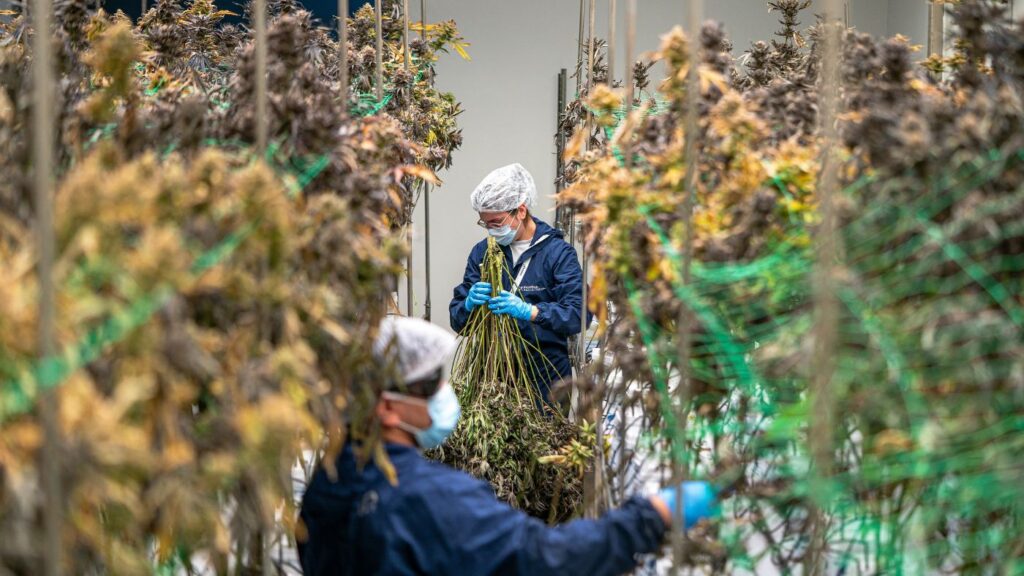
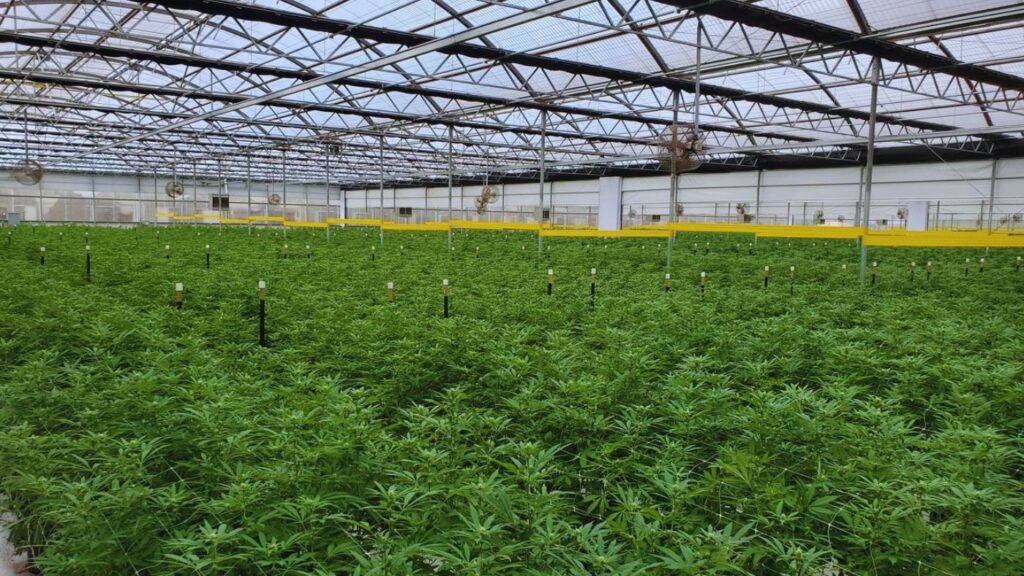
A microbusiness wholesale facility may cultivate, manufacture, or do both. If it cultivates, it may have up to 250 flowering plants at any given time – a fraction of the flowering canopy available to a comprehensive cultivator. That ceiling is central to a cultivation-focused wholesale model, but it does not define a manufacturing-only operation. For cultivators, profitability depends on far more than simply adding plants: yield and quality per plant, crop turns, genetics, product mix, labor efficiency, facility utilization, and dependable sell-through all matter.
This is precisely where many wholesale applicants underestimate the challenge – and where the right preparation creates a real advantage. In a cultivation model, the economics are shaped by lighting, environmental control of temperature, humidity, and vapor pressure deficit, irrigation and fertigation, crop planning, biosecurity, post-harvest handling, labor, and the reliability of the facility’s mechanical systems. A manufacturing-focused wholesaler faces a different set of constraints: dependable lawful input supply from other microbusinesses, production throughput, formulation, sanitation, quality assurance, packaging, and product demand. The wholesale applicant should choose the operating model deliberately and design the facility around it.
| Cultivation-focused wholesale profitability lever | Why it matters under a plant cap |
| Yield per plant | Increases saleable output without exceeding the flowering-plant cap |
| Product quality and consistency | Supports repeat demand, pricing, and reliable dispensary relationships |
| Environmental and crop-health control | Protects yield and consistency while reducing pest, disease, and crop-loss risk |
| Cycle and space efficiency | More crop turns and better facility utilization increase annual saleable output |
| Facility reliability and labor efficiency | Reduce downtime, waste, production variability, and operating cost |
Capital and Build-Out: Different Businesses, Different Budgets
Both license types can be capital-intensive, but the money goes to very different places. A dispensary’s capital concentrates in the retail location, buildout, security and surveillance, point-of-sale and inventory systems, opening inventory, payroll, and working capital. A wholesaler’s capital needs depend heavily on whether it will cultivate, manufacture, or do both, and may include electrical and environmental systems, cultivation infrastructure, manufacturing and packaging equipment, sanitation systems, labor, testing, and working capital. Capital requirements vary widely by site condition, local permitting, operating model, equipment, and time to approval to operate. Build a detailed sources-and-uses budget through first revenue, including contingency and working capital, rather than relying on a generic industry estimate.
A Framework for Choosing
I walk applicants through four questions, in order:
- Where are the more favorable historical odds in my district-and-type set? Review prior-round applicant counts and DCR’s final Round 3 license allocation, but treat the data as directional. Actual odds will not be known until the application window closes, and a historically less competitive set may attract more applicants in 2026.
- Where is the gap in the statewide microbusiness market? Evaluate operating dispensaries and wholesalers across Missouri, regional logistics, product mix, supply reliability, and actual approval-to-operate status. Congressional district affects the lottery group, not the post-award trading area.
- What operating model fits my core competency? Retail, procurement, inventory management, merchandising, and customer experience point to dispensary; cultivation, manufacturing, quality systems, production, and facility operations point to wholesale.
- What can I fund through approval to operate and first revenue? Match the license type to the full capital plan, including design, permitting, construction, equipment, compliance systems, inventory or input material, payroll, contingency, and working capital.
When these four align, the choice is clear. When they conflict – for example, when prior-round data favors wholesale but your strength is retail – that is exactly the conversation worth having with an advisor before you commit, because you only get one application.

Expert Insight – Don’t default to the storefront. The dispensary license is more visible and has historically attracted heavier competition. I’ve watched capable operators with real production backgrounds pursue retail when a wholesale application would have been better matched to their skills and, based on prior-round data, placed them in a more favorable lottery pool. That does not make wholesale guaranteed or automatically profitable. Glamour is not a strategy. Choose the license that the historical data, statewide market, operating model, competency, and capital all point toward.
Andy Schnack – Catalyst BC Operations Advisor
Work With Catalyst BC to Choose and Build the Right License
Choosing between a dispensary and a wholesale microbusiness license is a strategic decision that shapes everything that follows – your lottery pool, your capital plan, and your ability to operate profitably inside Missouri’s closed-loop market. At Catalyst BC, we help applicants make this call with real analysis: reviewing prior-round lottery data and the final license allocation, mapping the statewide network of operating microbusinesses and regional logistics, matching the license to the applicant’s competencies and capital, and – for wholesale applicants – defining whether the business will cultivate, manufacture, or do both. We also design cultivation and production facilities around the 250-plant ceiling, environmental requirements, workflow, quality, and throughput. Our consultants bring deep expertise in cannabis facility design, environmental control, production optimization, and licensing strategy. With the July 13-27 window approaching, the choice has to be made deliberately and soon.
Contact our team at Catalyst BC to talk through which license fits your situation and to build the operation behind it.
About the authors: This guide was prepared by the Catalyst BC cannabis consulting team. Catalyst BC advises cannabis operators on state licensing strategy, microbusiness program compliance, and cannabis facility design, environmental control, and yield optimization across U.S. and international markets. Our consultants bring direct experience with cultivation facility engineering and retail dispensary buildout, as well as Owner’s Representative services for new market entrants. This article is provided for informational purposes only and does not constitute legal or financial advice; applicants should confirm current requirements with the Missouri Division of Cannabis Regulation and consult qualified professionals regarding their specific circumstances.
Missouri Microbusiness Dispensary VS. Wholesale FAQs
No. An individual or entity may appear on only one microbusiness application and may obtain only one license. Choose dispensary or wholesale before filing.
Wholesale historically had more available slots and, in the first round, fewer applicants per license. Round 3 odds will depend on the final allocation and applicant counts after the window closes.
It may acquire, process, package, store, transport, deliver, and sell marijuana products to consumers, qualifying patients, and caregivers; create pre-rolls; and make certain permitted transfers. Inventory must come from other microbusinesses; testing facilities provide testing services.
It may cultivate and/or manufacture, process, package, store, transport, deliver, and sell marijuana products to microbusiness dispensaries, other wholesalers, and testing facilities. If cultivating, it is limited to 250 flowering plants.
The cap applies only when a wholesale facility cultivates. Cultivation economics depend on yield, quality, crop turns, genetics, labor, facility utilization, and demand. Manufacturing-only models depend more on input supply, throughput, quality systems, product mix, and sell-through.
Microbusinesses cannot transfer marijuana product to or from medical or comprehensive facilities. They may transact statewide with other microbusinesses and testing facilities as authorized; the loop is not limited to one congressional district.
Evaluate the statewide network of operating dispensaries and wholesalers, regional transportation, product gaps, supply consistency, and approval-to-operate status. District affects the lottery set, not post-award trade.
There is no universal answer. Dispensary costs center on real estate, retail buildout, security, systems, inventory, and working capital. Wholesale costs depend heavily on whether the operation cultivates, manufactures, or does both.
Only if cultivation is part of the model. Wholesale facilities may cultivate, manufacture, or do both. The team should include the relevant horticultural, facility, production, sanitation, quality-assurance, packaging, and compliance expertise.
The application is tied to the type selected at filing. Treat the choice as fixed for Round 3 and do not assume it can be changed after submission.
Additional Resources
Free eBooks For Cannabis Business Success




Latest Articles
- How Much Does It Cost to Open a Cannabis Dispensary in 2026
 The allure of jumping into the legalized cannabis industry often paints a picture of quick riches and burgeoning demand, yet the reality of establishing a licensed cannabis dispensary is far more nuanced, capital-intensive, and fraught with unique financial challenges. For aspiring entrepreneurs and seasoned investors alike, understanding the true dispensary startup costs is the absolute bedrock of success.
 - Virginia Cannabis Facility Design & Build-Out for the 2027 Market
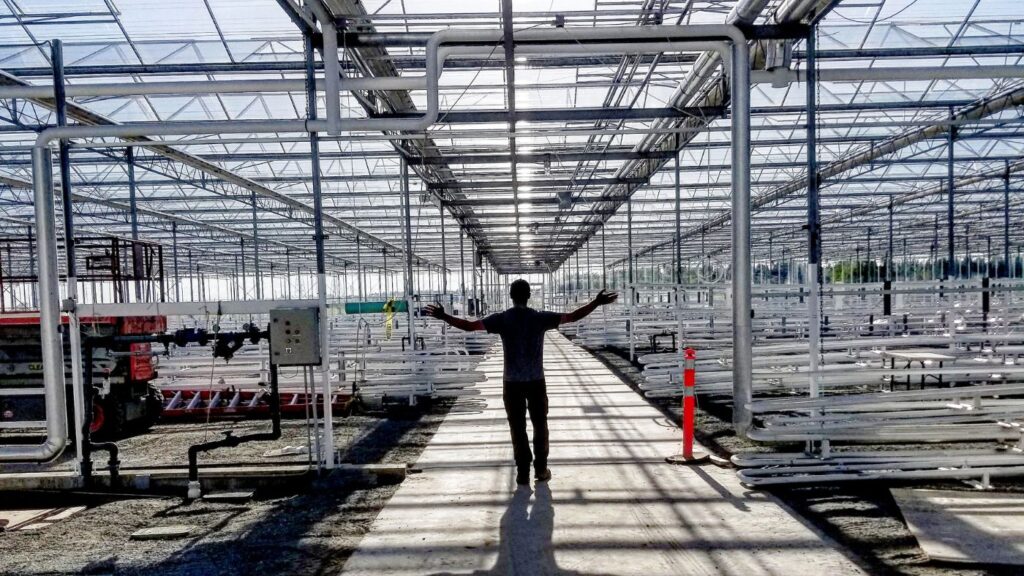 This guide covers the major considerations involved in planning and building a Virginia cannabis facility, with a focus on retail and cultivation operations and additional considerations relevant to processors and microbusinesses. It is written from the build side of the business, because that is where many otherwise-strong applicants stumble: they underestimate utility needs, local approvals, security infrastructure, commissioning, and the time required to convert a site into an inspection-ready operation.
 - Virginia Dual-Use Cannabis Conversion (2027): The $10M Medical-to-Adult-Use Pathway
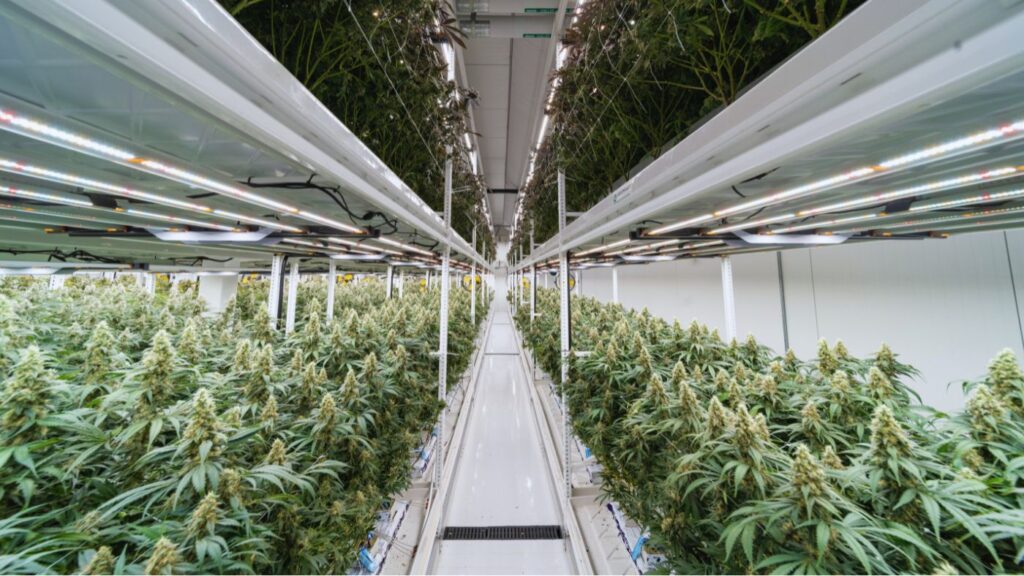 For Virginia’s existing medical cannabis operators, the 2026 retail framework created a distinct and high-stakes transition: pharmaceutical processors may apply for verification to exercise dual-use privileges and serve both registered medical patients and adult-use customers. The pathway covers the processor and its permitted cannabis dispensing facilities, and it carries a one-time $10 million fee, a required medical cannabis program preservation plan, an impact-licensee business accelerator commitment, and a firm May 1, 2027 payment or installment-plan deadline.
 - Virginia Impact Cannabis License (2027): Social Equity & the Equity Business Loan Fund
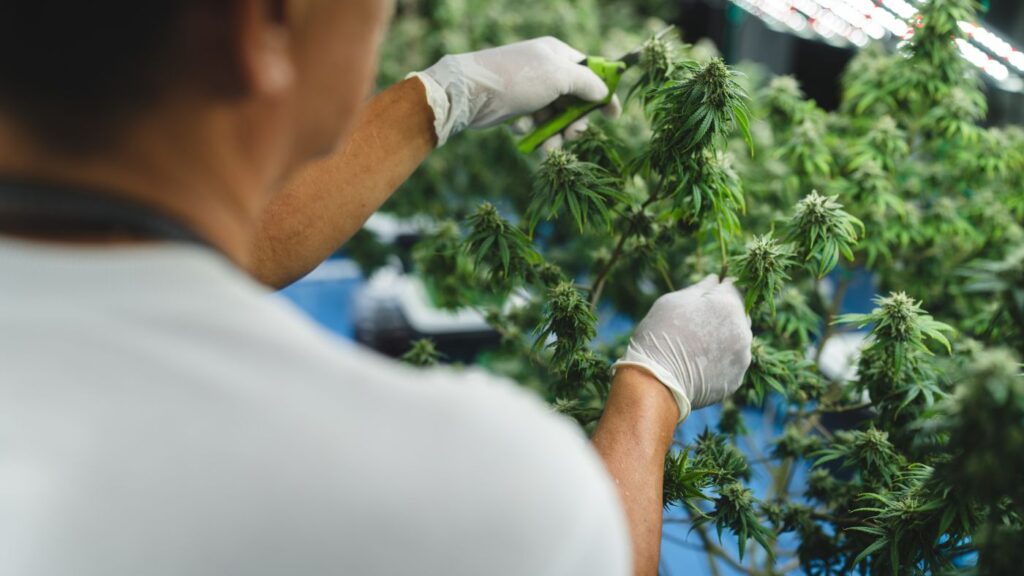 Virginia’s adult-use cannabis framework creates a meaningful pathway for applicants from communities and backgrounds affected by cannabis prohibition and enforcement. The law does not create a separate, stand-alone impact license. Instead, it creates an impact-licensee designation that qualifying applicants may pursue alongside an underlying marijuana establishment license, such as retail, cultivation, processing, microbusiness, transportation, delivery, or testing.
 - Virginia Cannabis Microbusiness License (2027): Eligibility & the Two-Location Model
 This guide explains the initial eligibility pathways for the licenses the CCA may issue by May 1, 2027, the difference between a microbusiness license and an impact designation, the indoor and outdoor cultivation limits, the precise rules governing two locations, and the financial, security, and operational readiness standards applicants should prepare to demonstrate. Several implementation details – including fees and the specific combination of privileges the CCA will authorize – still depend on forthcoming regulations.
 - Virginia Cannabis Cultivation License (2027): The Tiered System Explained
 For operators whose strength is growing cannabis, Virginia’s emerging adult-use market presents a significant opportunity – and a cultivation license is the gateway to it. The June 2026 framework authorizes the Virginia Cannabis Control Authority (CCA) to begin accepting license applications on or after February 1, 2027 and issuing licenses on or after May 1, 2027. It also establishes five cultivation tiers with maximum canopies ranging from 5,000 to 35,000 square feet.