
Estimated reading time: 18 minutes
Table of contents
- The Constitutional Genesis and the Evolution of Regulatory Authority
- The 2025 Cultivation Licensing Cycle: Analysis of Outcomes
- Profiles of the Inaugural Licensees
- Operational Architecture: Constraints and Challenges
- Plant Caps and Supply Chain Sustainability
- The Statutory Overhaul: Deep Dive into LB 1235
- The Practitioner Immunity Crisis: LB 933 and the Access Gap
- Market Projections: The Road to 2027
- Legal Challenges and Federal Rescheduling
- Next Steps: Contact Catalyst BC to Start Work On Your Nebraska Cannabis Market Entry Strategy
- Success Stories: See How Catalyst BC Has Helped Cannabis Businesses Enter and Lead the Market
- Nebraska Cannabis Licensees and Applicants Also Ask:
- Additional Resources
- Free eBooks For Cannabis Business Success
- Latest Articles
Cliff Notes: Nebraska’s Medical Market Implementation
Objective: Understand the Nebraska medical cannabis regulatory framework as of April 2026, the transition to a formal licensure model, the outcomes of the initial cultivation scoring cycle, and the operational hurdles facing the 2026-2027 supply chain rollout.
Key Components:
- Market Status (April 2026): Transitioned from a “registration” to a “licensure” model under LB 1235, granting the MCC enhanced enforcement and oversight powers.
- Licensing Outcomes: Only two cultivation licenses were awarded in the initial 2025 cycle (Patrick Thomas and Midwest Cultivators Group) due to a strict 70-point scoring threshold and commission upheaval.
- Product Limitations: The market remains strictly non-smokable and non-vapeable. Approved forms are limited to tablets, tinctures, topicals, and patches; traditional edibles (gummies/chocolates) are prohibited.
- Supply Constraints: Each of the four licensed cultivators is capped at 1,250 flowering plants, raising concerns about supply shortages for an estimated 20,000+ patients.
- Upcoming Deadlines: Manufacturing and Transportation applications are slated for Q2 2026, with 12 exclusive Dispensary licenses (one per judicial district) following in Q3 2026.
- Critical Barriers: The 4-year residency requirement (51% local ownership) and the lack of explicit practitioner immunity (failure of LB 933) remain significant hurdles for market viability.
- Future Outlook: Federal rescheduling to Schedule III and a potential 2026 Universal Adult Access ballot initiative may radically alter the regulatory landscape by year-end.
Nebraska’s medical cannabis sector is defined by high barriers to entry and a clinical-first philosophy. Success for upcoming manufacturing and dispensary applicants depends on navigating the 51% residency mandate and meeting the MCC’s rigorous pharmaceutical-grade standards before the first patient transactions begin in early 2027.
Editors Notes: Originally published June 2025 last fully updated April 2026.
The Nebraska medical cannabis industry has undergone a radical transformation from its nascent beginnings in the 2024 general election to the highly structured, albeit restrictive, regulatory environment of April 2026. This period has been characterized by intense legislative maneuvering, high-stakes licensing competitions, and a fundamental shift in the state’s administrative approach to controlled substances. What was once a voter-led initiative has matured into a multi-tiered marketplace defined by the Nebraska Medical Cannabis Commission (MCC) and the recent passage of comprehensive legislation that redefines the relationship between patients, practitioners, and licensed operators.
The Constitutional Genesis and the Evolution of Regulatory Authority
The framework for the Nebraska medical cannabis market was established by the passage of Initiatives 437 and 438 in November 2024. These measures, which garnered 70.7% and 66.9% of the vote respectively, represent one of the largest margins for medical cannabis legalization in United States history. Initiative 437, the Nebraska Medical Cannabis Patient Protection Act, granted patients the right to possess up to five ounces of medical cannabis with a practitioner’s recommendation, while Initiative 438, the Nebraska Medical Cannabis Regulation Act, mandated the creation of the MCC to oversee the production and distribution supply chain.
Despite this mandate, the transition from ballot measure to operational reality was delayed by significant political and legal pushback. Governor Jim Pillen and Attorney General Mike Hilgers initially contested the validity of the petitions, leading to a critical ruling by Lancaster County District Court Judge Susan Strong on November 26, 2024, which upheld the initiatives and cleared the path for certification. This judicial victory allowed the state to meet its first major deadline on July 1, 2025, when the MCC issued the first set of emergency regulations governing facility licenses.
Administrative Framework and the Licensure Shift
Throughout 2025 and early 2026, the MCC operated under a series of temporary 90-day emergency rules. This changed significantly on April 7, 2026, when Governor Pillen signed Legislative Bill 1235 (LB 1235). This legislation represents the most significant update to the program since its inception, transitioning the state from a “registration-based” model to a formal “licensure” framework. This distinction is critical for industry participants, as it grants the commission expanded authority over the suspension and revocation of permits, the implementation of a centralized seed-to-sale tracking system, and the imposition of a robust fee schedule for operators.
| Regulatory Milestone | Date of Achievement | Impact on Market Stability |
| Voter Approval (Init. 437/438) | November 5, 2024 | Established the legal right to medical cannabis. |
| Judicial Validation (Judge Strong) | November 26, 2024 | Defeated initial signature challenges. |
| Certification of Laws | December 12, 2024 | Initiatives officially became state law. |
| Emergency Regulations Approval | June 26, 2025 | Enabled initial cultivator application intake. |
| Cultivator License Issuance | October 7, 2025 | First two licenses awarded to Thomas and Wagner. |
| Signing of LB 1235 | April 7, 2026 | Transitioned the market to a licensure model. |
| Final Regulations Signature | April 13, 2026 | Permanent rules sent to AG and Governor for final approval. |
Source: Compiled from Nebraska Legislature records and MCC meeting minutes.
The 2025 Cultivation Licensing Cycle: Analysis of Outcomes
The licensing of Nebraska’s first cannabis cultivators was a process fraught with administrative turbulence. The application window, which ran from September 4 to September 23, 2025, attracted 39 applicants for only four available licenses. The competitive pressure was exacerbated by a sudden crisis within the commission itself. On September 29, 2025 – just one day before the licensing deadline – Commissioners Bruce Bailey and Kim Lowe resigned from the Liquor Control Commission at the request of Governor Pillen, effectively removing them from the cannabis panel.
The remaining three commissioners – Dr. Monica Oldenburg, Lorelle Mueting, and J. Michael Coffey – were forced to independently score applications to meet the voter-mandated requirements. The evaluation process utilized a 100-point rubric, where an average score of at least 70 was required for approval. On October 7, 2025, the commission awarded the first two licenses, marking the first time in Nebraska history that legal cannabis cultivation was authorized.
Comparative Scoring and Transparency Issues
The scoring results for the top applicants revealed a high degree of variance in evaluation, leading to significant criticism regarding the transparency of the matrix. While the commission has pledged to release the full rubric once all licenses are issued, the disparate scores awarded to prominent advocates have raised questions about the criteria used.
| Applicant Name | Entity/Affiliation | Average Score | Evaluation Range | Final Status |
| Patrick Thomas | Individual (Raymond, NE) | 73.33 | 62 – 84 | Licensed |
| Nancy Laughlin-Wagner | Midwest Cultivators Group LLC | 72.00 | 62 – 80 | Licensed |
| Casey Sledge | Stonepine Works LLC | 63.67 | 47 – 88 | Denied |
| Crista Eggers | Nebraskans for Medical Marijuana | 42.33 | 11 – 72 | Denied |
Source: Nebraska Medical Cannabis Commission Scoring Data, October 2025.
The denial of Crista Eggers was particularly notable. As the executive director of the organization that successfully led the 2024 ballot initiatives, her application’s failure to meet the threshold score of 70 was viewed by some as a political move. The 61-point spread between her lowest and highest scores (11 vs. 72) suggests that commissioners may have had fundamentally different interpretations of the requirements for business and financial planning.
Profiles of the Inaugural Licensees
The individuals and entities who secured the first licenses demonstrated a combination of agricultural expertise, medical background, and strong local ties, which appear to have been the unofficial prerequisites for success in the initial round.
Patrick Thomas of Raymond, Nebraska, entered the process with a background in construction and agriculture, specifically managing large-scale water projects. His application highlighted his 20 years of land management experience and his existing status as a USDA-licensed hemp cultivator. Thomas’s commitment to relinquishing his federal hemp license upon receiving the state medical cannabis permit was a critical component of his compliance strategy.
Midwest Cultivators Group LLC, based in Omaha, presented a team that aligned closely with the state’s clinical-first philosophy. CEO Nancy Laughlin-Wagner, a registered nurse with extensive hospital operations experience, teamed with CFO Frank Hayes, a certified public accountant, and COO Dave Kanne, a veteran agricultural manager with over 1,200 acres of production experience. This combination of clinical oversight and agricultural scale likely contributed to their successful average score of 72.
As of April 2026, the third cultivation license has been issued, and the commission is in the final stages of vetting the fourth and final cultivation applicant.
Operational Architecture: Constraints and Challenges
The Nebraska medical cannabis market is intentionally designed to be one of the most restrictive in the country. To maintain the “pharmaceutical-grade” standard demanded by state leaders, the MCC has imposed several layers of operational constraints that significantly impact the business models of licensed establishments.
The Non-Smokable Mandate and Product Limitations
Under current regulations, the Nebraska market is strictly non-smokable and non-vapeable. The sale of raw cannabis flower, pre-rolls, and all forms of vaporization products is prohibited. Furthermore, traditional cannabis “edibles” – such as gummies, chocolates, or infused snacks – are banned, with the sole exception of oral tablets that may have a thin flavoring layer.
Permitted product forms are limited to:
- Tablets and capsules.
- Liquid tinctures and oils.
- Topical creams, gels, and ointments.
- Transdermal patches.
- Nebulizer-compatible liquids.
- Suppositories.
This restriction forces a unique operational burden on cultivators, who must find manufacturer partners capable of processing raw biomass into these specific pharmaceutical forms, as vertical integration is currently prohibited under state law.
Plant Caps and Supply Chain Sustainability
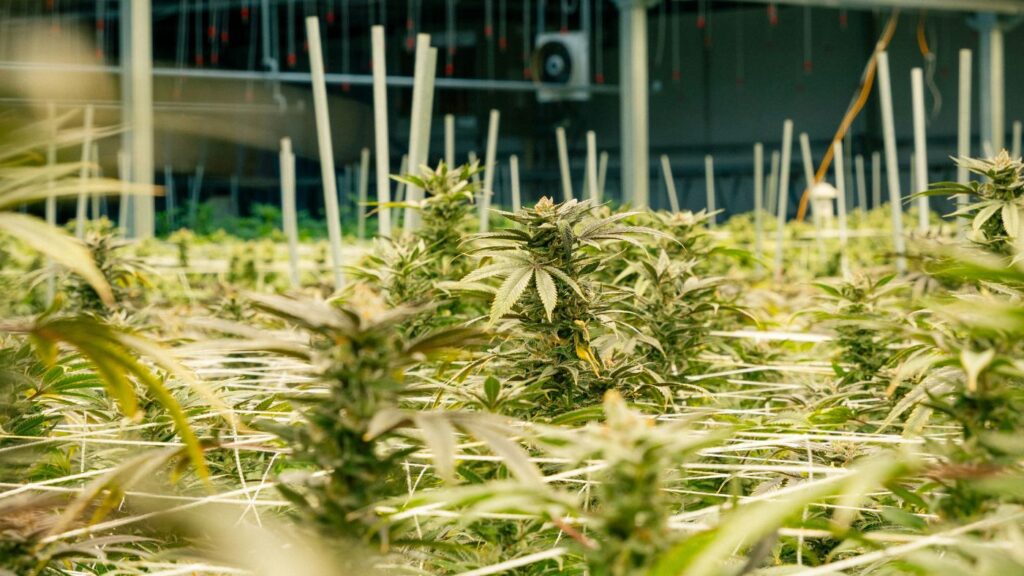
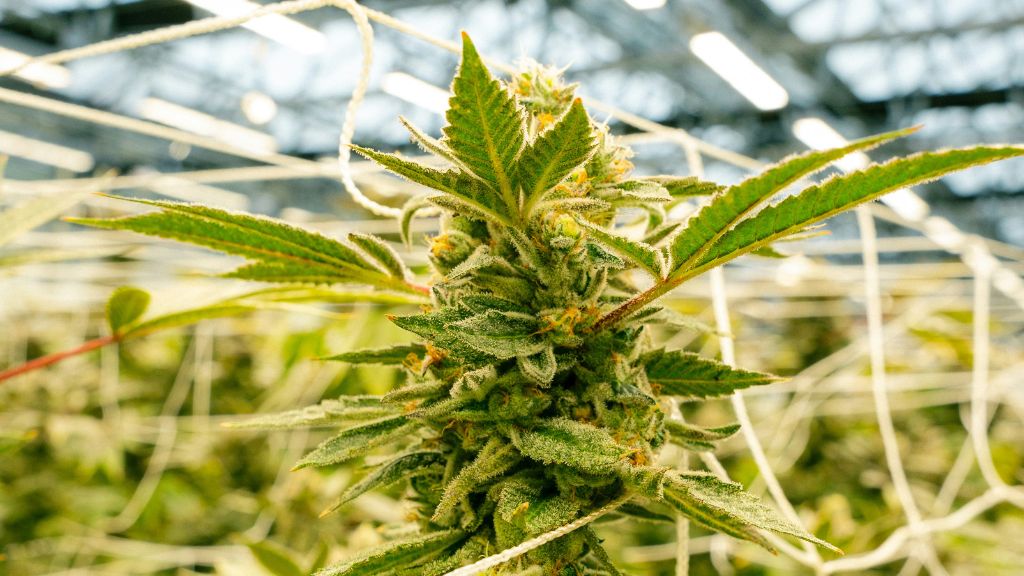
Each of the four licensed cultivators is restricted to 1,250 flowering plants at any given time. With an estimated two harvests per year, the total state output is approximately 10,000 harvestable plants annually. Industry experts suggest that this level of production may be insufficient to serve the projected patient population, which is estimated to reach 20,000 at launch and could eventually scale to 60,000 based on the experiences of neighboring states like Colorado.
In April 2026, the MCC granted a critical variance to one of the licensed cultivators, allowing for a slight adjustment in their grow plan to ensure the first harvest is ready by October 1, 2026. Without this variance, the cultivator’s representative, Michael Johnson, testified that planting would have been pushed into 2027, further delaying patient access.
The Statutory Overhaul: Deep Dive into LB 1235
The passage of LB 1235 in April 2026 marked a pivotal shift in the long-term governance of the industry. The bill, which included an emergency clause for immediate implementation, was necessary to provide the MCC with the legal teeth to manage the 12-district dispensary rollout.
Transition to Licensure and Seed-to-Sale Tracking
LB 1235 officially replaces the initial “registration” framework with a comprehensive “licensure” system. This gives the commission the exclusive authority to regulate not just cultivation and sale, but also transportation, manufacturing, and testing of medical cannabis. A key provision of the bill is the mandate for a centralized seed-to-sale tracking system, ensuring that every gram of cannabis produced in the state is accounted for from the moment of planting to the final transaction at a dispensary.
| Provision of LB 1235 | Statutory Impact | Implication for Future Applicants |
| Change to Licensure | Enables background checks and disciplinary actions. | Increased scrutiny on owner criminal and financial history. |
| Mandatory Registry | Requires a confidential patient and caregiver database. | Legal protection is contingent on registry enrollment. |
| Fee Schedule | Allows fees up to $25,000 for establishments. | Higher startup costs compared to the 2025 cycle. |
| Practitioner Directory | Mandates a public list of authorized doctors. | Facilitates patient access to state-approved providers. |
| Local Approval | Requires certification from local health/county boards. | Zoning and local political support are now mandatory. |
The bill also addresses the fiscal sustainability of the MCC by establishing a dedicated cash fund. This fund, supported by application and license fees, ensures the commission has the resources to hire an executive director and necessary staff without relying entirely on general state appropriations.
The Practitioner Immunity Crisis: LB 933 and the Access Gap
One of the most significant unresolved issues in the Nebraska market as of April 2026 is the lack of explicit legal protections for healthcare practitioners. While Initiative 437 allows patients to possess cannabis with a recommendation, many Nebraska doctors have been unwilling to sign these certifications for fear of retaliation from the Attorney General or the Department of Health and Human Services (DHHS).
Legislative Bill 933 (LB 933) was introduced to provide immunity for doctors, ensuring they would not face arrest, prosecution, or professional disciplinary action solely for recommending medical cannabis. However, the bill faced intense opposition and was eventually stalled in the legislature in mid-April 2026. Advocates like Bill Hawkins of the Nebraska Hemp Company have warned that without these protections, no in-state doctors will sign up through the commission, rendering the 12 licensed dispensaries effectively useless.
The “Preponderance of Evidence” Amendment
The failure of LB 933 was largely due to a series of amendments that sought to restrict doctor recommendations to those based strictly on a “preponderance of current scientific evidence”. This high bar, coupled with the state’s refusal to protect out-of-state recommendations for in-state dispensary purchases, has created a “bottleneck” that threatens the viability of the retail sector before it even opens.
Market Projections: The Road to 2027
As Nebraska enters the second quarter of 2026, the focus has shifted from cultivation to the licensing of the remaining links in the supply chain: manufacturing, transportation, and retail.
The Judicial District Dispensary Model
The MCC is preparing to open applications for 12 exclusive dispensary licenses, which will be awarded on a merit basis with a strict limit of one license per judicial district. This model ensures geographic distribution across the state but creates intense competition in high-population districts like Omaha (District 4) and Lincoln (District 3).
| Market Tier | Estimated Application Window | Operational Start Date | Key Competitive Factor |
| Manufacturing | Q2 2026 | Q4 2026 | Pharmaceutical processing capability. |
| Transportation | Q2 2026 | Q4 2026 | Logistical security and district coverage. |
| Dispensary | Q3 2026 | Q1 2027 | Patient care model and local zoning. |
| Retail Launch | N/A | Spring 2027 | Availability of processed product. |
The 4-year residency requirement remains the most formidable barrier to entry. At least 51% of ownership must be held by U.S. citizens who have lived in Nebraska for at least four consecutive years. For many prospective applicants, this necessitates the formation of local partnerships and joint ventures to meet the threshold while still securing the necessary out-of-state capital and technical expertise.
Legal Challenges and Federal Rescheduling
The Nebraska market is operating in a unique legal “gray zone.” Unlike most other states with medical cannabis programs, Nebraska was notably absent from the January 2026 update of the federal list of states where the Justice Department is forbidden from pursuing enforcement against state-licensed operators. This lack of congressional protection, combined with Attorney General Mike Hilgers’ continued hostility toward the program, creates a heightened risk profile for investors.
However, the federal environment is also shifting. On April 22, 2026, the DEA issued a Final Order moving state-licensed medical marijuana to Schedule III. This move is expected to have profound implications for the Nebraska market, potentially opening the door for DEA-registered researchers to source from state licensees and providing a mechanism for federal tax relief for cannabis businesses under IRS Code 280E.
The 2026 Universal Adult Access Ballot Initiative
While the medical market matures, a parallel effort is underway to legalize universal adult access. Bill Hawkins and the Nebraska Hemp Company have filed a constitutional amendment for the November 3, 2026, ballot. This measure, consisting of a single sentence, would establish a constitutional right for all persons 21 years of age or older to use “all plants in the genus Cannabis”.
To qualify for the ballot, proponents must collect signatures from 10% of registered voters by July 3, 2026. If successful, this initiative would fundamentally reshape the state’s restrictive framework, likely overriding the current ban on smokable flower and the strict plant limits imposed by the MCC.
Next Steps: Contact Catalyst BC to Start Work On Your Nebraska Cannabis Market Entry Strategy
The Nebraska medical cannabis industry through April 2026 is defined by a dichotomy of voter enthusiasm and regulatory restraint. For prospective applicants in the upcoming dispensary and manufacturing rounds, the window for preparation is closing. The transition to the LB 1235 licensure model means that the state will demand a level of operational sophistication and financial transparency that exceeds many previous standards.
The failure of several high-profile applicants in the 2025 cultivation round serves as a warning: technical perfection and deep local roots are the only path to licensure in Nebraska. The commission’s focus on pharmaceutical-grade production and clinical patient care models means that “standard” cannabis business plans will likely fall short of the required 70-point threshold.
Navigating this high-stakes environment requires more than just capital; it requires a strategic partner who understands the nuances of Nebraska’s judicial district model, the 4-year residency mandate, and the complex zoning restrictions that define the state’s urban centers.
Catalyst BC has been at the forefront of the Nebraska cannabis movement since its inception. Our team of consultants brings over 60 years of combined experience in securing licenses across highly competitive, limited-license markets. We specialize in the development of merit-based applications that go beyond mere compliance, focusing on operational readiness, precision facility design, and residency-compliant ownership structures.
As Nebraska approaches the first harvest in October 2026 and the critical dispensary licensing windows of the summer, don’t leave your future to chance. Secure your place as a pioneer in one of the nation’s most exclusive cannabis markets. Contact Catalyst BC today for a personalized consultation to ensure your application meets the highest standards of the Nebraska Medical Cannabis Commission and is positioned for long-term success in the 2026-2027 rollout.
Success Stories: See How Catalyst BC Has Helped Cannabis Businesses Enter and Lead the Market
From initial startup and facility build-outs to high-value exit strategies, our cannabis consultants provide the expertise needed to navigate the complexities of the legal cannabis industry.

Nebraska Cannabis Licensees and Applicants Also Ask:
Ownership entities must ensure that at least 51% of their equity is held by natural persons who are U.S. citizens and have been established residents of Nebraska for at least four consecutive years prior to the application date.
LB 1235 shifted the state from a registration model to a formal licensure model. It granted the commission broader powers over testing and transportation, mandated a centralized seed-to-sale tracking system, and established a confidential patient registry that is now required for legal protection.
Sales are limited to non-smokable, non-vapeable pharmaceutical forms. These include oral tablets and capsules, tinctures, oils, topical creams, transdermal patches, and suppositories. Raw flower and traditional “palatable” edibles remain strictly prohibited.
No. Nebraska law strictly prohibits an individual or entity from holding more than one type of facility license. You must choose between being a cultivator, a product manufacturer, a dispensary, or a transporter.
The state is capped at 12 dispensary licenses. To ensure statewide access, the commission is issuing only one license per Judicial District.
As of April 2026, LB 933, which would have provided explicit immunity for doctors recommending cannabis, has stalled in the legislature. While patients can legally possess cannabis with a recommendation, many in-state doctors remain hesitant to participate due to a lack of professional protection.
The commission granted a variance in April 2026 that should allow the first successful harvest to be ready by October 1, 2026. However, processing into sellable forms may take additional time.
Each of the four licensed cultivators is restricted to a maximum of 1,250 flowering plants at any given time. This is intended to prevent oversupply but has raised concerns about patient access and affordability.
Yes. All cannabis establishments must maintain a minimum 1,000-foot buffer from schools, churches, hospitals, child care centers, and substance-use treatment facilities.
If passed, the constitutional amendment would establish a right for adults 21+ to use cannabis, likely overriding many of the current medical program’s restrictions, including the ban on smokable flower and the narrow plant counts.
Additional Resources
Free eBooks For Cannabis Business Success




Latest Articles
- How Much Does It Cost to Open a Cannabis Dispensary in 2026
 The allure of jumping into the legalized cannabis industry often paints a picture of quick riches and burgeoning demand, yet the reality of establishing a licensed cannabis dispensary is far more nuanced, capital-intensive, and fraught with unique financial challenges. For aspiring entrepreneurs and seasoned investors alike, understanding the true dispensary startup costs is the absolute bedrock of success.
 - Virginia Cannabis Facility Design & Build-Out for the 2027 Market
 This guide covers the major considerations involved in planning and building a Virginia cannabis facility, with a focus on retail and cultivation operations and additional considerations relevant to processors and microbusinesses. It is written from the build side of the business, because that is where many otherwise-strong applicants stumble: they underestimate utility needs, local approvals, security infrastructure, commissioning, and the time required to convert a site into an inspection-ready operation.
 - Virginia Dual-Use Cannabis Conversion (2027): The $10M Medical-to-Adult-Use Pathway
 For Virginia’s existing medical cannabis operators, the 2026 retail framework created a distinct and high-stakes transition: pharmaceutical processors may apply for verification to exercise dual-use privileges and serve both registered medical patients and adult-use customers. The pathway covers the processor and its permitted cannabis dispensing facilities, and it carries a one-time $10 million fee, a required medical cannabis program preservation plan, an impact-licensee business accelerator commitment, and a firm May 1, 2027 payment or installment-plan deadline.
 - Virginia Impact Cannabis License (2027): Social Equity & the Equity Business Loan Fund
 Virginia’s adult-use cannabis framework creates a meaningful pathway for applicants from communities and backgrounds affected by cannabis prohibition and enforcement. The law does not create a separate, stand-alone impact license. Instead, it creates an impact-licensee designation that qualifying applicants may pursue alongside an underlying marijuana establishment license, such as retail, cultivation, processing, microbusiness, transportation, delivery, or testing.
 - Virginia Cannabis Microbusiness License (2027): Eligibility & the Two-Location Model
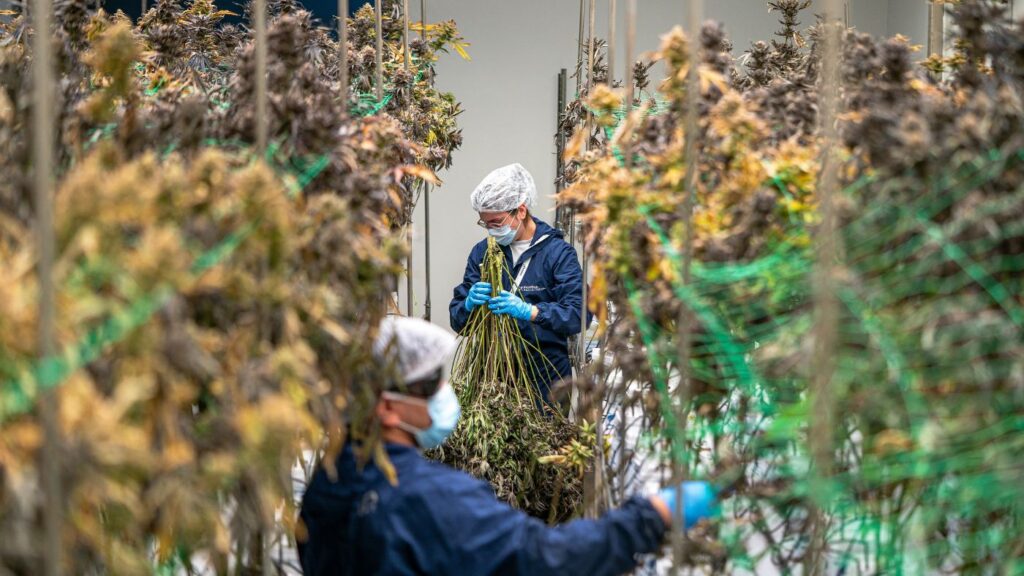 This guide explains the initial eligibility pathways for the licenses the CCA may issue by May 1, 2027, the difference between a microbusiness license and an impact designation, the indoor and outdoor cultivation limits, the precise rules governing two locations, and the financial, security, and operational readiness standards applicants should prepare to demonstrate. Several implementation details – including fees and the specific combination of privileges the CCA will authorize – still depend on forthcoming regulations.
 - Virginia Cannabis Cultivation License (2027): The Tiered System Explained
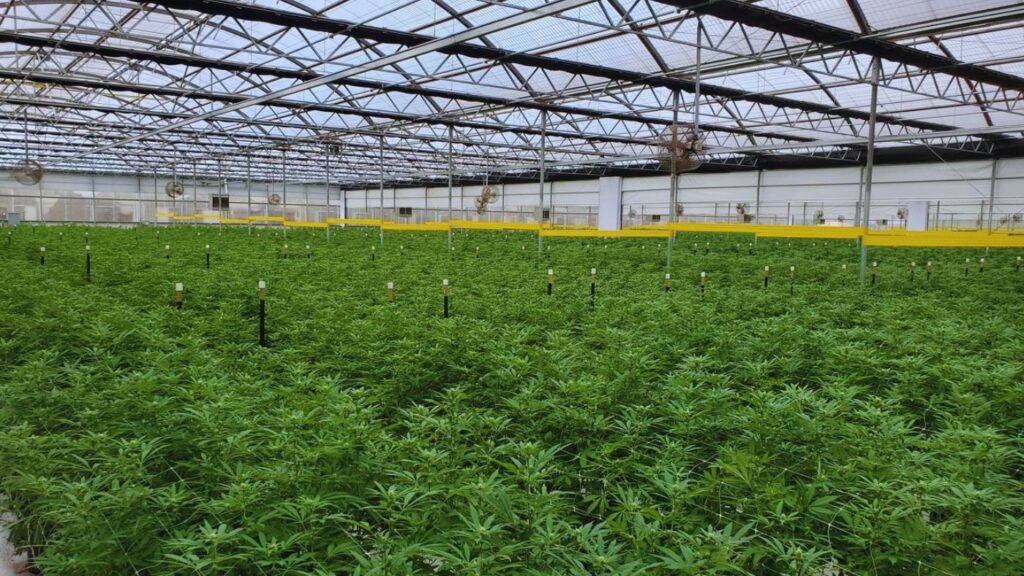 For operators whose strength is growing cannabis, Virginia’s emerging adult-use market presents a significant opportunity – and a cultivation license is the gateway to it. The June 2026 framework authorizes the Virginia Cannabis Control Authority (CCA) to begin accepting license applications on or after February 1, 2027 and issuing licenses on or after May 1, 2027. It also establishes five cultivation tiers with maximum canopies ranging from 5,000 to 35,000 square feet.