

Estimated reading time: 11 minutes
Table of contents
- Overview
- Technical Due Diligence & The Utility Infrastructure Gap
- Engineering for Compliance: The Regulatory Matrix
- Tech Interoperability: The “Nervous System” of the Buildout
- Environmental Control & Odor Mitigation Sovereignty
- Financial Fiduciary: Shielding Against the “Cannabis Tax”
- The “Handover to Revenue”: Final Commissioning
- Next Steps: Contact Catalyst BC For a No-Obligation Consultation On Owner’s Rep Services For Your Cannabis Business
- Success Stories: See How Catalyst BC Has Helped Cannabis Businesses Enter and Lead the Market
- Cannabis Licensees and Business Owners Also Ask:
- Additional Resources
- Free eBooks For Cannabis Business Success
- Latest Articles
Cliff Notes: The critical functions of an Owner’s Rep for Cannabis Dispensary Buildout
Objective: Understand how a specialized Owner’s Representative for cannabis dispensary buildout acts as the owner’s essential advocate, mitigating critical risks, controlling costs, and guaranteeing regulatory compliance for a successful cannabis retail project launch.
Key Components:
- Risk Mitigation: The Rep’s primary function is to prevent catastrophic delays and license denials by ensuring the dispensary construction adheres to all unique state and local regulatory compliance mandates.
- Cost Control: Through expert bid-leveling and rigorous change order vetting, the Owner’s Representative protects the owner’s capital investment from hidden costs and scope creep during the entire buildout.
- Security Integration: A key focus is overseeing the installation of complex, regulated security systems, including vaults, high-resolution CCTV, and access control, to meet state-specific operational requirements.
- Pre-Commissioning Audits: The Rep conducts mock inspections to test the facility against the state’s final checklist, guaranteeing the cannabis retail project is ready for licensing sign-off on the first try.
- Coordination Hub: The Owner’s Representative serves as the single point of contact for architects, engineers, the General Contractor, and specialized cannabis technology vendors.
- Time-to-Market: Expertise in the cannabis dispensary buildout process accelerates the schedule by managing long-lead items and regulatory timelines, ensuring faster revenue generation.
- Compliance Documentation: The Rep organizes all required construction and inspection documents, creating the necessary audit trail for final operating license approval of the cannabis retail project.
Start Your Project with Confidence Don’t let the complexity of regulatory compliance and specialized security delay your profitable cannabis dispensary buildout. Catalyst BC provides a specialized Owner’s Rep for your cannabis dispensary buildout with a proven track record of delivering licensed, on-budget, cannabis retail projects. Contact us today to schedule your complimentary project consultation and ensure your dispensary is built right – the first time.
Editors Notes: Originally published November 2025 last fully updated May 2026.
Overview
In the cannabis retail landscape of 2026, the era of “opening at any cost” has ended. As capital markets remain disciplined and consumer margins tighten, the difference between a profitable dispensary and a “zombie project” is determined during the buildout phase. Navigating this environment requires more than a general contractor; it requires a fiduciary advocate – an Owner’s Representative – who operates at the intersection of high-stakes retail, complex MEP (Mechanical, Electrical, Plumbing) engineering, and fluctuating state regulatory mandates.
An expert Owner’s Rep acts as the “General” for your investment, ensuring that your facility isn’t just built, but is licensed, optimized, and generating revenue on Day One.
Technical Due Diligence & The Utility Infrastructure Gap
In 2026, the primary cause of project failure isn’t licensing – it’s utility capacity. Many prime “Green Zone” locations are in aging industrial or commercial corridors with insufficient electrical infrastructure for modern dispensary needs.
- Advanced Load Calculations: Modern dispensaries are tech-heavy, requiring massive power for high-density server racks, AI-surveillance arrays, and sophisticated HVAC-D (Dehumidification) systems. We conduct “Day Zero” utility audits to determine if the site requires a transformer upgrade – a hidden cost that can exceed $150k and add six months to a timeline.
- The “Entitlement” Strategy: Beyond basic zoning, we manage Community Benefit Agreements (CBAs) and local political maneuvering. By aligning the buildout’s aesthetic and operational plans with local community standards, we preemptively mitigate the risk of late-stage injunctions or municipal “moratorium” traps.
Engineering for Compliance: The Regulatory Matrix
Compliance is no longer a checklist; it is an engineering standard. We translate ambiguous state mandates into hard architectural specifications that prevent “Paper Compliance” failures during the final state audit.
- Structural Vault Engineering: We oversee the implementation of 12-gauge security mesh, reinforced structural slabs, and UL-listed vault doors. We ensure these high-security zones are integrated with Seed-to-Sale (S2S) hardware for real-time, automated inventory auditing.
- Zero-Trust Access Logic: We design customer journeys that satisfy “High-Touch” retail experiences while maintaining “Zero-Trust” security protocols. This includes the strategic placement of dual-factor biometric scanners and anti-passback logic in restricted employee zones.
Tech Interoperability: The “Nervous System” of the Buildout
A common 2026 failure point is “System Siloing,” where security, POS, and environmental controls operate on conflicting platforms. An Owner’s Rep ensures a unified Technical Stack.
- AI-Enhanced Surveillance Ecosystems: We oversee the deployment of 4K/8K cameras equipped with AI-driven behavior analytics. This ensures 100% coverage of “Points of Access” and “Points of Sale” with the 120-day data retention often required by state commissions.
- Cyber-Physical Integration: The Rep ensures your NVR (Network Video Recorder) and server infrastructure are housed in climate-controlled, high-security IDF (Intermediate Distribution Frame) rooms with redundant power (UPS) and automated cloud-failover protocols.
Environmental Control & Odor Mitigation Sovereignty
As municipal “nuisance” ordinances become more aggressive, odor control is now a primary licensing hurdle.
- HVAC-D & Carbon Scrubbing: We ensure the MEP engineers specify medical-grade carbon filtration and negative air pressure zones. This prevents “Odor Seepage” into neighboring businesses, a common cause for “Cease and Desist” orders post-opening.
- Product Longevity Controls: Beyond compliance, we oversee the environmental commissioning of display and storage areas. Precise humidity and temperature control protect the terpene profiles of your inventory – directly impacting your bottom line.
Financial Fiduciary: Shielding Against the “Cannabis Tax”
Contractors often apply a “premium” to cannabis projects. We utilize Technical Bid-Leveling to expose hidden costs and ensure you are paying fair market value for specialized labor.
- Proactive Change Order Mitigation: By vetting every RFI (Request for Information) through the lens of a cannabis expert, we prevent “Scope Creep.” We act as the final gatekeeper, ensuring every dollar spent is a dollar that contributes to licensing or revenue.
- Fiduciary Cost Modeling: We segregate “Hard Construction Costs” from “Owner-Direct Costs” (FF&E, POS, Security). This provides investors with a transparent, “to-the-penny” view of the project’s financial health.
The “Handover to Revenue”: Final Commissioning
The final 10% of a project is where the most capital is lost to delays. We drive the project through the “Commissioning Phase” to ensure a seamless transition to the operations team.
Operational Integration: We coordinate the “hand-off” to your retail staff, ensuring they are trained on the physical security protocols, the “Seed-to-Sale” physical workflows, and the emergency fail-safe systems.
The Mock State Audit: Before the official inspector arrives, we conduct an exhaustive “Pre-Commissioning Audit.” We test every sensor, verify every camera angle, and ensure the “As-Built” drawings are ready for the state commission.
Next Steps: Contact Catalyst BC For a No-Obligation Consultation On Owner’s Rep Services For Your Cannabis Business
The complexities of a 2026 cannabis buildout leave no room for trial and error. Whether you are a multi-state operator or a social equity applicant, your project requires a partner who understands that compliance is the foundation of profitability. At Catalyst BC, our Owner’s Rep services are led by industry veterans like Leif Olsen, Michael Williamson, and Ian Miller, who bring decades of high-stakes cannabis project leadership to your buildout. We don’t just manage contractors; we safeguard your capital and accelerate your path to revenue.
Contact us today to engage an expert Owner’s Representative who will ensure your dispensary is licensed, secure, and ready for launch.
Success Stories: See How Catalyst BC Has Helped Cannabis Businesses Enter and Lead the Market
From initial startup and facility build-outs to high-value exit strategies, our cannabis consultants provide the expertise needed to navigate the complexities of the legal cannabis industry.
Cannabis Licensees and Business Owners Also Ask:
By parallel-tracking “long-lead” procurement (custom vault doors, HVAC) with the permitting phase, we typically slash weeks off the timeline, allowing for earlier market entry.
GCs treat security as a sub-task. An Owner’s Rep treats it as a licensing gate. We ensure technical specs (FPS, retention, resolution) meet the Commission’s standards, not just the building code.
We review engineering drawings early to prevent the “Mid-Project Upgrade” trap, where owners are surprised by $100k+ utility infrastructure fees mid-buildout.
We act as a “Force Multiplier,” providing the high-level technical expertise needed to manage tight capital and ensure every dollar is focused on licensing and immediate profitability.
We oversee the sync between surveillance, access control, and S2S software. This prevents “data silos” that can lead to major compliance violations during a state audit.
Yes. Aggressive 2026 “nuisance” laws mean a lack of carbon scrubbing can lead to a shutdown. We ensure these systems are engineered-in, not “bolted on” as an afterthought.
The optimal time is immediately after securing the license or a site. Early engagement allows the Owner’s Rep for Cannabis Dispensary Buildout to conduct proper site feasibility studies, manage zoning approvals, and integrate Dispensary security system integration oversight directly into the architectural design, setting the project up to fast-track dispensary construction schedule from day one.
The Cannabis store construction representative acts as a quality control manager, conducting regular site inspections and comparing the work against the approved plans and specifications. This diligence ensures the materials, finishes, and security installations align with both the owner’s aesthetic goals and the critical regulatory compliance demands of the cannabis retail facility project.
A specialized Rep understands the unique pressures and risks, such as Dispensary security system project lead demands, the nuances of Cannabis retail project management services, and the financial imperative of preventing opening delays cannabis dispensary. They bring industry-specific knowledge that mitigates the high risks inherent in a heavily regulated retail sector, ensuring a smooth, compliant path to market.
Additional Resources
Free eBooks For Cannabis Business Success




Latest Articles
- How Much Does It Cost to Open a Dispensary in 2026?
 The allure of jumping into the legalized cannabis industry often paints a picture of quick riches and burgeoning demand, yet the reality of establishing a licensed cannabis dispensary is far more nuanced, capital-intensive, and fraught with unique financial challenges. For aspiring entrepreneurs and seasoned investors alike, understanding the true dispensary startup costs is the absolute bedrock of success.
 - Virginia Cannabis Facility Design & Build-Out for the 2027 Market
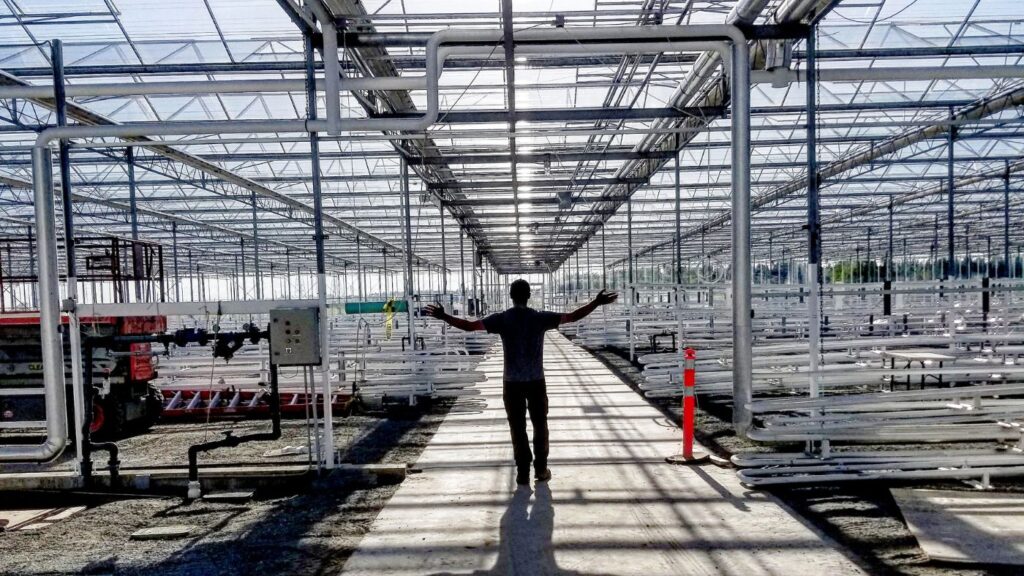 This guide covers the major considerations involved in planning and building a Virginia cannabis facility, with a focus on retail and cultivation operations and additional considerations relevant to processors and microbusinesses. It is written from the build side of the business, because that is where many otherwise-strong applicants stumble: they underestimate utility needs, local approvals, security infrastructure, commissioning, and the time required to convert a site into an inspection-ready operation.
 - Virginia Dual-Use Cannabis Conversion (2027): The $10M Medical-to-Adult-Use Pathway
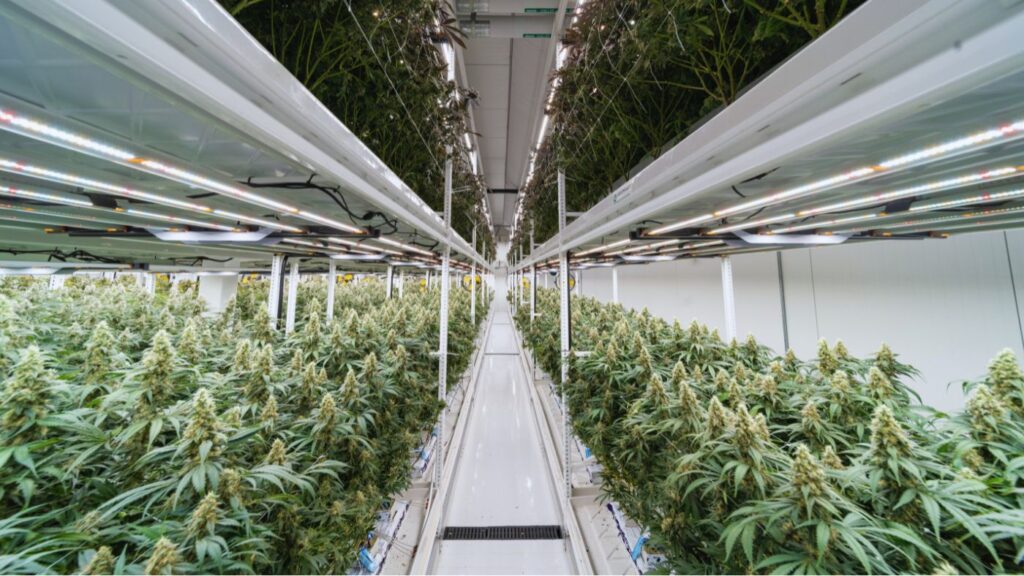 For Virginia’s existing medical cannabis operators, the 2026 retail framework created a distinct and high-stakes transition: pharmaceutical processors may apply for verification to exercise dual-use privileges and serve both registered medical patients and adult-use customers. The pathway covers the processor and its permitted cannabis dispensing facilities, and it carries a one-time $10 million fee, a required medical cannabis program preservation plan, an impact-licensee business accelerator commitment, and a firm May 1, 2027 payment or installment-plan deadline.
 - Virginia Impact Cannabis License (2027): Social Equity & the Equity Business Loan Fund
 Virginia’s adult-use cannabis framework creates a meaningful pathway for applicants from communities and backgrounds affected by cannabis prohibition and enforcement. The law does not create a separate, stand-alone impact license. Instead, it creates an impact-licensee designation that qualifying applicants may pursue alongside an underlying marijuana establishment license, such as retail, cultivation, processing, microbusiness, transportation, delivery, or testing.
 - Virginia Cannabis Microbusiness License (2027): Eligibility & the Two-Location Model
 This guide explains the initial eligibility pathways for the licenses the CCA may issue by May 1, 2027, the difference between a microbusiness license and an impact designation, the indoor and outdoor cultivation limits, the precise rules governing two locations, and the financial, security, and operational readiness standards applicants should prepare to demonstrate. Several implementation details – including fees and the specific combination of privileges the CCA will authorize – still depend on forthcoming regulations.
 - Virginia Cannabis Cultivation License (2027): The Tiered System Explained
 For operators whose strength is growing cannabis, Virginia’s emerging adult-use market presents a significant opportunity – and a cultivation license is the gateway to it. The June 2026 framework authorizes the Virginia Cannabis Control Authority (CCA) to begin accepting license applications on or after February 1, 2027 and issuing licenses on or after May 1, 2027. It also establishes five cultivation tiers with maximum canopies ranging from 5,000 to 35,000 square feet.