

Estimated reading time: 8 minutes
Table of contents
Cliff Notes: New Mexico cannabis lounge license overview
Objective: Understand the process of obtaining and operating a legal cannabis consumption lounge in New Mexico, including licensing requirements, operational rules, and compliance considerations
Key Components:
- Two License Types Available: New Mexico offers Type I (non-smoking) and Type II (smoking allowed) On-Site Consumption Area licenses through the Cannabis Control Division (CCD).
- Basic Eligibility Required: Applicants must be 21+, a U.S. citizen or qualified immigrant, with no recent felony drug convictions.
- Online Portal for Applications: Licensing is managed through the NM-PLUS portal, requiring ownership info, disclosures, floor plans, and security plans.
- Local Permits Are Crucial: Applicants must secure city-level zoning, development, or health permits before applying to the state.
- Operational Limits Enforced: No cannabis retail sales allowed in lounges; patrons must consume cannabis on site, and nothing can leave the premises.
- Ventilation for Type II is Mandatory: Smoking lounges must meet Indoor Clean Air Act standards, including certified air filtration plans.
- Compliance is Ongoing: Operators must maintain entry logs, adhere to strict health and signage rules, and keep cannabis handling separate from alcohol operations.
Ready to launch a compliant, profitable cannabis lounge in New Mexico? Catalyst BC brings unmatched experience in cannabis licensing, zoning, engineering, and operations to help you navigate the CCD process with confidence. From ventilation plans to municipal approvals, our New Mexico cannabis consultants ensure you meet every requirement and avoid costly delays. Learn more about our New Mexico cannabis consulting services or contact us today to start your cannabis lounge venture with a trusted consulting partner by your side.
Introduction
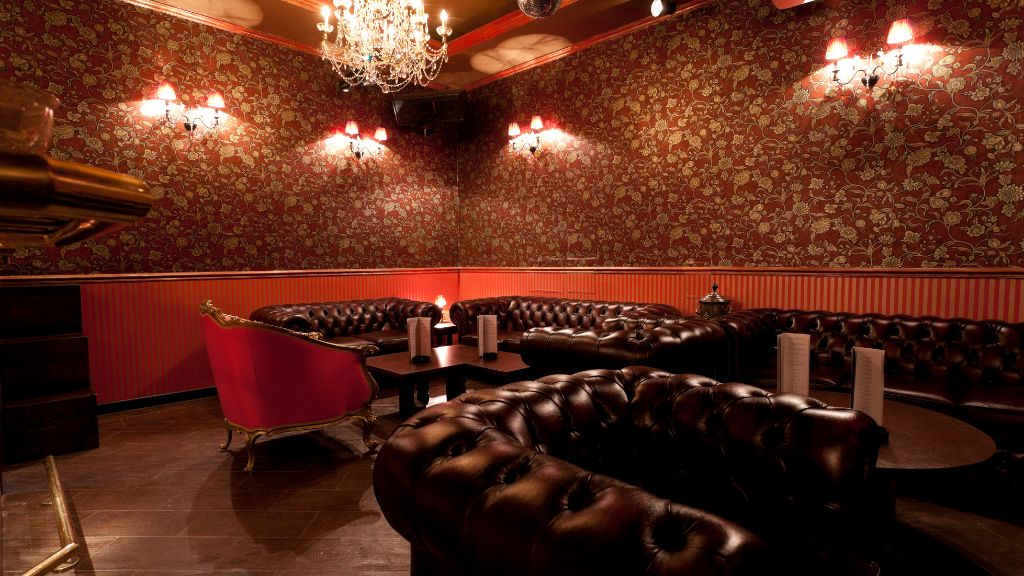
New Mexico’s Cannabis Regulation Act (2021) explicitly authorizes On-Site Consumption Area licenses (often called “consumption lounge” permits) under the NM Cannabis Control Division (CCD). The CCD issues two types of permits: Type I (non-smoking, edibles/vapor) and Type II (smoking allowed). A consumption area license lets a venue legally serve non-infused snacks/beverages and allow consumption of cannabis products by patrons age 21+. These can be standalone lounges or add-ons to other licensees (e.g. a dispensary or restaurant that obtains a consumption license).
How to Apply
Meet Pre-requisites
Any applicant must be 21+, U.S. citizen or qualified immigrant, and have a clean record (no recent felony drug convictions). Business entities register with the Secretary of State. Note: If you’re tying this to a retail business, ensure you hold or have applied for that license first.
Register on CCD Portal
New Mexico uses the NM-PLUS portal (as of 2023) for all cannabis licensing. Create an account, select “Marijuana Consumption Area License” under Adult-Use. The application will require: ownership info, financial disclosures, proposed location, and which type (I or II) you seek.
Local Approval
Obtain any local development or health permits before applying. Some cities require a special use permit for consumption; others may have zoning restrictions on new cannabis venues. Also secure a Food Service License if you will prepare food.
Submit Application and Fees
The CCD application involves a fee (Type I is lower than Type II). For example, NM ccdev has indicated $2,500 for Type I and $5,000 for Type II (as of 2023). Attach your plans: a floor plan showing the consumption area, employee training plan, and security plan. For a Type II (smoking allowed) license, you must include ventilation/air filtration details.
Inspections
The CCD will inspect to confirm separation of consumption area and compliance with ventilation codes. Once satisfied, they’ll issue the license and you may open once local inspections (fire, sanitation) are complete.
Operational Requirements
- Consumption areas must be indoors and operated like restaurants.
- Employees must hold a separate “cannabis server permit” (like bartenders) to roll joints or serve products.
- Signage warning about secondhand smoke (if smoking is allowed) and health advisories must be posted.
- Customers cannot bring their own cannabis into a Type I area (no smoking), only Type II allows brought-in product for smoking/vaping. Either way, nothing can leave the lounge – patrons must finish all cannabis on site.
- No retail sales of cannabis products are permitted from a consumption license (they must be purchased off-site or from a partnered retailer).
Compliance Challenges
New Mexico’s rules have been in effect since 2022, but enforcement is ramping up.
- Make sure to separate your consumption lounge from any retail or manufacturing zones per local code
- If you have a Type II license, remember the Indoor Clean Air Act requires “smoking rooms” to meet building-code ventilation standards (you may need an engineer’s stamp on your plans).
- Recordkeeping is critical: logs of customer entry/exit and product served must be kept for two years.
- Coordinate with the Alcohol and Gaming Division (since they still oversee liquor) to clarify that adding cannabis won’t jeopardize any liquor license (they often treat them like separate spaces).
Why Hire a New Mexico Cannabis Consultant?
Opening a cannabis lounge in New Mexico requires more than just passion. It demands precise planning, regulatory knowledge, and operational foresight. From submitting your CCD application to ensuring your Type II lounge meets Indoor Clean Air Act standards, every step matters. That’s where Catalyst BC’s cannabis consultants comes in.
With our deep expertise in cannabis licensing and compliance, we guide you through zoning challenges, engineering requirements, and public health regulations so you can focus on launching a successful, community-approved cannabis venue.
Don’t risk delays or denials. Partner with Catalyst BC and move forward with confidence. Learn more about our New Mexico cannabis consulting services or contact us today to get started.
New Mexico Cannabis Lounge FAQs
It lets an establishment have a designated space for on-site cannabis use by adults 21+. The CCD issues Type I (no inhalation) and Type II (inhalation allowed) permits.
Often yes. New Mexico typically requires consumption lounges to be affiliated with a dispensary or manufacturing site (Type I lounges can exist with restaurants too). The law says applicants must “fulfill all requirements of a cannabis retailer”, so plan for a dual license structure or a partnership.
License fees are up to $2,500 for Type I and $5,000 for Type II (as per CCD fee schedule). There are also registration fees and annual renewal fees.
Only 21+. Employees, staff, and adults with a valid form of ID. Expect to show ID at entry, much like a bar or club.
Yes – food and non-alcoholic beverages are allowed. If you want to serve on-site prepared food, you need a NM health department food license too. No alcohol service is permitted in a New Mexico cannabis lounge.
Yes. Staff need a server permit issued by CCD to serve or handle cannabis. CCD requires training on topics like intoxication signs and product types.
Only in your Type II consumption lounge. Public smoking outside of these areas remains banned. Hotels and cafes are not automatically allowed to permit cannabis use unless licensed.
NM law allows home cultivation/use for residents. Consumption lounges are extra-legal spaces meant to accommodate tourists or consumers who can’t consume at home (like visitors or renters).
Definitely. New Mexico’s “consumption area” rules have many details. Catalyst BC’s NM cannabis consultants can help assemble your CCD application and ensure your lounge meets all regulatory criteria.
Navigating the cannabis lounge space is complex—one misstep can delay your opening or jeopardize your license. A specialized New Mexico Cannabis Consultant brings deep regulatory knowledge, operational best practices, and hands-on project management.
From initial concept and licensing to grand opening and ongoing compliance, Catalyst BC’s end-to-end New Mexico Cannabis Consulting services ensure you launch faster, stay compliant, and maximize profitability.
Additional Resources
Free eBooks For Cannabis Business Success




Latest Articles
- How Much Does It Cost to Open a Dispensary in 2026?
 The allure of jumping into the legalized cannabis industry often paints a picture of quick riches and burgeoning demand, yet the reality of establishing a licensed cannabis dispensary is far more nuanced, capital-intensive, and fraught with unique financial challenges. For aspiring entrepreneurs and seasoned investors alike, understanding the true dispensary startup costs is the absolute bedrock of success.
 - Virginia Cannabis Facility Design & Build-Out for the 2027 Market
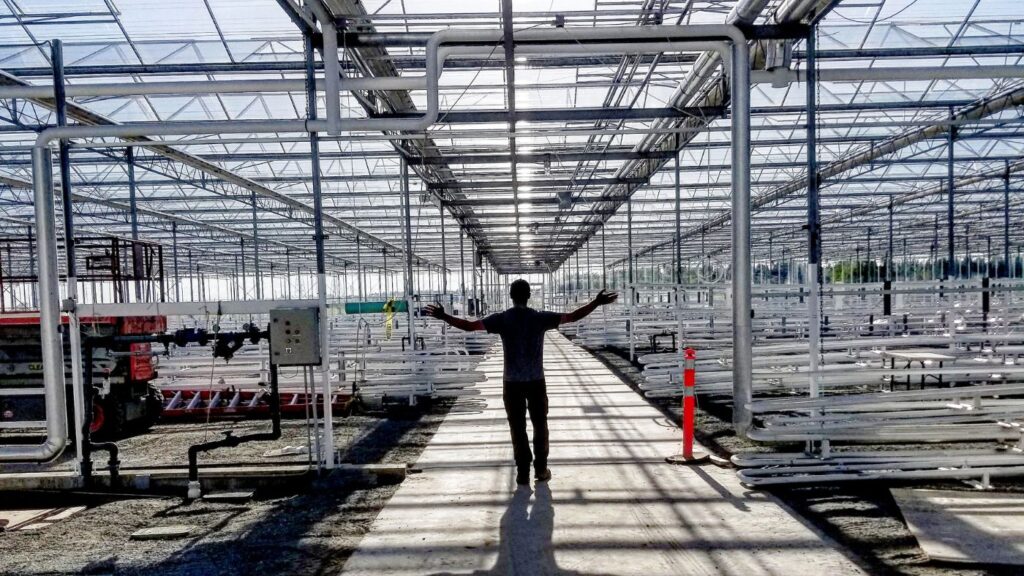 This guide covers the major considerations involved in planning and building a Virginia cannabis facility, with a focus on retail and cultivation operations and additional considerations relevant to processors and microbusinesses. It is written from the build side of the business, because that is where many otherwise-strong applicants stumble: they underestimate utility needs, local approvals, security infrastructure, commissioning, and the time required to convert a site into an inspection-ready operation.
 - Virginia Dual-Use Cannabis Conversion (2027): The $10M Medical-to-Adult-Use Pathway
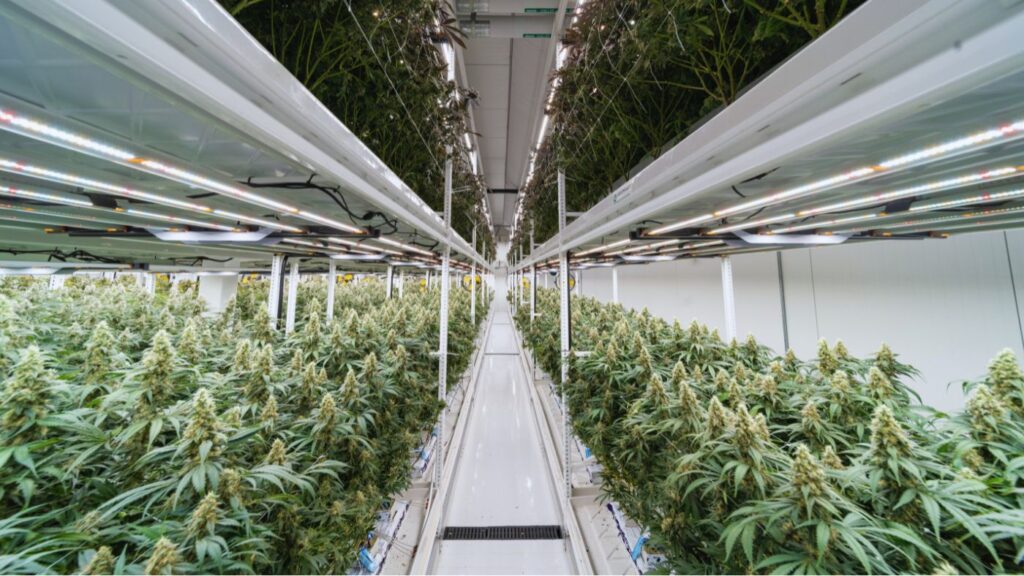 For Virginia’s existing medical cannabis operators, the 2026 retail framework created a distinct and high-stakes transition: pharmaceutical processors may apply for verification to exercise dual-use privileges and serve both registered medical patients and adult-use customers. The pathway covers the processor and its permitted cannabis dispensing facilities, and it carries a one-time $10 million fee, a required medical cannabis program preservation plan, an impact-licensee business accelerator commitment, and a firm May 1, 2027 payment or installment-plan deadline.
 - Virginia Impact Cannabis License (2027): Social Equity & the Equity Business Loan Fund
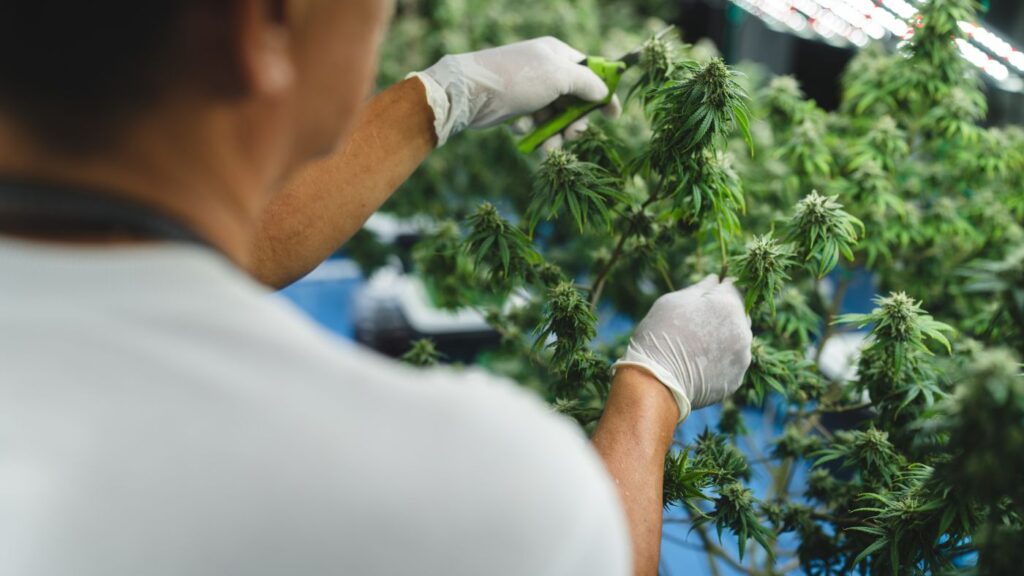 Virginia’s adult-use cannabis framework creates a meaningful pathway for applicants from communities and backgrounds affected by cannabis prohibition and enforcement. The law does not create a separate, stand-alone impact license. Instead, it creates an impact-licensee designation that qualifying applicants may pursue alongside an underlying marijuana establishment license, such as retail, cultivation, processing, microbusiness, transportation, delivery, or testing.
 - Virginia Cannabis Microbusiness License (2027): Eligibility & the Two-Location Model
 This guide explains the initial eligibility pathways for the licenses the CCA may issue by May 1, 2027, the difference between a microbusiness license and an impact designation, the indoor and outdoor cultivation limits, the precise rules governing two locations, and the financial, security, and operational readiness standards applicants should prepare to demonstrate. Several implementation details – including fees and the specific combination of privileges the CCA will authorize – still depend on forthcoming regulations.
 - Virginia Cannabis Cultivation License (2027): The Tiered System Explained
 For operators whose strength is growing cannabis, Virginia’s emerging adult-use market presents a significant opportunity – and a cultivation license is the gateway to it. The June 2026 framework authorizes the Virginia Cannabis Control Authority (CCA) to begin accepting license applications on or after February 1, 2027 and issuing licenses on or after May 1, 2027. It also establishes five cultivation tiers with maximum canopies ranging from 5,000 to 35,000 square feet.