

Estimated reading time: 10 minutes
Table of contents
- Introduction
- Regulatory Foundations
- Surveillance Camera Strategies
- Alarm & Intrusion Detection
- Access Control & Visitor Management
- Secure Inventory Storage
- Security Personnel & Patrols
- Risk Assessment & Vulnerability Testing
- Cybersecurity for Digital Assets
- Emergency Preparedness & Crisis Management
- Ongoing Monitoring & Continuous Improvement
- Next Steps
- Cannabis Lounge Security FAQs
- Additional Resources
- Free eBooks For Cannabis Business Success
- Latest Articles
Cliff Notes: Cannabis Lounge Security: Best Practices & Tips
Objective:
Whether required by regulation or chosen as a best practice, understand the benefits of implementing a comprehensive cannabis lounge security program through a variety of protocols.
Key Components:
- Security is non-negotiable in cannabis consumption lounges due to on-site use and regulatory scrutiny.
- State requirements include CCTV coverage, alarms, access logs, and staff controls.
- Camera systems must avoid blind spots, have 1080p+ resolution, night vision, and 30–90 days of footage retention.
- Alarm systems with motion detection, panic buttons, and real-time monitoring are essential after hours.
- Access control tools like electronic locks and visitor badges prevent unauthorized entry.
- Inventory must be stored securely in reinforced, monitored vaults with regular audits.
- Trained security personnel are often required, with documented patrols and emergency readiness.
- Cybersecurity protocols like network segmentation and encryption help protect data.
- Emergency plans should cover medical, fire, and disaster response, plus business continuity.
- Ongoing improvement through quarterly audits and training helps maintain compliance and readiness.
Catalyst BC provides cannabis security consultant support for security assessments, implementation, and compliance management. Explore our services or contact us today for a Complimentary Consultation.
Introduction
Security is the backbone of any cannabis operation particularly consumption lounges, where on-site use amplifies risk. From 24/7 surveillance to controlled access points, a comprehensive security program protects guests, staff, inventory, and your license. Catalyst BC’s Cannabis Consulting security specialists deliver turnkey assessments and implementation plans, ensuring your lounge meets or exceeds all regulatory and best-practice standards.
Regulatory Foundations
Every state sets minimum security requirements for cannabis venues. Common mandates include:
- Closed-circuit television (CCTV): Continuous recording covering entrances, POS areas, storage rooms, and consumption zones.
- Alarm systems: Monitored intrusion and panic alarms linked to local law-enforcement or private central stations.
- Access logs: Electronic or manual recording of all staff and vendor entries into sensitive areas.
Interpreting and applying these rules to your unique floor plan can be complex. Catalyst BC addresses this challenge by creating a tailored security compliance matrix that aligns your lounge’s layout with state and local regulations. This step eliminates ambiguity and ensures your design team and operations staff are always working within compliant parameters.
Surveillance Camera Strategies
An effective CCTV network balances coverage and resolution without blind spots:
- Camera placement: Over all transaction counters, seating clusters, storage vaults, and entry/exit points.
- Technical specs: Minimum 1080p resolution, infrared/night-vision capability, and timestamped footage.
- Data retention: Many states require at least 30–90 days of continuous recording stored in a secure, off-site location.
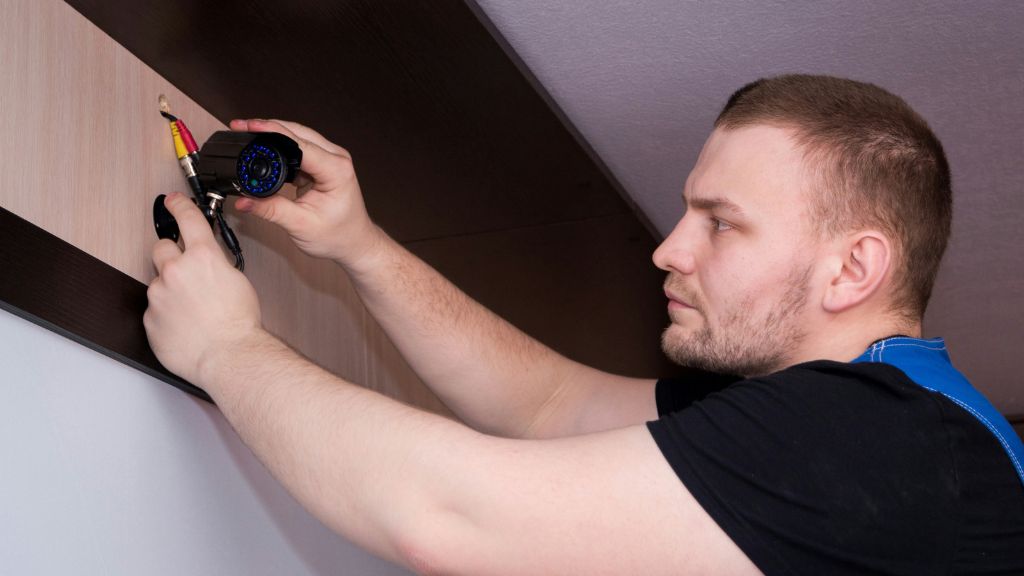
Our security consultants team takes the guesswork out of placement and performance by designing detailed camera layout schematics. These schematics include recommendations for high-definition (1080p+) devices, night-vision capability, and compliance with mandated retention periods—ensuring your system captures crucial footage and stores it securely.
Alarm & Intrusion Detection
Beyond cameras, active intrusion detectors safeguard your premises after hours:
- Perimeter sensors: Door/window contacts, motion detectors, and glass-break sensors.
- Panic buttons: Discreetly located at POS stations and manager offices for emergency alerts.
- Central monitoring: 24/7 signal reporting to ULC-listed or equivalent monitoring centers.
Surveillance is only one piece of the puzzle. Real-time alarm and intrusion detection systems are vital for after-hours protection. Catalyst BC collaborates with cannabis-compliant alarm integrators to deploy layered solutions, including motion sensors, glass-break detectors, and panic buttons. These systems are designed to minimize false alarms while ensuring fast law enforcement response when needed, giving you peace of mind even when your doors are closed.
Access Control & Visitor Management
Controlling who enters which areas is critical to both safety and compliance:
- Electronic locks: Keycards or fobs for staff; timed unlock schedules for shifts.
- Visitor badges: Temporary badges for vendors and contractors, recorded in an access-log database.
- Anti-tailgating measures: Mantraps or turnstiles at vault or back-office entries.
Effective access control goes beyond who gets in—it’s about knowing when and where they go. Our cannabis consultants can assist in integrating electronic access systems with your HR and point-of-sale tools, automating staff credentials and visitor logs. This approach streamlines entry management, ensures compliance with restricted-area rules, and prevents unauthorized access to sensitive spaces like vaults or staff-only corridors.
Secure Inventory Storage
On-site consumption lounges may hold limited inventory (edibles, pre-rolls, vape cartridges). Secure storage must include:
- Reinforced vaults or safes: UL-listed or equivalent, bolted to floor or walls.
- Segregated storage areas: Separate from public access, with CCTV and access controls.
- Inventory reconciliation: Daily audits comparing physical counts to POS reports.
Our team helps design compliant storage zones using reinforced safes, vaults, and CCTV-monitored rooms separate from public areas. We can also establish daily inventory audit protocols to reconcile POS data with physical product counts, helping you maintain control, reduce shrinkage, and pass inspections with confidence.
Security Personnel & Patrols
In many jurisdictions, armed or unarmed security guards are mandatory during operating hours and after hours:
- Guard licensing: Ensure personnel hold state security-guard licenses and cannabis-specific training certificates.
- Patrol routes: Scheduled interior and exterior perimeter patrols, with activity logs.
- Incident response: Written protocols for handling theft, medical emergencies, or disgruntled patrons.
Whether required by regulation or chosen as a best practice, security guards are critical to lounge safety. Vet and partner with cannabis-trained security providers to deliver licensed personnel experienced in hospitality-focused cannabis environments. We can help define optimal guard deployment schedules, patrol routes, and incident-reporting protocols to keep your lounge safe, welcoming, and compliant.
Risk Assessment & Vulnerability Testing
Security systems must be tested, not just trusted. Catalyst BC cannabis consultants can conduct full-spectrum security audits, including physical walkthroughs, mock intrusions, and policy reviews. These assessments uncover hidden vulnerabilities and inform a prioritized remediation plan—complete with cost estimates and vetted vendor recommendations—so you can continuously strengthen your defenses.
A security program is only as strong as its weakest point. Periodic risk assessments uncover blind spots including:
- Physical security audit: Review of locks, fences, lighting, and CCTV coverage.
- Penetration testing: Simulated intrusion attempts to test staff response and system resilience.
- Policy review: Ensuring SOPs remain current with evolving regulations and emerging threats.
Cybersecurity for Digital Assets
Modern lounges rely on networked POS, cameras, and scheduling systems—making them targets for cyber threats:
- Network segmentation: Isolate POS and surveillance networks from guest Wi-Fi.
- Encryption & firewalls: End-to-end encryption for video streams and firewall rules restricting external access.
- Access logging: Monitor administrative logins and unusual data transfers.
Mitigate these threats by coordinating with IT security partners to implement firewalls, encrypt communication, and isolate operational networks from public access. This ensures guest data, sales records, and surveillance feeds remain secure from hackers and internal threats alike.
Emergency Preparedness & Crisis Management
Incidents aren’t limited to theft. From medical emergencies to fire evacuations, cannabis lounges must have robust crisis protocols. Catalyst BC develops comprehensive emergency response plans tailored to your space and staff size, including on-site naloxone kits, CPR training schedules, evacuation routes, and business continuity strategies.
Beyond theft and intrusion, your lounge must be ready for a variety of medical emergencies, fire, or natural disasters:
- Medical-response plan: On-site naloxone kits (where permitted), staff CPR/first-aid training, and EMS contact protocols.
- Evacuation drills: Regularly scheduled fire drills with documented attendance.
- Business-continuity planning: Backup power, data redundancy, and off-site off-boarding procedures for inventory.
Ongoing Monitoring & Continuous Improvement
Security planning doesn’t end after installation. We suggest quarterly system audits, access reviews, and staff training refreshers as part of our long-term consulting packages. These routine check-ins help you stay ahead of evolving threats and changing regulations—ensuring your lounge remains a secure and trusted destination in the cannabis hospitality landscape.
- Quarterly CCTV footage reviews and door-access audits
- Annual risk-assessment updates reflecting regulatory changes
- Biannual staff refresher training on new threats and protocols
Next Steps
As the cannabis hospitality space continues to evolve, so do the threats and responsibilities that come with running a consumption lounge. Security is more than just checking a regulatory box—it’s about protecting your guests, your license, and your brand reputation. From high-definition surveillance to trained personnel and cyber-resilient networks, every layer of protection contributes to a safer, more professional environment.
At Catalyst BC, our cannabis consultants specialize in designing and implementing turnkey security strategies that go beyond compliance to deliver real-world peace of mind. Whether you’re planning your lounge from the ground up or refining an existing setup, we’re here to help you build a secure, compliant, and welcoming space for your customers.
Ready to take the next step? Partner with cannabis security consultant from Catalyst BC to assess your risks, enhance your protections, and future-proof your cannabis lounge security.
Explore our cannabis consulting services or contact us today for a Complimentary Consultation.
Cannabis Lounge Security FAQs
Coverage of all entrance/exits, retail counters, consumption zones, and storage areas—typically 8–12 cameras for a 2,500 sq ft lounge. Our cannabis security consultants can provide minimums and recommended cameras and location placement based on your unique structure.
Most states mandate 30–90 days; Our Cannabis Consultants can assist in setting your NVR to meet or exceed the highest standard.
In many markets, yes—particularly for lounges with on-site inventory. Our cannabis security consultants can verify local guard-staffing regulations and guide you in staffing.
Only if cameras meet resolution and timestamp requirements; we specify compliant hardware to preserve evidentiary value.
Quarterly functional tests plus monthly panel status checks. We can assist in the scheduling and documentation of tests for audit trails.
Best practice is hardwired to the alarm panel; wireless backups can supplement but aren’t always code-compliant.
LED floodlights on exterior perimeters and illuminated signage reduce concealment zones—we can recommend optimal pole and wall-mount fixtures.
Implement immediate deactivation protocols, maintain a lost-fob register, and re-issue badges under controlled procedures.
Additional Resources
Free eBooks For Cannabis Business Success




Latest Articles
- How Much Does It Cost to Open a Cannabis Dispensary in 2026
 The allure of jumping into the legalized cannabis industry often paints a picture of quick riches and burgeoning demand, yet the reality of establishing a licensed cannabis dispensary is far more nuanced, capital-intensive, and fraught with unique financial challenges. For aspiring entrepreneurs and seasoned investors alike, understanding the true dispensary startup costs is the absolute bedrock of success.
 - Virginia Cannabis Facility Design & Build-Out for the 2027 Market
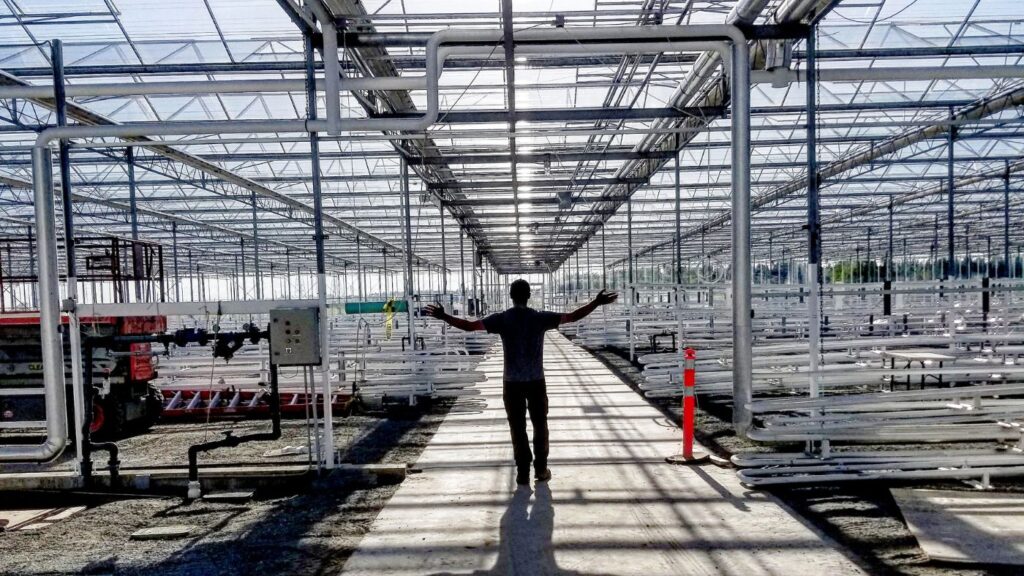 This guide covers the major considerations involved in planning and building a Virginia cannabis facility, with a focus on retail and cultivation operations and additional considerations relevant to processors and microbusinesses. It is written from the build side of the business, because that is where many otherwise-strong applicants stumble: they underestimate utility needs, local approvals, security infrastructure, commissioning, and the time required to convert a site into an inspection-ready operation.
 - Virginia Dual-Use Cannabis Conversion (2027): The $10M Medical-to-Adult-Use Pathway
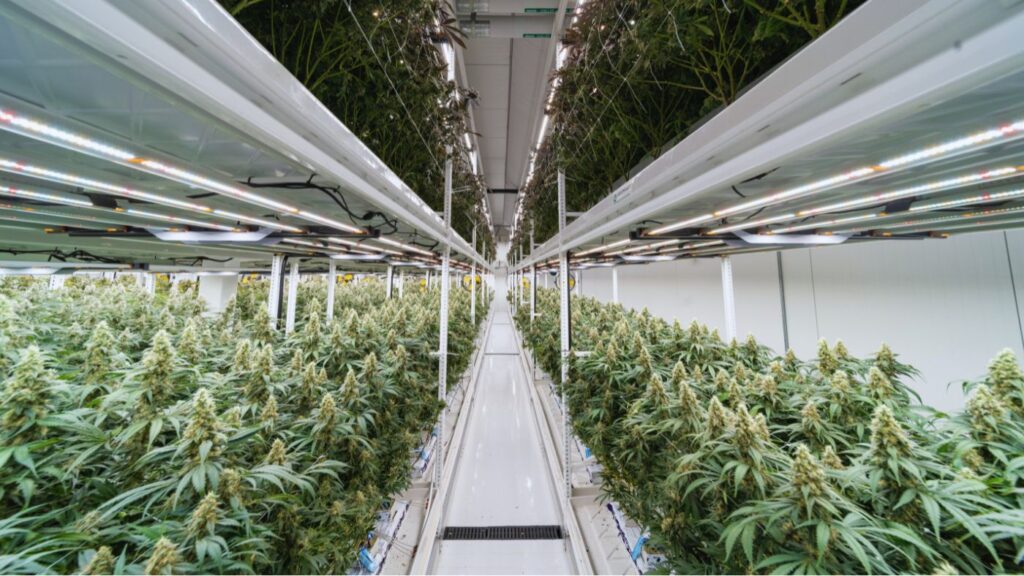 For Virginia’s existing medical cannabis operators, the 2026 retail framework created a distinct and high-stakes transition: pharmaceutical processors may apply for verification to exercise dual-use privileges and serve both registered medical patients and adult-use customers. The pathway covers the processor and its permitted cannabis dispensing facilities, and it carries a one-time $10 million fee, a required medical cannabis program preservation plan, an impact-licensee business accelerator commitment, and a firm May 1, 2027 payment or installment-plan deadline.
 - Virginia Impact Cannabis License (2027): Social Equity & the Equity Business Loan Fund
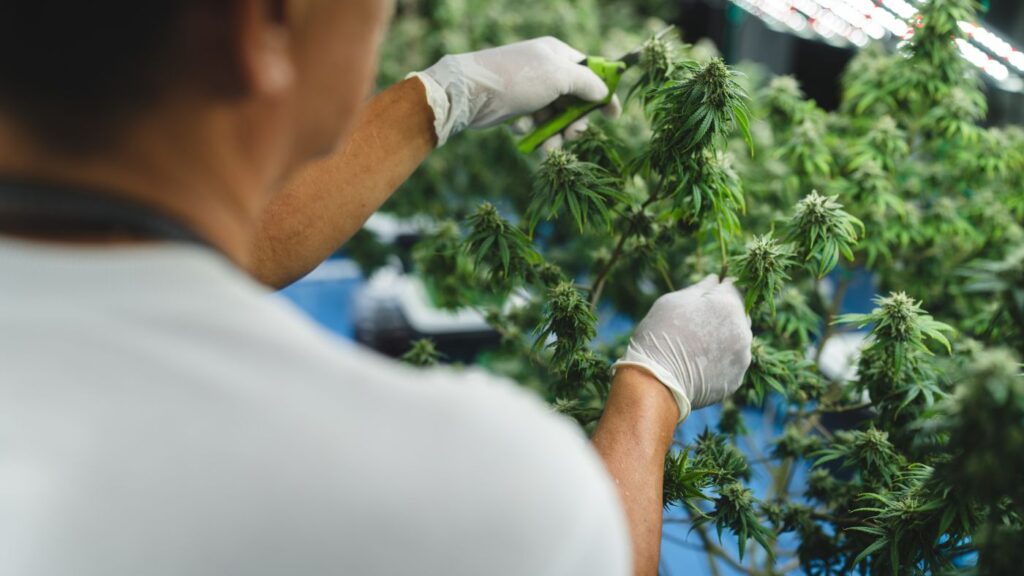 Virginia’s adult-use cannabis framework creates a meaningful pathway for applicants from communities and backgrounds affected by cannabis prohibition and enforcement. The law does not create a separate, stand-alone impact license. Instead, it creates an impact-licensee designation that qualifying applicants may pursue alongside an underlying marijuana establishment license, such as retail, cultivation, processing, microbusiness, transportation, delivery, or testing.
 - Virginia Cannabis Microbusiness License (2027): Eligibility & the Two-Location Model
 This guide explains the initial eligibility pathways for the licenses the CCA may issue by May 1, 2027, the difference between a microbusiness license and an impact designation, the indoor and outdoor cultivation limits, the precise rules governing two locations, and the financial, security, and operational readiness standards applicants should prepare to demonstrate. Several implementation details – including fees and the specific combination of privileges the CCA will authorize – still depend on forthcoming regulations.
 - Virginia Cannabis Cultivation License (2027): The Tiered System Explained
 For operators whose strength is growing cannabis, Virginia’s emerging adult-use market presents a significant opportunity – and a cultivation license is the gateway to it. The June 2026 framework authorizes the Virginia Cannabis Control Authority (CCA) to begin accepting license applications on or after February 1, 2027 and issuing licenses on or after May 1, 2027. It also establishes five cultivation tiers with maximum canopies ranging from 5,000 to 35,000 square feet.