
Estimated reading time: 5 minutes
Table of contents
- Indoor and Outdoor Cannabis Lounges in New Jersey
- Road Safety and Considerations
- Why Open a Social Lounge?
- Requirements and Diligence
- Final Steps for Opening a Social Lounge
- Additional Resources
- Consulting Services For Cannabis, Hemp, Psilocybin, and Natural Medicine
- Testimonials and Public Relations
- Latest Articles
- Explore Our Articles
- Free Ebook – Start Your Own Legal Cannabis Business
New Jersey’s evolving marijuana industry offers a unique twist: social lounges for cannabis consumption. Licensed cannabis retailers in the state will soon have the opportunity to open New Jersey social lounges, where medical cannabis patients and adults aged 21 and up can consume cannabis on-site. These cannabis consumption areas (CCAs) are designed similarly to hookah or cigar lounges, where patrons can either bring their own cannabis or purchase it from the retailer and consume it within the lounge.
However, to open a CCA, the business must have a retail license or medical cannabis dispensary license. Standalone CCAs are not permitted. Before opening a CCA, the local municipality where the lounge operates must approve it via an ordinance. This approval could be for adult recreational use, medical use, or both, within the jurisdiction.
The Cannabis Regulatory Commission and the local municipality must provide a joint endorsement to authorize the CCA’s operation. These endorsements are valid for one year, with yearly renewals required to maintain operations. CCAs must be enclosed within a solid barrier such as walls or windows, ensuring the lounge area is separate from the retail or dispensary space. This ensures patrons must pass through the retail establishment to access the CCA, keeping the two areas distinct.
Indoor and Outdoor Cannabis Lounges in New Jersey
CCAs can operate indoors in an enclosed area, with ventilation requirements similar to cigar lounges to manage smoke and vapor. Alternatively, outdoor cannabis lounges are allowed but must adhere to specific guidelines. Outdoor CCAs must be within the same licensed premises, with sufficient barriers to block cannabis consumption from public view. These outdoor spaces must also manage the migration of smoke and vapor into other public areas.
Patrons are not allowed to consume alcohol, nicotine, or tobacco in a CCA, but they may bring food from outside or have it delivered. Cannabis products can be taken out of the lounge as long as they are unconsumed and properly secured, much like patrons leaving a restaurant with a re-corked bottle of wine. Further details regarding CCA operations are expected with the upcoming regulations from the Cannabis Regulatory Commission.
Road Safety and Considerations
A significant concern surrounding the operation of New Jersey social lounges is road safety. After consuming cannabis in a lounge, patrons may not be able to safely drive, much like those leaving bars. Measuring marijuana impairment remains challenging, as field sobriety tests are subjective and THC levels do not directly correlate with impairment. Law enforcement faces difficulties in accurately assessing cannabis-induced impairment on the road. As such, many municipalities may implement ride-sharing programs or partner with taxis to ensure safe travel from CCAs.
Why Open a Social Lounge?
If cannabis retailers or medical dispensaries can secure the required endorsements for a New Jersey social lounge, they stand to create a highly valuable space. With the chance for patrons to sample and consume cannabis on-site, social lounges can drive traffic and increase sales. However, many municipalities will oppose the operation of CCAs due to concerns about safety and regulation, making a cannabis lounge a rare and potentially lucrative asset.
A New Jersey cannabis consumption lounge can differentiate your business from others in the market. Consider integrating unique elements like membership plans, rewards programs, and live music to enhance the social experience and generate excitement around your space.
Requirements and Diligence
Starting a New Jersey cannabis lounge requires a detailed plan. The application process is complicated, with many regulations that must be followed to successfully secure a license. As the state prepares to accept new applications for adult-use licenses in late 2021, now is the time to start planning.
Creating a robust plan, including your budgets, financial strategies, and funding sources, will be essential to submitting a competitive application. Additionally, you will need to identify a location in a municipality that supports adult-use cannabis sales and consumption areas. Many municipalities are already issuing moratoriums on cannabis establishments, so finding an approved site is becoming increasingly difficult.
Working closely with local government officials and regulatory agencies is crucial to ensuring support and approval for your CCA. Furthermore, building a team of experienced professionals, advisors, and operators will strengthen your case when applying for a state license.
Final Steps for Opening a Social Lounge
The journey to opening a New Jersey cannabis lounge is challenging, but with careful planning, it is possible to navigate the complex process. Some of the key components needed for your application include:
- Financial Plan
- Retail Plan
- Consumption Area Plan
- Community Engagement Plan
- Security Plan
- Risk-Management Plan
- Labor Peace Agreement
Contact us now to learn more about starting your New Jersey cannabis lounge and receive expert guidance on navigating the New Jersey licensing process.
Additional Resources
Consulting Services For Cannabis, Hemp, Psilocybin, and Natural Medicine
- Consulting Services Overview
- Business Strategy
- Financial Planning
- Cannabis, Hemp, Psilocybin, & Natural Medicine Licensing and Applications
- Facility Design
- StartUp Support
- Genetic Development
- Business Turnaround
- Operational Optimization
- Vertical Farming
- Controlled Environmental Agriculture (CEA)
- State and Country Services Directory
- Blog
- Home
Testimonials and Public Relations
Latest Articles
- Virginia Cannabis Facility Design & Build-Out for the 2027 Market
 This guide covers the major considerations involved in planning and building a Virginia cannabis facility, with a focus on retail and cultivation operations and additional considerations relevant to processors and microbusinesses. It is written from the build side of the business, because that is where many otherwise-strong applicants stumble: they underestimate utility needs, local approvals, security infrastructure, commissioning, and the time required to convert a site into an inspection-ready operation.
 - Virginia Dual-Use Cannabis Conversion (2027): The $10M Medical-to-Adult-Use Pathway
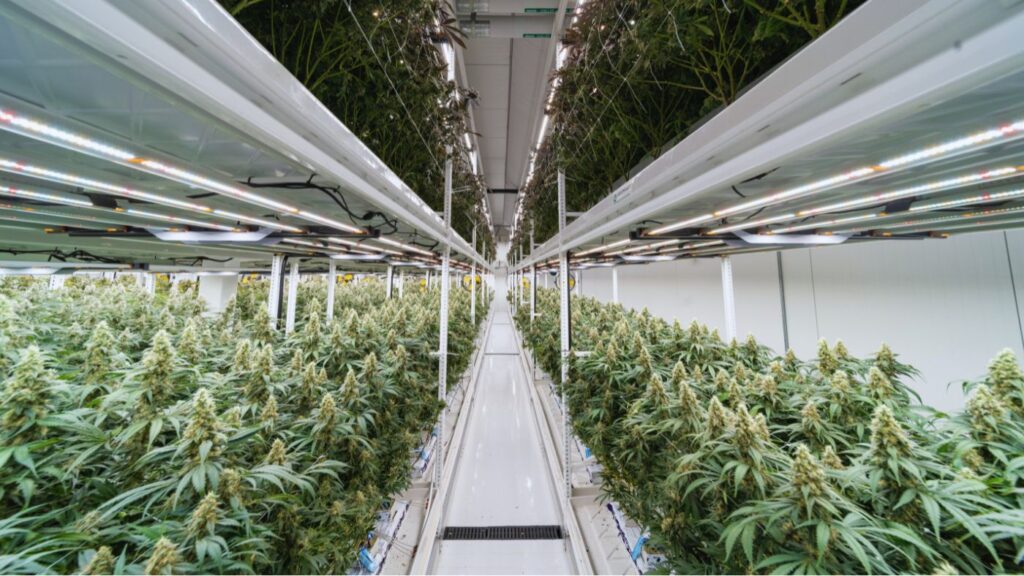 For Virginia’s existing medical cannabis operators, the 2026 retail framework created a distinct and high-stakes transition: pharmaceutical processors may apply for verification to exercise dual-use privileges and serve both registered medical patients and adult-use customers. The pathway covers the processor and its permitted cannabis dispensing facilities, and it carries a one-time $10 million fee, a required medical cannabis program preservation plan, an impact-licensee business accelerator commitment, and a firm May 1, 2027 payment or installment-plan deadline.
 - Virginia Impact Cannabis License (2027): Social Equity & the Equity Business Loan Fund
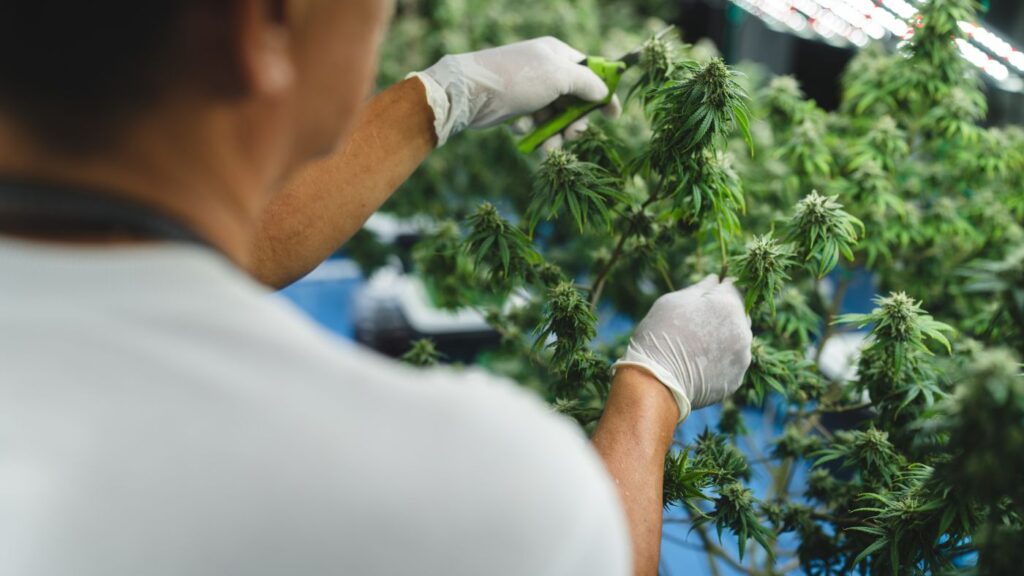 Virginia’s adult-use cannabis framework creates a meaningful pathway for applicants from communities and backgrounds affected by cannabis prohibition and enforcement. The law does not create a separate, stand-alone impact license. Instead, it creates an impact-licensee designation that qualifying applicants may pursue alongside an underlying marijuana establishment license, such as retail, cultivation, processing, microbusiness, transportation, delivery, or testing.
 - Virginia Cannabis Microbusiness License (2027): Eligibility & the Two-Location Model
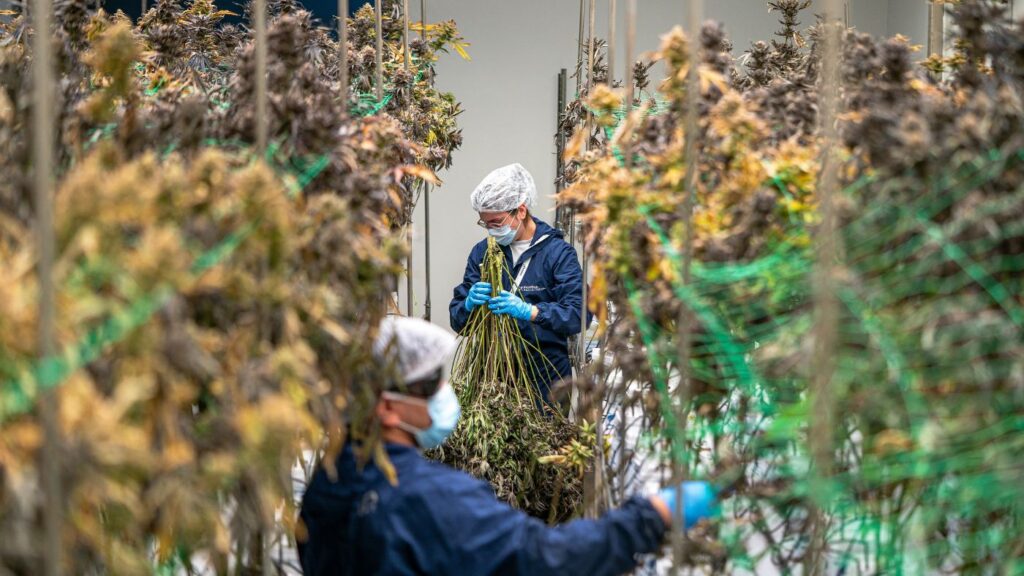 This guide explains the initial eligibility pathways for the licenses the CCA may issue by May 1, 2027, the difference between a microbusiness license and an impact designation, the indoor and outdoor cultivation limits, the precise rules governing two locations, and the financial, security, and operational readiness standards applicants should prepare to demonstrate. Several implementation details – including fees and the specific combination of privileges the CCA will authorize – still depend on forthcoming regulations.
 - Virginia Cannabis Cultivation License (2027): The Tiered System Explained
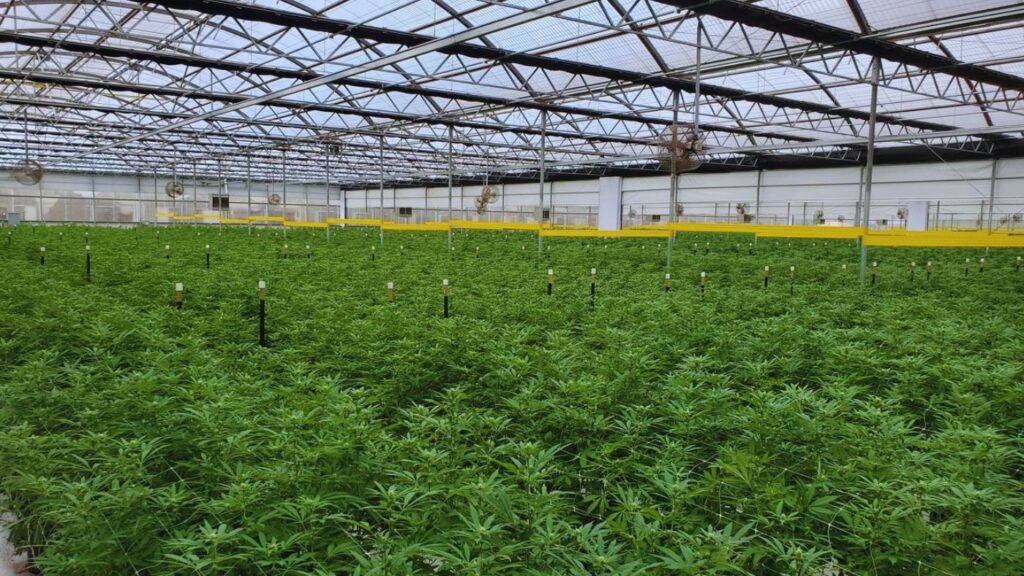 For operators whose strength is growing cannabis, Virginia’s emerging adult-use market presents a significant opportunity – and a cultivation license is the gateway to it. The June 2026 framework authorizes the Virginia Cannabis Control Authority (CCA) to begin accepting license applications on or after February 1, 2027 and issuing licenses on or after May 1, 2027. It also establishes five cultivation tiers with maximum canopies ranging from 5,000 to 35,000 square feet.
 - Virginia Cannabis Licensing (2027): The Complete Guide & License Resource Hub
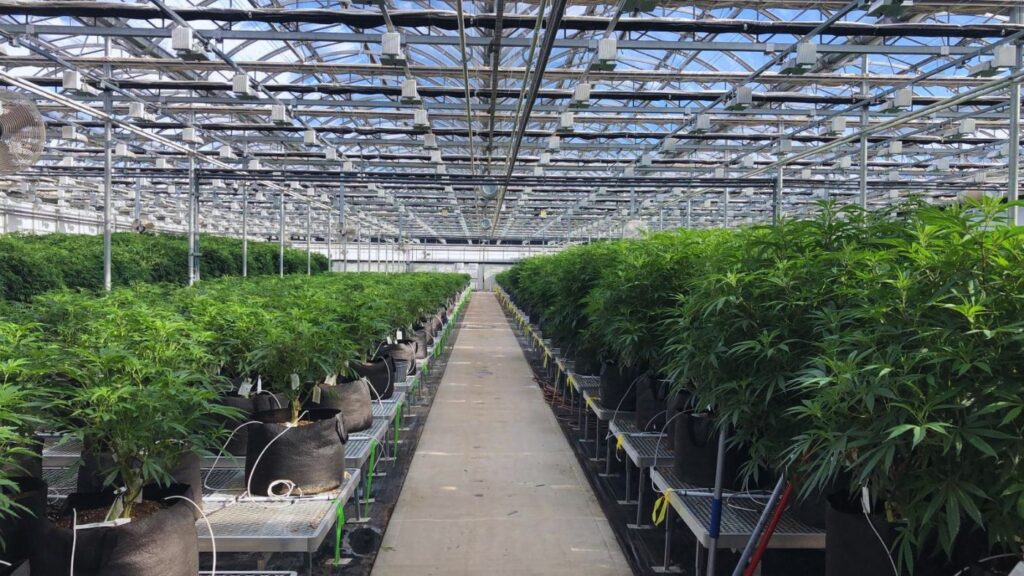 This guide is the hub for what you need to understand about Virginia cannabis licensing in 2027: how the Commonwealth arrived here, what the enacted framework establishes, the principal license types, the implementation timeline, and where to go deeper on each part of the process.
Explore Our Articles
cannabis applications Cannabis Bar Cannabis Business Optmization cannabis careers Cannabis Compliance Cannabis Consumption Cannabis Consumption Bar Cannabis Inventory Management Systems Cannabis Investors cannabis jobs Cannabis Legalization cannabis licensing Cannabis Lounge cannabis marketing Cannabis Operational Procedures cannabis outreach Cannabis Regulations Cannabis Security Cannabis Software Cannabis Startup Cannabis Supply Chain Cannabis Technology Colorado controlled environment agriculture Cultivation cultivation facility Dispensary Design facility design Financial Planning HVAC HVACD Iowa Kansas Legal Update Legislation Medical Cannabis Minnesota Natural Medicine Nebraska New York Odor Control Oregon Psilocybin Psychedelics Recreational Cannabis
Free Ebook – Start Your Own Legal Cannabis Business