
Estimated reading time: 12 minutes
Table of contents
Cliff Notes: Maryland Cannabis Lounge Rules (October 2026)
Objective: Know what Maryland requires of an on-site consumption lounge before the next licensing round opens.
Key Components:
- Status: The statute caps on-site consumption licenses at 50. The Maryland Cannabis Administration (MCA) has awarded none, expects to award them in its next licensing round, and has no date for that round.
- Notice: MCA says it will announce a round 60 calendar days before a 30-day application period opens.
- Local permit: A lounge may operate only where the county or municipality has issued a permit or license that expressly allows it.
- Who can apply: If the next round is a lottery under §36-404(g), on-site consumption applications are limited to social equity applicants.
- Ownership: Owners of an on-site consumption licensee may not own or control a grower, processor or dispensary.
- Consumption: No indoor smoking of cannabis and no tobacco smoking or vaping. Outdoor smoking and vaping are allowed unless the locality restricts them.
- Sales: Single servings only, bought on site. No bring-your-own cannabis, no take-out, no free samples and no alcohol.
- Staff: Cannabis agent training within 90 days of hire and at least every 2 years. On-duty staff may not consume.
- Fees: A $5,000 application fee and a $10,000 license fee that covers 5 years. Social equity licensees pay half the license fee.
Catalyst BC’s Maryland cannabis consultants help lounge applicants with local permits, ownership structure, site design and application preparation. Book a Maryland consultation.
Updated October 4, 2026. Checked against Maryland Code §36-407, COMAR 14.17.06.10 and the Maryland Cannabis Administration’s published guidance.
Short answer: Maryland law allows up to 50 on-site consumption licenses statewide, but none has been awarded and no application round is open. A Maryland cannabis lounge will need a county or municipal permit that expressly allows it. It can sell only single servings bought on the premises, and it may not allow indoor smoking, alcohol, or bring-your-own cannabis.
Where Maryland Cannabis Lounge Licensing Stands in 2026
Maryland’s 2023 Cannabis Reform Act created the on-site consumption license, a license to operate premises where adults 21 and older consume cannabis bought on site. The statute caps the license at 50 statewide (§36-401(d)(4)), and the license does not allow cultivation (§36-407(c)(2)).
No Maryland cannabis lounge is licensed yet, according to MCA. Its Cannabis Policy FAQs (version 8, October 15, 2025) state that no on-site consumption licenses have been awarded and that MCA expects to award them in its next licensing round. The same FAQ says MCA has no date for that round: it must first evaluate the first-round awards, then conduct outreach, then announce the round 60 calendar days before the 30-day application period begins. As of October 4, 2026, MCA’s laws and regulations page announces no round.
The 50-license cap is a ceiling, not a round size. The statute’s second-round license lists (§36-404(f)(1), (g)(1)) name no on-site consumption number, so how many lounge licenses the next round will offer is undefined.
Two recent laws changed the lounge rules. Chapter 120 of 2025 (SB 215) limited on-site consumption applications to social equity applicants when a round is run as a lottery under §36-404(g), and let counties and municipalities set lounge hours. Chapter 375 of 2026 replaced responsible vendor training with a cannabis agent training program, effective July 1, 2026.
The operating rules come from two sources: §36-407 of the statute and MCA’s regulation COMAR 14.17.06.10, adopted July 22, 2024 and not amended since. The two differ on processing, suppliers and ownership; where they differ, this guide gives both.
Licensing Pathway
No application can be filed today, but most of the work can be done now. Once MCA announces a round, applicants have 60 days’ notice and a 30-day window, which is too little time to settle ownership, line up a local permit and plan a site from scratch. A compliant business plan built around the five steps below shortens that work.
1. Confirm Your Local Permit
A Maryland lounge may operate only if the county or municipality has issued a permit or license that expressly allows it (§36-407(a)(3); COMAR 14.17.06.10B). Local governments may ban lounges, restrict smoking or vaping, set zoning rules and set hours (§36-407(b)). Those powers are limited by §36-405: a locality may not impose zoning that unduly burdens a licensee, or fees or requirements disproportionately greater or more burdensome than those on other businesses with a similar impact. Ask your county or municipality whether it has adopted an on-site consumption permit, then choose a lounge location within it.
2. Check Eligibility and Ownership
If the next round is a lottery under §36-404(g), on-site consumption applications are limited to social equity applicants (§36-404(g)(3)). The statute’s social equity ownership threshold dropped from 65% to 55% under Chapter 416 of 2026 (§36-101). COMAR’s definition (14.17.01.01, item 48) still says 65%; MCA’s September 16, 2026 informal draft regulations would change it to 55%.
Ownership limits are strict. A person who owns or controls an on-site consumption licensee may not own or control a grower, processor or dispensary (§36-401(e)(3)(i)). The statute allows one person to hold up to two on-site consumption licensees (§36-401(e)(2)(iii); §36-407(k)). COMAR 14.17.06.10D is broader: it bars an on-site consumption owner from any ownership interest in any other cannabis license. COMAR 14.17.06.10I also bars every other licensee, including dispensaries, from allowing consumption on its premises.
3. Budget for Fees and Prepare the Application
The application fee is $5,000 (§36-403(c)(2); COMAR 14.17.21.02A(1)). The license fee is $10,000 and covers 5 years (COMAR 14.17.21.02B(1)(e), B(3)). Social equity licensees have the license fee cut by 50% (COMAR 14.17.21.02B(4)).
MCA’s published FAQs and guidance include no application requirements specific to on-site consumption; expect them with the round announcement. Its rule for moving a lounge shows what MCA asks of a site: local approval, legal control of the premises and zoning compliance (COMAR 14.17.06.10G). Those documents, plus ownership disclosures, can be assembled now.
4. Design the Build-Out
Plan the lounge layout with no indoor smoking room: the license allows smoking only outdoors (§36-401(c)(4)), and only if the locality does not restrict it. Consumption and product displays must not be visible from outside the premises (§36-407(h)(2)). A lounge that serves food must first obtain local building and mechanical permits and a use and occupancy certificate (§36-407(d)).
5. Staff and Train Your Team
Every employee must complete a cannabis agent training program within 90 days of starting and at least once every 2 years (§36-407(h)(1), as amended by Chapter 375 of 2026). State law requires this training, not a “server permit”, and no liquor license applies because alcohol is prohibited. Train staff to check that every patron is 21 or older, to refuse service to visibly intoxicated patrons, and to build a single-serving menu; on-duty employees may not consume.
Operational Requirements
These are the rules a licensed Maryland lounge must follow once it opens. Each is in the statute or COMAR today; MCA’s published guidance documents include none specific to lounges. The sales tax rate is set by Tax-General §11-104(k), and COMAR 14.17.12.05 names on-site consumption establishments among the businesses whose sales tax collection MCA helps the Comptroller enforce.
| Topic | Rule | Source |
|---|---|---|
| Smoking | No indoor smoking of cannabis. The license covers outdoor smoking, vaping and other consumption; the locality may prohibit or restrict smoking or vaping. | §36-401(c)(4); §36-407(a)(2), (b)(2), (g)(6) |
| Tobacco | No smoking or vaping of tobacco on the premises. | §36-407(g)(4) |
| What is sold | Single servings only. The lounge acquires products from licensees and may repackage them into single servings. | §36-407(c)(1), (g)(11) |
| Suppliers | The statute says the lounge may acquire products from a cannabis licensee; COMAR names licensed growers, processors and standard dispensaries. | §36-407(c)(1)(ii); COMAR 14.17.06.10K |
| Processing and infused food | The statute lists processing single-serving products. COMAR says the license does not authorize processing cannabis or cannabis-infused products, or adding cannabis to food prepared or served on site. | §36-407(c)(1)(iv); COMAR 14.17.06.10C(2)–(3) |
| Other licensed activity | No activity that needs another license, including growing or dispensing. | §36-407(g)(5) |
| Bring-your-own and take-out | Both prohibited: patrons consume only what the lounge supplies and may not leave with it. | §36-407(g)(9)–(10) |
| Alcohol | Prohibited on the premises. | §36-407(g)(3) |
| Food | Allowed as a food service facility after local approvals. | §36-407(d) |
| Age and intoxication | No one under 21 admitted; no consumption by a patron showing visible signs of intoxication. | §36-407(g)(7)–(8) |
| Samples and staff use | No free samples; on-duty employees may not consume. | §36-407(g)(1)–(2) |
| Product standards | State manufacturing, testing, packaging and labeling standards apply. | §36-407(e) |
| Consumer education | Provide safe-consumption materials based on Cannabis Public Health Advisory Council requirements; localities may add their own. | §36-407(i)–(j) |
| Public list | MCA must keep a list of all licensed on-site consumption establishments on its website. | §36-407(f) |
| Tax | Sales carry Maryland’s 12% cannabis sales and use tax. | Tax-General §11-104(k); COMAR 14.17.12.05 |
COMAR 14.17.06.10 contains no lounge-specific security rules, and MCA’s published guidance includes none. Plan for controlled entry, ID checks at the door and secure storage of single-serving inventory, using our cannabis lounge security best practices.
Compliance Challenges and Open Questions
The statute and COMAR disagree. The statute lets a lounge process single-serving products and buy from any cannabis licensee, and lets one person own two lounges. COMAR 14.17.06.10 bars processing, names only growers, processors and standard dispensaries as suppliers, and bars owning any other cannabis license. Until MCA reconciles them, plan for the stricter reading: no infused food prepared on site, no micro-licensee suppliers and no second cannabis license.
Local permits come first. Without a county or municipal permit that expressly allows on-site consumption, a state license cannot operate. Local rules on smoking, vaping and hours can also change what a site is worth.
The round itself is undefined. MCA has not said whether the next round will be a §36-404(g) lottery, which limits on-site applications to social equity applicants, or will use the remedial process in §36-404(f). Its September 16, 2026 informal draft regulations (comments due October 7, 2026) do not address on-site consumption.
Preparing a Maryland On-Site Consumption Application
Three questions decide whether a Maryland lounge project is viable before any round opens: will your county or municipality issue the local permit, does your ownership group qualify as a social equity applicant, and does anyone in that group own or control another cannabis license?
Catalyst BC’s Maryland cannabis consultants answer all three. We then prepare the license application and design the site, single-serving menu, training and security plans the rules require. Book a Maryland consultation.
Maryland Cannabis Lounge FAQs
Not yet. No round is open and MCA has no date for the next one. MCA says it will announce a round 60 calendar days before a 30-day application period begins, and it expects to award on-site consumption licenses in that round.
Only those that issue a permit or license expressly allowing one. State law lets each county or municipality ban lounges, restrict smoking or vaping, set zoning and set hours. Ask your county or municipality whether it has adopted an on-site consumption permit.
No. An owner of an on-site consumption licensee may not own or control a grower, processor or dispensary, and dispensaries may not allow consumption on their premises.
Single servings of products the lounge acquires from licensed cannabis businesses. Patrons may not bring their own cannabis or take any home.
Food and non-alcoholic drinks, yes, once the lounge has local food service approvals. Alcohol is prohibited. MCA rules bar adding cannabis to food prepared or served on site.
COMAR’s lounge rule contains no security standards, and MCA’s published guidance includes none. The statute requires keeping everyone under 21 out and keeping consumption and products out of view from outside. Plan for controlled entry, ID checks and secure inventory storage.
Every employee must complete a cannabis agent training program within 90 days of starting and at least once every 2 years. On-duty employees may not consume cannabis. State law requires this training rather than a separate server permit.
Not indoors. Cannabis may be smoked outdoors and vaped on the premises unless the county or municipality restricts it. Tobacco smoking and vaping are prohibited.
No. Alcohol is prohibited on lounge premises, so a liquor license does not apply. A lounge that serves food needs local food service approvals.
Up to 50 statewide. The statute lets one person hold up to two; MCA’s rule bars an on-site consumption owner from holding any other cannabis license. Talk to our Maryland cannabis consultants about positioning for the next round.
Additional Resources
Free eBooks For Cannabis Business Success




Latest Articles
- How Much Does It Cost to Open a Dispensary in 2026?
 The allure of jumping into the legalized cannabis industry often paints a picture of quick riches and burgeoning demand, yet the reality of establishing a licensed cannabis dispensary is far more nuanced, capital-intensive, and fraught with unique financial challenges. For aspiring entrepreneurs and seasoned investors alike, understanding the true dispensary startup costs is the absolute bedrock of success.
 - Virginia Cannabis Facility Design & Build-Out for the 2027 Market
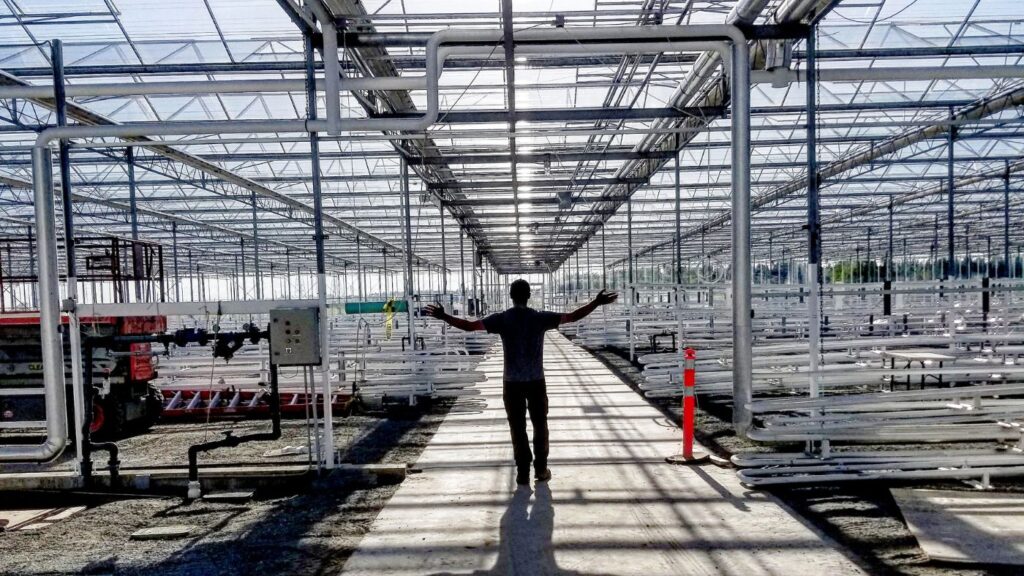 This guide covers the major considerations involved in planning and building a Virginia cannabis facility, with a focus on retail and cultivation operations and additional considerations relevant to processors and microbusinesses. It is written from the build side of the business, because that is where many otherwise-strong applicants stumble: they underestimate utility needs, local approvals, security infrastructure, commissioning, and the time required to convert a site into an inspection-ready operation.
 - Virginia Dual-Use Cannabis Conversion (2027): The $10M Medical-to-Adult-Use Pathway
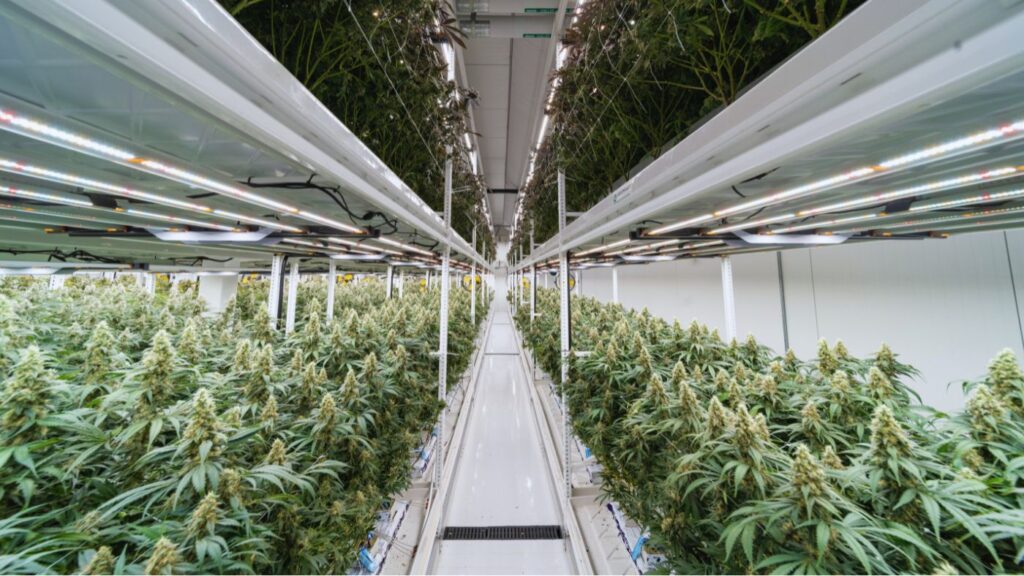 For Virginia’s existing medical cannabis operators, the 2026 retail framework created a distinct and high-stakes transition: pharmaceutical processors may apply for verification to exercise dual-use privileges and serve both registered medical patients and adult-use customers. The pathway covers the processor and its permitted cannabis dispensing facilities, and it carries a one-time $10 million fee, a required medical cannabis program preservation plan, an impact-licensee business accelerator commitment, and a firm May 1, 2027 payment or installment-plan deadline.
 - Virginia Impact Cannabis License (2027): Social Equity & the Equity Business Loan Fund
 Virginia’s adult-use cannabis framework creates a meaningful pathway for applicants from communities and backgrounds affected by cannabis prohibition and enforcement. The law does not create a separate, stand-alone impact license. Instead, it creates an impact-licensee designation that qualifying applicants may pursue alongside an underlying marijuana establishment license, such as retail, cultivation, processing, microbusiness, transportation, delivery, or testing.
 - Virginia Cannabis Microbusiness License (2027): Eligibility & the Two-Location Model
 This guide explains the initial eligibility pathways for the licenses the CCA may issue by May 1, 2027, the difference between a microbusiness license and an impact designation, the indoor and outdoor cultivation limits, the precise rules governing two locations, and the financial, security, and operational readiness standards applicants should prepare to demonstrate. Several implementation details – including fees and the specific combination of privileges the CCA will authorize – still depend on forthcoming regulations.
 - Virginia Cannabis Cultivation License (2027): The Tiered System Explained
 For operators whose strength is growing cannabis, Virginia’s emerging adult-use market presents a significant opportunity – and a cultivation license is the gateway to it. The June 2026 framework authorizes the Virginia Cannabis Control Authority (CCA) to begin accepting license applications on or after February 1, 2027 and issuing licenses on or after May 1, 2027. It also establishes five cultivation tiers with maximum canopies ranging from 5,000 to 35,000 square feet.