

Estimated reading time: 7 minutes
Table of contents
Cliff Notes: Opening an Illinois Cannabis Lounge
Objective: Successfully open an Illinois Cannabis Lounge with local government authorization
Key Components:
- Illinois legalized adult-use cannabis in 2019, but cannabis consumption lounges are allowed only if local governments authorize them.
- There is no standalone state-issued lounge license; instead, consumption areas must be attached to a licensed dispensary or tobacco shop and approved by the city or county.
- Cities like Chicago and Carbondale have allowed lounges, while others have not.
- Steps to open: verify local permission, secure municipal permits, partner with a dispensary or shop, apply with IDFPR if applicable, and follow all operating rules (21+ age limit, no onsite cannabis sales, air quality compliance).
- Lounges must have strict safety protocols, no tobacco or alcohol use, and secure intake areas for consumer product handling.
- Operators face local zoning restrictions, opposition from neighbors, and need to stay updated on evolving laws.
Hiring a Cannabis Consultant ensures smooth navigation of Illinois’s dual state-local compliance system, and successful lounge operation. Learn more about our Illinois cannabis consulting services or Book your Complimentary Consultation today.

Introduction
Illinois legalized adult-use cannabis in 2019, but social consumption lounges are governed at the local level. The Cannabis Regulation and Tax Act expressly permits on-site consumption areas, but only if a city or county authorizes them. The state law did not initially create a standalone lounge license; instead, municipalities may allow existing dispensaries or tobacco shops to host “cannabis consumption lounges”. For example, Carbondale and Chicago have passed ordinances for consumption areas, while others (like Springfield) have not. There is no separate statewide consumption license issued by the Illinois Dept. of Financial & Professional Regulation (IDFPR), but consumption spaces can operate once they satisfy both local and state rules.
Steps to Open (Locally)
Before opening a cannabis consumption lounge in Illinois, entrepreneurs must first navigate local regulations and obtain municipal approval. Since the state does not issue a standalone lounge license, your ability to operate hinges entirely on local government support and alignment with existing licensed entities. This step-by-step overview outlines the typical pathway to launching a compliant cannabis lounge in a participating Illinois jurisdiction.
1. Verify Local Authorization
Confirm that your target locality permits cannabis lounges. If not, you may consider lobbying local officials or choosing a municipality with an existing ordinance.
2. Secure Local Permits
Obtain any required municipal business license or zoning approvals for a lounge space. Some cities require a liquor-license-style permit or a conditional use permit for consumption venues.
3. Partner with Dispensary or Tobacco Shop
Illinois law expects consumption to be tethered to a licensed retail entity. Plan either to add a consumption area to an existing dispensary (via a supplemental license/endorsement under sec. 55-25 of the Act) or to attach it to a standalone tobacco shop license.
4. Apply via IDFPR
If a regulatory path exists, work with IDFPR to amend or add the consumption license. (This process is evolving; the state has held public comment on proposed lounge rules as of 2024.)
5. Meet State Operating Rules
Implement required safety measures – for example, restricting entry to 21+ customers, barring tobacco and alcohol consumption, and ensuring approved ventilation for any smoking areas. State guidelines may mirror those for vaping in public places.
Operational Requirements
Illinois mandates no sale of cannabis on-site (customers must bring purchased product), strict 21+ age checks, and no consumption outside the designated area. Security and surveillance requirements will likely mirror dispensary rules. Building modifications (smoke rooms with filtration) may be needed. Public health measures – such as no drug driving allowed, staff training for overconsumption – are advisable.
Compliance Challenges
Because rules are set both locally and by IDFPR, operating a lounge can be complex. Potential issues include:
- Local opposition (neighbors or schools may fight a lounge in their midst) and changing regulations (Chicago and Cook County, for example, are still crafting final rules).
- Even if authorized locally, consumption areas must comply with Illinois indoor smoking ban for tobacco, which extends to marijuana (though some local ordinances carve out exceptions for licensed cannabis lounges).
Why Hire a Cannabis Consultant?
Launching a cannabis lounge in Illinois comes with a complex web of state and local requirements—and one misstep can delay your opening or put your investment at risk. Our seasoned Cannabis Consultants bring critical knowledge of evolving laws, operational compliance, and municipal permitting processes. At Catalyst BC, we guide you from concept to launch, helping you secure approvals, build a compliant operation, and streamline every stage of development. With our proven expertise, you’ll move faster, avoid costly mistakes, and be fully prepared for long-term success in Illinois’s cannabis market.
Learn more about our Illinois cannabis consulting services or Book your Complimentary Consultation today.
Illinois Cannabis Lounge FAQs
Only if its city/county allows consumption areas. The state law allows it, but local approval is required.
No dedicated state license. Instead, dispensaries or tobacco shops get endorsements/permits for a consumption area once local government approves.
Local rules vary. Some cities ban lounges near schools or residential zones. Always check municipal zoning in advance.
Generally any adult-use cannabis product. Expect that infused foods cannot be prepared on-site (per Illinois clean indoor air rules) unless separately permitted.
Not marijuana-infused products, but many jurisdictions allow non-infused snacks/drinks. Check city liquor codes – often no alcohol is allowed in a cannabis lounge.
Usually not. Illinois law expects the lounge operator to be a retailer or tobacco store already holding a sales license. Under the lounge use endorsement, they do not sell onsite. Instead, a partner dispensary is identified to sell off-site.
Train employees on ID checks, overconsumption prevention, and first aid (including recognizing over-intoxication). Consider OSHA indoor air quality guidelines for protecting staff in smoke rooms.
Lounges themselves don’t sell product, so retail sales tax applies when product was purchased at the dispensary. There is no new excise tax on consumption at the lounge.
Yes – Catalyst BC’s Illinois cannabis consulting team can guide you on navigating this mixed state-local environment and getting your lounge licensed.
Additional Resources
Free eBooks For Cannabis Business Success




Latest Articles
- How Much Does It Cost to Open a Dispensary in 2026?
 The allure of jumping into the legalized cannabis industry often paints a picture of quick riches and burgeoning demand, yet the reality of establishing a licensed cannabis dispensary is far more nuanced, capital-intensive, and fraught with unique financial challenges. For aspiring entrepreneurs and seasoned investors alike, understanding the true dispensary startup costs is the absolute bedrock of success.
 - Virginia Cannabis Facility Design & Build-Out for the 2027 Market
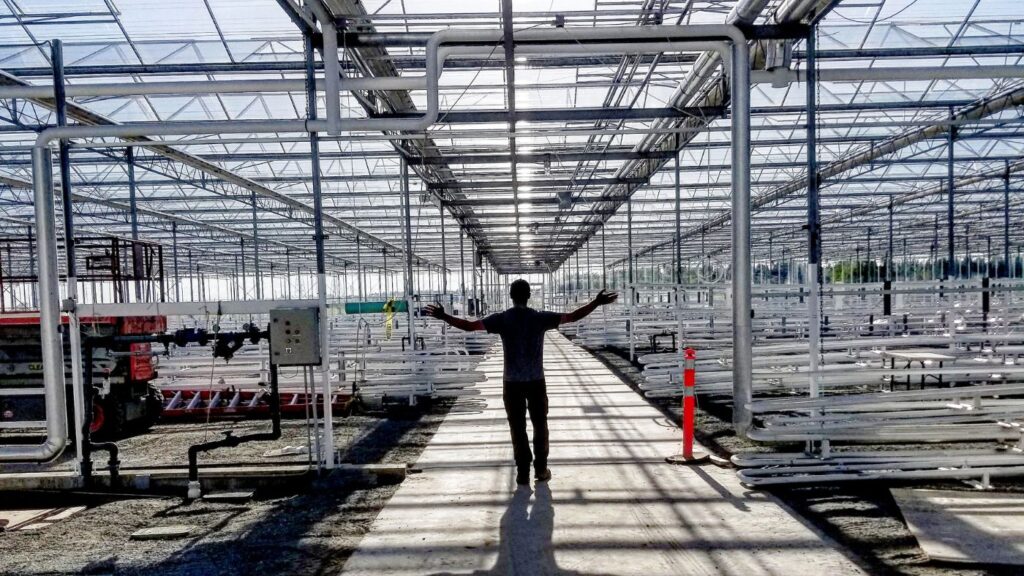 This guide covers the major considerations involved in planning and building a Virginia cannabis facility, with a focus on retail and cultivation operations and additional considerations relevant to processors and microbusinesses. It is written from the build side of the business, because that is where many otherwise-strong applicants stumble: they underestimate utility needs, local approvals, security infrastructure, commissioning, and the time required to convert a site into an inspection-ready operation.
 - Virginia Dual-Use Cannabis Conversion (2027): The $10M Medical-to-Adult-Use Pathway
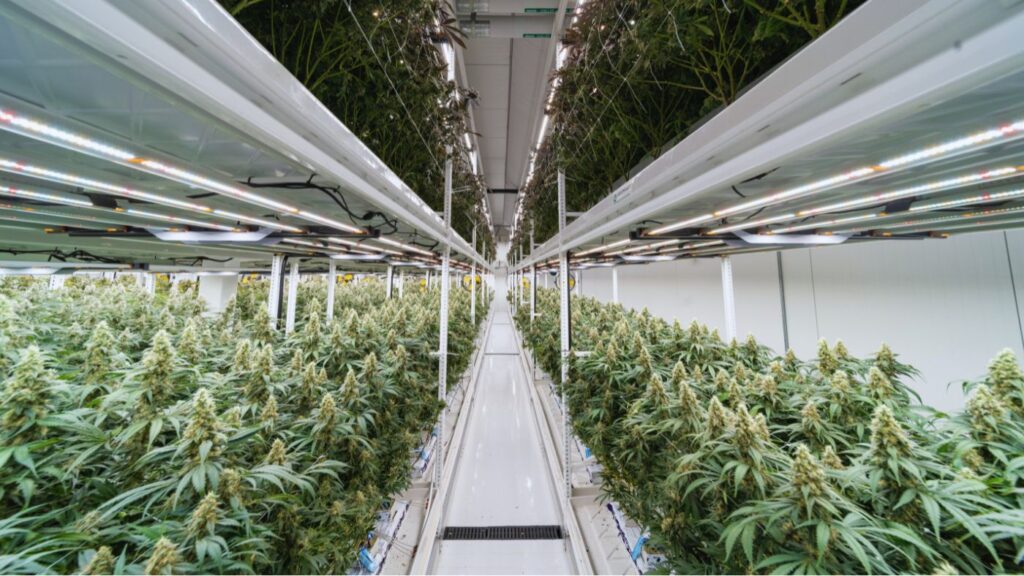 For Virginia’s existing medical cannabis operators, the 2026 retail framework created a distinct and high-stakes transition: pharmaceutical processors may apply for verification to exercise dual-use privileges and serve both registered medical patients and adult-use customers. The pathway covers the processor and its permitted cannabis dispensing facilities, and it carries a one-time $10 million fee, a required medical cannabis program preservation plan, an impact-licensee business accelerator commitment, and a firm May 1, 2027 payment or installment-plan deadline.
 - Virginia Impact Cannabis License (2027): Social Equity & the Equity Business Loan Fund
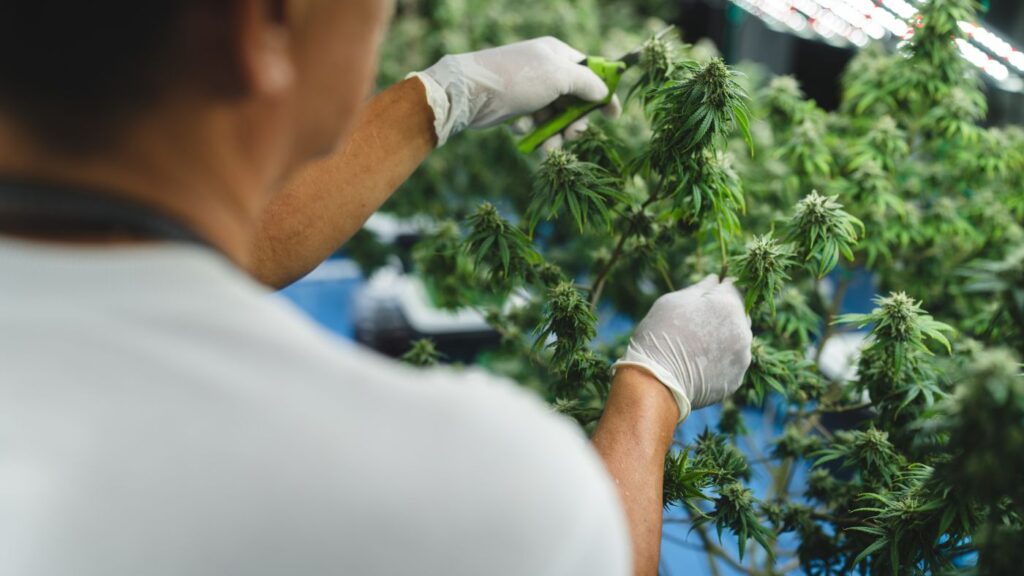 Virginia’s adult-use cannabis framework creates a meaningful pathway for applicants from communities and backgrounds affected by cannabis prohibition and enforcement. The law does not create a separate, stand-alone impact license. Instead, it creates an impact-licensee designation that qualifying applicants may pursue alongside an underlying marijuana establishment license, such as retail, cultivation, processing, microbusiness, transportation, delivery, or testing.
 - Virginia Cannabis Microbusiness License (2027): Eligibility & the Two-Location Model
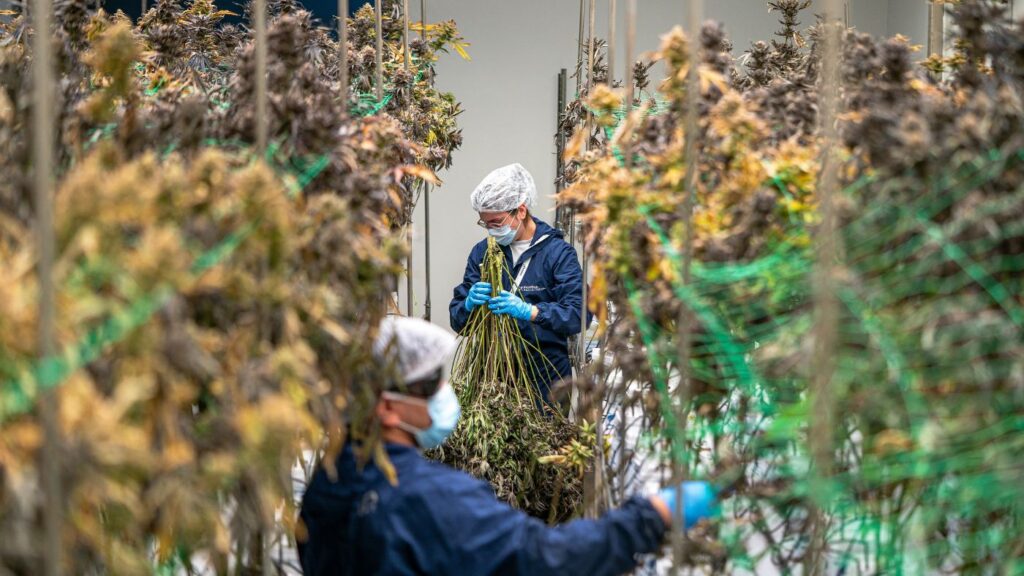 This guide explains the initial eligibility pathways for the licenses the CCA may issue by May 1, 2027, the difference between a microbusiness license and an impact designation, the indoor and outdoor cultivation limits, the precise rules governing two locations, and the financial, security, and operational readiness standards applicants should prepare to demonstrate. Several implementation details – including fees and the specific combination of privileges the CCA will authorize – still depend on forthcoming regulations.
 - Virginia Cannabis Cultivation License (2027): The Tiered System Explained
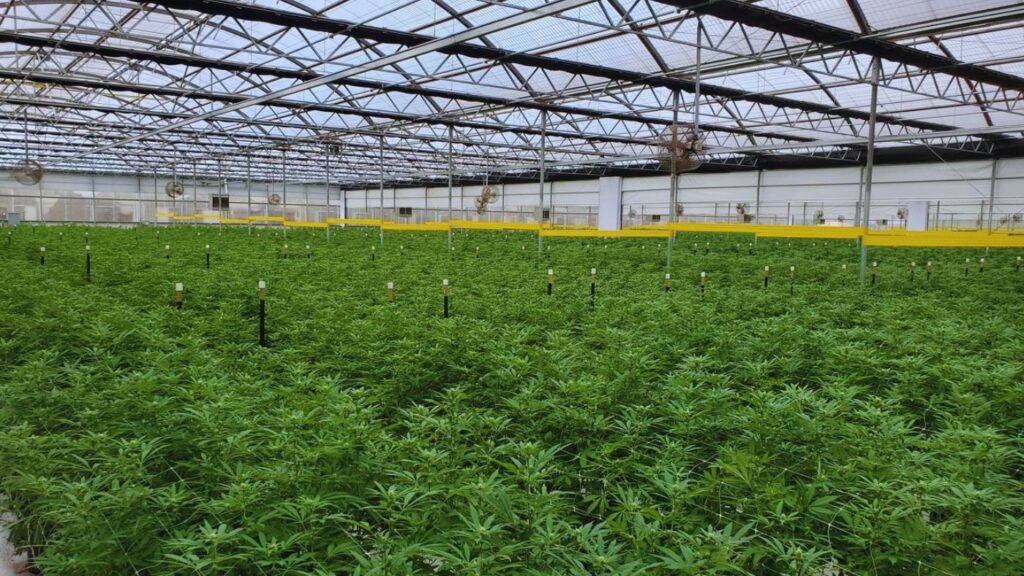 For operators whose strength is growing cannabis, Virginia’s emerging adult-use market presents a significant opportunity – and a cultivation license is the gateway to it. The June 2026 framework authorizes the Virginia Cannabis Control Authority (CCA) to begin accepting license applications on or after February 1, 2027 and issuing licenses on or after May 1, 2027. It also establishes five cultivation tiers with maximum canopies ranging from 5,000 to 35,000 square feet.