

Estimated reading time: 7 minutes
Table of contents
- Introduction
- BYO vs. In-House Sales Models
- Understanding Product Sourcing and Supplier Vetting
- On-Site Cannabis Menu Diversity: Strains, Formats & Potencies
- Compliance Considerations for On-Site Sales
- Pricing Strategy & Portion Control
- Enhancing the Guest Experience
- Inventory Management & Restocking
- Staff Training & SOPs
- Marketing the Cannabis On-site Menu
- Conclusion
- On-Site Cannabis Menu FAQs
- Additional Resources
- Free eBooks For Cannabis Business Success
- Latest Articles
Cliff Notes: Developing a Winning On-Site Cannabis Menu
Objective:
Build a standout cannabis lounge menu with guidance from expert Cannabis Consultants on sourcing, compliance, and guest experience.
Key Components:
- Compare BYO vs. in-house cannabis lounge menu models
- Vet vendors for quality, licensing, and lab-tested products
- Include diverse formats: flower, edibles, vapes, tinctures
- Ensure strict compliance on packaging and labeling
- Use pricing strategies that balance value and margins
- Offer tasting flights and educational events to engage guests
- Implement real-time inventory tracking and FIFO restocking
- Train staff on dosing, compliance, and guest education
Partner with a Cannabis Consultant at Catalyst BC to streamline launch and growth of your lounge and for crafting a legally compliant on-site cannabis menu. Explore our services or contact us today for a Complimentary Consultation.
Introduction
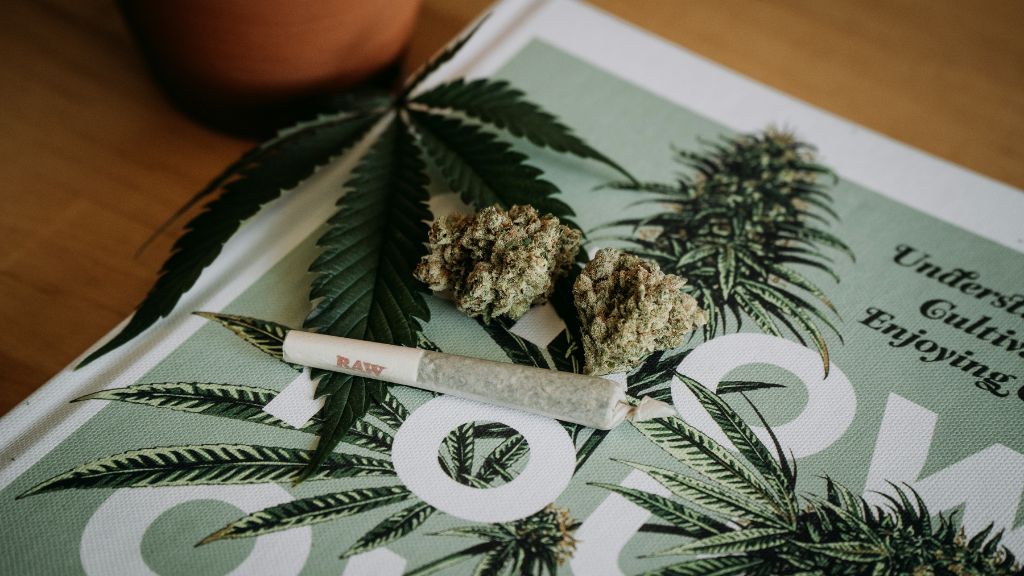
An outstanding consumption lounge is defined not just by ambiance, but by the variety and quality of products you offer. Whether you opt for a BYO (bring-your-own) model or curate an in-house selection of edibles, pre-rolls, and concentrates, menu development demands strategic sourcing, rigorous compliance, and attention to guest preferences. As your Cannabis Consultants, Catalyst BC partners with procurement, compliance, and culinary experts to craft a menu that delights patrons and drives revenue.
BYO vs. In-House Sales Models
- BYO (Bring-Your-Own): Patrons purchase off-site and consume on-site. Advantages: minimal inventory risk and simpler licensing.
- In-House Sales: You stock and sell curated products—edibles, pre-rolls, vape cartridges—directly to guests. Requires a retail endorsement but increases spend per customer.
We can evaluate local regulations and financial projections to recommend the optimal model—and help you amend your license application accordingly.
Understanding Product Sourcing and Supplier Vetting
Reliable vendors ensure consistent quality, compliance, and margin protection. Key vetting criteria include:
- State-licensed cultivators and manufacturers: Must hold current, clean compliance records.
- Lab-testing certifications: Third-party testing for potency, pesticides, heavy metals, and residual solvents.
- Distribution agreements: Clear terms on pricing, delivery logistics, and recall procedures.
Our Cannabis Consulting team can help negotiate vendor contracts, setting quality-assurance benchmarks and securing volume discounts.
On-Site Cannabis Menu Diversity: Strains, Formats & Potencies
A balanced on-site cannabis menu caters to novices and connoisseurs:
- Flower & pre-rolls: Offer both high-THC and CBD-dominant varietals. Include indica, sativa, and hybrid options.
- Edibles: Provide single-dose packaging (10 mg THC) and microdose options (2.5 mg THC).
- Concentrates & vapes: Stock cartridges tested below residual solvent thresholds; offer live-resin, distillate, and rosin to suit preferences.
- Non-smoke formats: Tinctures, topicals, and beverages—especially appealing to health-conscious users.
Compliance Considerations for On-Site Sales
Whether BYO or in-house, strict adherence to packaging and labeling rules is mandatory:
- Child-resistant packaging: For all pre-packaged products.
- Label information: Must display batch number, testing lab, cannabinoid profile, and health warnings.
- POS system integration: Tracks on-site sales against daily purchase limits (usually 1 oz flower or 5 g concentrate per patron).
Need recommendations on a POS system? We implement integrated POS-compliance solutions, automating purchase-limit checks and generating audit-ready reports.
Pricing Strategy & Portion Control
Menu pricing balances cost, margin, and perceived value:
- Cost-plus pricing: Base on landed cost + target margin.
- Tiered pricing: Offer value (e.g., 3 for $25 pre-roll packs) and premium (single-origin live resin vapes) tiers.
- Portion standardization: Prevent overconsumption and ensure consistency—particularly for edibles.
Our cannabis consultants can assist in building menu-level P&Ls, modeling price elasticity and suggest SKU rationalization for optimal profitability.
Enhancing the Guest Experience
- Tasting flights: Curated sampler packs (e.g., indica, hybrid, sativa) encourage experimentation.
- Edible pairings: Collaborate with local cafes or caterers to offer snacks and non-alcoholic beverages.
- Educational events: Host “cannabis 101” nights to introduce newcomers to dosing and consumption methods.
Inventory Management & Restocking
Maintaining optimal stock levels prevents both shortages and overstock:
- Minimum/maximum par levels: Set per SKU based on sales velocity and shelf-life.
- Automated reorder triggers: Integrate POS and inventory-management software for real-time alerts.
- First-in, first-out (FIFO): Ensures older lots are sold first, preserving product freshness and compliance.
Our Cannabis Consultants can help configure inventory dashboards and train staff on best-practice workflows—minimizing waste and maximizing turnover.
Staff Training & SOPs
Your team must be fluent in product knowledge, responsible-use protocols, and regulatory dos and don’ts:
- Dosing calculators: Teach budtenders how to recommend appropriate serving sizes.
- Health warnings: Ensure staff can explain onset times, potential side effects, and safe consumption tips.
- Compliance drills: Mock audits and random POS system checks keep everyone sharp.
We can help craft custom training modules to transform your staff into an expert cannabis hospitality team.
Marketing the Cannabis On-site Menu
Promoting your menu without violating advertising restrictions requires creativity:
- Email newsletters: Highlight new arrivals, tasting events, and limited-edition drops.
- Influencer partnerships: Invite local cannabis lifestyle influencers for private tastings.
- Social-media contests: “Guess the strain” trivia with prize credits—always adhering to age-gate requirements.
Conclusion
Crafting a compelling on-site cannabis menu requires more than just great products—it takes strategic planning, regulatory expertise, and a deep understanding of your patrons’ preferences. With the guidance of a seasoned Cannabis Consultant, you can navigate licensing, build compliant supplier relationships, and develop a menu that keeps guests returning while ensuring operational profitability.
Whether you’re launching your first lounge or refining your current offerings, Catalyst BC is here to help turn your cannabis hospitality vision into a thriving, compliant reality. Explore our cannabis consulting services or contact us today for a Complimentary Consultation.
On-Site Cannabis Menu FAQs
No. BYO lounges cannot retail products; to sell, you need a retail consumption endorsement and retail area separation.
Only where state law expressly permits them. Our Cannabis Consultants can verify beverage-specific licensing requirements prior to integrating within your cannabis lounge menu.
Partner with vendors who offer gluten-free, vegan, and allergen-friendly edible options for an inclusive cannabis on-site menu.
Quarterly rotations keep offerings fresh; use sales data to determine which SKUs to retire or expand.
Depending on local law, sampling flights are allowed—provided doses stay within single-use limits.
Insist on current certificate-of-analysis documents and conduct periodic vendor audits.
CBD offerings broaden your audience—including those seeking non-psychoactive experiences.
Additional Resources
Free eBooks For Cannabis Business Success




Latest Articles
- How Much Does It Cost to Open a Dispensary in 2026?
 The allure of jumping into the legalized cannabis industry often paints a picture of quick riches and burgeoning demand, yet the reality of establishing a licensed cannabis dispensary is far more nuanced, capital-intensive, and fraught with unique financial challenges. For aspiring entrepreneurs and seasoned investors alike, understanding the true dispensary startup costs is the absolute bedrock of success.
 - Virginia Cannabis Facility Design & Build-Out for the 2027 Market
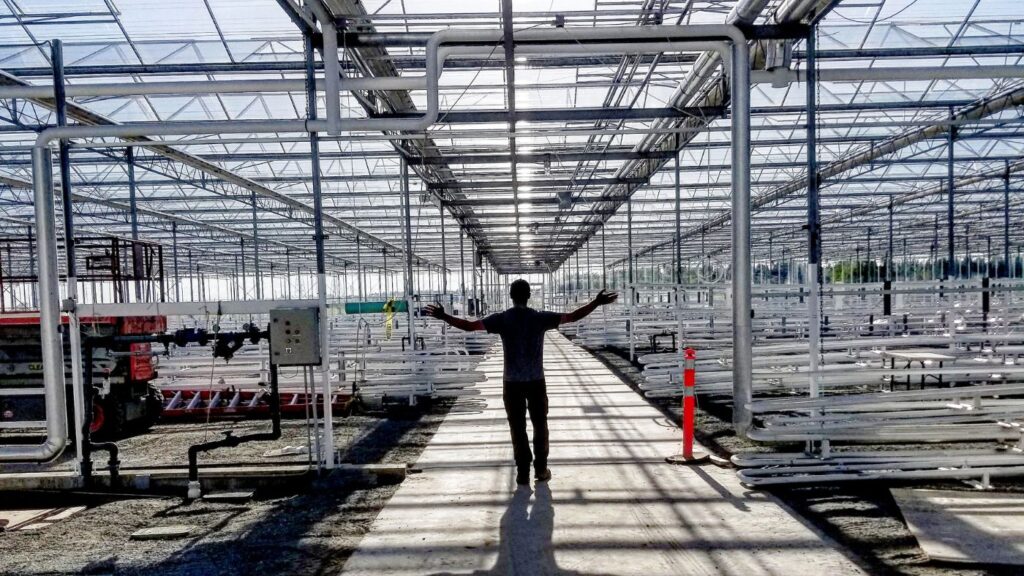 This guide covers the major considerations involved in planning and building a Virginia cannabis facility, with a focus on retail and cultivation operations and additional considerations relevant to processors and microbusinesses. It is written from the build side of the business, because that is where many otherwise-strong applicants stumble: they underestimate utility needs, local approvals, security infrastructure, commissioning, and the time required to convert a site into an inspection-ready operation.
 - Virginia Dual-Use Cannabis Conversion (2027): The $10M Medical-to-Adult-Use Pathway
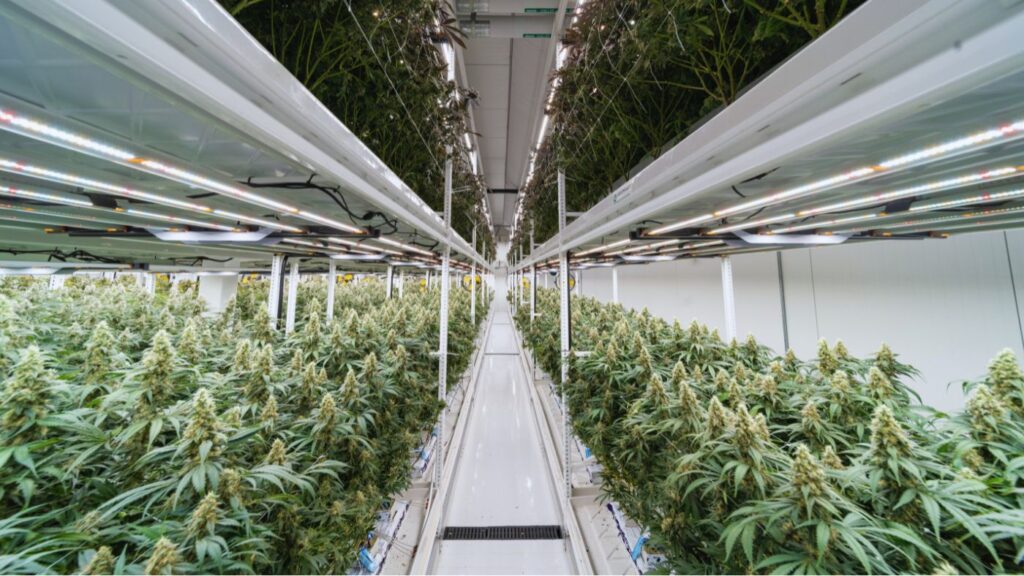 For Virginia’s existing medical cannabis operators, the 2026 retail framework created a distinct and high-stakes transition: pharmaceutical processors may apply for verification to exercise dual-use privileges and serve both registered medical patients and adult-use customers. The pathway covers the processor and its permitted cannabis dispensing facilities, and it carries a one-time $10 million fee, a required medical cannabis program preservation plan, an impact-licensee business accelerator commitment, and a firm May 1, 2027 payment or installment-plan deadline.
 - Virginia Impact Cannabis License (2027): Social Equity & the Equity Business Loan Fund
 Virginia’s adult-use cannabis framework creates a meaningful pathway for applicants from communities and backgrounds affected by cannabis prohibition and enforcement. The law does not create a separate, stand-alone impact license. Instead, it creates an impact-licensee designation that qualifying applicants may pursue alongside an underlying marijuana establishment license, such as retail, cultivation, processing, microbusiness, transportation, delivery, or testing.
 - Virginia Cannabis Microbusiness License (2027): Eligibility & the Two-Location Model
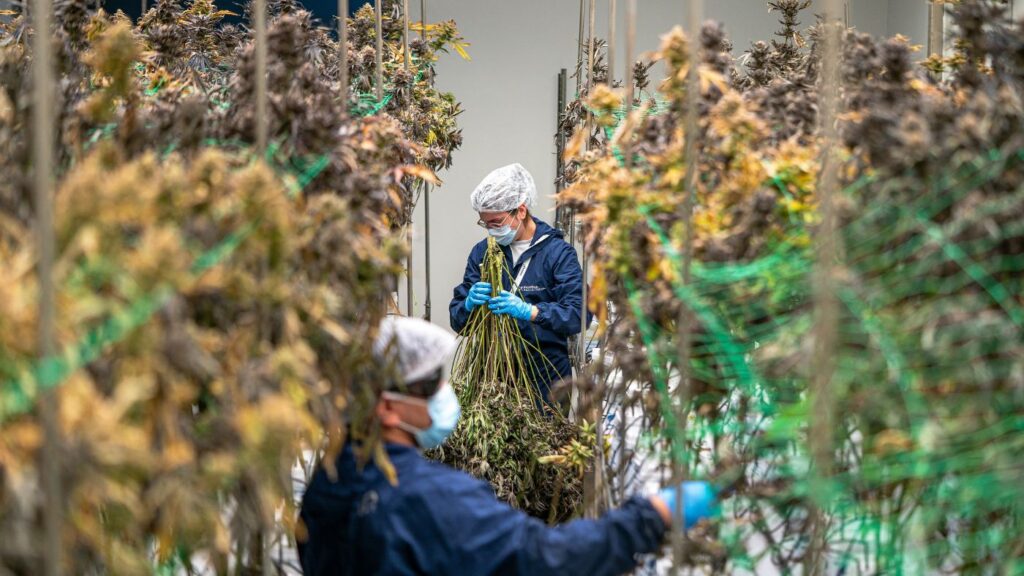 This guide explains the initial eligibility pathways for the licenses the CCA may issue by May 1, 2027, the difference between a microbusiness license and an impact designation, the indoor and outdoor cultivation limits, the precise rules governing two locations, and the financial, security, and operational readiness standards applicants should prepare to demonstrate. Several implementation details – including fees and the specific combination of privileges the CCA will authorize – still depend on forthcoming regulations.
 - Virginia Cannabis Cultivation License (2027): The Tiered System Explained
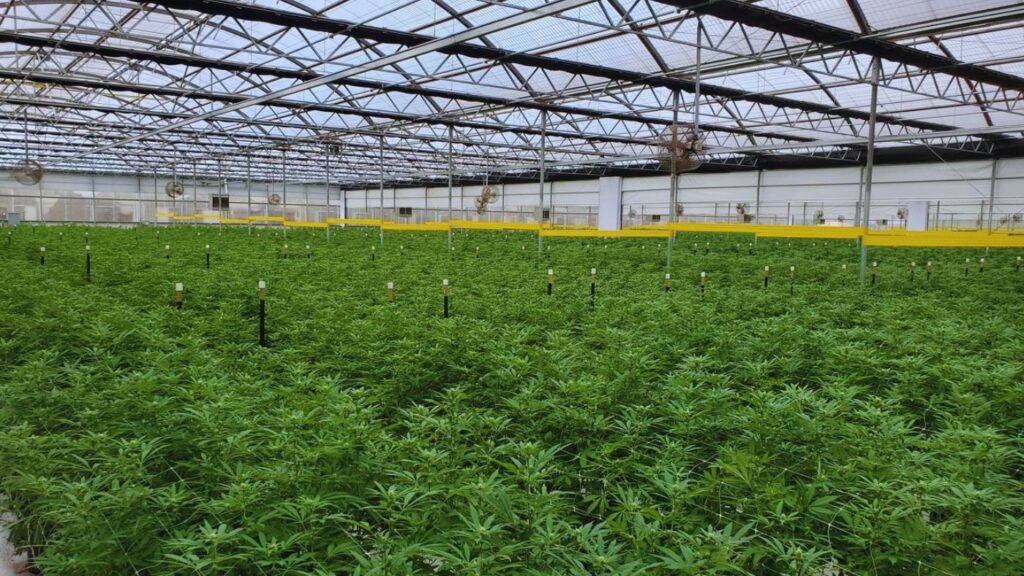 For operators whose strength is growing cannabis, Virginia’s emerging adult-use market presents a significant opportunity – and a cultivation license is the gateway to it. The June 2026 framework authorizes the Virginia Cannabis Control Authority (CCA) to begin accepting license applications on or after February 1, 2027 and issuing licenses on or after May 1, 2027. It also establishes five cultivation tiers with maximum canopies ranging from 5,000 to 35,000 square feet.