
Estimated reading time: 5 minutes
Table of contents
In 2012, voters in Washington and Colorado legalized the sale and recreational use of cannabis/marijuana, becoming the first states to do so. Nineteen other states would legalize it during the next decade. Some cultivars of the cannabis plant – often known as marijuana or strains – contain active ingredients such as cannabinoids, terpenes, and flavonoids which, when consumed, cause a range of effects.
The State of Cannabis Today
Today, most citizens and lawmakers support marijuana legalization, and many opponents are also shifting their positions on the matter. In addition, state legislatures are debating whether and how to legalize cannabis, and Congress has introduced various marijuana-related proposals, including ones that will ultimately decriminalize cannabis at the federal level.
The House passed a marijuana decriminalization measure in early April last year, and numerous senators presented the Cannabis Administration and Opportunity Act. On October 7, 2022, President Joe Biden announced that he would grant pardons to all convicted of simple marijuana possession and urged governors to do the same.
This Act marked a significant turning point in the movement to reduce penalties for marijuana use. The declaration will affect approximately 6,500 Americans, but a senior White House official explained that currently, no one is incarcerated for essential marijuana possession. Cannabis advocates continue to view cannabis and cannabis products as revenue generators for states. Cannabis has also become an initiative for social justice.
The disparate impact of marijuana restrictions on minority populations has contributed to mass imprisonment. States that have legalized marijuana have attempted to address the problems of marijuana prohibition retrospectively.
Recreational or Adult-Use marijuana has been approved in the following states
Illinois
Arizona
Montana
New Jersey
New York
Virginia
New Mexico
Connecticut
Rhode Island
Maryland
Missouri
Colorado
Washington
Alaska
Oregon
Washington, D.C.
California
Maine
Massachusetts
Nevada
Michigan
Vermont
Guam
Cannabis Consumption Lounges
Cannabis prohibition is not yet gone, but it is safe to assume it is on its way out. The rise of cannabis consumption in lounges, bars, and social-use settings is the loudest and happiest signal of the death of prohibition. With historic states like California and cities like Las Vegas having already legalized marijuana lounges, the day is not far off when people can consume cannabis and cannabis-infused cuisine at these establishments just as they would alcohol.
With 2023 shaping up to be ”the Year of Cannabis,” astute restaurant and bar owners must embrace the business by studying what is legitimate (and what is not) and, most importantly, where an enterprise can set up shop for anything cannabis-related.
New cannabis marketplaces are fast emerging. Virginia, New York, New Jersey and Connecticut all passed adult-use cannabis laws in 2021. As a result, market revenues should continue increasing despite market/industry hiccups in other states.
New entrepreneurs should be ready for delays in launching, as cannabis is a heavily regulated sector. As states continue to legalize recreational marijuana, it is essential to keep in mind that landlords, real estate agents, city zoning boards, and state regulators are learning how to operate cannabis. Each step takes significantly longer than in other businesses and carries with it some risks as you await regulatory approval before you can begin earning any profit from your new cannabis venture.
Any event, including ”cannabis gastronomy,” must be held privately. More venues are starting to appear, but the number is still tiny. The same holds for lounges and cannabis social clubs.
Cannabis consumption lounges are facilities that permit public cannabis usage on-site. Consider it a bar for weed. In most areas, they are prohibited from selling cannabis goods, while the new law in Nevada will permit the sale of single-use items, challenging this paradigm. The primary service they provide is a safe and legal environment for consumption. This is especially relevant in Las Vegas, where cannabis consumption is prohibited in hotels and public venues, leaving tourists without options to consume their cannabis purchases legally.
With safety in mind, adult-use states have been stringent about prohibiting the combination of cannabis and alcohol in beverages, similar to the crackdown on caffeinated alcoholic beverages.
Edibles are a fast-expanding category in many adult-use states. These new cannabis enterprises appeal to consumers seeking discrete and healthy alternatives to inhalation. We are even beginning to see ”cannabis chefs” who offer complete cannabis-infused meal courses. Food is a known delivery mechanism and is a good landing site for cannabis consumers concerned about inhalable products. Therefore, we anticipate that the concept will become widely accepted over time.
Whenever a state goes online, advisory groups and task forces of professionals and interested parties are formed or recruited. Developing expertise and a vast network of industry experts will increase your chances of being invited as a panelist or audience member. This work and exposure to rules, legislation, and subject matter experts (SMEs) is invaluable.
Alternately, we recommend that you frequently visit your state’s regulatory agency’s website, as many offer newsletters and email lists to which you can subscribe for updates on proposed changes to cannabis rules.
Additional Resources
Consulting Services For Cannabis, Hemp, Psilocybin, and Natural Medicine
- Consulting Services Overview
- Business Strategy
- Financial Planning
- Cannabis, Hemp, Psilocybin, & Natural Medicine Licensing and Applications
- Facility Design
- StartUp Support
- Genetic Development
- Business Turnaround
- Operational Optimization
- Vertical Farming
- Controlled Environmental Agriculture (CEA)
- State and Country Services Directory
- Blog
- Home
Testimonials and Public Relations
Latest Articles
- How Much Does It Cost to Open a Dispensary in 2026?
 The allure of jumping into the legalized cannabis industry often paints a picture of quick riches and burgeoning demand, yet the reality of establishing a licensed cannabis dispensary is far more nuanced, capital-intensive, and fraught with unique financial challenges. For aspiring entrepreneurs and seasoned investors alike, understanding the true dispensary startup costs is the absolute bedrock of success.
 - Virginia Cannabis Facility Design & Build-Out for the 2027 Market
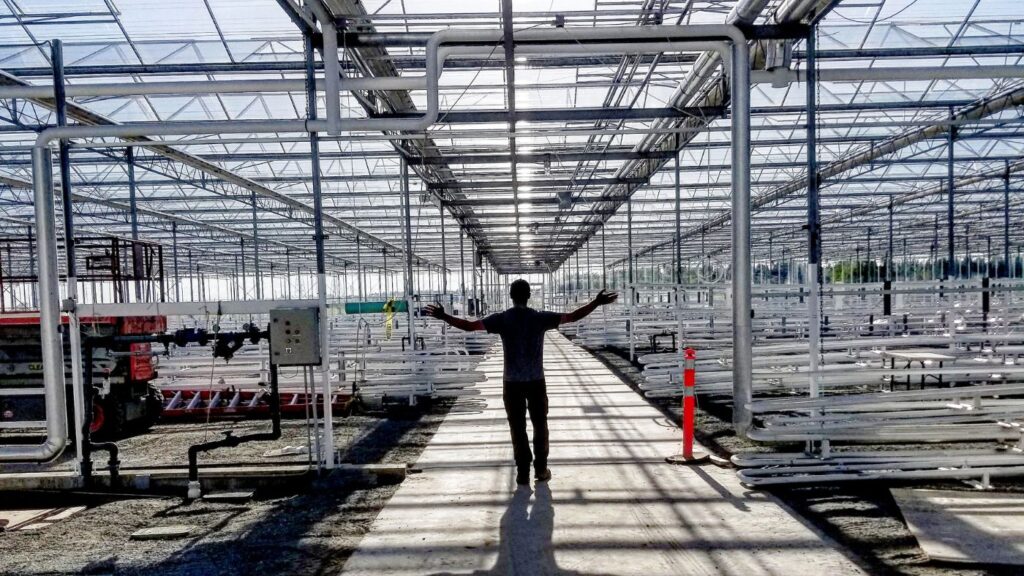 This guide covers the major considerations involved in planning and building a Virginia cannabis facility, with a focus on retail and cultivation operations and additional considerations relevant to processors and microbusinesses. It is written from the build side of the business, because that is where many otherwise-strong applicants stumble: they underestimate utility needs, local approvals, security infrastructure, commissioning, and the time required to convert a site into an inspection-ready operation.
 - Virginia Dual-Use Cannabis Conversion (2027): The $10M Medical-to-Adult-Use Pathway
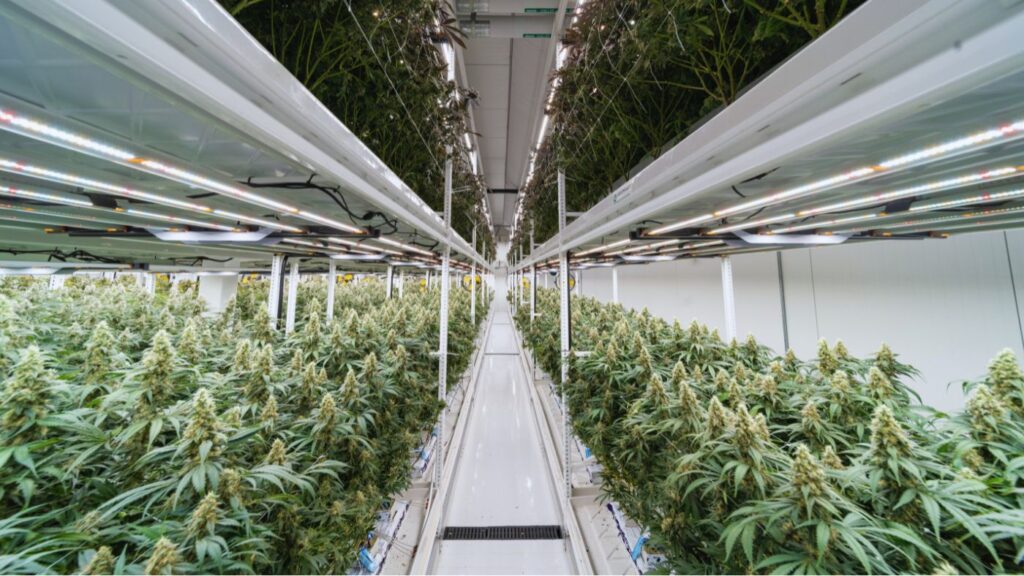 For Virginia’s existing medical cannabis operators, the 2026 retail framework created a distinct and high-stakes transition: pharmaceutical processors may apply for verification to exercise dual-use privileges and serve both registered medical patients and adult-use customers. The pathway covers the processor and its permitted cannabis dispensing facilities, and it carries a one-time $10 million fee, a required medical cannabis program preservation plan, an impact-licensee business accelerator commitment, and a firm May 1, 2027 payment or installment-plan deadline.
 - Virginia Impact Cannabis License (2027): Social Equity & the Equity Business Loan Fund
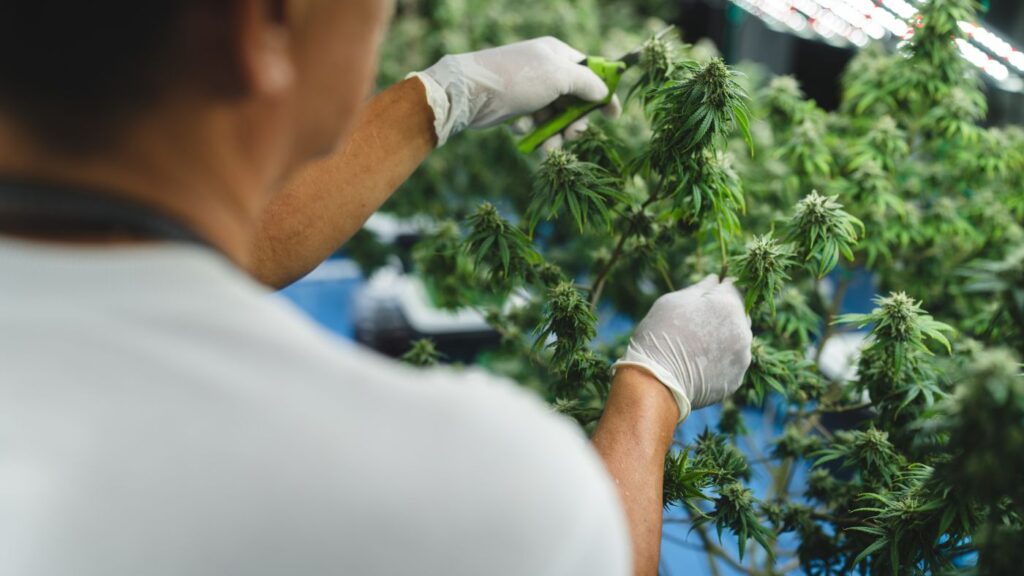 Virginia’s adult-use cannabis framework creates a meaningful pathway for applicants from communities and backgrounds affected by cannabis prohibition and enforcement. The law does not create a separate, stand-alone impact license. Instead, it creates an impact-licensee designation that qualifying applicants may pursue alongside an underlying marijuana establishment license, such as retail, cultivation, processing, microbusiness, transportation, delivery, or testing.
 - Virginia Cannabis Microbusiness License (2027): Eligibility & the Two-Location Model
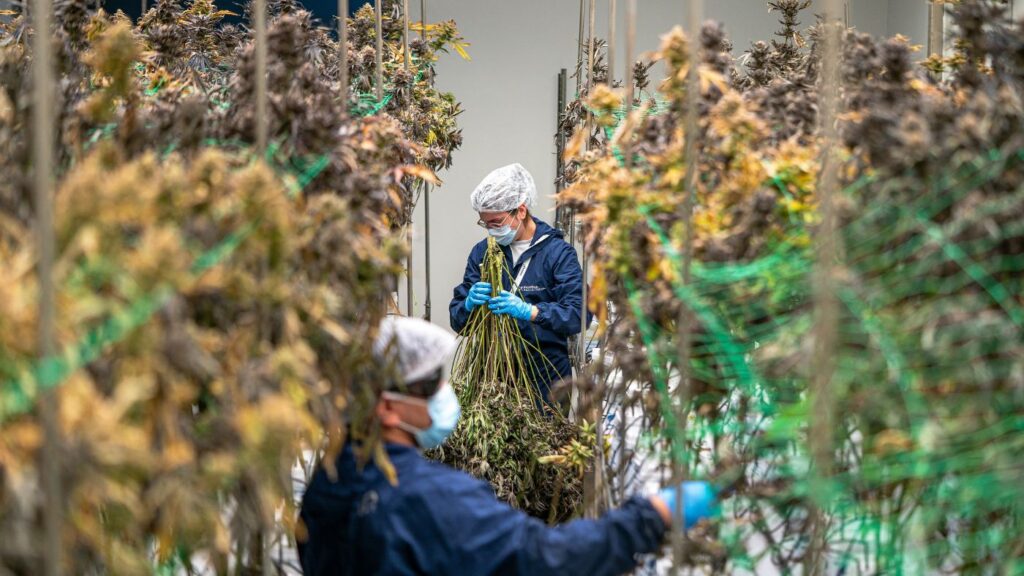 This guide explains the initial eligibility pathways for the licenses the CCA may issue by May 1, 2027, the difference between a microbusiness license and an impact designation, the indoor and outdoor cultivation limits, the precise rules governing two locations, and the financial, security, and operational readiness standards applicants should prepare to demonstrate. Several implementation details – including fees and the specific combination of privileges the CCA will authorize – still depend on forthcoming regulations.
 - Virginia Cannabis Cultivation License (2027): The Tiered System Explained
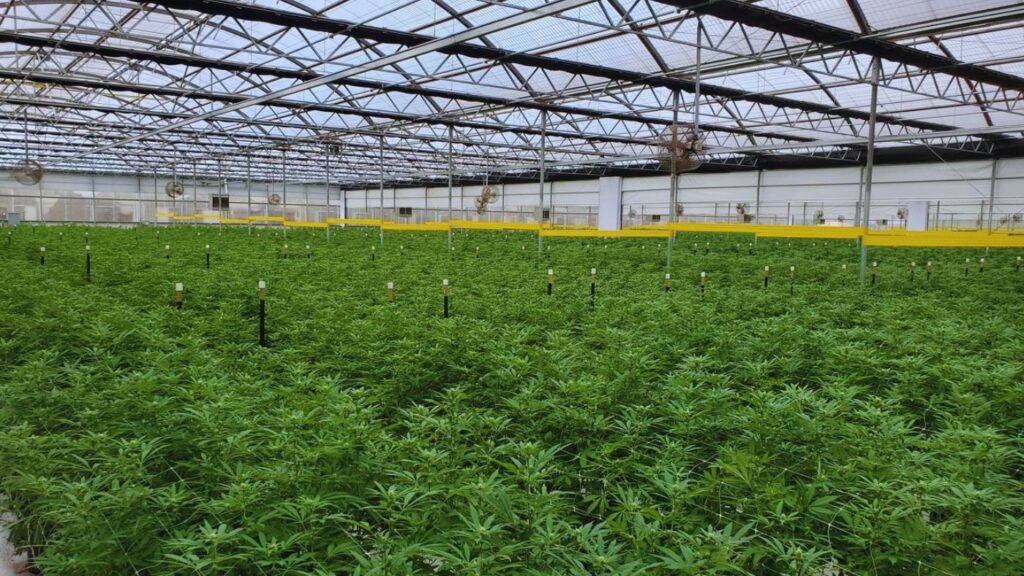 For operators whose strength is growing cannabis, Virginia’s emerging adult-use market presents a significant opportunity – and a cultivation license is the gateway to it. The June 2026 framework authorizes the Virginia Cannabis Control Authority (CCA) to begin accepting license applications on or after February 1, 2027 and issuing licenses on or after May 1, 2027. It also establishes five cultivation tiers with maximum canopies ranging from 5,000 to 35,000 square feet.
Explore Our Articles
cannabis applications Cannabis Bar Cannabis Business Optimization cannabis careers Cannabis Compliance Cannabis Consumption Cannabis Consumption Bar Cannabis Inventory Management Systems Cannabis Investors cannabis jobs Cannabis Legalization cannabis licensing Cannabis Lounge cannabis marketing Cannabis Operational Procedures cannabis outreach Cannabis Regulations Cannabis Security Cannabis Software Cannabis Startup Cannabis Supply Chain Cannabis Technology Colorado controlled environment agriculture Cultivation cultivation facility Dispensary Design facility design Financial Planning HVAC HVACD Iowa Kansas Legal Update Legislation Medical Cannabis Minnesota Natural Medicine Nebraska New York Odor Control Oregon Psilocybin Psychedelics Recreational Cannabis
Free Ebook – Start Your Own Legal Cannabis Business