

Estimated reading time: 11 minutes
Table of contents
Cliff Notes: Opening a Colorado Cannabis Lounge
Objective: Understanding the legal process of successfully applying for a Colorado cannabis lounge license
Key Components:
- Two License Types: Colorado offers a Hospitality License (BYOC only) and a Hospitality & Sales License (for on-site product sales).
- Local Approval First: Lounges require city/county opt-in and local authorization before applying to the state Marijuana Enforcement Division (MED).
- Application Process: Includes background checks, business plans, floor/ventilation diagrams, and fingerprinting. Requires both local and state approvals.
- Facility Rules: Must be 21+, well-ventilated, separated from non-smoking areas, and cannot allow alcohol or tobacco use.
- Security & Compliance: Expect retail-level surveillance and tracking. Product tracking required even without on-site sales.
- Operational Concerns: Focus on ventilation, insurance, and zoning. Food service requires health department permits.
- Equity Requirements: Denver emphasizes social equity applicants, with potential grants or priority licensing.
Common Pitfalls: Delays often stem from zoning, local opt-in resistance, or incomplete ventilation plans. Market demand and profitability remain uncertain.
Catalyst BC cannabis consultants can simplify complex regulations, speed up licensing, and help you avoid costly mistakes. Learn more about our Colorado cannabis consulting services or Book your Complimentary Consultation today.
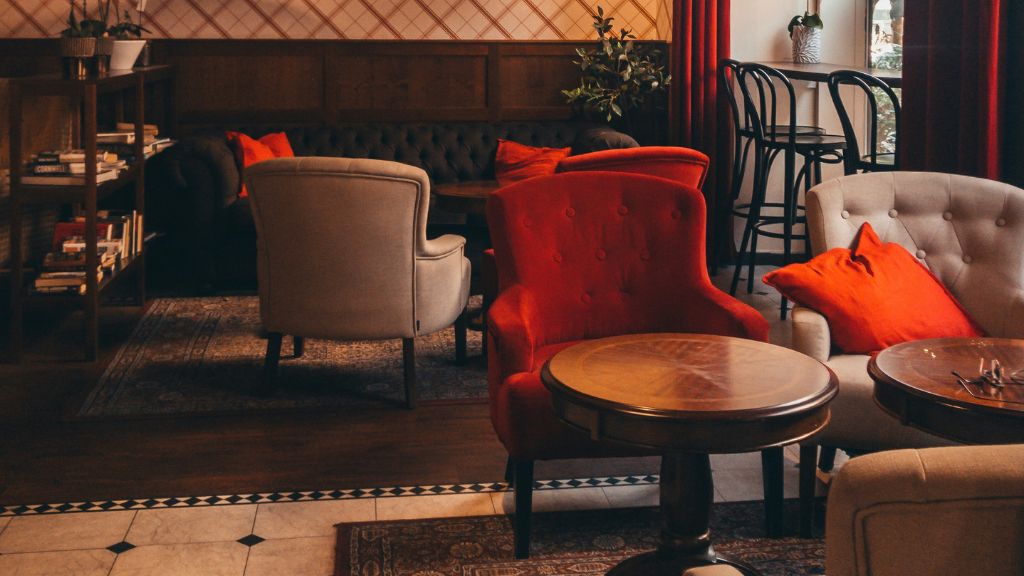
Introduction
Colorado law permits licensed on-site cannabis consumption spaces (often called “marijuana hospitality establishments”) with both state and local approval. The Marijuana Enforcement Division (MED) of the Colorado Department of Revenue issues two lounge-style licenses: a Marijuana Hospitality Business License (for consumption only) and a Retail Marijuana Hospitality and Sales Business License (for consumption and on-site sales).
These became authorized under Colorado’s House Bill 19-1230 in 2019, which allows hotels, cafes, dispensaries and other businesses to operate cannabis consumption areas once local governments opt in. Denver voters earlier had approved on-site consumption permits (Initiative 300, 2016), but statewide consumption lounges only became possible under HB19-1230. In practice, an operator must secure local permission and then apply to the state MED for a hospitality or hospitality-and-sales license (similar to a retail marijuana license).
Step-by-Step Licensing Process
Opening a cannabis consumption lounge in Colorado requires a methodical, two-tiered approach—first gaining approval from your local city or county, then applying for a license through the state Marijuana Enforcement Division (MED). With strict facility standards, security requirements, and ventilation planning, the process mirrors many of the same hurdles as retail dispensary licensing, but with added complexity around on-site use. The steps below outline how to move from concept to licensed operation in Colorado’s hospitality cannabis space.
1. Local Authorization
Check that your city or county allows cannabis hospitality. Municipalities and counties can opt in or ban lounges. For example, Denver now permits lounges with its own city license process. Colorado state law requires local approval before the MED will issue any lounge license. Confirm zoning rules (e.g. distance from schools) with local planners.
2. Prepare Application Materials
Gather the same information required for a retail marijuana license plus hospitality specifics. This includes owner background checks, fingerprints, financial disclosures, lease or deed, business plan, floor diagrams and a ventilation plan. If applying in Denver, note they require proof of social equity status or plans to comply with their Social Equity Program.
3. Submit to Colorado MED
Apply online via the MED portal or by paper form. Be sure to select the Hospitality Business License type (or Hospitality and Sales Business License if you intend to sell packaged cannabis on site). Pay the nonrefundable application fee (currently several hundred dollars) and schedule any required fingerprinting.
4. State Review and Approval
MED will review suitability of owners/managers, financials, and security plans. They must also confirm your local government endorsement and zoning compliance. Upon conditional approval, expect a site inspection for ventilation/safety. After passing inspection, the MED issues your state license certificate.
5. Obtain Local License or Permit
In addition to the state license, you usually need a city/county license or permit. For instance, Denver requires a separate city marijuana hospitality license and health department approval for food service. Coordinate state and local approvals closely, as Denver’s process requires the state license number and local board review.
Key Licensing Requirements
- Eligibility: Applicants must meet normal marijuana business criteria: 21+, Colorado residency (for at least 2 years for large investors), clear background, no felonies related to controlled substances. Social equity applicants (minority owners, those impacted by prohibition) may receive preferential scoring in Denver or statewide grants, though all must meet the same requirements.
- Business Structure: Colorado does not require a dispensary license first – you apply directly for the hospitality license. If you want to sell product on site, apply for the combined Hospitality and Sales license; otherwise the plain Hospitality license prohibits sales. Hotels, restaurants, cafes and event venues are common applicants. In Denver, existing dispensaries may add a consumption lounge, but the lounge must be in a separate space from the store.
- Facility Standards: The consumption area must be fully enclosed, ventilated, and separate from non-smoking areas. Nevada-style airflow is not mandated, but Colorado’s Clean Indoor Air Act does not apply inside licensed lounges. A detailed ventilation plan is required with the application. Lounges cannot serve alcohol or tobacco; the area must be 21+ only. If serving food or beverages, you must comply with health department rules.
- Security and Recordkeeping: Expect to install the same security systems as for a retail license (cameras, alarms, safes). Even though cannabis is not sold at plain lounges, all consumed product must be tracked. If your license permits sales, standard retail tracking (Metrc) applies.
- Operational Rules: Only cannabis purchased off-site (BYOC) or provided by the host (if on-site sales are allowed) can be consumed. No vaping or smoking by minors, no free samples, and no off-premises removal of product. Patrons must be ID-checked and 21+. Colorado law also forbids hosting educational events or advertising in a way that appeals to minors.
Operational Considerations
- Ventilation & Smoke-Free Air: Though lounges are exempt from the Clean Indoor Air Act, proper ventilation is crucial for customer comfort. Active air exchange and local exhaust are recommended. Smoke from a lounge must not bleed into public areas. Smoking rooms or designated areas must meet strict airflow plans.
- Insurance & Liability: Lounge operators should obtain general liability and product-completion insurance. The business model (BYOC or on-site sales) affects liability: with on-site sales, the lounge operator carries liability for consumed product; with BYOC, liability may fall to the patron for outside product.
- License Fees and Renewals: State license fees for hospitality are similar to retail licenses (running a few thousand dollars annually). The license must be renewed each year along with regulatory reporting. Denver also has city licensing fees, and the hospitality license is annual.
- Social Equity and Community: Denver explicitly prioritizes social equity ownership. Other municipalities may encourage local hiring or community partnerships. As an operator, expect to engage with the community and meet any local Board or commission requirements.
Challenges and Tips
- Law Updates: Watch for new rules. Colorado law allows tasting rooms in cultivation facilities or dispensaries, but consumption lounges have been slow to roll out. Ongoing legislative changes could affect allowed products (vaping vs. smoking) and license classes.
- Local Opt-In: The biggest hurdle is local approval. Some towns and counties ban lounges outright. Do preliminary outreach to local officials and community boards. Even in Denver, permit applicants must go through a social-equity lottery if they qualify.
- Complex Compliance: Managing both local and state requirements is complex. Engage early with our cannabis consultants so we may start the alignment process with the Colorado MED and local authorities. Thoroughly plan the floor layout and ventilation before applying to avoid delays.
- Market Demand: Evaluate whether enough customers (and tourists) will use the lounge to support the business. Current demand is hard to predict since lounges are new. Consider adding food or events to attract customers (if allowed).
- Competition: As of 2024, only a handful of projects have moved forward (e.g. in Denver and Aspen). Operators should secure investment and operate lean, anticipating that it may take time to obtain all approvals and build a customer base.
Why Hire a Cannabis Consultant?
Launching a cannabis lounge in Colorado isn’t just about securing a license—it’s about aligning with both state and local laws, engineering a compliant facility, and anticipating evolving regulatory expectations.
At Catalyst BC, our seasoned Colorado cannabis consulting team brings deep knowledge of MED licensing, local zoning, and hospitality operations to guide you every step of the way. Whether you’re adding a lounge to an existing dispensary or creating a standalone social-use space, we’ll help you avoid delays, ensure code compliance, and position your lounge for long-term success in Colorado’s competitive cannabis landscape.
Learn more about our Colorado cannabis consulting services or Book your complimentary consultation today.
Colorado Cannabis Lounge FAQs
Colorado issues two hospitality license types: one for on-site consumption only, and a combined hospitality-and-sales license if you want to sell packaged cannabis at your lounge. Both require local government approval first.
No. Colorado requires both state and local approval. If your municipality bans consumption lounges, you cannot get a license there. You must target a permissive jurisdiction or work to change local rules.
No. Unlike some states, Colorado allows standalone consumption lounges (e.g. cafes). However, if attached to a retail dispensary, the lounge must be physically separate (separate entry, non-transparent wall), similar to Denver’s rules for “satellite lounges.”
Alcohol is prohibited in cannabis lounges by state law. You can serve snacks or non-alcoholic beverages, but if you serve meals you must comply with the state health department’s restaurant regulations. Denver, for example, requires separate restaurant licensing if full meals are served.
Yes, smoking or vaping is allowed inside a licensed lounge (since it’s exempt from the Clean Indoor Air Act), but only in the designated consumption area. Lounges must have approved ventilation and often separate smoking rooms or barriers to prevent smoke drift.
Expect at least 4–6 months if all requirements are met. The MED’s review process for a new license can take several months, plus local government hearings. Complex ventilation or security plans may add delays. Our Colorado cannabis consulting experts can provide more precise timelines based on your unique situation.
Application and licensing fees are comparable to a retail license: typically several thousand dollars per year. Additionally, plan for costs of security, ventilation equipment, and legal/consulting fees. Our Colorado cannabis consulting team can provide you more precise estimates based on your unique situation.
That depends on your license type. Under the consumption-only license, patrons must bring their own cannabis (BYOC). Under the hospitality-and-sales license, you may sell pre-packaged cannabis (which they then consume on premises). Either way, patrons cannot take products out. Our Colorado cannabis consulting team can provide further guidance based on your license type.
Possibly, if local zoning and noise rules allow it. The State requires a lounge to provide operation dates/hours in the application. Events are permitted as long as only cannabis legally consumed and all participants are 21+. Check local assembly and noise ordinances.
Denver requires a local marijuana hospitality license, a business license, and food-service permits if serving food. In Denver, applicants must also be or partner with a social equity business. Other cities vary: some require city council approval or special use permits.
Additional Resources
Free eBooks For Cannabis Business Success




Latest Articles
- How Much Does It Cost to Open a Dispensary in 2026?
 The allure of jumping into the legalized cannabis industry often paints a picture of quick riches and burgeoning demand, yet the reality of establishing a licensed cannabis dispensary is far more nuanced, capital-intensive, and fraught with unique financial challenges. For aspiring entrepreneurs and seasoned investors alike, understanding the true dispensary startup costs is the absolute bedrock of success.
 - Virginia Cannabis Facility Design & Build-Out for the 2027 Market
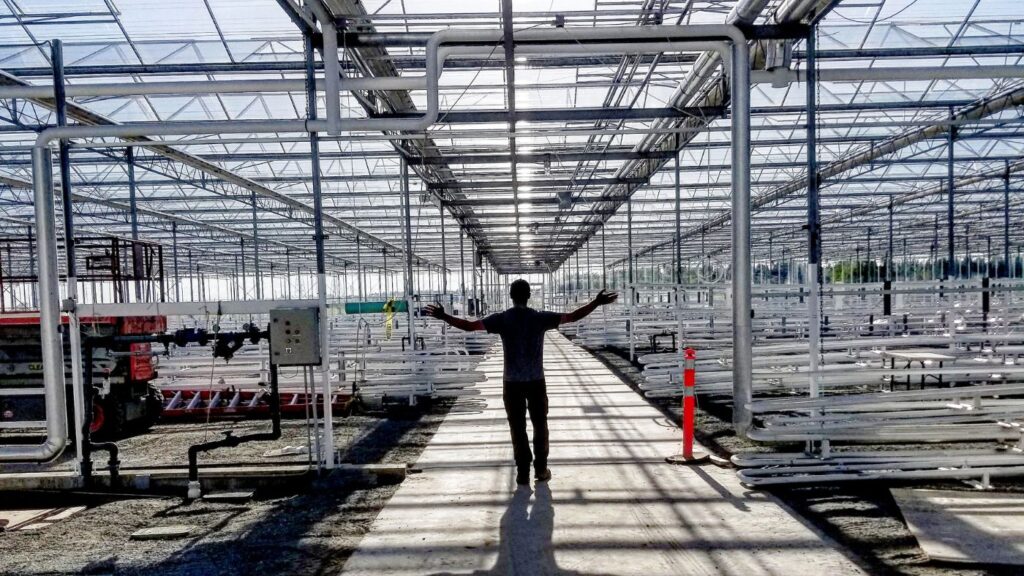 This guide covers the major considerations involved in planning and building a Virginia cannabis facility, with a focus on retail and cultivation operations and additional considerations relevant to processors and microbusinesses. It is written from the build side of the business, because that is where many otherwise-strong applicants stumble: they underestimate utility needs, local approvals, security infrastructure, commissioning, and the time required to convert a site into an inspection-ready operation.
 - Virginia Dual-Use Cannabis Conversion (2027): The $10M Medical-to-Adult-Use Pathway
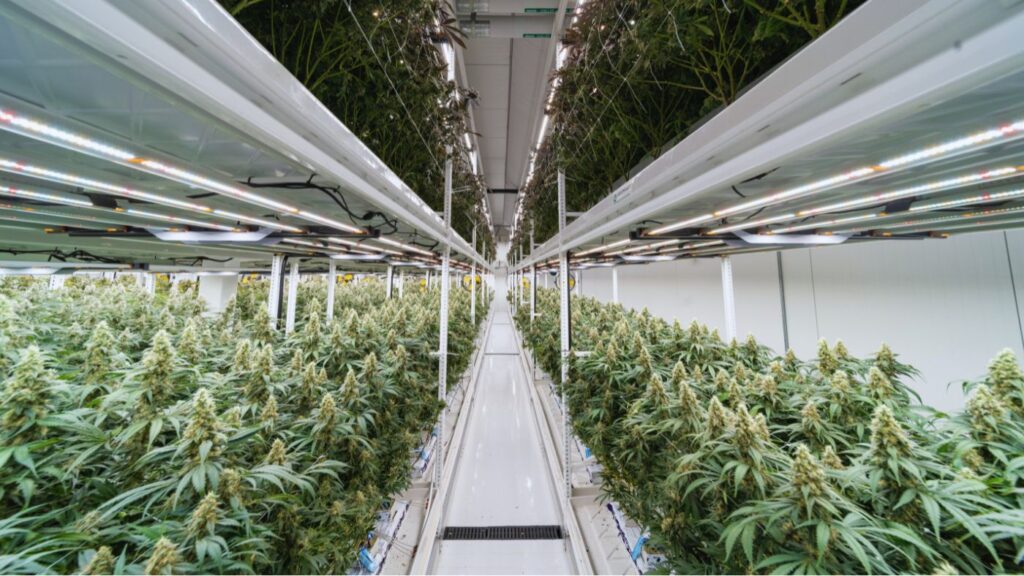 For Virginia’s existing medical cannabis operators, the 2026 retail framework created a distinct and high-stakes transition: pharmaceutical processors may apply for verification to exercise dual-use privileges and serve both registered medical patients and adult-use customers. The pathway covers the processor and its permitted cannabis dispensing facilities, and it carries a one-time $10 million fee, a required medical cannabis program preservation plan, an impact-licensee business accelerator commitment, and a firm May 1, 2027 payment or installment-plan deadline.
 - Virginia Impact Cannabis License (2027): Social Equity & the Equity Business Loan Fund
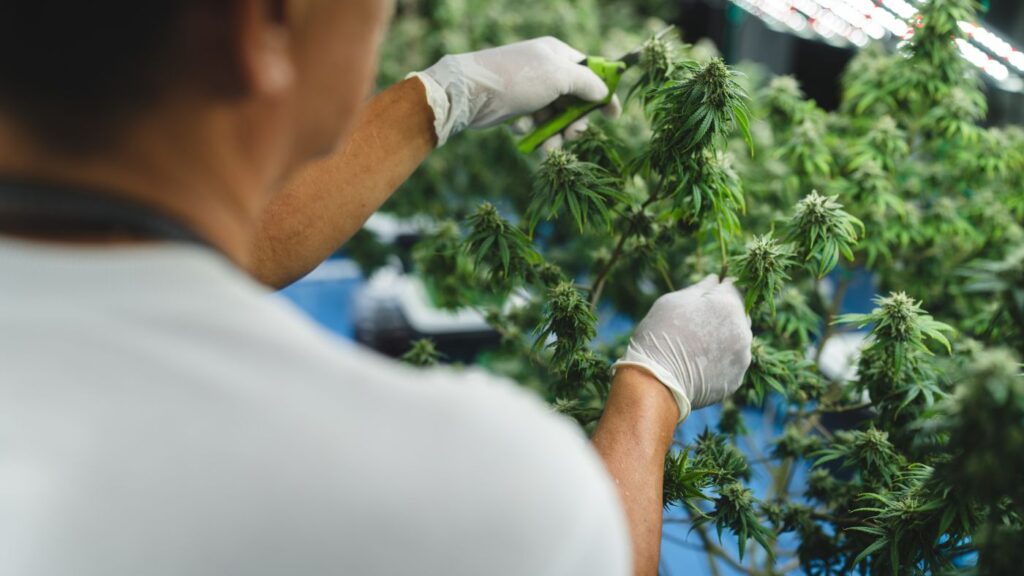 Virginia’s adult-use cannabis framework creates a meaningful pathway for applicants from communities and backgrounds affected by cannabis prohibition and enforcement. The law does not create a separate, stand-alone impact license. Instead, it creates an impact-licensee designation that qualifying applicants may pursue alongside an underlying marijuana establishment license, such as retail, cultivation, processing, microbusiness, transportation, delivery, or testing.
 - Virginia Cannabis Microbusiness License (2027): Eligibility & the Two-Location Model
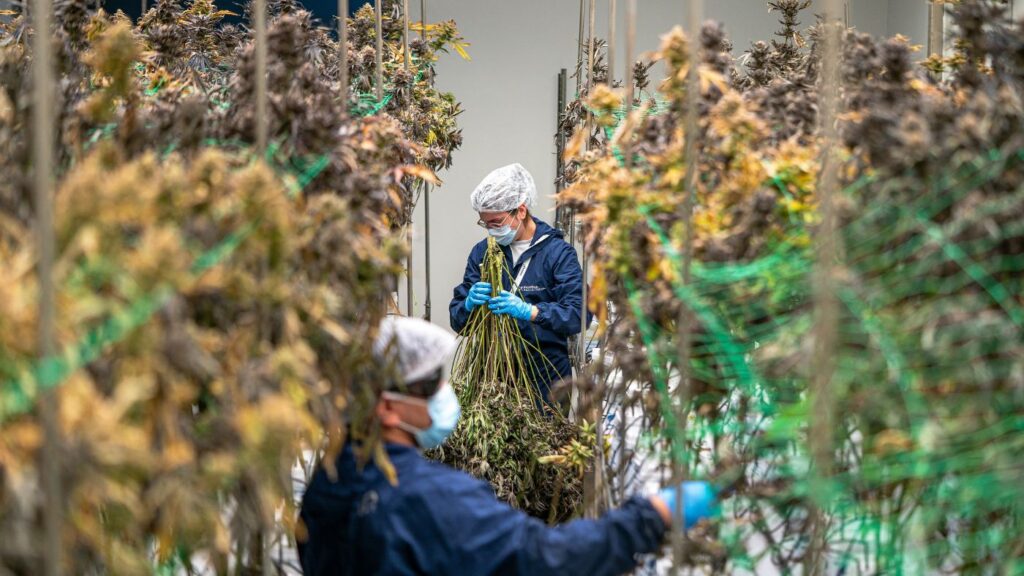 This guide explains the initial eligibility pathways for the licenses the CCA may issue by May 1, 2027, the difference between a microbusiness license and an impact designation, the indoor and outdoor cultivation limits, the precise rules governing two locations, and the financial, security, and operational readiness standards applicants should prepare to demonstrate. Several implementation details – including fees and the specific combination of privileges the CCA will authorize – still depend on forthcoming regulations.
 - Virginia Cannabis Cultivation License (2027): The Tiered System Explained
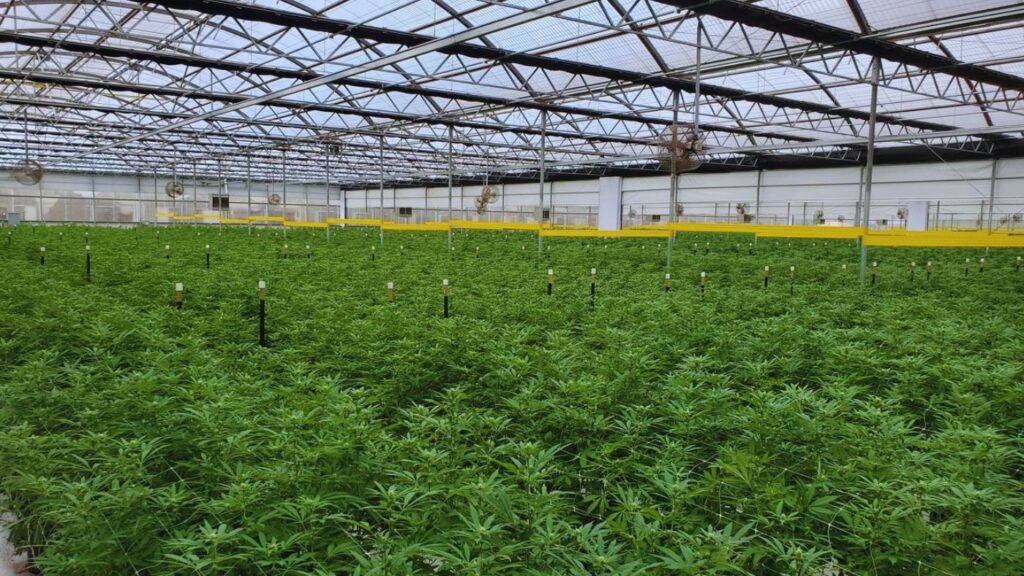 For operators whose strength is growing cannabis, Virginia’s emerging adult-use market presents a significant opportunity – and a cultivation license is the gateway to it. The June 2026 framework authorizes the Virginia Cannabis Control Authority (CCA) to begin accepting license applications on or after February 1, 2027 and issuing licenses on or after May 1, 2027. It also establishes five cultivation tiers with maximum canopies ranging from 5,000 to 35,000 square feet.