
Estimated reading time: 20 minutes
Table of contents
- The 2026 Regulatory Paradigm: From Launch to Scale-Up
- Comprehensive Anatomy of the Minnesota Cannabis Microbusiness License
- The Social Equity Mandate: Auditing the 65% Rule
- Operational Standards: The Final Plan of Record (FPOR)
- Financial and Labor Requirements: The Cost of Entry
- 2026 Fee Structure Overview
- Supply Chain Dynamics and the Testing Bottleneck
- Legislative Shifts: SF 3591 and Potency Regulation
- Municipal Strategy: Zoning, Density, and the “Goodhue Model”
- Federal Compliance and the Hemp-Derived THC Ban
- Step-by-Step Guide to the 2026 Application Process
- Future Outlook: The Road to 2027
- Next Steps: Contact Catalyst BC to Start Scaling Your Minnesota Cannabis Business
- Success Stories: See How Catalyst BC Has Helped Cannabis Businesses Enter and Lead the Market
- Minnesota Cannabis Mezzobusiness and Microbusiness Licensees Ask:
- Additional Resources
- Free eBooks For Cannabis Business Success
- Latest Articles
Cliff Notes: Next Steps for MN Cannabis Mezzobusiness and Microbusiness Licensees
Objective: This article provides a strategic roadmap for Minnesota cannabis mezzobusiness and microbusiness license holders to navigate the 2026 regulatory landscape, optimize vertically integrated operations, and build resilient brands in a maturing market.
Key Components:
- Vertical Integration Advantage: Microbusinesses (up to 5,000 sq. ft. canopy / 1 retail location) and Mezzobusinesses (up to 15,000 sq. ft. canopy / up to 3 retail locations) must leverage their ability to control the full seed-to-sale lifecycle to maintain margins as market competition increases.
- 2026 Compliance Standards: Beyond standard METRC tracking, licensees must now master Batch/Lot Genealogy and Stability Testing (reporting expiration dates in METRC) to meet OCM Technical Standards and avoid costly “ghost inventory” errors.
- The 18-Month Conversion Window: Applicants with preliminary approval have a strict 18-hour window to complete site-specific requirements. Local zoning and “good neighbor” agreements remain the primary bottlenecks for converting to a full operational license.
- Propagative Material Sourcing: As of late 2025/early 2026, all cultivators must ensure their seeds and clones come from OCM-authorized sources traceable within the METRC system.
- Optimized Operations & SOPs: Success in 2026 requires moving beyond paper logs to electronic batch records. Real-time data entry is essential for managing the median market price (currently ~$13.50/gram) and minimizing expensive waste.
- On-Site Lounges & Experience: With the product transition period ended (as of March 31, 2026), dedicated endorsements for on-site consumption are the key differentiator for microbusinesses looking to build immersive community hubs.
- Tax & Financial Rigor: Managing the 15% Cannabis Gross Receipts Tax plus state/local sales tax is non-negotiable. 2026 enforcement focuses heavily on tax delinquency and accurate revenue reporting.
- Strategic Sourcing & Logistics: Take advantage of the temporary transport guidance (valid through early 2026) for lab samples, but prioritize long-term partnerships with licensed transporters for retail distribution.
Catalyst BC offers tailored consulting services to help you launch and scale your Minnesota cannabis mezzobusiness or microbusiness with confidence. Our Minnesota Cannabis Consultants support everything from regulatory compliance and METRC integration to operational efficiency, branding, and strategic growth. Contact Catalyst BC today to schedule a complimentary consultation and accelerate your cannabis business success in Minnesota’s regulated market.
Editors Notes: Originally published June 2025 last fully updated April 2026.
The 2026 Regulatory Paradigm: From Launch to Scale-Up
The transition to the scale-up phase in early 2026 marks the end of the “emergency launch” era, during which the OCM focused on establishing basic supply chains and facilitating the first wave of social equity licenses. As of April 15, 2026, the OCM – under the leadership of Executive Director Eric Taubel – has shifted its focus to permanent licensure requirements and the strict enforcement of Minnesota Statutes Chapter 342. This shift is most visible in the closing of the transition window for Lower-Potency Hemp Edible (LPHE) businesses. On March 31, 2026, all temporary registrations for hemp-derived cannabinoid products (HDCPs) expired, making full OCM licensure a prerequisite for legal operation.
This hard deadline has created a culling effect in the market, where businesses that were unable to meet the high technical standards of the 2026 licensing cycle have been forced to cease operations. The current regulatory climate emphasizes “Pharma-Grade” compliance, moving away from the agricultural norms of the initial rollout. This means that applicants are no longer permitted to use boilerplate language or “placeholder” standard operating procedures (SOPs). Instead, the OCM now requires a “Final Plan of Record” (FPOR) that serves as an immutable blueprint for the business’s physical facility, security protocols, and seed-to-sale tracking.
Comprehensive Anatomy of the Minnesota Cannabis Microbusiness License
The microbusiness license remains the most versatile entry point for small-scale entrepreneurs, allowing for vertical integration across cultivation, processing, and retail within a single license structure. This flexibility is a strategic response to the decentralized supply chain model Minnesota adopted to prevent market monopolization.
Authorized Activities and Tiered Limitations
In the 2026 cycle, the microbusiness license authorizes several distinct nodes of the supply chain, provided the licensee adheres to specific canopy and throughput limits.
| Activity Type | Regulatory Limit and Specification |
| Indoor Cultivation | Up to 5,000 square feet of plant canopy. |
| Outdoor Cultivation | Up to one-half acre (approximately 21,780 square feet). |
| Processing | Production of concentrates, edibles, and topical products. |
| Retail | Operation of one (1) retail location for direct-to-consumer sales. |
| On-Site Consumption | Endorsement for consumption of non-smoked, non-vaped products. |
| Wholesale | Authorization to sell products to other licensed cannabis entities. |
The microbusiness model is particularly advantageous in the current economic climate, where wholesale prices for premium flower have spiked above $4,000 per pound due to a state-wide supply gap. By maintaining control over the entire value chain – from the initial seedling to the final retail transaction – microbusinesses can capture the full margin that would otherwise be lost to intermediaries. Furthermore, microbusinesses are permitted to hold a delivery service endorsement, allowing them to expand their retail reach without the capital expenditure of additional brick-and-mortar locations.
The On-Site Consumption Endorsement
A critical development in 2026 is the stabilization of rules regarding on-site consumption.
Microbusinesses can secure an endorsement to allow for the consumption of edibles and infused beverages within a designated area of their facility. These spaces must have a distinct entrance and cannot permit the smoking or vaporization of cannabis products, ensuring compliance with the Minnesota Clean Indoor Air Act. This endorsement allows microbusinesses to function as “cannabis cafes” or social hubs, providing a competitive edge over standalone retailers who lack this experiential component.
The Social Equity Mandate: Auditing the 65% Rule
Social equity is the non-negotiable cornerstone of Minnesota’s cannabis framework. The state has implemented a rigorous verification process to ensure that the economic benefits of legalization accrue to individuals and communities disproportionately impacted by past prohibition.
Verification Criteria and Perpetuity
Eligibility for social equity status is determined by specific criteria, including prior cannabis convictions (before May 1, 2023), residency in high-poverty or high-enforcement areas for at least five years, or veteran status. Once an individual is verified, that status remains in perpetuity. However, the classification of a business as a social equity entity is subject to ongoing scrutiny.
The 65% Ownership and Control Audit
The OCM requires that verified social equity applicants maintain at least 65% ownership and day-to-day operational control of the business. In the 2026 cycle, the OCM has launched aggressive audits to identify “predatory” management agreements. These are arrangements where an outside investor or a multi-state operator (MSO) provides capital in exchange for control over major business decisions, effectively turning the social equity partner into a passive figurehead.
Regulators are now examining operating agreements and financial records to confirm that the social equity partner:
- Possesses genuine authority over hiring, firing, and strategic direction.
- Receives economic benefits (profits and distributions) proportionate to their 65% stake.
- Is not subject to “sham” arrangements that strip them of their equity in the event of a future sale.
Under Minnesota Statutes Section 342.12(b), any transfer of ownership must maintain at least 65% social equity participation for at least three years after the license is issued. This “anti-flipping” provision is designed to ensure long-term stability for equity-owned businesses and to prevent the rapid consolidation of the market by well-capitalized non-equity firms.
Operational Standards: The Final Plan of Record (FPOR)
For applicants in 2026, the transition from “preapproval” to “full licensure” hinges on the successful submission of the Final Plan of Record (FPOR). This document is not merely a formality; it is a legally binding blueprint of the entire operation.
Pharma-Grade Facility Design
The OCM’s shift toward “Pharma-Grade” standards requires microbusinesses to adopt facility designs that prevent microbial contamination. This includes:
- Decoupled Workflows: Designing the facility so that employees and materials do not move between “dirty” areas (like soil storage or receiving) and “clean” areas (like flowering rooms or processing labs) without proper sanitation protocols.
- Environmental Controls: Implementing high-efficiency HVAC and filtration systems to meet the state’s strict microbial testing standards for flower and concentrates.
- Biosecurity Zones: Establishing physical barriers and airlocks to prevent the introduction of pests and pathogens into the cultivation environment.
Integrated Technology and Seed-to-Sale Tracking
Minnesota utilizes Metrc as its mandatory seed-to-sale tracking system. Every plant must be tagged with a unique identifier, and every movement of that plant – or any product derived from it – must be logged in the system in real-time. In the 2026 cycle, the OCM is strictly auditing Metrc data against physical inventory during unannounced inspections. Failure to maintain accurate records is now a primary cause for license suspension or heavy financial penalties.
SOP Excellence: Accounting, Security, and Quality Assurance
The 2026 application process requires “shelf-ready” SOPs across multiple categories.
| SOP Category | Critical 2026 Requirement |
| Inventory Control | Detailed procedures for storage, diversion prevention, and waste disposal. |
| Accounting & Tax | Strategies for compliance with Section 280E (if applicable) and state tax reporting. |
| Quality Assurance | Protocols for batch testing, microbial remediation, and stability testing. |
| Security | Plans for 24/7 video surveillance, secure entry, and emergency response. |
The OCM provides preliminary templates for these plans, but applicants in the current cycle are expected to customize these documents to reflect their specific facility and equipment.
Financial and Labor Requirements: The Cost of Entry
While the application fee for a microbusiness is relatively low ($500), the overall capital requirements for the 2026 scale-up phase are significant.
Capitalization and Operational Runway
The OCM does not mandate a specific bank balance, but it does require proof of sufficient capitalization to execute the FPOR. In practice, regulators are looking for evidence of 12 to 18 months of operational runway. This scrutiny is intended to prevent the issuance of “zombie licenses” – entities that obtain a license but lack the funding to complete construction or hire staff, thereby tying up market capacity without contributing to the supply of legal cannabis.
The Labor Peace Agreement (LPA)
A mandatory condition for both initial licensure and annual renewal is the Attestation of a Labor Peace Agreement (LPA). All applicants with more than a de minimis number of employees must enter into an agreement with a bona fide labor organization. This agreement ensures that the employer will remain neutral in unionization efforts, while the union agrees not to engage in strikes or work stoppages. This “Day 1” requirement is a central part of Minnesota’s effort to create a stable, middle-class workforce within the cannabis sector.
2026 Fee Structure Overview
The financial burden for microbusinesses is intentionally lower than that of larger operators to encourage diversity and small-business participation.
| License Type | Application Fee | Initial License Fee | Annual Renewal Fee |
| Microbusiness | $500 | $0 | $2,000 |
| Mezzobusiness | $5,000 | $5,000 | $10,000 |
| Cultivator | $10,000 | $20,000 | $30,000 |
| Retailer | $2,500 | $2,500 | $5,000 |
Supply Chain Dynamics and the Testing Bottleneck
The 2026 Minnesota market is defined by friction in the supply chain, particularly regarding product testing and the availability of wholesale flower.
The In-State Testing Requirement
A critical bottleneck exists for adult-use cannabis flower. Under current law, all adult-use marijuana must be tested by state-licensed labs located within Minnesota. As of April 2026, the demand for testing significantly exceeds the capacity of the small number of licensed labs, leading to backlogs that can delay product launches by several weeks. Microbusinesses must demonstrate “Lab-Ready” harvest cycles – scheduling their harvests and testing windows well in advance – to ensure a consistent flow of product to their retail shelves.
Relief for the Hemp-Derived Sector
In contrast, Governor Walz signed emergency legislation in March 2026 that allows manufacturers and wholesalers of lower-potency hemp edibles to utilize out-of-state testing laboratories through May 31, 2027. This relief is intended to prevent the collapse of the hemp-derived sector while in-state lab capacity expands. However, this flexibility does not currently apply to adult-use marijuana, creating a dual-track market where hemp products have a faster path to market than high-THC cannabis flower.
Tribal-State Compacts: The Supply Safety Net
To mitigate the shortage of state-licensed flower, Minnesota has signed cannabis compacts with eight tribal nations as of March 2026. These compacts allow tribal nations to sell cannabis products to state-licensed retailers. For microbusinesses that also hold a retail endorsement, these compacts provide a critical “supply safety net,” allowing them to supplement their own small harvests with product from tribal cultivators during periods of high demand or testing delays.
Legislative Shifts: SF 3591 and Potency Regulation
The legislative landscape remains fluid, with significant new proposals entering the 94th Legislature in early 2026. The most prominent of these is Senate File (SF) 3591, which aims to establish strict THC potency limits across the adult-use market.
Proposed Potency Caps
If passed, SF 3591 would impose the following caps:
- Adult-Use Flower: A maximum of 15% total THC.
- Cannabis Concentrates: A maximum of 30% total THC.
- Topical/Transdermal Products: A cap of 500mg of total THC per package.
These limits would represent some of the most restrictive potency regulations in the United States. For microbusinesses, this legislation would necessitate a fundamental shift in cultivation strategy, prioritizing terpene profiles and minor cannabinoids over raw THC percentage to attract consumers. Critics of the bill argue that such restrictive caps could drive consumers back to the unregulated illicit market, where no such limits exist.
New Labeling and Packaging Requirements
SF 3591 also introduces extensive new labeling mandates, including eight specific health warnings that must be affixed to all product packaging. These warnings address risks such as paranoia, dependence, and the dangers of using cannabis while pregnant or driving. The bill also proposes a ban on “infused prerolls” (ready-to-smoke units with added concentrates) and any products that resemble candy or are marketed to children.
Municipal Strategy: Zoning, Density, and the “Goodhue Model”
The success of a microbusiness is heavily dependent on its relationship with local government. While the state issues the license, local municipalities control the physical site through zoning and local registration.
The Challenge of “Green Zones”
As of April 2026, many major municipalities like Minneapolis and Duluth are approaching their density caps. State law mandates that cities allow at least one retail license per 12,500 residents. Once a city meets this mandate, it has the authority to “opt out” of additional licenses, making the identification of “green-zone” properties in Tier-2 municipalities – those with growing populations but fewer existing dispensaries – a primary hurdle for new applicants.
The Municipal Registration Process
Applicants must secure preliminary approval from the OCM before they can complete local registration. Some cities, such as Brooklyn Center and Goodhue County, have established their own competitive tender processes, where retail slots are awarded based on a combination of OCM approval and a “merit-style” local score that evaluates the applicant’s community impact plan. Identifying these windows of opportunity is essential for microbusiness operators who need to secure a retail site to fulfill their vertical integration strategy.
Federal Compliance and the Hemp-Derived THC Ban
A significant external factor in the 2026 market is the federal landscape. In November 2025, the federal government passed a spending bill that includes a provision banning hemp-derived products containing more than 0.4mg of THC, effective November 13, 2026.
This federal move creates immense uncertainty for the Minnesota hemp industry, which has thrived under the state’s 5mg-per-serving/50mg-per-package rules. Businesses currently operating under a Lower-Potency Hemp Edible (LPHE) license must prepare for the possibility that their products will become federally illegal in late 2026, further underscoring the importance of transitioning to a full adult-use cannabis microbusiness license, which is regulated under state law and less vulnerable to this specific federal spending provision.
Step-by-Step Guide to the 2026 Application Process
For those entering the market in the current cycle, the following sequence represents the most effective path to licensure.
Step 1: Social Equity Verification
Verification remains the first hurdle. Applicants must submit documentation – such as court records of cannabis convictions or proof of residency in disproportionately impacted areas – to the OCM’s verification portal. This process is free and once completed, provides a verification number that is required for the main application.
Step 2: Finalizing the Plan of Record (FPOR)
The applicant must develop the FPOR, ensuring that all SOPs for quality assurance, inventory control, and accounting meet “Pharma-Grade” standards. This stage should include a consultation with an architect or facility designer to ensure that the physical layout supports decoupled workflows and environmental controls.
Step 3: Securing a Compliant Site and Local Support
Before submitting the final application, the applicant should secure a lease or purchase agreement for a property that meets both state and local zoning requirements. Engaging with local planning staff early can help streamline the subsequent local registration process.
Step 4: Submission via the Accela Portal
The complete application package – including the FPOR, capitalization table, disclosure of ownership, and the $500 fee – is submitted via the OCM’s Accela system. The OCM’s review process typically includes a “Request for More Information” (RFMI) phase, where the applicant has a limited window to correct any deficiencies in their documentation.
Step 5: Post-Approval Requirements
Once preliminary approval is granted, the applicant must finalize their Labor Peace Agreement, complete background checks for all owners and managers, and secure final local site approval before the license is formally issued.
Future Outlook: The Road to 2027
The Minnesota cannabis market is projected to reach full stabilization and maturity by late 2027, as large-scale cultivators reach their full 30,000-square-foot capacity. However, the microbusiness model remains the most resilient against the threat of market saturation. By focusing on high-quality, craft production and leveraging the on-site consumption and delivery endorsements, microbusinesses can maintain high margins and brand loyalty even as wholesale prices eventually decline.
The integration of medical cannabis, adult-use cannabis, and hemp-derived products under a single regulatory framework in late 2025 has created a unified market where safety and equity are paramount. For the 2026 applicant, success is defined not just by securing a license, but by the ability to maintain the “Pharma-Grade” standards and social equity commitments that the OCM now audits with uncompromising rigor.
Next Steps: Contact Catalyst BC to Start Scaling Your Minnesota Cannabis Business
Whether you are navigating the “Year One” hurdles of Minnesota’s regulated market or looking to scale an existing operation, we provide the specialized consulting necessary to turn your license into a thriving enterprise. Our team offers end-to-end support, from mastering advanced METRC integration – including batch genealogy and stability reporting – to guiding you through the critical site conversion process for local endorsements and final OCM inspections. By developing robust SOPs that boost operational efficiency and protect your bottom line, we help you build a resilient brand identity that stands out in a crowded retail environment.
Contact us today to schedule a complimentary consultation and move your Minnesota cannabis business from preliminary approval to long-term operational success.
Success Stories: See How Catalyst BC Has Helped Cannabis Businesses Enter and Lead the Market
From initial startup and facility build-outs to high-value exit strategies, our cannabis consultants provide the expertise needed to navigate the complexities of the legal cannabis industry.
Minnesota Cannabis Mezzobusiness and Microbusiness Licensees Ask:
A cannabis microbusiness is permitted to cultivate up to 5,000 square feet of indoor plant canopy or up to one-half acre (approximately 21,780 square feet) of outdoor plant canopy. These limits are strictly enforced by the OCM through regular inspections and Metrc tracking.
Generally, no. The Minnesota cannabis microbusiness license is specifically designed for vertical integration within a single entity, meaning cultivation, manufacturing, delivery, and a single retail operation (including on-site consumption) are already built into the license. To prevent the concentration of market power, microbusiness owners are strictly prohibited from holding an ownership interest in other major license categories, such as a Cannabis Mezzobusiness, Cannabis Cultivator, or standalone Cannabis Retailer. The only exception is that a microbusiness operator may simultaneously hold a Cannabis Event Organizer license. We recommend confirming various structures with appropriate legal counsel.
The 65% rule remains a non-negotiable requirement. Verified social equity individuals must hold at least 65% ownership and operational control of the business. The OCM is now actively auditing management agreements to ensure that equity partners are not being marginalized by outside investors.
March 31, 2026, was the “hard transition deadline.” All temporary registrations for hemp-derived cannabinoid products expired, and businesses were required to obtain a permanent Lower-Potency Hemp Edible (LPHE) or adult-use cannabis license to continue operating legally.
A microbusiness is authorized to operate one (1) retail location under its license. To operate additional locations, an entrepreneur would typically need to move to the Mezzobusiness tier (up to 3 locations) or the Retailer tier (up to 5 locations), though these tiers involve higher fees and different regulatory requirements.
No. While manufacturers of hemp-derived products can use out-of-state labs until May 2027, adult-use cannabis flower must be tested by a state-licensed laboratory located within Minnesota. This requirement has led to significant testing backlogs in the early 2026 market.
Senate File 3591 is a major 2026 bill that proposes a 15% THC cap on cannabis flower and a 30% cap on concentrates. If passed, it would require microbusinesses to change their genetic selection and processing methods to comply with the new potency limits.
Yes. All cannabis business applicants with more than a de minimis number of employees must provide an attestation that they have entered into and will maintain a Labor Peace Agreement (LPA) with a bona fide labor organization.
In the 2026 cycle, the process typically takes 90 to 120 days from the close of the application window or the submission of the FPOR. This timeline includes the “Request for More Information” (RFMI) period, during which applicants must resolve any deficiencies.
Catalyst BC Cannabis Consultants provide expert support with METRC setup, SOPs, facility design, marketing compliance, and business modeling. Their guidance helps maximize your license, avoid compliance missteps, and grow a sustainable cannabis enterprise.
Additional Resources
Free eBooks For Cannabis Business Success




Latest Articles
- How Much Does It Cost to Open a Cannabis Dispensary in 2026
 The allure of jumping into the legalized cannabis industry often paints a picture of quick riches and burgeoning demand, yet the reality of establishing a licensed cannabis dispensary is far more nuanced, capital-intensive, and fraught with unique financial challenges. For aspiring entrepreneurs and seasoned investors alike, understanding the true dispensary startup costs is the absolute bedrock of success.
 - Virginia Cannabis Facility Design & Build-Out for the 2027 Market
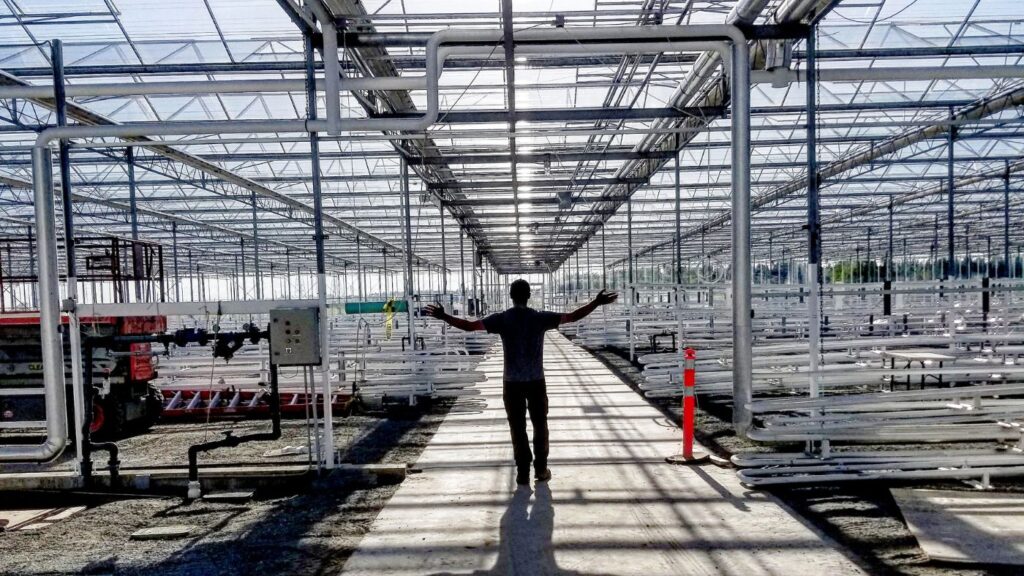 This guide covers the major considerations involved in planning and building a Virginia cannabis facility, with a focus on retail and cultivation operations and additional considerations relevant to processors and microbusinesses. It is written from the build side of the business, because that is where many otherwise-strong applicants stumble: they underestimate utility needs, local approvals, security infrastructure, commissioning, and the time required to convert a site into an inspection-ready operation.
 - Virginia Dual-Use Cannabis Conversion (2027): The $10M Medical-to-Adult-Use Pathway
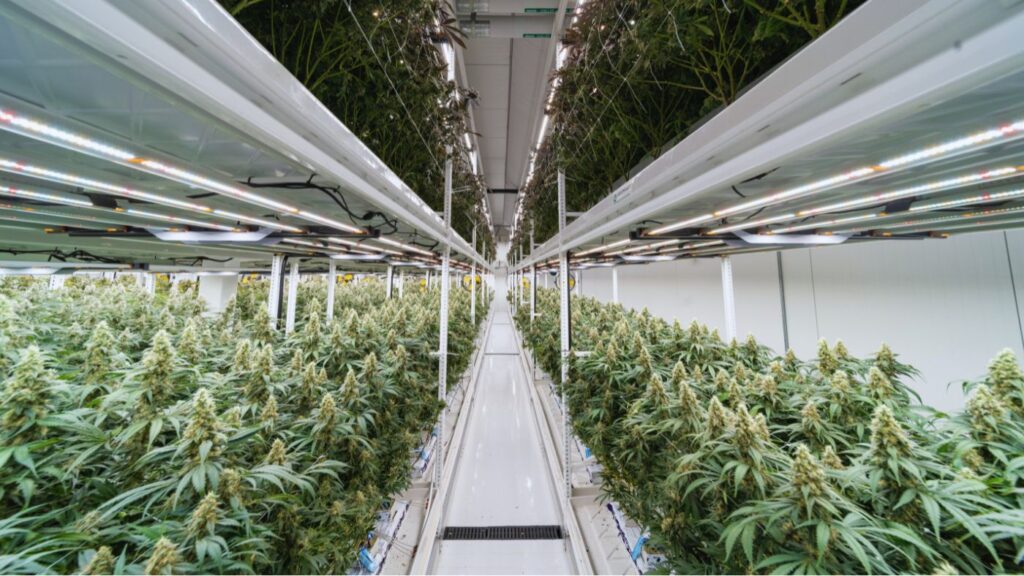 For Virginia’s existing medical cannabis operators, the 2026 retail framework created a distinct and high-stakes transition: pharmaceutical processors may apply for verification to exercise dual-use privileges and serve both registered medical patients and adult-use customers. The pathway covers the processor and its permitted cannabis dispensing facilities, and it carries a one-time $10 million fee, a required medical cannabis program preservation plan, an impact-licensee business accelerator commitment, and a firm May 1, 2027 payment or installment-plan deadline.
 - Virginia Impact Cannabis License (2027): Social Equity & the Equity Business Loan Fund
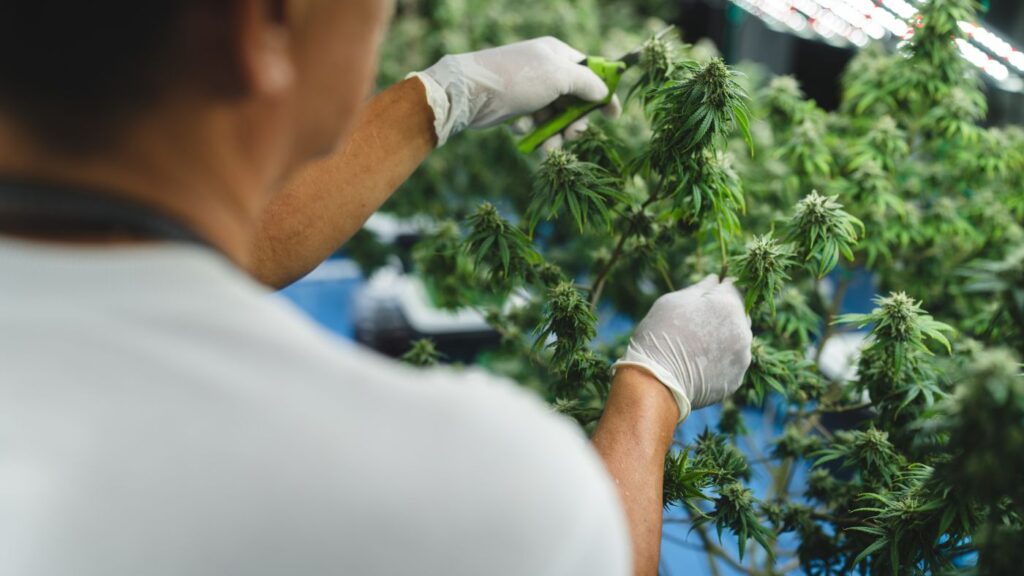 Virginia’s adult-use cannabis framework creates a meaningful pathway for applicants from communities and backgrounds affected by cannabis prohibition and enforcement. The law does not create a separate, stand-alone impact license. Instead, it creates an impact-licensee designation that qualifying applicants may pursue alongside an underlying marijuana establishment license, such as retail, cultivation, processing, microbusiness, transportation, delivery, or testing.
 - Virginia Cannabis Microbusiness License (2027): Eligibility & the Two-Location Model
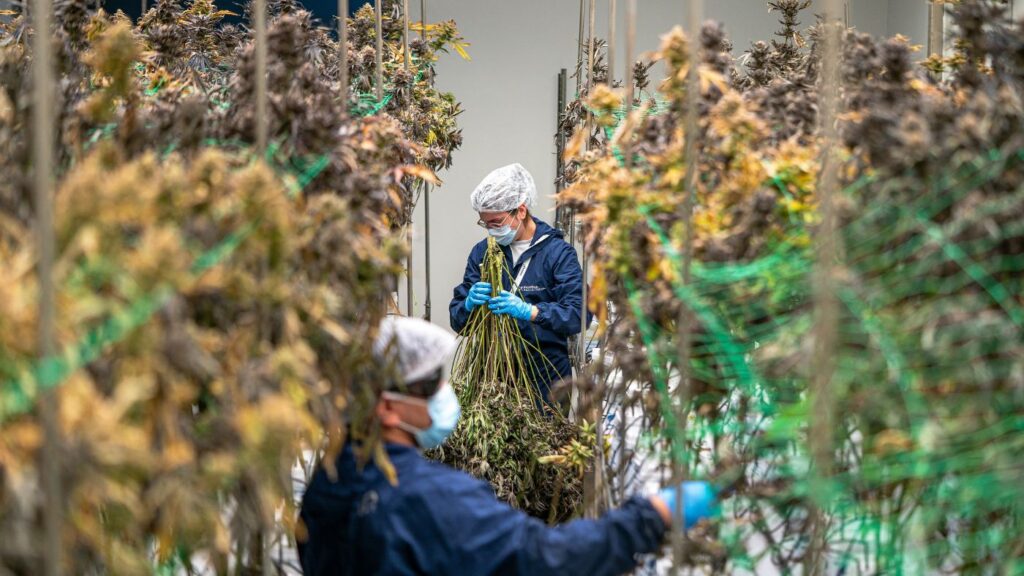 This guide explains the initial eligibility pathways for the licenses the CCA may issue by May 1, 2027, the difference between a microbusiness license and an impact designation, the indoor and outdoor cultivation limits, the precise rules governing two locations, and the financial, security, and operational readiness standards applicants should prepare to demonstrate. Several implementation details – including fees and the specific combination of privileges the CCA will authorize – still depend on forthcoming regulations.
 - Virginia Cannabis Cultivation License (2027): The Tiered System Explained
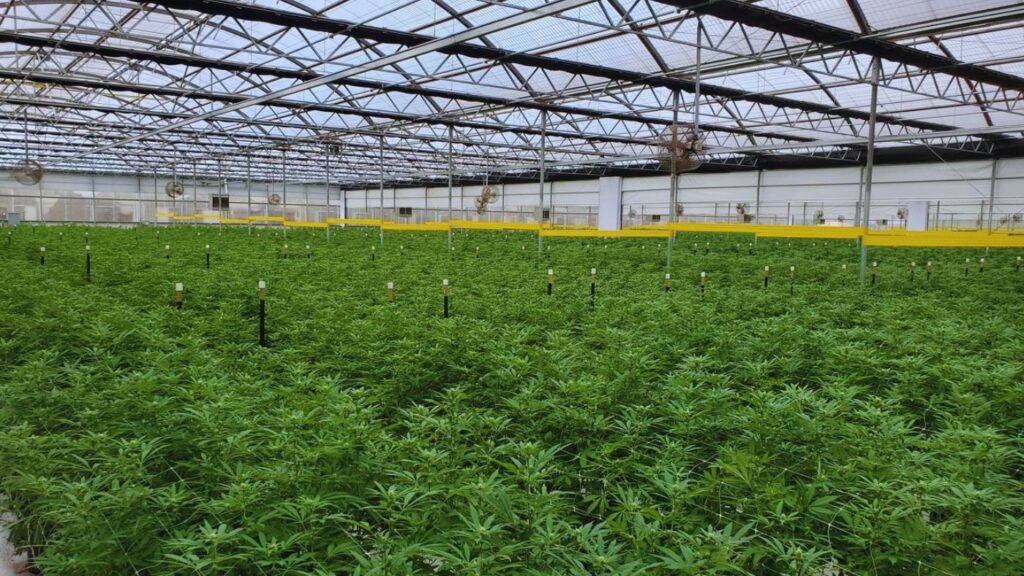 For operators whose strength is growing cannabis, Virginia’s emerging adult-use market presents a significant opportunity – and a cultivation license is the gateway to it. The June 2026 framework authorizes the Virginia Cannabis Control Authority (CCA) to begin accepting license applications on or after February 1, 2027 and issuing licenses on or after May 1, 2027. It also establishes five cultivation tiers with maximum canopies ranging from 5,000 to 35,000 square feet.