
Estimated reading time: 11 minutes
Table of contents
- Which MN Cannabis License Types the State Accepts Today
- Getting Into a Capped License Without a New Window
- Dates That Change the Options in 2026 and 2027
- Minnesota Cannabis Market Data for 2026
- Minnesota Cannabis License Requirements for Cannabis (Non-Hemp) Licenses
- Choosing Your Route
- Success Stories: See How Catalyst BC Has Helped Cannabis Businesses Enter and Lead the Market
- MN Cannabis License FAQs
- Additional Resources
- Free eBooks For Cannabis Business Success
- Latest Articles
Cliff Notes: Minnesota cannabis license options, October 2026
Which MN cannabis license can you actually get in 2026? The state’s capped licenses went to 2025 lottery winners, and the regulator has set no new application round, so the options look like this.
- Open now: three hemp edible licenses (manufacturer, wholesaler, retailer), the event organizer license and the testing lab license, all accepted year-round.
- Closed: microbusiness, mezzobusiness, cultivator, manufacturer, retailer, wholesaler, transporter and delivery service, whose single 2025 window shut on March 16.
- Buying in: issued licenses can be sold once they pass final inspection and the state signs off; social equity licenses must stay social equity owned for three years.
- January 1, 2027: the macrobusiness license replaces the medical combination business, and the event organizer license becomes annual.
- July 1, 2027: the interim license caps end and OCM must start setting new license numbers.
- Market size: 369 licensed businesses, and roughly $250 million of combined adult-use and medical sales in year one (OCM, September 15, 2026).
Updated October 4, 2026, from OCM pages, Minnesota Statutes chapter 342 and Laws 2026, chapter 123.
Which MN Cannabis License Types the State Accepts Today
On October 4, 2026, a new MN cannabis license is available in only five categories, which the Office of Cannabis Management (OCM) reviews year-round: the three lower-potency hemp edible (LPHE) licenses, the event organizer license and the testing lab license (OCM License Types). The other license types had one window in early 2025, and the regulator has not said when, or whether, it will open another (OCM Application Process).
| License | Status | Application / initial / renewal fee | What it allows |
|---|---|---|---|
| LPHE manufacturer | Open, ongoing | $250 / $1,000 / $1,000 | Make hemp-derived edibles and beverages |
| LPHE wholesaler | Open, ongoing | $250 / $10,000 / $10,000 | Buy and resell hemp-derived edibles and beverages |
| LPHE retailer | Open, ongoing | $250 / $250 / $250 per retail location | Sell hemp edibles; no cap on locations, but each store needs local registration |
| Cannabis event organizer | Open, ongoing | $750 / $750 (through December 31, 2026) | One temporary event of up to four consecutive days per license |
| Cannabis testing facility | Open, ongoing | $5,000 / $5,000 / $10,000 | Lab testing; the holder cannot hold any other license |
| Microbusiness, mezzobusiness, cultivator, manufacturer, retailer, wholesaler, transporter, delivery service | Closed (2025 window only) | Set in Minn. Stat. §342.11 | No future window announced |
Status and fee figures checked October 4, 2026 against the regulator’s license list and section 342.11.
Getting Into a Capped License Without a New Window
Applicants for the four capped license types (and the medical cannabis combination license) were selected in two 2025 lotteries (OCM License Lottery Results). With no new round on the calendar, there are four practical ways in.
1. Buy an issued license
Once a license has cleared its final site inspection, it can be sold, but only after the regulator approves the deal in writing. OCM counts it as a transfer whenever a new person becomes majority owner, and even when the same owners move the license into a new company; OCM says ownership changes can take 60 to 90 days to review. Social equity licenses carry an extra condition: for three years after issuance, the buyer must keep at least 65% social equity ownership (OCM Making Cannabis Business Changes).
2. Invest in an applicant that won a lottery
Until it is licensed, a lottery winner cannot hand majority control to someone new, and its preliminary approval is not transferable, so outside capital comes in as a minority position. Anyone with control or a share of profits must be disclosed as a “true party of interest,” and the business has to tell the regulator where its money came from before spending it (Minn. Stat. §342.185). The 2026 law also lets a single investor hold as much as 33% controlling ownership in as many as four social equity businesses (Laws 2026, chapter 123).
3. Start with a license that is open
An LPHE license is the fastest regulated entry, and the 2026 session removed the general prohibition on holding a cannabis business license and a hemp business license at the same time (OCM Federal Hemp Changes). Most cannabis license holders can also apply for an event organizer license; until January 1, 2027, the statute bars an event organizer from also holding a hemp edible license, even though OCM’s License Types page says otherwise. A testing facility, by contrast, may hold no other license.
4. Partner with a municipal cannabis store
A city or county may establish, own and operate a municipal cannabis store (Minn. Stat. §342.32, subd. 5). OCM says a city or county that wants to run a municipal store applies for a cannabis retailer license during an open retailer window, and municipal retailer licenses are not subject to the lottery. Since the 2026 law, a private license holder may contract with up to 10 cities or counties to operate their municipal stores.
Dates That Change the Options in 2026 and 2027
- December 11, 2026: the federal definition of hemp changes unless other federal action occurs. OCM says Minnesota’s definitions of lower-potency hemp edibles do not change.
- January 1, 2027: the macrobusiness license replaces the medical combination license. It starts at 38,000 square feet of indoor canopy, OCM may authorize up to 45,000 after three renewals for indoor holders with a medical cultivation endorsement, and the state may issue at most eight of them before 2030.
- January 1, 2027: the event organizer license becomes an annual, renewable license: $750 application, $0 initial license, $750 renewal and $750 for each temporary event application.
- January 1, 2027: if your application was approved to move forward (“qualified”) before June 1, 2026, that approval ends; approvals granted after that last six months, and OCM must then deny the application, though you can reapply. Microbusinesses with two years of medical cultivation endorsement can ask to move up to mezzobusiness, once the regulator says slots exist.
- July 1, 2027: the temporary license caps expire. From then on the regulator sets the number of capped licenses itself, and the social equity count may not fall below the general count.
All 2027 changes come from Laws 2026, chapter 123 (signed May 26, 2026).
Minnesota Cannabis Market Data for 2026
OCM’s one-year update, published September 15, 2026, gives the clearest picture of the market a new license would enter (OCM one-year market update):
- More than $250 million in sales since state-licensed retail began on September 16, 2025: about $150 million adult-use and $100 million medical.
- 369 licensed businesses; 43% have verified social equity owners, and social equity businesses hold 86% of the licenses issued in the four capped types.
- Plants in the tracking system grew from 72,083 at 11 license holders to 486,720 at 102 license holders, with 95 newly licensed cultivators in June, July and August 2026 alone.
- Nearly three-quarters of license holders endorsed for cultivation are microbusinesses.
- $45.6 million in state tax collected on cannabis and hemp edible sales over the ten months from September 2025 through July 2026.
- Compacts or a cooperative agreement with nine of the 11 Tribal Nations sharing territory with Minnesota, and more than 90,000 registered medical cannabis patients.
We found no wholesale or retail price data from OCM, and hemp edible sales sit outside Metrc, so any price assumption in a business plan needs its own evidence.
Minnesota Cannabis License Requirements for Cannabis (Non-Hemp) Licenses
These apply to cannabis licenses. Hemp edible retailers and wholesalers do not need a labor peace agreement, and hemp edible sales are not tracked in Metrc; hemp edible manufacturers do need a labor peace agreement.
- Ownership disclosure: every true party of interest, and the source of all invested money, must be disclosed to OCM.
- Labor peace agreement: an agreement with a bona fide labor organization that, at a minimum, prohibits picketing, work stoppages and boycotts against the business; OCM lists it among the final steps before licensure.
- Local approval: the city or county certifies zoning and code compliance, and every retail location registers locally before its first sale.
- Tracking and testing: cannabis plants and products are tracked in Metrc and tested by an OCM-licensed laboratory before sale.
- People: since March 1, 2026, new hires are background-checked by the state BCA with fingerprints.
- Renewal: every license renews each year, and a business whose renewal is still pending at expiration has to stop operating.
Choosing Your Route
The right MN cannabis license route depends on how much control you need and how soon you need revenue. An LPHE or event license can start this year. A transfer gives you an operating business but depends on OCM approval and, for social equity licenses, on the buyer’s status. Investing in a lottery winner costs less but leaves you outside control until licensure. For fee tables, approval timers and ownership limits in one place, see our Minnesota cannabis consulting page, or book a Minnesota consultation.
Success Stories: See How Catalyst BC Has Helped Cannabis Businesses Enter and Lead the Market
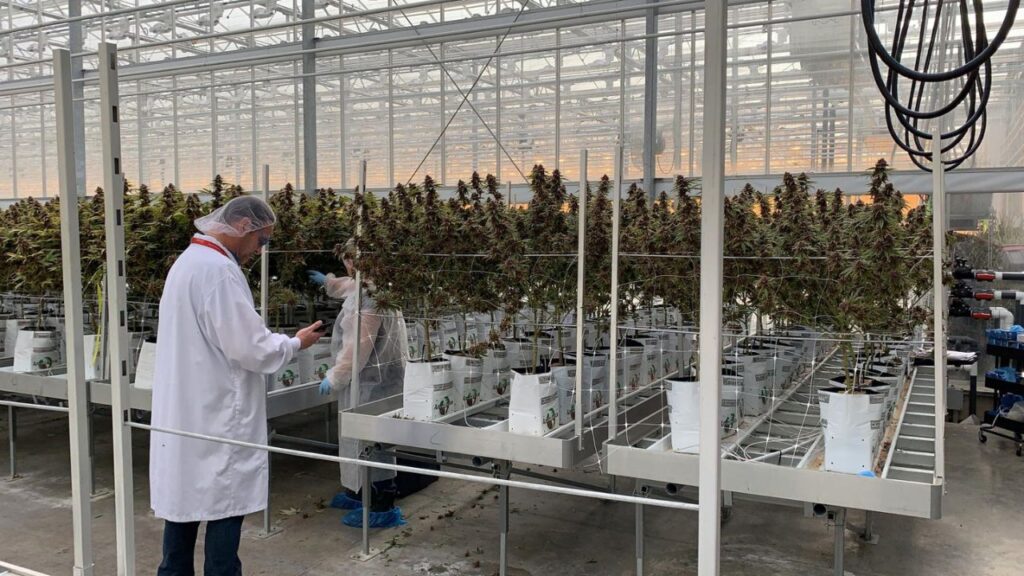
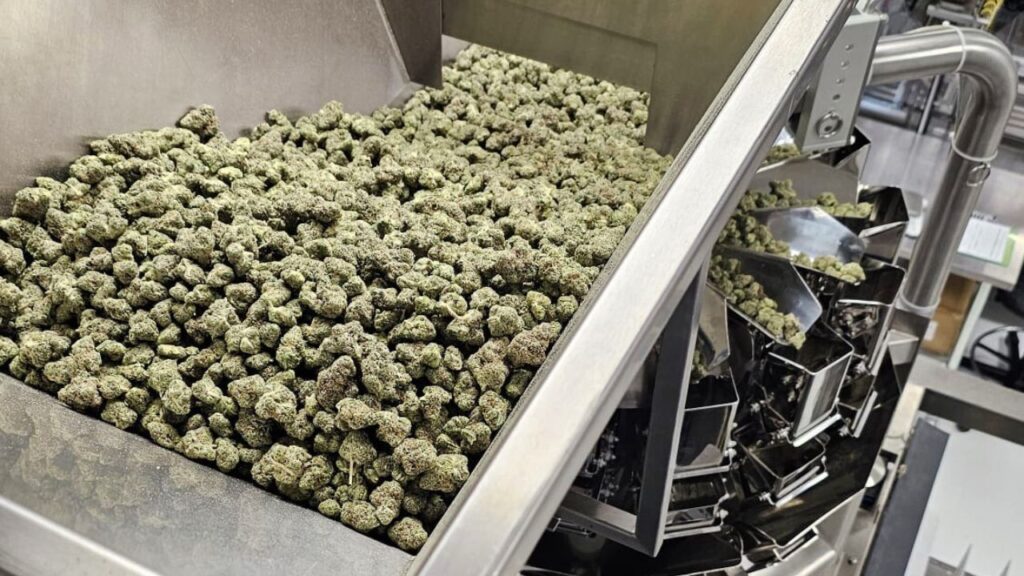
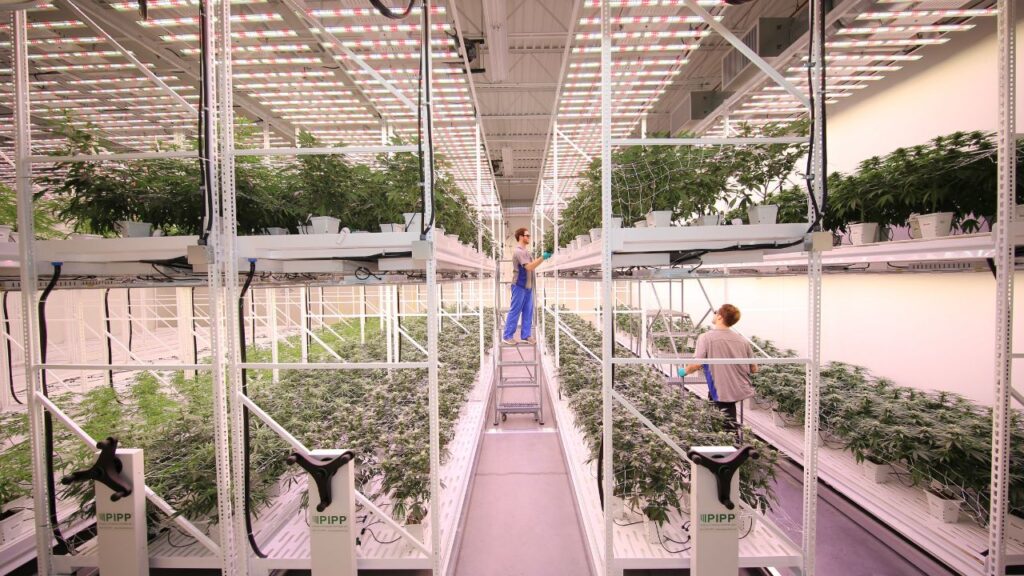
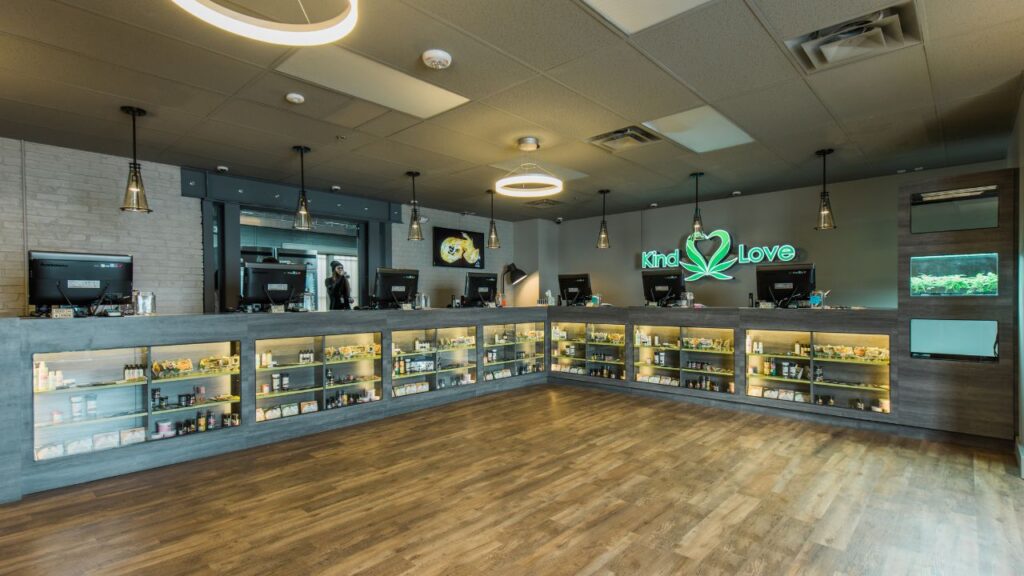
From startup and facility build-outs to exits, these projects show the work of the same team. The Leafline Labs tile is our Minnesota project, in Cottage Grove.
MN Cannabis License FAQs
Yes, in five categories: the three hemp edible licenses, the event organizer license and the testing lab license, all reviewed year-round. The other license types have been closed since the spring 2025 window ended.
No date has been announced. The temporary caps expire July 1, 2027, after which the regulator decides how many capped licenses to make available.
Yes, after it passes final site inspection and the regulator approves the sale in writing. Social equity licenses must stay at least 65% social equity owned for three years after issuance.
OCM says the 2026 legislative session removed the general prohibition on holding a cannabis business license and a hemp business license at the same time. License-specific ownership limits still apply.
A $250 application fee, a $250 initial license fee and a $250 renewal fee for each retail location. Each location also needs a local retail registration.
Yes. A city or county may establish, own and operate a municipal cannabis store. OCM says the city or county applies for a cannabis retailer license during an open retailer window, and municipal retailer licenses are not subject to the lottery.
As of September 15, 2026, OCM counted 369, and 43% of them had verified social equity owners.
Additional Resources
- Catalyst BC in Minnesota
- Cannabis Microbusiness License in Minnesota: A Comprehensive Guide
- Minnesota Cannabis Social Equity Verification Guide
- Minnesota Cannabis Event Organizer License Guide
- Minnesota Cannabis Expungement Guide
Free eBooks For Cannabis Business Success




Latest Articles
- How Much Does It Cost to Open a Cannabis Dispensary in 2026
 The allure of jumping into the legalized cannabis industry often paints a picture of quick riches and burgeoning demand, yet the reality of establishing a licensed cannabis dispensary is far more nuanced, capital-intensive, and fraught with unique financial challenges. For aspiring entrepreneurs and seasoned investors alike, understanding the true dispensary startup costs is the absolute bedrock of success.
 - Virginia Cannabis Facility Design & Build-Out for the 2027 Market
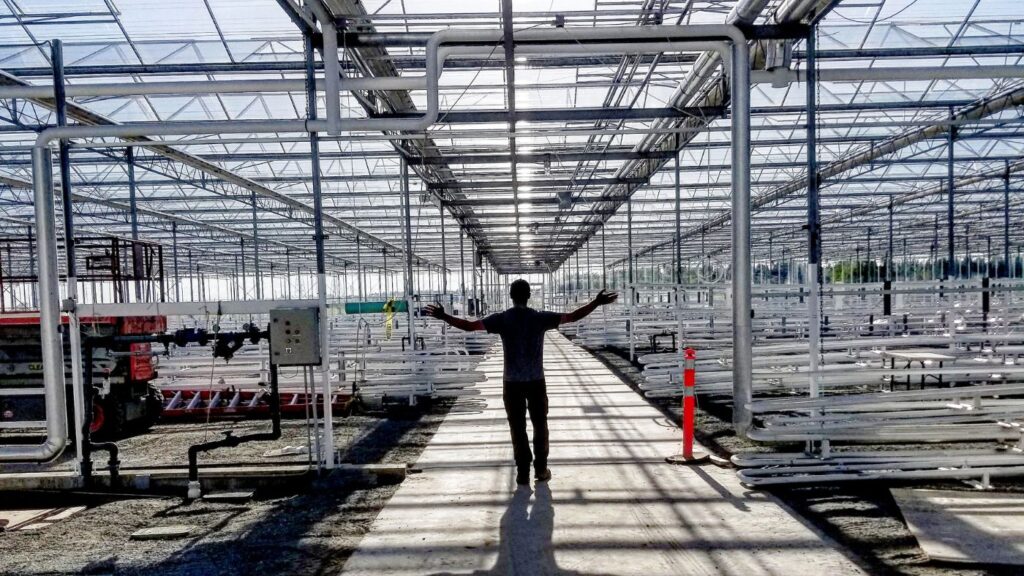 This guide covers the major considerations involved in planning and building a Virginia cannabis facility, with a focus on retail and cultivation operations and additional considerations relevant to processors and microbusinesses. It is written from the build side of the business, because that is where many otherwise-strong applicants stumble: they underestimate utility needs, local approvals, security infrastructure, commissioning, and the time required to convert a site into an inspection-ready operation.
 - Virginia Dual-Use Cannabis Conversion (2027): The $10M Medical-to-Adult-Use Pathway
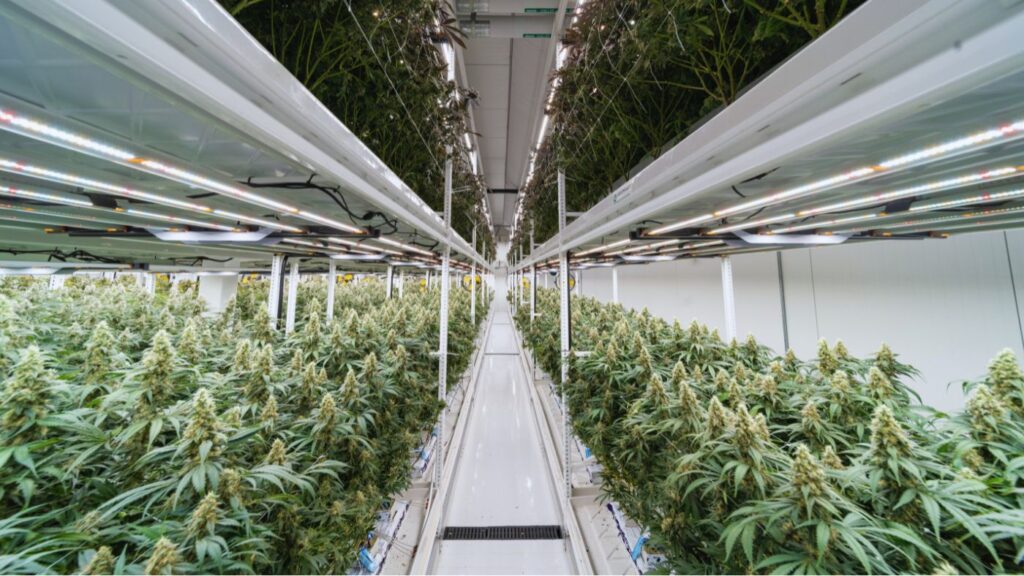 For Virginia’s existing medical cannabis operators, the 2026 retail framework created a distinct and high-stakes transition: pharmaceutical processors may apply for verification to exercise dual-use privileges and serve both registered medical patients and adult-use customers. The pathway covers the processor and its permitted cannabis dispensing facilities, and it carries a one-time $10 million fee, a required medical cannabis program preservation plan, an impact-licensee business accelerator commitment, and a firm May 1, 2027 payment or installment-plan deadline.
 - Virginia Impact Cannabis License (2027): Social Equity & the Equity Business Loan Fund
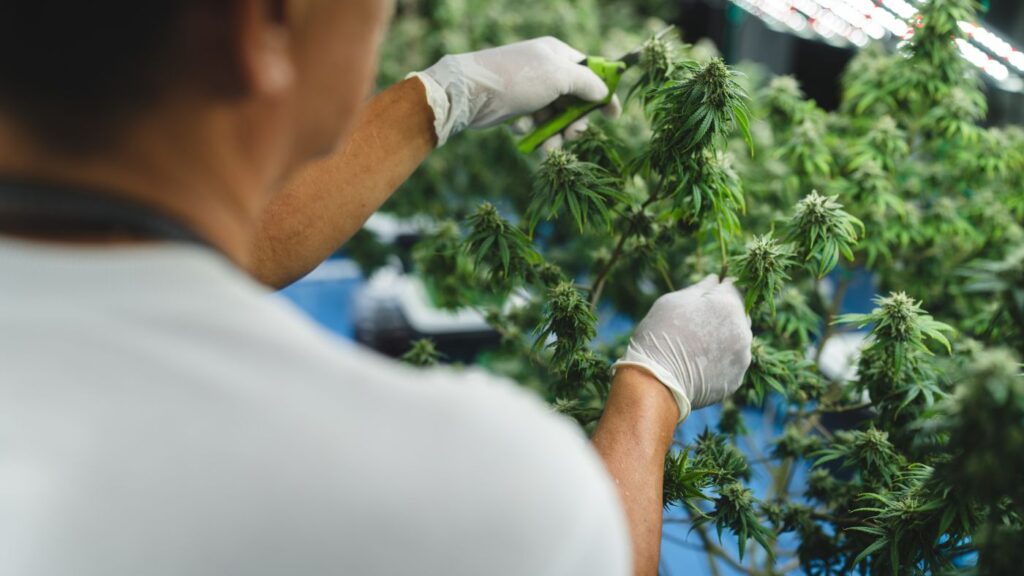 Virginia’s adult-use cannabis framework creates a meaningful pathway for applicants from communities and backgrounds affected by cannabis prohibition and enforcement. The law does not create a separate, stand-alone impact license. Instead, it creates an impact-licensee designation that qualifying applicants may pursue alongside an underlying marijuana establishment license, such as retail, cultivation, processing, microbusiness, transportation, delivery, or testing.
 - Virginia Cannabis Microbusiness License (2027): Eligibility & the Two-Location Model
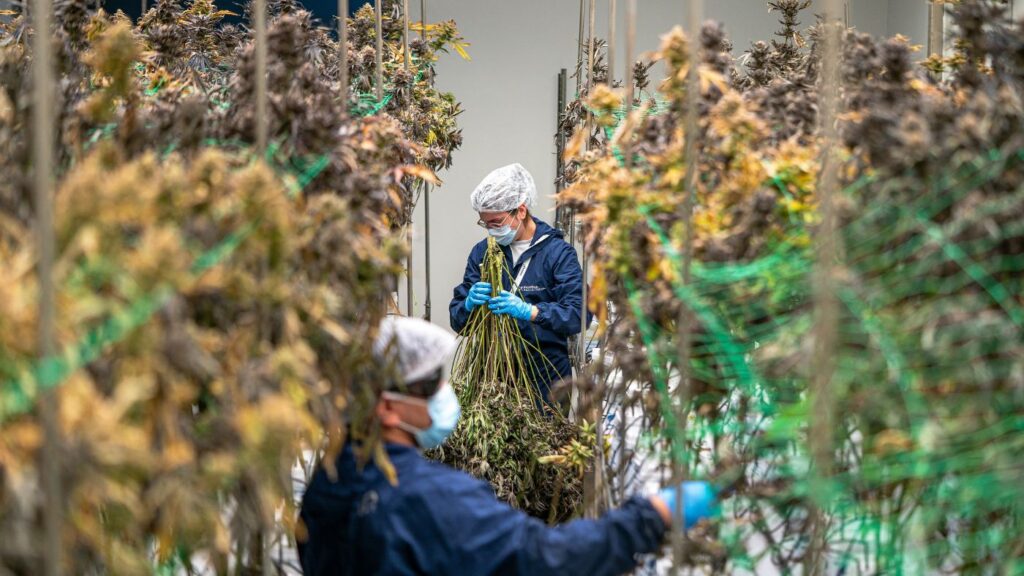 This guide explains the initial eligibility pathways for the licenses the CCA may issue by May 1, 2027, the difference between a microbusiness license and an impact designation, the indoor and outdoor cultivation limits, the precise rules governing two locations, and the financial, security, and operational readiness standards applicants should prepare to demonstrate. Several implementation details – including fees and the specific combination of privileges the CCA will authorize – still depend on forthcoming regulations.
 - Virginia Cannabis Cultivation License (2027): The Tiered System Explained
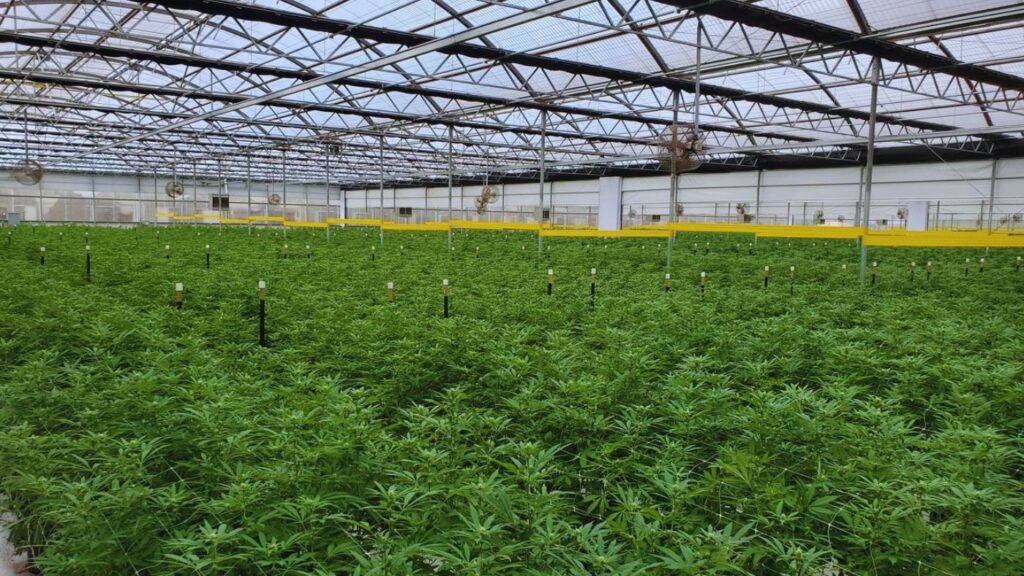 For operators whose strength is growing cannabis, Virginia’s emerging adult-use market presents a significant opportunity – and a cultivation license is the gateway to it. The June 2026 framework authorizes the Virginia Cannabis Control Authority (CCA) to begin accepting license applications on or after February 1, 2027 and issuing licenses on or after May 1, 2027. It also establishes five cultivation tiers with maximum canopies ranging from 5,000 to 35,000 square feet.