

Estimated reading time: 9 minutes
Table of contents
- Overview – State of the Market in 2026
- The 2026 Regulatory Landscape: What Has Changed?
- Modern Challenges: Beyond the Application
- Application Mastery: Setting the Foundation for Success
- Next Steps: Contact Catalyst BC For Personalized Assistance Applying for Minnesota Cannabis License
- Success Stories: See How Catalyst BC Has Helped Cannabis Businesses Enter and Lead the Market
- Minnesota Cannabis License Applicants and Licensees Also Ask:
- Additional Resources
- Free eBooks For Cannabis Business Success
- Latest Articles

Editors Notes: Originally published December 26, 2024, last fully updated April 16, 2026.
Overview – State of the Market in 2026
As of April 15, 2026, Minnesota’s adult-use cannabis industry has transitioned from “emergency launch” to a high-stakes “scale-up” phase. Following the successful 2025 lotteries and the landmark March 31, 2026, hard transition deadline for hemp-derived businesses, the Office of Cannabis Management (OCM) is now strictly enforcing permanent licensure requirements.
With the first state-licensed retail sales from non-tribal cultivators having officially hit shelves in February 2026, the window for “early-mover” advantage is closing, and the competition for limited municipal slots is intensifying.
The 2026 Regulatory Landscape: What Has Changed?
In early 2026, the OCM – under the leadership of Executive Director Eric Taubel – reopened the Standard Licensing Cycle. Unlike the compressed 2025 preapproval windows, the current cycle demands a “Pharma-Grade” level of operational readiness.
- The End of the Transition Period: As of March 31, 2026, all Lower-Potency Hemp Edible (LPHE) manufacturers and wholesalers must be fully licensed under Chapter 342. Unlicensed “temporary” registrations have expired, making compliance a prerequisite for survival.
- The 65% Social Equity Rule: Minnesota remains committed to its unique equity model, requiring that verified social equity applicants maintain at least 65% ownership and control. The OCM is now actively auditing “predatory” management agreements to ensure true equity compliance.
- Tribal-State Synergy: With eight Tribal-State cannabis compacts signed as of March 2026, the interplay between tribal supply and state-licensed retail is a critical factor in current supply chain strategies.
Modern Challenges: Beyond the Application
Applying for a license in 2026 is no longer just about winning a lottery; it is about surviving the Supply Chain Friction that has defined this year’s rollout.
- The Testing Bottleneck: Despite Governor Walz signing emergency relief legislation in March 2026 to allow out-of-state lab testing for hemp through 2027, adult-use flower faces significant backlogs. Applicants must now demonstrate “Lab-Ready” harvest cycles to secure slots.
- Municipal Saturation & Zoning: Many “first-wave” cities like Minneapolis and Duluth are reaching their density caps. Identifying “green-zone” properties in Tier-2 municipalities is now a primary hurdle.
- The 15% THC Debate: Current legislative discussions regarding a 15% THC cap on flower require applicants to have flexible genetic and manufacturing plans to pivot if potency regulations shift.
Application Mastery: Setting the Foundation for Success
The 2026 application process is a rigorous “Plan of Record” submission. Catalyst BC recommends a minimum 90-day lead time to satisfy the OCM’s current audit standards.
Municipal Approvals & Local Government Relations
Securing a state license is useless without local registration. In 2026, municipalities have refined their own “merit-style” scores. You must demonstrate:
- Community Impact Plans that go beyond boilerplate language.
- Compliance with local “Siting and Spacing” ordinances that may be stricter than state law.
Operational Readiness: The “Final Plan of Record”
The OCM now requires a Final Plan of Record that acts as a blueprint for your entire operation.
- Security & Compliance: Detailed SOPs for seed-to-sale tracking (Metrc) and theft prevention.
- Financial Stability: Proof of capitalization is under higher scrutiny in 2026 to prevent “zombie licenses” that won’t actually open.
Facility Design: Scalability and Bio-Security
With 2026 being the “Enforcement Phase,” facility inspections are rigorous. Your design must account for:
- Environmental Controls: To meet strict state microbial testing standards.
- Decoupled Workflows: Ensuring your microbusiness or mezzobusiness layout prevents cross-contamination between cultivation and processing areas.
Next Steps: Contact Catalyst BC For Personalized Assistance Applying for Minnesota Cannabis License
Navigating Minnesota’s high-stakes 2026 rollout requires more than just legal knowledge; it requires market-proven expertise.
- Unmatched Track Record: With over 60 years of combined experience and 57+ successful licenses secured in high-barrier markets, we know exactly what the OCM’s reviewers are looking for.
- 2026 Specialized Support: We offer dedicated services for the Social Equity 65% Verification, Facility Design-Assist, and the creation of the “Pharma-Grade” SOPs required for the current licensing cycle.
- End-to-End Strategy: From the initial “Startup” phase and build-out to eventual “Exit Strategies,” we provide the roadmap for long-term profitability.
Final Thoughts: The 2026 licensing cycle is an extraordinary opportunity, but the OCM is no longer “grading on a curve.” To win, your application must be technically flawless and operationally superior.
Don’t leave your vision to chance. Contact Catalyst BC today for a Complimentary Licensing Consultation.
Success Stories: See How Catalyst BC Has Helped Cannabis Businesses Enter and Lead the Market
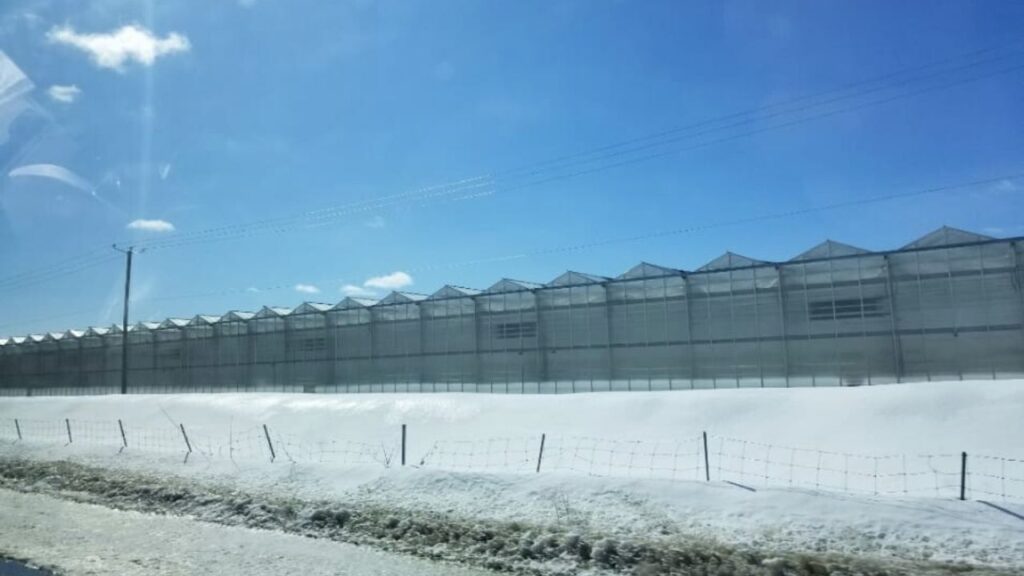
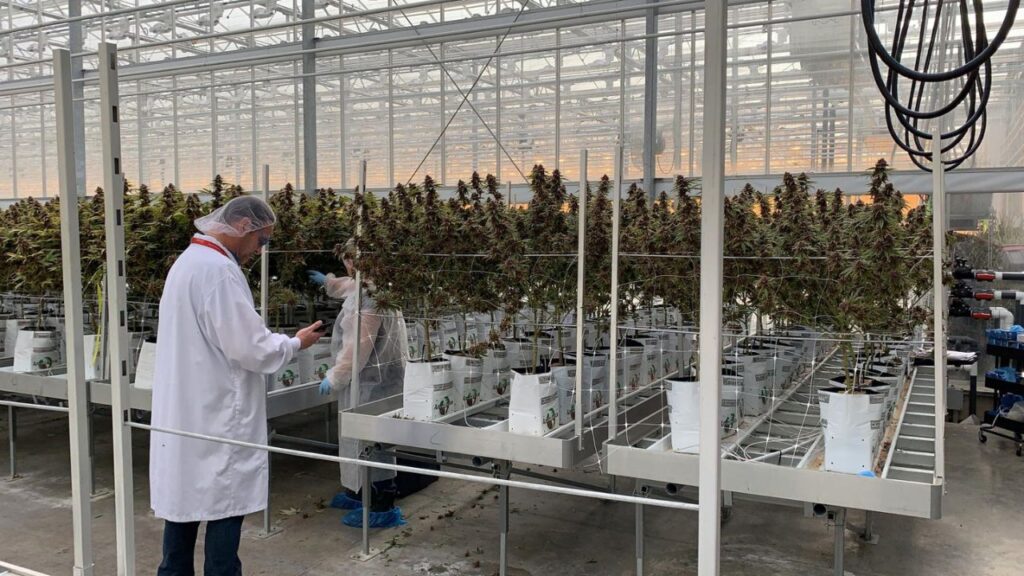
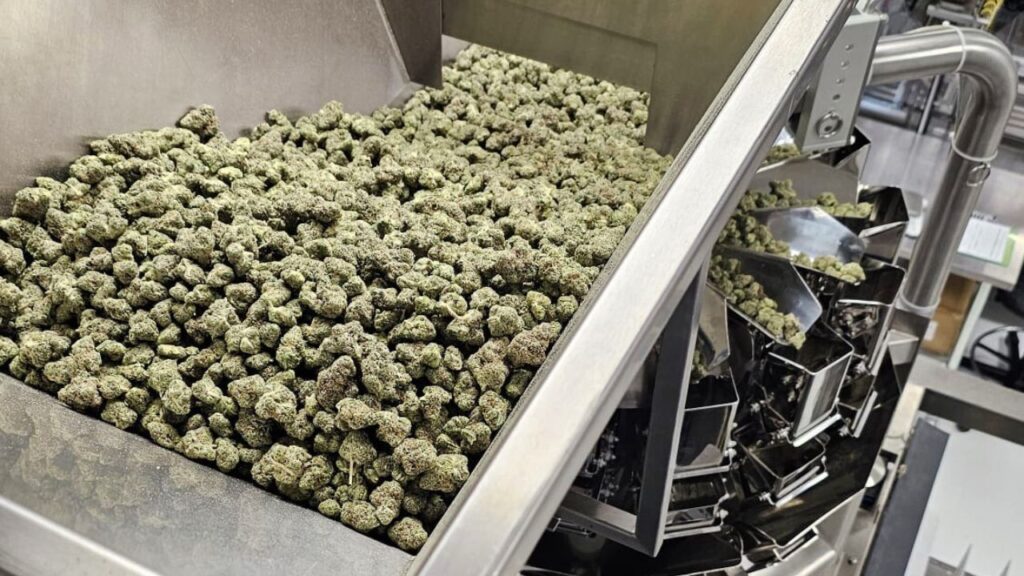
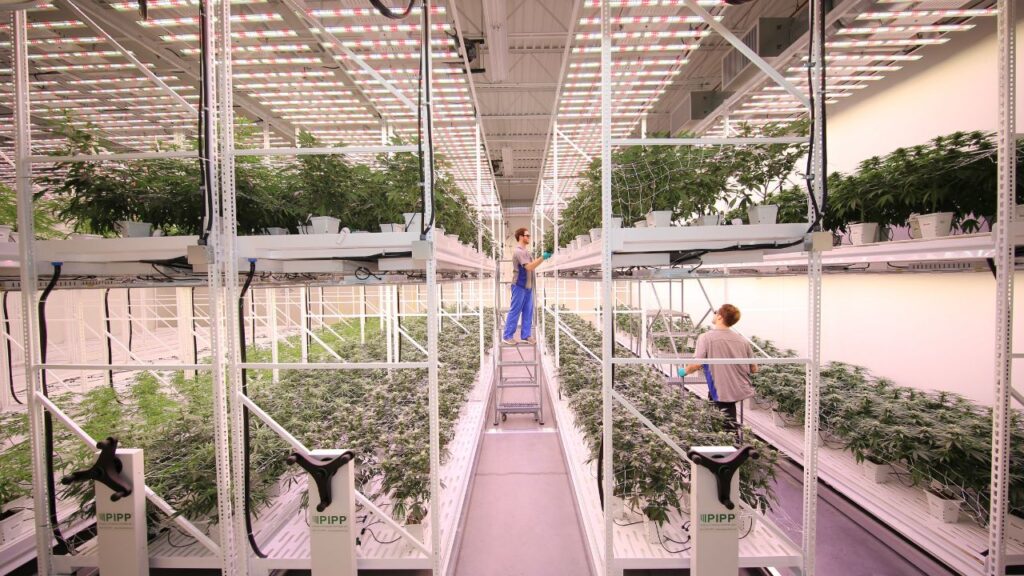
From initial startup and facility build-outs to high-value exit strategies, our Minnesota cannabis consultants provide the expertise needed to navigate the complexities of the legal cannabis industry.
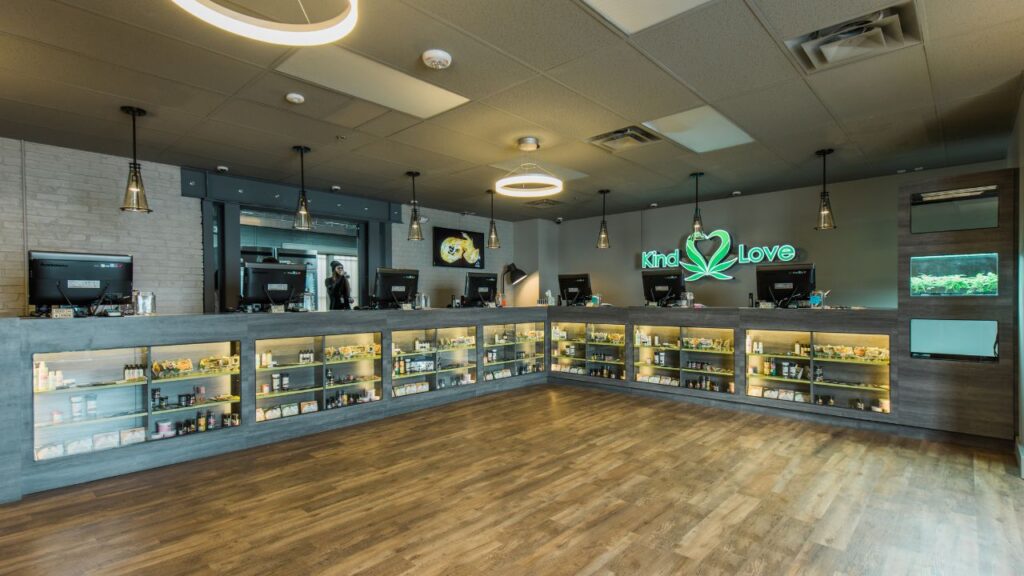
Minnesota Cannabis License Applicants and Licensees Also Ask:
The OCM continues to prioritize verified social equity applicants through a dual-lottery system. For 2026, the “65% Rule” is strictly enforced, meaning verified individuals must hold majority ownership and day-to-day operational control to qualify for equity-reserved licenses.
It depends. Under MN law, cities must allow at least one retail license per 12,500 residents. If a city has met its state-mandated minimum, they may “opt out” of additional licenses. However, many municipalities are now opening “local registration windows” for 2026—researching current municipal tenders is essential.
This was the final cutoff for Lower-Potency Hemp Edible (LPHE) manufacturers and wholesalers to transition from temporary registrations to full OCM licensure. Operating without a permanent license after this date carries significant legal and financial penalties.
While the OCM has streamlined the “Standard Licensing Cycle,” the background check and “Request for More Information” (RFMI) process generally takes 90–120 days from the close of the application window.
As of March 27, 2026, Governor Walz signed a bill allowing hemp businesses to use out-of-state labs until May 31, 2027. However, adult-use cannabis (marijuana) must still be tested by state-licensed labs within Minnesota, which is currently causing a backlog.
Minnesota uses a “decoupled” model to prevent monopolies. Most license holders cannot be vertically integrated. However, Microbusinesses and Mezzobusinesses are the exception, allowing for limited cultivation, manufacturing, and one retail location.
Yes. All applicants with more than a de minimis number of employees must provide an attestation that they have entered into and will maintain an LPA with a bona fide labor organization. This is a “Day 1” requirement for the 2026 cycle.
While the state doesn’t mandate a specific “bank balance,” you must demonstrate sufficient liquid assets to cover your “Final Plan of Record.” In 2026, regulators are looking for proof of 12–18 months of operational runway.
With eight tribes now in compact with the state, tribal nations can sell to state-licensed retailers (and vice versa). This has provided a “supply safety net” for retailers struggling with the state’s current testing backlogs.
The primary reasons are insufficient proof of ownership/control (violating the 65% rule) and incomplete Plans of Record. The OCM is no longer allowing “placeholders” for SOPs or facility designs; everything must be “shelf-ready” at the time of submission.
Additional Resources
Free eBooks For Cannabis Business Success




Latest Articles
- How Much Does It Cost to Open a Cannabis Dispensary in 2026
 The allure of jumping into the legalized cannabis industry often paints a picture of quick riches and burgeoning demand, yet the reality of establishing a licensed cannabis dispensary is far more nuanced, capital-intensive, and fraught with unique financial challenges. For aspiring entrepreneurs and seasoned investors alike, understanding the true dispensary startup costs is the absolute bedrock of success.
 - Virginia Cannabis Facility Design & Build-Out for the 2027 Market
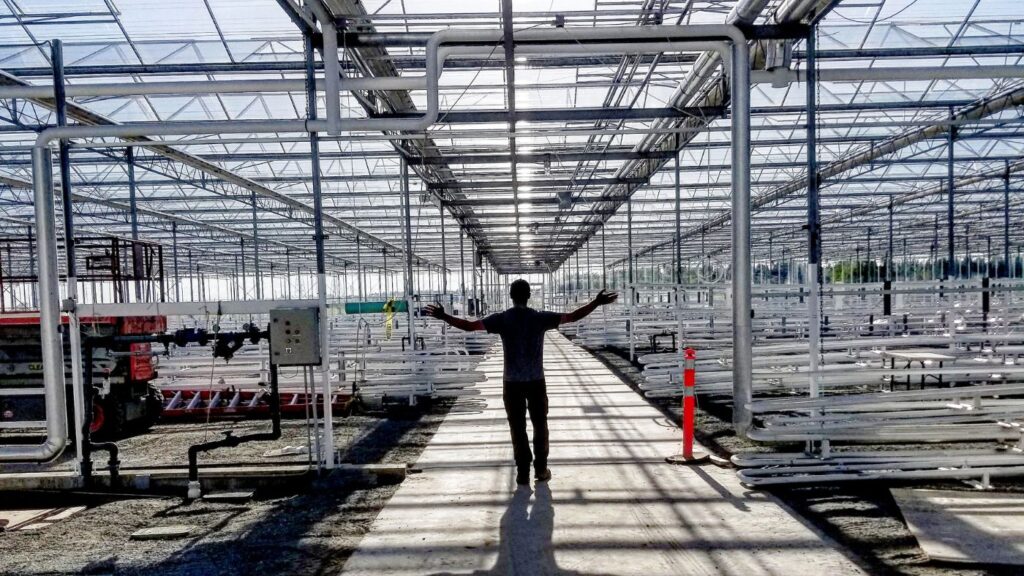 This guide covers the major considerations involved in planning and building a Virginia cannabis facility, with a focus on retail and cultivation operations and additional considerations relevant to processors and microbusinesses. It is written from the build side of the business, because that is where many otherwise-strong applicants stumble: they underestimate utility needs, local approvals, security infrastructure, commissioning, and the time required to convert a site into an inspection-ready operation.
 - Virginia Dual-Use Cannabis Conversion (2027): The $10M Medical-to-Adult-Use Pathway
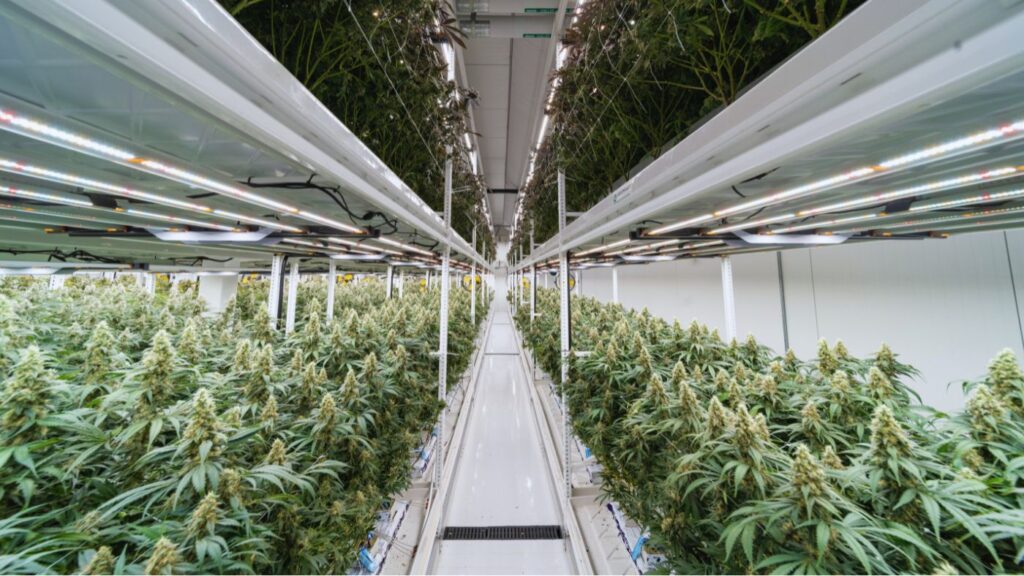 For Virginia’s existing medical cannabis operators, the 2026 retail framework created a distinct and high-stakes transition: pharmaceutical processors may apply for verification to exercise dual-use privileges and serve both registered medical patients and adult-use customers. The pathway covers the processor and its permitted cannabis dispensing facilities, and it carries a one-time $10 million fee, a required medical cannabis program preservation plan, an impact-licensee business accelerator commitment, and a firm May 1, 2027 payment or installment-plan deadline.
 - Virginia Impact Cannabis License (2027): Social Equity & the Equity Business Loan Fund
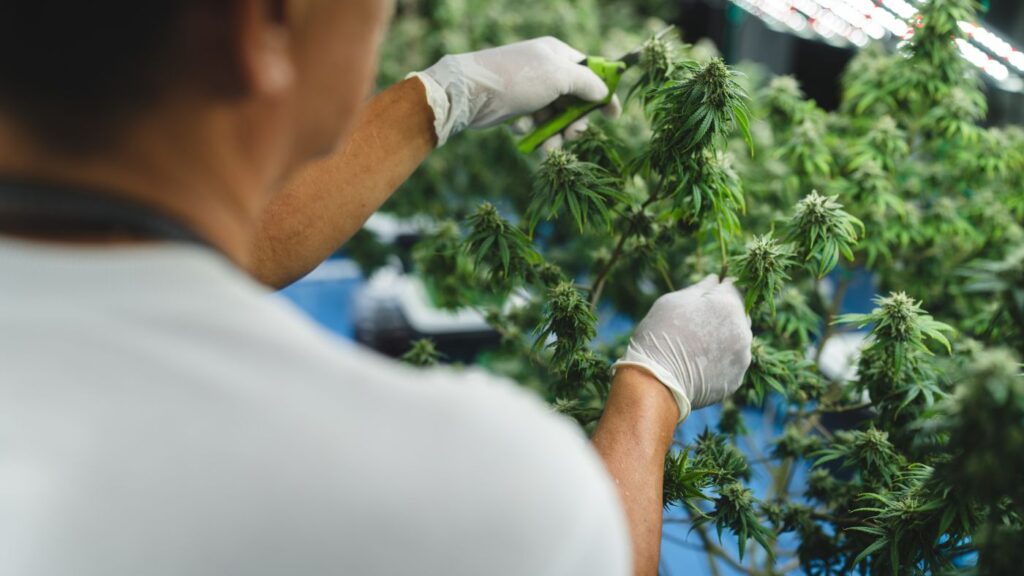 Virginia’s adult-use cannabis framework creates a meaningful pathway for applicants from communities and backgrounds affected by cannabis prohibition and enforcement. The law does not create a separate, stand-alone impact license. Instead, it creates an impact-licensee designation that qualifying applicants may pursue alongside an underlying marijuana establishment license, such as retail, cultivation, processing, microbusiness, transportation, delivery, or testing.
 - Virginia Cannabis Microbusiness License (2027): Eligibility & the Two-Location Model
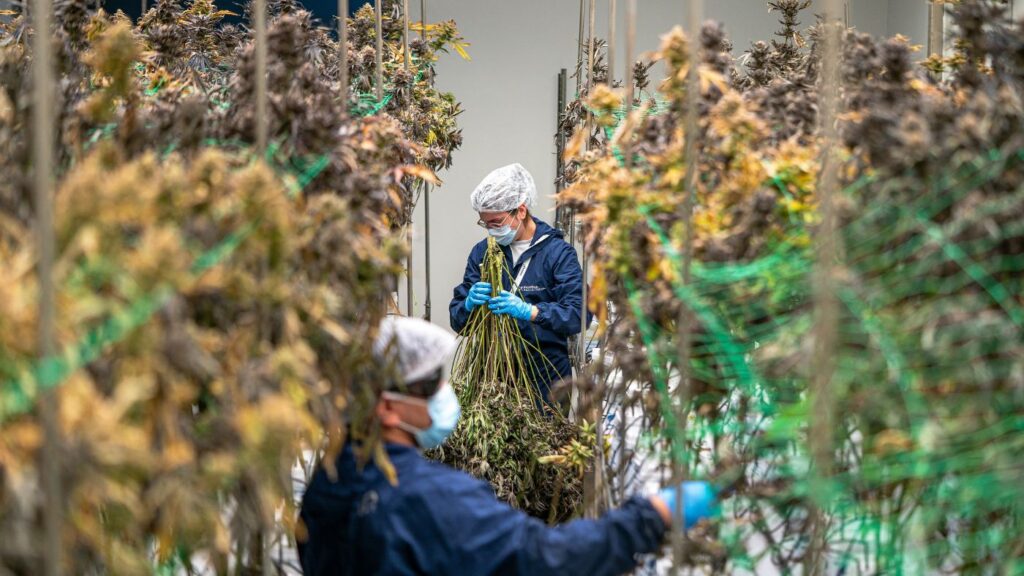 This guide explains the initial eligibility pathways for the licenses the CCA may issue by May 1, 2027, the difference between a microbusiness license and an impact designation, the indoor and outdoor cultivation limits, the precise rules governing two locations, and the financial, security, and operational readiness standards applicants should prepare to demonstrate. Several implementation details – including fees and the specific combination of privileges the CCA will authorize – still depend on forthcoming regulations.
 - Virginia Cannabis Cultivation License (2027): The Tiered System Explained
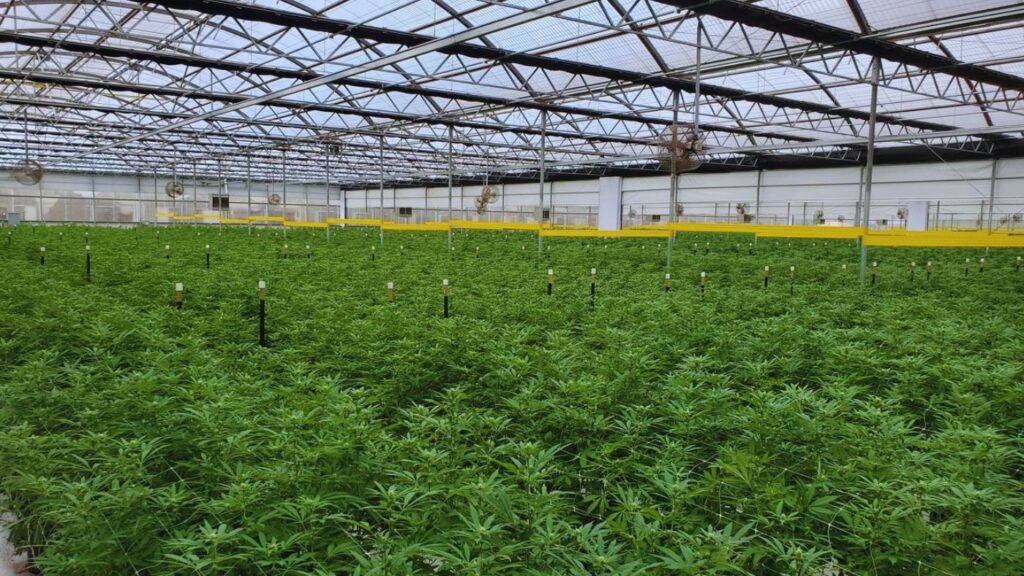 For operators whose strength is growing cannabis, Virginia’s emerging adult-use market presents a significant opportunity – and a cultivation license is the gateway to it. The June 2026 framework authorizes the Virginia Cannabis Control Authority (CCA) to begin accepting license applications on or after February 1, 2027 and issuing licenses on or after May 1, 2027. It also establishes five cultivation tiers with maximum canopies ranging from 5,000 to 35,000 square feet.