

Estimated reading time: 14 minutes
Table of contents
- Introduction
- Cannabis Industry: An Overview
- Strategies To Optimize Efficiency And Success in Cannabis Enterprises
- Next Steps: Contact Catalyst BC For Tailored Cannabis Operational Efficiency Support. Increase Yields, Stay Compliant, and Achieve Higher Profits
- Success Stories: See How Catalyst BC Has Helped Cannabis Businesses Enter and Lead the Market
- Cannabis Operators Also Ask:
- Additional Resources
- Free eBooks For Cannabis Business Success
- Latest Articles
Cliff Notes: Optimizing Cannabis Enterprise Performance
Objective: Understand the critical strategies for achieving cannabis operational efficiency in an increasingly competitive and regulated global market. By transitioning from legacy practices to data-driven systems, operators can protect margins and ensure long-term commercial success.
Key Components:
- Integrated Technology: Implementing robust cannabis ERP systems is essential for creating a single source of truth and reducing human error across the value chain.
- Process Standardization: Scaling requires rigorous SOPs and process standardization in cultivation to ensure product consistency and safety.
- Lean Methodologies: High-performing operators utilize lean cannabis operations to identify and eliminate waste, directly boosting profitability as price compression continues.
- Regulatory Governance: Success depends on treating cannabis compliance management as a foundational operating system rather than a secondary burden.
- Genetic Resilience: A strategic cannabis genetics strategy serves as a core lever for yield predictability and defensible brand differentiation.
- Data-Driven Leadership: Utilizing advanced analytics allows leadership to move beyond intuition, using real-world data to drive investment and ROI.
Ready to transform your facility into a high-performance machine? Contact Catalyst BC today for specialized Operational Optimization and Efficiency support to secure your competitive advantage.

Introduction
Cannabis boasts a rich history that stretches back thousands of year with historical documents, cannabis use can be dated back to ancient civilizations, where it had a significant role as a medical and cultural element.
Fast-forward to today, and the narrative has shifted dramatically. A plant that was vilified only a few years ago is now being reevaluated through the lenses of regulation, science, and commercial viability. As regulatory frameworks mature and the body of credible research expands, our understanding of cannabis has deepened, revealing legitimate therapeutic potential and catalyzing a sustained surge of investment, innovation, and professionalization across the industry.
That momentum does not make success inevitable. In a market defined by tightening margins, rising compliance costs, and increasing competition, efficiency is no longer optional; it is the primary differentiator. The real question is not whether operators want to improve performance, but which levers actually drive efficiency and how those choices convert into measurable gains across cultivation, manufacturing, and retail operations.
In this article, we provide a quick overview of the global cannabis market and break down the strategies and operational principles that consistently drive performance, separating proven best practices from industry noise, and translating them into clear, actionable guidance you can apply with confidence.
Cannabis Industry: An Overview
Access to cannabis has expanded rapidly over the past decade. What was once confined to illicit markets is now available through regulated pharmacies, licensed dispensaries, and increasingly sophisticated digital platforms serving both medical and adult-use consumers.
Driven by expanding legalization and the emergence of regulated consumption venues, the cannabis and hemp landscape has undergone a fundamental transformation. The industry has matured into a multi-billion-dollar global economy, generating more than $20 billion in annual revenue and supporting a complex value chain spanning cultivation, manufacturing, distribution, branding, and retail.
Beyond direct sales, the industry has become a meaningful economic engine, creating jobs, generating tax revenue, and stimulating regional development in jurisdictions that have adopted legal frameworks.
That said, legalization remains highly fragmented. Cannabis regulations vary widely across countries and even between states within the same nation. While medical cannabis is permitted in many markets, adult-use legalization remains limited, adding layers of regulatory complexity that operators must navigate with precision.
Medicinal Advancements
Medicinal research has been one of the most powerful forces reshaping the perception and legitimacy of cannabis. As stigma has receded, the plant has moved from anecdotal use toward structured clinical evaluation and regulated medical application. Cannabis is now increasingly integrated into formal healthcare systems, supported by expanding research into its therapeutic potential and real-world patient outcomes.
Scientific focus has broadened well beyond THC alone. Research into cannabinoids, terpenes, and minor compounds, along with their synergistic interactions, has enabled the development of more targeted medical formulations. These advances have supported use cases across chronic pain management, neurological disorders, chemotherapy-related side effects, sleep disturbances, and anxiety-related conditions, while reinforcing the importance of precision dosing and product consistency.
In parallel, medical cannabis markets have driven a shift toward pharmaceutical-grade production standards. Emphasis on GMP-aligned manufacturing, validated extraction methods, and rigorous testing has elevated expectations for safety, reproducibility, and quality control. This evolution has transformed cannabis from a loosely defined botanical into a regulated therapeutic input capable of meeting clinical and regulatory scrutiny.
As global medical adoption continues to expand, cannabis is increasingly positioned as a legitimate therapeutic category operating at the intersection of agriculture, biotechnology, and pharmaceuticals. This convergence is shaping product development, physician engagement, and patient trust, while setting higher operational and scientific standards for participants across the broader cannabis industry.
Product Diversity and Market Segmentation
As the cannabis industry has matured, product offerings have expanded far beyond traditional flower, reflecting both consumer sophistication and regulatory evolution. Today’s market includes a broad spectrum of formats, including concentrates, edibles, beverages, tinctures, topicals, capsules, and pharmaceutical-style dose forms. This diversification allows operators to address distinct consumer needs, preferences, and use cases, ranging from wellness and functional relief to recreational and lifestyle-driven consumption.
Product diversity has also accelerated segmentation across potency, onset time, flavor, formulation, and delivery method. Innovations in extraction, infusion, and formulation science have enabled more consistent dosing, improved bioavailability, and differentiated experiences. For operators, this shift creates opportunities to capture higher-margin categories, extend brand relevance, and reduce dependency on any single product type or price tier.
At the same time, increased product complexity raises the bar for execution. Successful diversification requires tight integration between R&D, manufacturing, compliance, and supply chain management. Brands that treat product expansion as a disciplined, data-driven process rather than a marketing exercise are best positioned to scale sustainably and defend margins as competition intensifies.
Global Expansion and Market Internationalization
Cannabis legalization is no longer confined to a handful of early-adopting jurisdictions. Medical and hemp programs continue to expand across Europe, Latin America, Africa, and parts of Asia-Pacific, creating a global market with diverse regulatory frameworks, cultural norms, and commercial pathways. This internationalization is transforming cannabis into a globally traded agricultural and pharmaceutical-adjacent commodity rather than a purely domestic industry.
Global expansion, however, is not a matter of simple replication. Each market presents unique challenges related to licensing structures, import and export controls, product standards, and medical prescribing practices. Operators pursuing international growth must adapt cultivation methods, product formats, and compliance strategies to local requirements while maintaining consistent quality and brand integrity.
For companies that navigate these complexities effectively, global markets offer meaningful long-term upside. International expansion provides access to lower-cost production regions, diversified demand, and early-mover advantages in emerging medical markets. As global frameworks continue to mature, disciplined operators with strong compliance, operational rigor, and cross-border experience will be positioned to lead the next phase of cannabis industry growth.
Strategies To Optimize Efficiency And Success in Cannabis Enterprises
The cannabis industry has entered a new phase of maturity. What was once defined by rapid expansion and regulatory arbitrage is now governed by margin pressure, operational discipline, and increasing institutional scrutiny. Success today is no longer about simply winning a license or launching a cannabis brand; it is about building resilient, efficient teams, infrastructure, and operations that can perform consistently under tightening regulatory and economic conditions.
Achieving this level of performance is not accidental. It requires systematic thinking, technical expertise, and an integrated understanding of agriculture, manufacturing, compliance, finance, HR, supply-chain management, retail, marketing, logistics, and market dynamics. Operators who rely on fragmented decision-making or legacy practices quickly fall behind. Those who approach cannabis as a regulated, data-driven business are the ones who endure, scale, and exit on their terms.
This article details the strategies Catalyst BC deploys across high-performing cannabis enterprises and demonstrates how disciplined execution translates into measurable operational and financial performance.
Technology as an Operational Backbone
Modern cannabis operations are built on integrated technology stacks. Seed-to-sale platforms, ERP systems, automated environmental controls, and advanced inventory management tools are no longer optional; they are foundational infrastructure. When implemented correctly, these systems reduce human error, strengthen compliance, and surface real-time insights that drive better decisions.
Technology enables operators to track yields, labor efficiency, inventory velocity, and compliance status across the entire value chain. More importantly, it creates a single source of truth that aligns teams and eliminates reactive decision-making. The differentiator is not whether technology is adopted, but whether it is configured to reflect how the business operates.
Strategic Advisory and Operational Expertise
The regulatory complexity and capital intensity of cannabis demand experienced guidance. A seasoned cannabis advisor brings more than theoretical knowledge; they strengthen investor confidence and gain experience and pattern recognition from operating across markets, facility types, and business models.
Catalyst BC works with operators to design facilities, processes, and organizational structures that scale. This includes licensing strategy, facility planning, commissioning, SOP development, yield optimization, and financial modeling. The focus is not on quick wins, but on building a durable operational advantage through consistent, repeatable execution.
Process Standardization and Operational Alignment
Consistency is the foundation of efficiency. Standardized processes across cultivation, manufacturing, distribution, and retail dispensaries reduce variability, improve predictability, and simplify training and oversight. Without standardization, growth amplifies inefficiency rather than performance.
Vertical integration, when implemented intentionally, can further strengthen alignment by reducing handoff friction, improving inventory control, and tightening feedback loops between production and sales. The key is discipline; integration only adds value when systems, incentives, and accountability are aligned across the organization.
Lean Principles and Waste Elimination
Lean operating principles are increasingly critical in the cannabis industry. Excess inventory, inefficient labor deployment, redundant workflows, and underutilized assets quietly erode margins. High-performing operators continuously identify and remove these inefficiencies.
Applying lean methodologies enables businesses to improve throughput, reduce working capital drag, and increase responsiveness without sacrificing compliance or quality. In an environment where price compression is the norm, waste elimination becomes a primary driver of profitability.
Workforce Development and Accountability
People remain one of the most significant cost centers in cannabis operations. Structured training programs, clearly defined roles, and performance accountability are essential to converting labor into value rather than expense.
Well-trained teams execute SOPs correctly, utilize technology effectively, and maintain compliance under pressure. More importantly, they reduce rework, shrink losses, and support a culture of continuous improvement. Talent without structure is a liability; structure without training is ineffective.
Data-Driven Decision Making
Operators who outperform their peers are relentlessly data-driven. Yield per square foot, labor cost per gram, inventory shrink, sell-through velocity, and margin by SKU are not abstract metrics; they are management tools.
Robust analytics allow leadership teams to identify bottlenecks early, allocate capital intelligently, and test improvements with confidence. In cannabis, intuition is expensive; data creates leverage.
Compliance as a System, Not a Burden
Regulatory compliance is not a box to check; it is an operating system that must be embedded into daily workflows. Jurisdictional complexity, evolving rules, and enforcement variability require proactive governance.
Effective operators implement compliance-oriented SOPs, documentation standards, and audit-ready systems that reduce risk while supporting operational efficiency. When compliance is treated as infrastructure rather than overhead, it becomes a competitive advantage.
Brand Strategy and Market Positioning
As markets mature, brand differentiation becomes increasingly important. Successful brands are built on consistency, trust, and a clear value proposition, not just packaging aesthetics.
Deep understanding of consumer segments, purchasing behavior, and price sensitivity informs product strategy, portfolio design, and go-to-market execution. Reliable operations support strong brands; without execution, branding is superficial.
Financial Discipline and Capital Strategy
Cannabis financial management requires precision. Limited access to traditional banking, tax constraints, and capital volatility elevate the importance of accurate forecasting, disciplined budgeting, and scenario planning.
Effective financial strategies include robust cash flow modeling, expense control, and capital allocation tied directly to ROI. Contingency planning, reserve management, and diversified revenue streams protect businesses from regulatory or market shocks.
Genetics and Product Consistency
Genetic development has become a core strategic lever. Stable, high-performing genetics improve yield predictability, reduce crop risk, and support consistent product quality. Advanced breeding, tissue culture, and phenohunting programs enable operators to align production with market demand.
Proprietary genetics also creates defensible differentiation. Intellectual property protection, when appropriately executed, supports long-term brand value and margin resilience while reinforcing product consistency.
Next Steps: Contact Catalyst BC For Tailored Cannabis Operational Efficiency Support. Increase Yields, Stay Compliant, and Achieve Higher Profits
Cannabis remains one of the most complex regulated industries in the world. Opportunity is abundant, but only for operators who treat efficiency as a discipline rather than a buzzword. Sustainable success is built through systems, data, and execution, not shortcuts.
Operators who invest in technology, standardization, financial rigor, and expert guidance position themselves to lead as the industry continues to professionalize and consolidate. For those preparing to operate this level, we provide the experience, structure, and insight required to turn complexity into advantage. Contact us today.
Success Stories: See How Catalyst BC Has Helped Cannabis Businesses Enter and Lead the Market
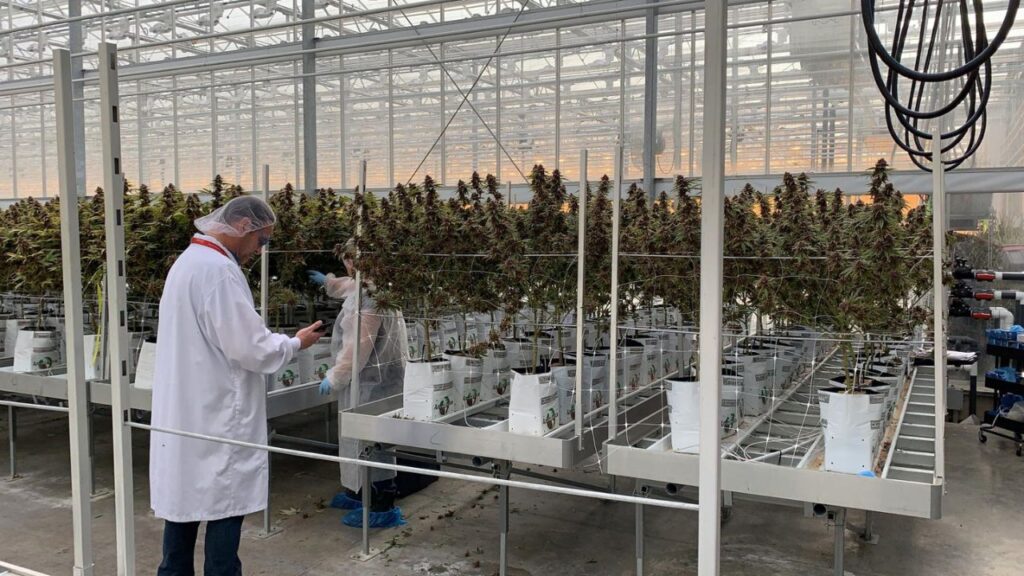
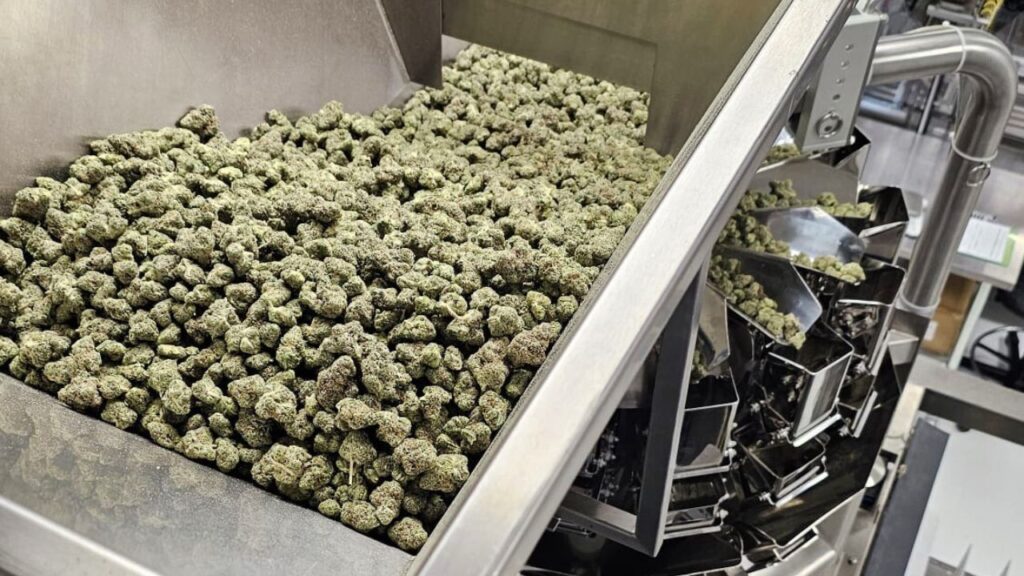
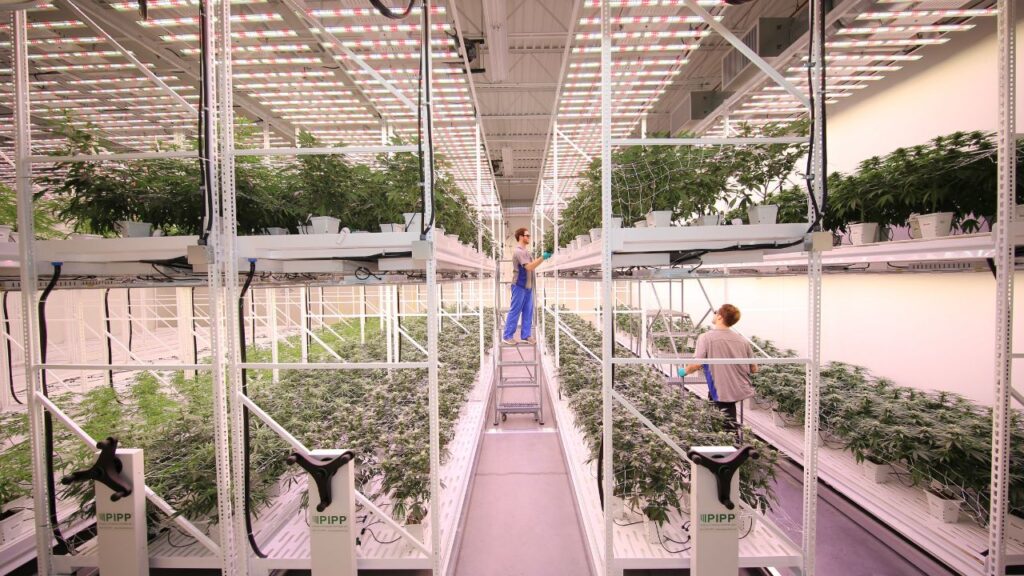
From initial startup and facility build-outs to high-value exit strategies, our cannabis consultants provide the expertise needed to navigate the complexities of the legal cannabis industry.


Cannabis Operators Also Ask:
Focus on integrating your technology stack, implementing lean manufacturing principles, and automating environmental controls to reduce human error and maximize yield per square foot.
An ERP creates a “single source of truth,” aligning cultivation, manufacturing, and retail data to protect margins and ensure real-time compliance reporting.
Rescheduling (expected to finalize in 2026) removes the 280E tax burden, allowing operators to reinvest capital into advanced automation and R&D.
Lean involves identifying and removing “waste” such as excess inventory, inefficient labor deployment, and redundant workflows to improve throughput.
Standardization ensures product consistency and safety across various jurisdictions, making the brand more resilient and attractive to investors.
Stable, high-performing genetics reduce crop risk and ensure consistent potency, which is a primary driver of consumer trust and brand loyalty.
AI is used for predictive inventory management, personalized consumer recommendations (AI Budtenders), and optimizing staffing models based on foot traffic data.
Adhere to pharmaceutical-grade production standards, specifically GMP-aligned manufacturing and rigorous third-party lab testing.
Structured training reduces “shrink” (inventory loss) and turnover, turning labor from a flat expense into a value-generating asset.
Additional Resources
Free eBooks For Cannabis Business Success




Latest Articles
- How Much Does It Cost to Open a Dispensary in 2026?
 The allure of jumping into the legalized cannabis industry often paints a picture of quick riches and burgeoning demand, yet the reality of establishing a licensed cannabis dispensary is far more nuanced, capital-intensive, and fraught with unique financial challenges. For aspiring entrepreneurs and seasoned investors alike, understanding the true dispensary startup costs is the absolute bedrock of success.
 - Virginia Cannabis Facility Design & Build-Out for the 2027 Market
 This guide covers the major considerations involved in planning and building a Virginia cannabis facility, with a focus on retail and cultivation operations and additional considerations relevant to processors and microbusinesses. It is written from the build side of the business, because that is where many otherwise-strong applicants stumble: they underestimate utility needs, local approvals, security infrastructure, commissioning, and the time required to convert a site into an inspection-ready operation.
 - Virginia Dual-Use Cannabis Conversion (2027): The $10M Medical-to-Adult-Use Pathway
 For Virginia’s existing medical cannabis operators, the 2026 retail framework created a distinct and high-stakes transition: pharmaceutical processors may apply for verification to exercise dual-use privileges and serve both registered medical patients and adult-use customers. The pathway covers the processor and its permitted cannabis dispensing facilities, and it carries a one-time $10 million fee, a required medical cannabis program preservation plan, an impact-licensee business accelerator commitment, and a firm May 1, 2027 payment or installment-plan deadline.
 - Virginia Impact Cannabis License (2027): Social Equity & the Equity Business Loan Fund
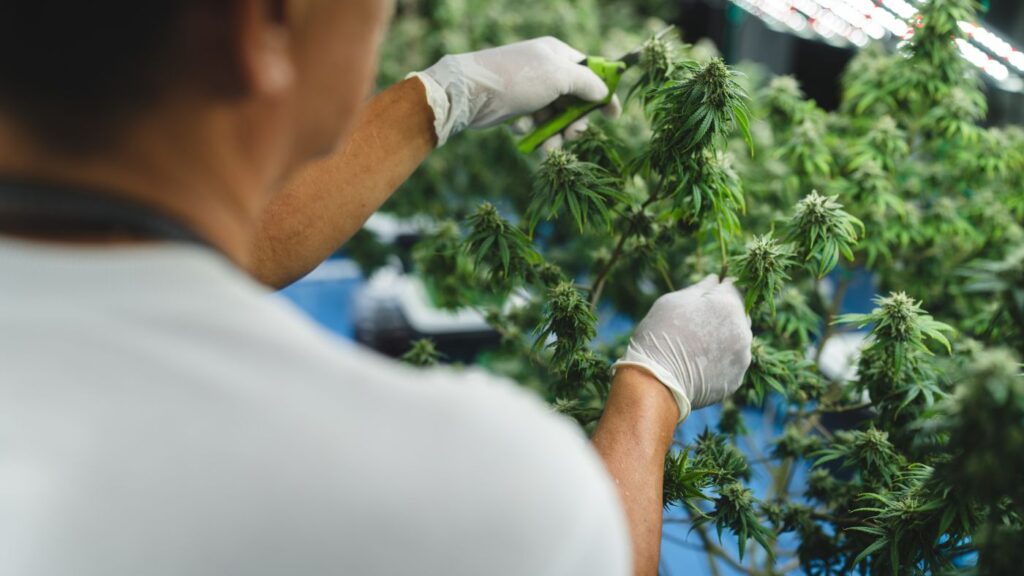 Virginia’s adult-use cannabis framework creates a meaningful pathway for applicants from communities and backgrounds affected by cannabis prohibition and enforcement. The law does not create a separate, stand-alone impact license. Instead, it creates an impact-licensee designation that qualifying applicants may pursue alongside an underlying marijuana establishment license, such as retail, cultivation, processing, microbusiness, transportation, delivery, or testing.
 - Virginia Cannabis Microbusiness License (2027): Eligibility & the Two-Location Model
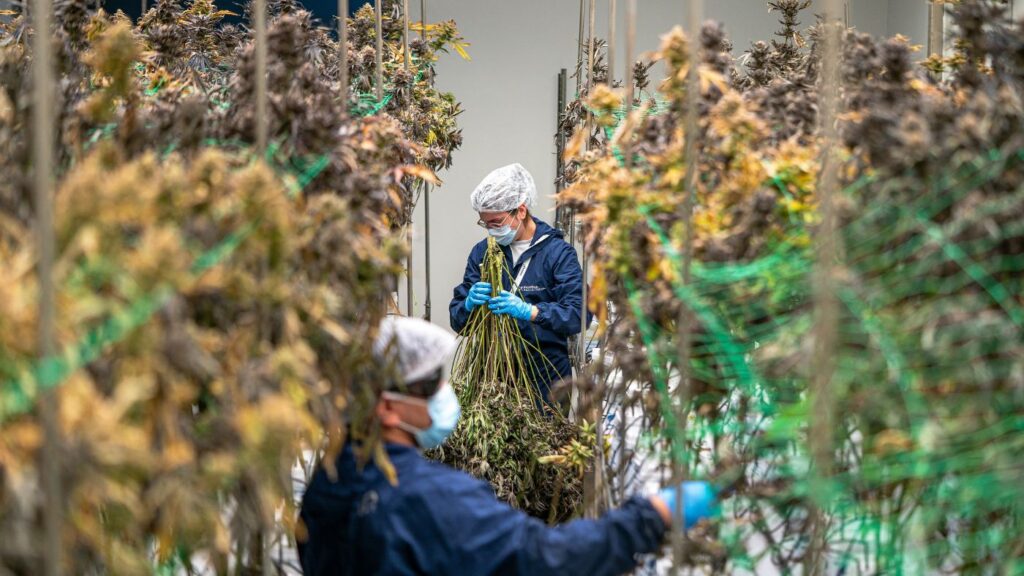 This guide explains the initial eligibility pathways for the licenses the CCA may issue by May 1, 2027, the difference between a microbusiness license and an impact designation, the indoor and outdoor cultivation limits, the precise rules governing two locations, and the financial, security, and operational readiness standards applicants should prepare to demonstrate. Several implementation details – including fees and the specific combination of privileges the CCA will authorize – still depend on forthcoming regulations.
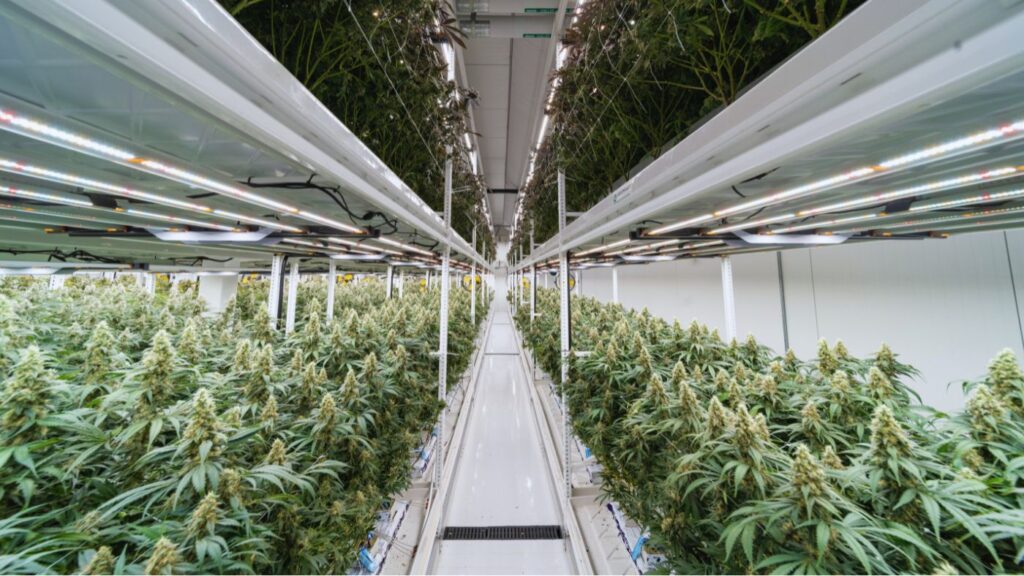
 - Virginia Cannabis Cultivation License (2027): The Tiered System Explained
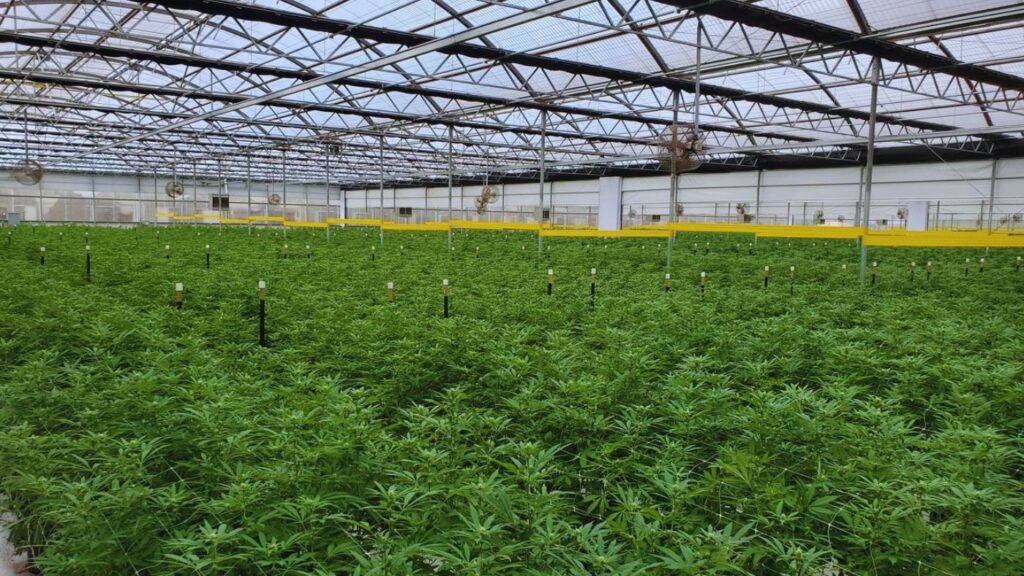 For operators whose strength is growing cannabis, Virginia’s emerging adult-use market presents a significant opportunity – and a cultivation license is the gateway to it. The June 2026 framework authorizes the Virginia Cannabis Control Authority (CCA) to begin accepting license applications on or after February 1, 2027 and issuing licenses on or after May 1, 2027. It also establishes five cultivation tiers with maximum canopies ranging from 5,000 to 35,000 square feet.