

Estimated reading time: 8 minutes
Table of contents
- Introduction
- Unlocking the Power of Agronomic Data
- Data-Driven Strategies That Deliver
- AI and Machine Learning: Next-Level Cultivation
- Real Results from Real Grows
- Why Catalyst BC Stands Out
- Ready to Transform Your Operation?
- Maximize Cannabis Yield FAQs
- Additional Resources
- Free eBooks For Cannabis Business Success
- Latest Articles
Cliff Notes: Maximize Cannabis Yield with Data-Driven Cultivation
Objective: Increase cannabis yields leveraging data-driven technologies and environmental controls.
Key Takeaways:
- Maximize Cannabis Yield with data-driven strategies, optimizing every aspect of cultivation.
- Precision environmental controls (temperature, humidity, airflow) are crucial for plant health and THC production.
- AI-powered cannabis cultivation helps forecast yields, monitor real-time conditions, and optimize resources.
- Nutrient and irrigation optimization prevent overwatering and nutrient waste, boosting plant vigor and efficiency.
- Integrated Pest Management (IPM) reduces crop loss while minimizing reliance on chemical interventions.
- Cultivar selection and yield forecasting ensure growers focus on the best-performing genetics.
- Lighting optimization (PPFD tuning, spectrum control) enhances photosynthesis and resin production.
- Cannabis facility optimization improves workflow, energy efficiency, and overall productivity.
- Real-world results show significant yield increases, cost reductions, and enhanced cannabinoid/terpene profiles.
Catalyst BC empowers cultivators to maximize cannabis yields through data-driven agronomy, optimizing inputs and genetics for peak performance. Our science-led approach combines environmental analytics and precision cultivation to consistently improve harvest outcomes. Explore our services or contact us today for a Complimentary Consultation.

Introduction
In the high-stakes, fast-moving cannabis cultivation industry, success hinges on one critical factor: data. At Catalyst BC, we’ve spent over 15 years perfecting the art of turning agronomic data into higher yields, consistent quality, and better profitability for licensed cultivators. Since 2009, we’ve worked across multiple states and countries, tackling the real-world challenges growers face—whether it’s nailing environmental controls, optimizing nutrient delivery, or outsmarting pests to maximize yields. Our approach blends hard-earned experience with advanced data analytics to help our clients leverage every square foot of their operation. Here’s how we make it happen.
Unlocking the Power of Agronomic Data
Cannabis cultivation produces a flood of data—environmental factors (temperature, humidity, leaf VPD, CO₂ levels), substrate metrics (EC, pH, water content, leachate), light intensity, airflow, nutrient uptake, pest pressures, even labor costs. Collecting this data is just the start; the real magic lies in analyzing and applying it to drive smarter decisions.
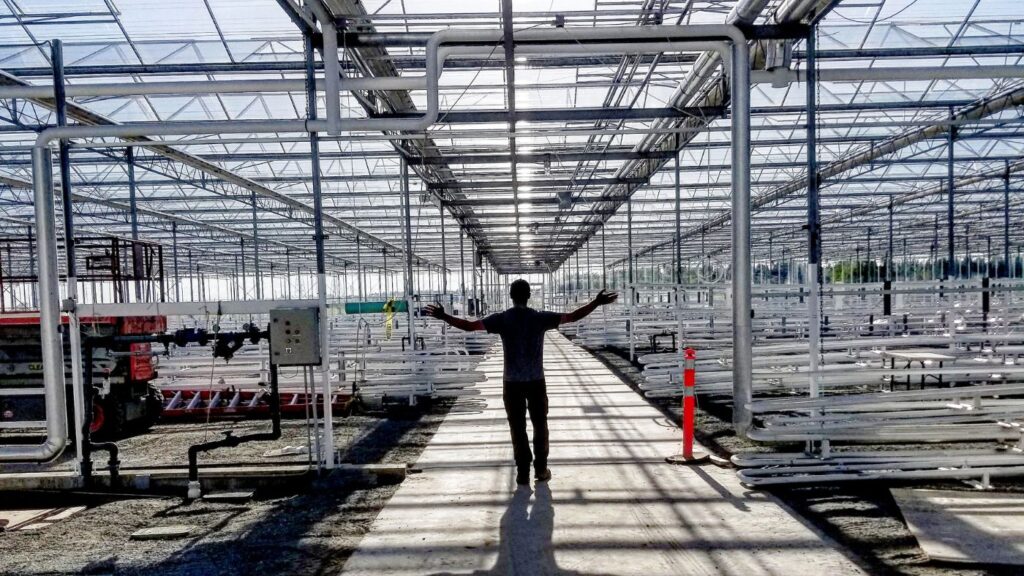
At Catalyst BC, we simplify precision cultivation. We take raw data and turn it into clear, actionable strategies that boost biomass, elevate cannabinoid and terpene profiles, and slash operational costs. Whether you’re running an indoor facility, a greenhouse, or a hybrid setup, our agronomic consulting ensures your choices are rooted in science and customized to your grow.
Data-Driven Strategies That Deliver
Here’s how we team up with cannabis operators to optimize production:
Perfecting Environmental Controls
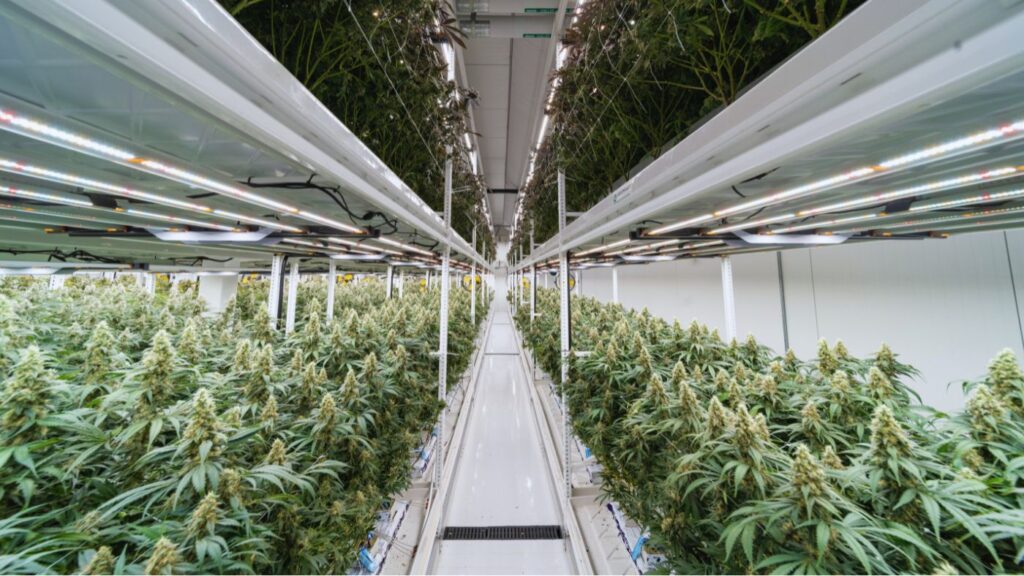
Temperature, humidity, airflow, and vapor pressure deficit (VPD) can make or break plant health and THC output. We dive into climate data to fine-tune HVACD systems, delivering consistent, optimal conditions crop after crop.
Precision Irrigation and Nutrient Delivery
Overwatering or nutrient missteps can kill yields and drain resources. Using substrate moisture sensors and fertigation data, we help growers hit the sweet spot—delivering exactly what plants need, when they need it, to boost vigor and cut waste.
Proactive Pest and Disease Management
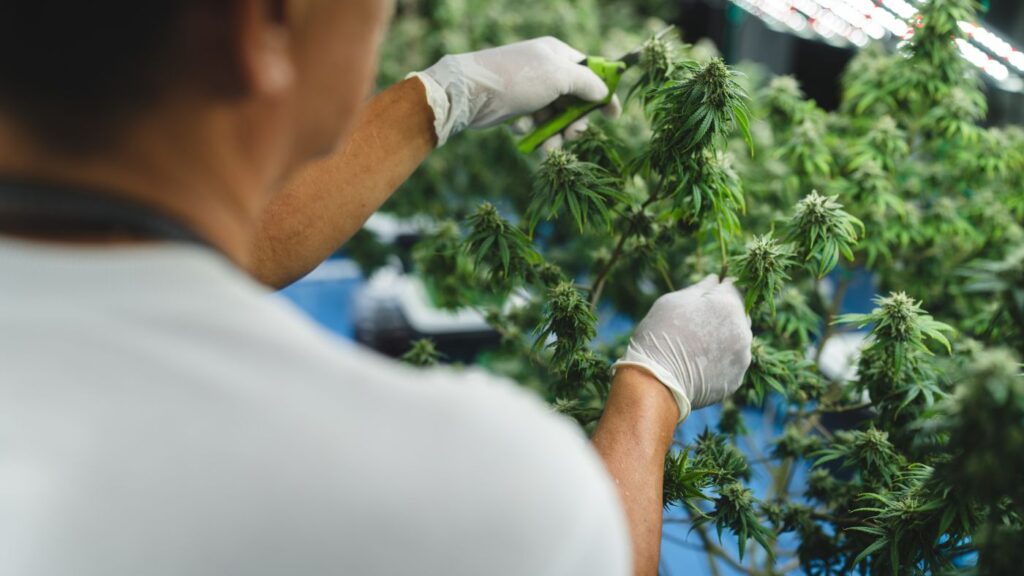
A single outbreak can devastate a crop in no time. By blending environmental monitoring with Integrated Pest Management (IPM) data, we build prevention plans that keep plants thriving and reduce reliance on last-minute fixes.
Cultivar Selection and Yield Forecasting
Not every cultivar shines in every setup. We analyze historical yield data to identify top performers, predict harvests, and optimize schedules for peak cannabinoid and terpene production.
Lighting Optimization
Lighting fuels photosynthesis and resin development. We leverage PPFD (Photosynthetic Photon Flux Density) data to adjust intensity, spectrum, and photoperiod—maximizing efficiency and potency from LEDs or HPS systems.
AI and Machine Learning: Next-Level Cultivation
We’re not just keeping pace with the industry—we’re driving it forward. By weaving artificial intelligence (AI) and machine learning into our analytics, we give cultivators an edge:
Yield Predictions
AI forecasts production outcomes, letting growers plan cycles with precision.
Real-Time Monitoring
Automated alerts catch shifts—like a humidity spike or CO₂ drop—for instant adjustments.
Efficiency Insights
Data models highlight waste in water or nutrient use, sharpening resource management.
These tools don’t override grower expertise—they enhance it, delivering insights that lead to healthier plants and bigger harvests.
Real Results from Real Grows
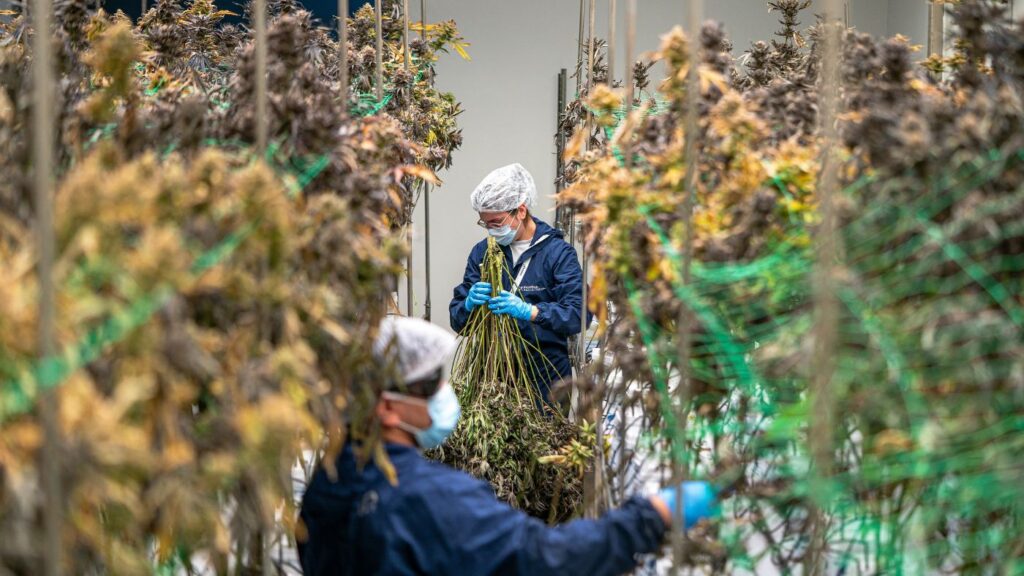
Our work delivers tangible impact. Take a mid-sized, 1-acre commercial cultivator we partnered with last year. They were grappling with low, inconsistent yields and soaring input costs. We dug into their data—substrate moisture, irrigation logs, nutrient schedules, VPD trends—and dialed in precise adjustments. The results?
• 110% yield increase across their facility.
• 20% reduction in water and fertilizer waste.
• Enhanced potency through targeted environmental tweaks.
These gains didn’t just pad their profits—they produced a standout product in a packed market.
Why Catalyst BC Stands Out
We’re not just consultants—we’re owner-operators, cultivators, general contractors, and scientists with a front-row seat to this industry’s evolution. Here’s what sets us apart:
• Decades of Experience: 15+ years in licensed cannabis cultivation, facility design, and operations.
• Practical Insights: We distill complex data into steps you can act on today.
• Tailored Solutions: Your facility, your cultivars, your goals—we build strategies to match.
• Innovation Leaders: From AI analytics to precision ag tech, we bring cutting-edge tools to your grow.
Ready to Transform Your Operation?
If you’re a licensed cannabis cultivator aiming to max out yields, streamline costs, or elevate quality, Catalyst BC is your partner.
Catalyst BC empowers cultivators to maximize cannabis yields through data-driven agronomy, optimizing inputs and genetics for peak performance. Our science-led approach combines environmental analytics and precision cultivation to consistently improve harvest outcomes. Explore our cannabis consulting services or contact us today for a Complimentary Consultation.
Maximize Cannabis Yield FAQs
By analyzing environmental factors, nutrient delivery, and plant performance, growers can make precise adjustments to enhance crop output and cultivation efficiency while reducing waste.
AI predicts harvest results, monitors real-time conditions, and provides insights into improving environmental controls, irrigation, and lighting—ensuring maximized cannabis yield.
Optimizing temperature, humidity, CO₂ levels, and airflow ensures plants stay within ideal growing conditions, enhancing cannabinoid and terpene production while preventing disease.
Proper water and nutrient management prevents overuse, minimizes plant stress, and improves overall biomass production—essential for yield-boosting strategies.
Tuning PPFD levels, light spectrum, and photoperiod ensures plants receive the right amount of energy for photosynthesis, leading to enhanced growth and resin production.
An effective Integrated Pest Management (IPM) plan prevents infestations that could damage cannabis crops, safeguarding cannabis facility optimization efforts.
Growers should monitor temperature, humidity, substrate EC/pH, light intensity, CO₂ levels, nutrient uptake, and airflow to make data-backed decisions.
Analyzing historical data helps identify high-performing strains, ensuring growers focus on genetics best suited for their facility and market demand.
AI-driven models help growers predict output, adjust production cycles, and improve inventory planning—ensuring consistent quality and profitability.
With 15+ years of experience, Catalyst BC provides tailored cannabis consulting services, helping operators implement smart cultivation techniques, optimize facility efficiency, and boost profitability.
A well-designed cannabis facility improves airflow, energy efficiency, and workflow, ensuring data-driven cannabis cultivation strategies can be implemented effectively to maximize cannabis yield.
Combining AI-powered cultivation, precision environmental controls, and optimized irrigation systems helps increase crop output while maintaining consistent harvest quality and efficiency.
Additional Resources
Free eBooks For Cannabis Business Success




Latest Articles
- How Much Does It Cost to Open a Dispensary in 2026?
 The allure of jumping into the legalized cannabis industry often paints a picture of quick riches and burgeoning demand, yet the reality of establishing a licensed cannabis dispensary is far more nuanced, capital-intensive, and fraught with unique financial challenges. For aspiring entrepreneurs and seasoned investors alike, understanding the true dispensary startup costs is the absolute bedrock of success.
 - Virginia Cannabis Facility Design & Build-Out for the 2027 Market
 This guide covers the major considerations involved in planning and building a Virginia cannabis facility, with a focus on retail and cultivation operations and additional considerations relevant to processors and microbusinesses. It is written from the build side of the business, because that is where many otherwise-strong applicants stumble: they underestimate utility needs, local approvals, security infrastructure, commissioning, and the time required to convert a site into an inspection-ready operation.
 - Virginia Dual-Use Cannabis Conversion (2027): The $10M Medical-to-Adult-Use Pathway
 For Virginia’s existing medical cannabis operators, the 2026 retail framework created a distinct and high-stakes transition: pharmaceutical processors may apply for verification to exercise dual-use privileges and serve both registered medical patients and adult-use customers. The pathway covers the processor and its permitted cannabis dispensing facilities, and it carries a one-time $10 million fee, a required medical cannabis program preservation plan, an impact-licensee business accelerator commitment, and a firm May 1, 2027 payment or installment-plan deadline.
 - Virginia Impact Cannabis License (2027): Social Equity & the Equity Business Loan Fund
 Virginia’s adult-use cannabis framework creates a meaningful pathway for applicants from communities and backgrounds affected by cannabis prohibition and enforcement. The law does not create a separate, stand-alone impact license. Instead, it creates an impact-licensee designation that qualifying applicants may pursue alongside an underlying marijuana establishment license, such as retail, cultivation, processing, microbusiness, transportation, delivery, or testing.
 - Virginia Cannabis Microbusiness License (2027): Eligibility & the Two-Location Model
 This guide explains the initial eligibility pathways for the licenses the CCA may issue by May 1, 2027, the difference between a microbusiness license and an impact designation, the indoor and outdoor cultivation limits, the precise rules governing two locations, and the financial, security, and operational readiness standards applicants should prepare to demonstrate. Several implementation details – including fees and the specific combination of privileges the CCA will authorize – still depend on forthcoming regulations.
 - Virginia Cannabis Cultivation License (2027): The Tiered System Explained
 For operators whose strength is growing cannabis, Virginia’s emerging adult-use market presents a significant opportunity – and a cultivation license is the gateway to it. The June 2026 framework authorizes the Virginia Cannabis Control Authority (CCA) to begin accepting license applications on or after February 1, 2027 and issuing licenses on or after May 1, 2027. It also establishes five cultivation tiers with maximum canopies ranging from 5,000 to 35,000 square feet.