
Estimated reading time: 6 minutes
Table of contents
- Overview
- Why Are Grow Lights Essential in Cannabis Cultivation?
- Types of Cannabis Grow Lights
- Benefits of LED Grow Lights
- Challenges of LED Grow Lights
- Key Factors to Consider When Choosing LED Grow Lights
- Practical Tips for Optimizing LED Grow Light Performance
- Final Thoughts
- Additional Resources
- Free eBooks For Cannabis Business Success
- Latest Articles
Overview
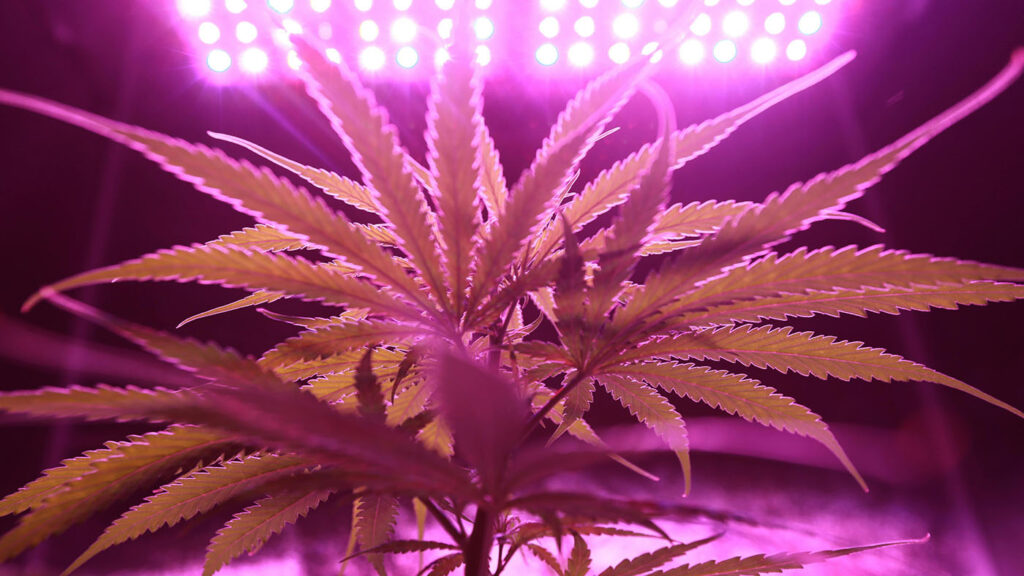
The cannabis industry is experiencing unprecedented growth, and at the heart of this green revolution lies the lifeblood of every operation: cannabis plants. But even the healthiest plants can’t thrive without the right environment, and one of the most critical components of this environment is lighting. Enter LED grow lights—a game-changing technology revolutionizing cannabis cultivation.
Whether you’re managing a large-scale commercial operation or growing a few plants at home, the choice of grow lights can dramatically affect yield, plant health, and your bottom line. This article dives into the science of grow lights, exploring the advantages of LED technology and offering expert advice on making the best choice for your cultivation needs.
Why Are Grow Lights Essential in Cannabis Cultivation?
Indoor cannabis cultivation mimics natural outdoor conditions, requiring artificial light to replace sunlight. Without the correct lighting system, plants cannot photosynthesize effectively, which directly impacts growth, resin production, and potency.
Grow lights are more than just an illumination source; they control critical aspects of plant growth, such as:
- Vegetative Growth: Ensuring robust leaf and stem development.
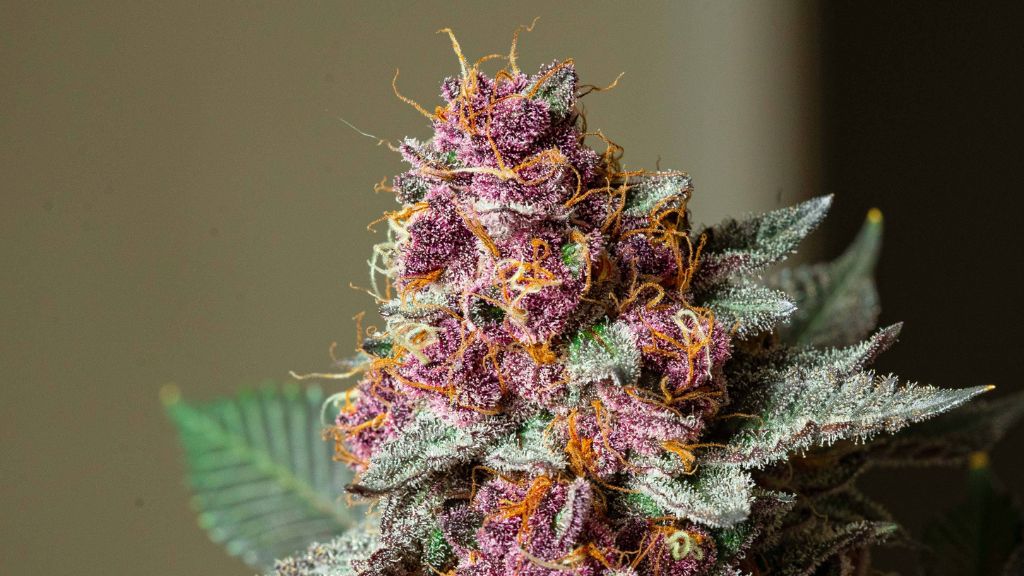
- Flowering Stage: Enhancing bud size, resin production, and cannabinoid potency.
- Light Cycles: Regulating plant life stages through precise light and dark periods.
Choosing the right grow lights optimizes yield and reduces energy costs while maintaining the health of your plants. With many options available, it’s crucial to understand the different types of grow lights and their specific impacts on cannabis cultivation.
Types of Cannabis Grow Lights
High-Intensity Discharge (HID) Lights
HID lights, including High-Pressure Sodium (HPS) and Metal Halide (MH), were long the industry standard for cannabis cultivation.
- MH Lights: Emit a cooler blue light ideal for the vegetative stage.
- HPS Lights: Produce warmer red light, suitable for flowering.
Advantages:
- Broad light spectrum.
- High light intensity for robust growth.
Drawbacks:
- Short lifespan and declining efficiency over time.
- High heat output, requiring additional cooling systems.
Fluorescent Lights
Fluorescent lights, such as CFLs and T5 fixtures, are common among small-scale growers due to their affordability and ease of use.
Advantages:
- Affordable and energy-efficient.
- Suitable for seedlings and clones.
Drawbacks:
- Limited light intensity and spectrum range.
- Short lifespan and reduced efficacy for larger operations.
LED Grow Lights: The Future of Cannabis Cultivation
LED grow lights have become the gold standard for indoor cannabis cultivation. These advanced lighting systems use cutting-edge technology to provide growers with unmatched control, efficiency, and results.
Benefits of LED Grow Lights
Energy Efficiency
LED grow lights convert more electricity into usable light than traditional lighting systems, dramatically reducing energy costs. This efficiency not only lowers operational expenses but also contributes to a sustainable cultivation model.
- Stat: Advanced LED grow lights reduce energy consumption by up to 50% compared to HID systems.
Spectrum Customization
LED technology allows for precise spectrum control, enabling growers to tailor the light to specific growth stages.
- Blue Light: Stimulates vegetative growth.
- Red Light: Enhances flowering and resin production.
- UV and Infrared: Promote cannabinoid and terpene development.
Heat Management
Unlike HID lights, which produce excessive heat, LEDs generate minimal heat. This reduces the need for cooling systems, saving energy and ensuring plants thrive without heat stress.
Longevity and Cost-Effectiveness
While the upfront cost of LED grow lights may be higher, their durability and efficiency ensure long-term savings. Most LED lights last between 50,000 and 100,000 hours, significantly outlasting traditional lighting options.
Environmental Benefits
- No harmful substances like mercury.
- Lower carbon footprint due to reduced energy consumption.
- Recyclable components.
Challenges of LED Grow Lights
Despite their advantages, LED grow lights are not without drawbacks. Understanding these challenges helps cultivators make informed decisions.
- High Initial Cost: Advanced models can be expensive, but the return on investment in energy savings and yield quality often offsets this expense.
- Light Penetration: LEDs provide directional light, which may require careful placement and plant training to ensure even canopy coverage.
- Limited Heat Output: While beneficial, minimal heat may necessitate supplemental heating in colder climates or seasons.
Key Factors to Consider When Choosing LED Grow Lights
Light Spectrum
Choose a grow light that provides a full spectrum, including blue, red, UV, and infrared, for optimal plant growth throughout all stages.
Light Intensity and Coverage
Ensure the light intensity (measured in PPF) and coverage area match the size and scale of your operation.
Energy Efficiency
Look for high-efficiency ratings and advanced features like dimmable settings to maximize energy savings.
Durability and Warranty
Opt for lights with long lifespans and robust warranties to protect your investment.
Practical Tips for Optimizing LED Grow Light Performance
- Positioning Matters: Maintain the ideal distance between lights and plants to ensure even coverage and prevent light burn.
- Environmental Control: Pair LED lights with proper ventilation and humidity control for a balanced grow room environment.
- Regular Maintenance: Clean lenses and check cooling systems to maintain peak performance.
Final Thoughts
Investing in LED grow lights is an essential step for any cannabis cultivator seeking high-quality yields, sustainability, and cost-efficiency. While they may come with a higher upfront cost, their unparalleled benefits make them a long-term game-changer for growers.
To learn more about optimizing your cannabis cultivation with LED grow lights, contact Catalyst BC today. Our experts are ready to help you achieve thriving, profitable plants in this ever-evolving industry.
Additional Resources
Free eBooks For Cannabis Business Success




Latest Articles
- How Much Does It Cost to Open a Dispensary in 2026?
 The allure of jumping into the legalized cannabis industry often paints a picture of quick riches and burgeoning demand, yet the reality of establishing a licensed cannabis dispensary is far more nuanced, capital-intensive, and fraught with unique financial challenges. For aspiring entrepreneurs and seasoned investors alike, understanding the true dispensary startup costs is the absolute bedrock of success.
 - Virginia Cannabis Facility Design & Build-Out for the 2027 Market
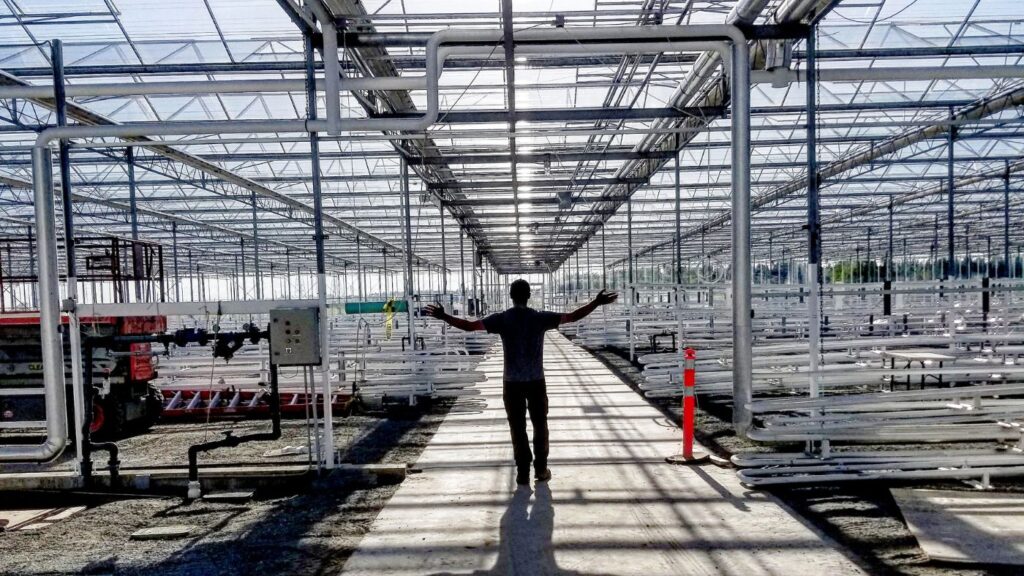 This guide covers the major considerations involved in planning and building a Virginia cannabis facility, with a focus on retail and cultivation operations and additional considerations relevant to processors and microbusinesses. It is written from the build side of the business, because that is where many otherwise-strong applicants stumble: they underestimate utility needs, local approvals, security infrastructure, commissioning, and the time required to convert a site into an inspection-ready operation.
 - Virginia Dual-Use Cannabis Conversion (2027): The $10M Medical-to-Adult-Use Pathway
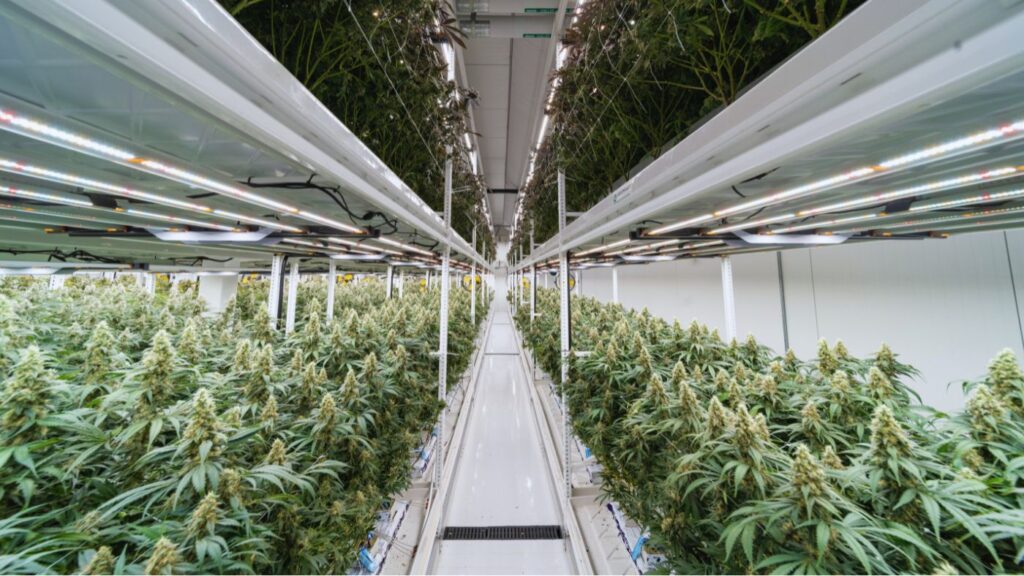 For Virginia’s existing medical cannabis operators, the 2026 retail framework created a distinct and high-stakes transition: pharmaceutical processors may apply for verification to exercise dual-use privileges and serve both registered medical patients and adult-use customers. The pathway covers the processor and its permitted cannabis dispensing facilities, and it carries a one-time $10 million fee, a required medical cannabis program preservation plan, an impact-licensee business accelerator commitment, and a firm May 1, 2027 payment or installment-plan deadline.
 - Virginia Impact Cannabis License (2027): Social Equity & the Equity Business Loan Fund
 Virginia’s adult-use cannabis framework creates a meaningful pathway for applicants from communities and backgrounds affected by cannabis prohibition and enforcement. The law does not create a separate, stand-alone impact license. Instead, it creates an impact-licensee designation that qualifying applicants may pursue alongside an underlying marijuana establishment license, such as retail, cultivation, processing, microbusiness, transportation, delivery, or testing.
 - Virginia Cannabis Microbusiness License (2027): Eligibility & the Two-Location Model
 This guide explains the initial eligibility pathways for the licenses the CCA may issue by May 1, 2027, the difference between a microbusiness license and an impact designation, the indoor and outdoor cultivation limits, the precise rules governing two locations, and the financial, security, and operational readiness standards applicants should prepare to demonstrate. Several implementation details – including fees and the specific combination of privileges the CCA will authorize – still depend on forthcoming regulations.
 - Virginia Cannabis Cultivation License (2027): The Tiered System Explained
 For operators whose strength is growing cannabis, Virginia’s emerging adult-use market presents a significant opportunity – and a cultivation license is the gateway to it. The June 2026 framework authorizes the Virginia Cannabis Control Authority (CCA) to begin accepting license applications on or after February 1, 2027 and issuing licenses on or after May 1, 2027. It also establishes five cultivation tiers with maximum canopies ranging from 5,000 to 35,000 square feet.