
Estimated reading time: 7 minutes
Table of contents
- Overview
- Understanding The Importance of a Master Grower
- Signs Your Cannabis Business Needs A Master Grower
- The Role of a Master Grower in Cannabis Cultivation
- The Economic Impact of a Master Grower
- The Master Grower’s Role in Employee Development
- Conclusion
- Additional Resources
- Free eBooks For Cannabis Business Success
- Latest Articles
Overview
In the evolving cannabis industry, the success of your cultivation operation is closely tied to the expertise behind it. One of the most critical roles in ensuring the health, potency, and productivity of your crops is the master grower. This expert is responsible for optimizing every aspect of cultivation, from strain selection to environmental controls. In this article, we will explore the signs that indicate when it’s time to hire a cannabis grower, along with the benefits they bring to your operation.
Understanding The Importance of a Master Grower
A master grower is an essential leader in cannabis cultivation, offering in-depth knowledge across horticulture, agronomy, and cannabis plant care. Their expertise enables you to cultivate plants that thrive, producing high-quality cannabis with optimal potency and yield. This role goes beyond simply managing the cultivation process—it involves the strategic direction needed to maximize efficiency and ensure crop success.
A master grower is a strategic leader who oversees every aspect of plant health, including soil science, nutrient management, and pest control. Their nuanced understanding ensures that your cultivation practices are optimized for the best possible outcomes.
Signs Your Cannabis Business Needs A Master Grower
As your cannabis business grows, several clear signs indicate it’s time to bring in a master grower:
Fluctuating Crop Yields
Inconsistent yields can signal underlying issues in cultivation. This may include subpar growing techniques or improper environmental control. A growth expert can analyze these problems and implement solutions that stabilize your yields.
Inconsistent Product Quality
Quality control is vital in the cannabis industry. Variations in the product’s potency, appearance, or flavor can indicate a lack of standardized processes. A master grower brings the expertise needed to create consistent, high-quality products that your customers can rely on.
Challenges in Maintaining a Healthy Crop
Ongoing crop health issues such as pest infestations, nutrient deficiencies, or plant diseases are signs that your cultivation methods may need expert intervention. A master grower can quickly address these issues, minimizing long-term damage.
The Role of a Master Grower in Cannabis Cultivation
A master grower’s role goes beyond basic plant care. They are responsible for:
Strain Selection as a Strategic Decision
Choosing the right cannabis strains is essential for cultivating products that meet market demand. A master grower’s expertise ensures the selection of strains that align with your goals, whether for medicinal, recreational, or specialty markets.
Genetic Optimization for Desired Traits
Master growers use advanced breeding and cultivation techniques to enhance cannabis strains, improving traits like cannabinoid profiles, terpene content, and plant resilience. This optimization contributes to both the quality and sustainability of your crops.
Precision Cultivation Techniques
Master growers apply specific techniques tailored to the needs of each strain, ensuring optimal conditions for growth. From controlled irrigation to strategic plant placement, their methods lead to uniform, high-quality crops.
Environmental Controls for Optimal Growth
Temperature, humidity, and light are crucial factors in cannabis growth. A master grower implements and manages advanced environmental controls to maintain ideal conditions, reducing stress and ensuring plant health.
Nutrient Management for Maximum Potency
A master grower carefully manages nutrients to ensure plants receive what they need at each growth stage. This involves precise adjustments to fertilizer, micronutrients, and other supplements, enhancing both plant health and cannabinoid potency.
Integrated Pest Management (IPM) Strategies
Pests and diseases can significantly affect crop quality. A master grower implements sustainable pest management strategies, such as using beneficial insects and organic treatments, to maintain a healthy crop without compromising quality.
Navigating Regulatory Compliance
The cannabis industry is highly regulated, with changing laws and standards. A master grower ensures compliance by staying up-to-date with legal requirements related to cultivation, pesticide use, and product testing. They ensure your business meets or exceeds local, state, and federal regulations, minimizing legal risks and building a reputation for ethical practices.
Quality Assurance and Testing Protocols
To meet industry standards and consumer expectations, a master grower establishes and enforces rigorous quality assurance and testing protocols. This includes regular testing for potency, contaminants, and adherence to Good Manufacturing Practices (GMP). Their role is critical in ensuring your products are safe, potent, and compliant.
The Economic Impact of a Master Grower
A master grower brings significant economic value to your business:
Operational Efficiency
Through expert guidance, a master grower can streamline operations, reduce waste, and improve productivity. This can result in cost savings while maintaining or increasing product quality.
Cost Reduction Through Resource Optimization
From energy-efficient lighting systems to fine-tuned irrigation practices, a master grower can identify opportunities to optimize resource use, leading to lower operational costs without sacrificing crop quality.
Enhancing Brand Reputation and Market Position
A master grower’s consistent ability to produce high-quality cannabis helps strengthen your brand’s reputation. Their expertise ensures that each batch of cannabis meets the highest standards, building consumer trust and differentiating your products in the competitive market.
The Master Grower’s Role in Employee Development
The success of your cannabis cultivation operation depends not only on the master grower but also on the cultivation team. A master grower plays a crucial role in:
Strategic Hiring Practices
Master growers understand the specific skill sets required for success in cannabis cultivation. They help recruit the best talent, ensuring your team has the diverse expertise needed to thrive.
Investing in Employee Training
Ongoing training ensures that employees are well-versed in the latest cultivation techniques and industry standards. This investment keeps your team skilled and motivated, ensuring long-term success.
Creating a Motivating Work Environment
By fostering a positive and supportive culture, a master grower keeps the cultivation team motivated, which leads to higher productivity and a more harmonious work environment.
Conclusion
Hiring a master grower is a crucial step in taking your cannabis cultivation business to the next level. By recognizing the signs that indicate the need for expert guidance, understanding the master grower’s role, and considering their economic impact, you position your business for long-term success.
With the help of Catalyst BC, your cultivation operation can benefit from expert guidance every step of the way. Whether you’re starting a new business or looking to optimize an existing one, Catalyst BC professionals provide the support needed for a successful cannabis venture.
Additional Resources
Free eBooks For Cannabis Business Success




Latest Articles
- How Much Does It Cost to Open a Dispensary in 2026?
 The allure of jumping into the legalized cannabis industry often paints a picture of quick riches and burgeoning demand, yet the reality of establishing a licensed cannabis dispensary is far more nuanced, capital-intensive, and fraught with unique financial challenges. For aspiring entrepreneurs and seasoned investors alike, understanding the true dispensary startup costs is the absolute bedrock of success.
 - Virginia Cannabis Facility Design & Build-Out for the 2027 Market
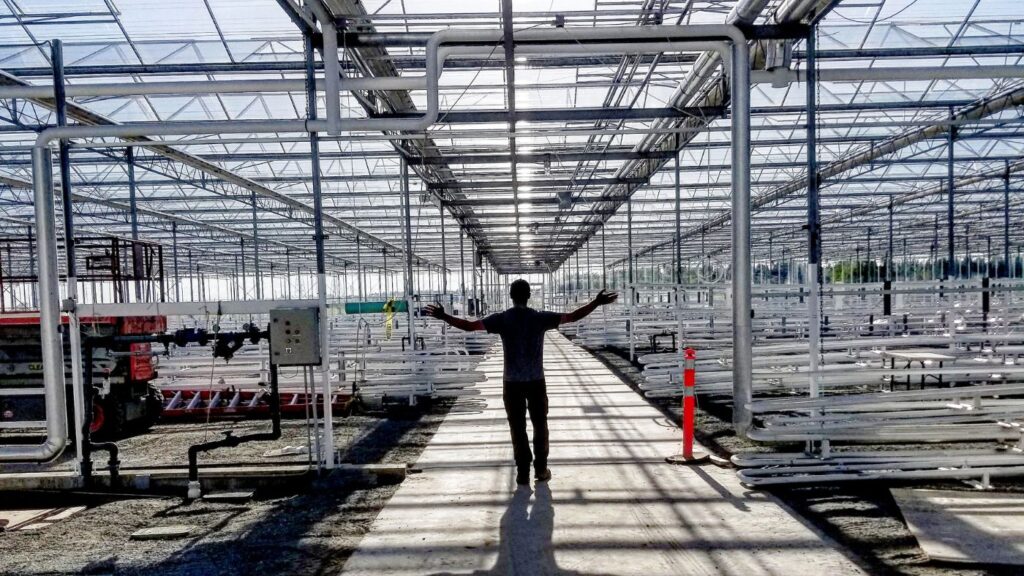 This guide covers the major considerations involved in planning and building a Virginia cannabis facility, with a focus on retail and cultivation operations and additional considerations relevant to processors and microbusinesses. It is written from the build side of the business, because that is where many otherwise-strong applicants stumble: they underestimate utility needs, local approvals, security infrastructure, commissioning, and the time required to convert a site into an inspection-ready operation.
 - Virginia Dual-Use Cannabis Conversion (2027): The $10M Medical-to-Adult-Use Pathway
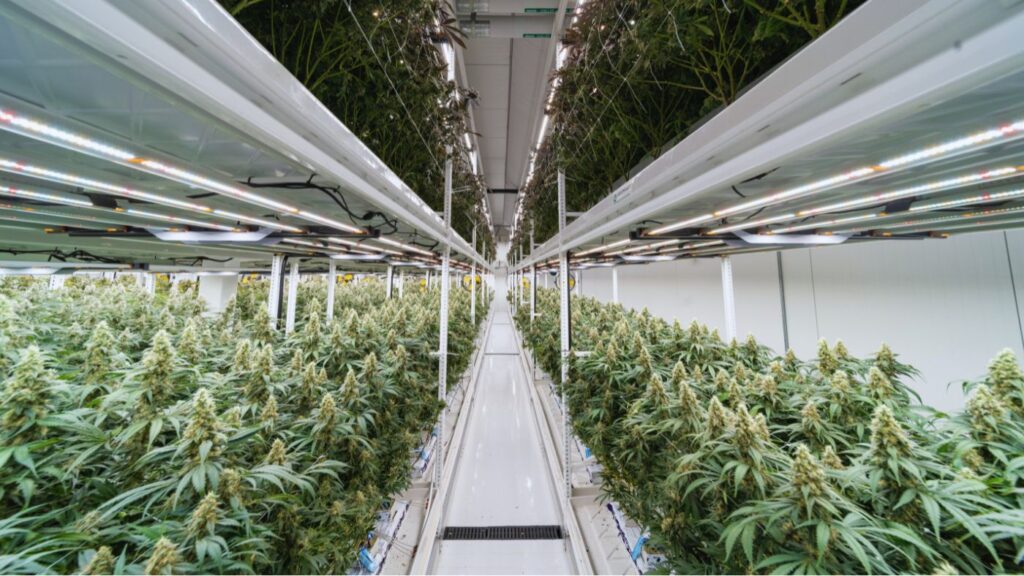 For Virginia’s existing medical cannabis operators, the 2026 retail framework created a distinct and high-stakes transition: pharmaceutical processors may apply for verification to exercise dual-use privileges and serve both registered medical patients and adult-use customers. The pathway covers the processor and its permitted cannabis dispensing facilities, and it carries a one-time $10 million fee, a required medical cannabis program preservation plan, an impact-licensee business accelerator commitment, and a firm May 1, 2027 payment or installment-plan deadline.
 - Virginia Impact Cannabis License (2027): Social Equity & the Equity Business Loan Fund
 Virginia’s adult-use cannabis framework creates a meaningful pathway for applicants from communities and backgrounds affected by cannabis prohibition and enforcement. The law does not create a separate, stand-alone impact license. Instead, it creates an impact-licensee designation that qualifying applicants may pursue alongside an underlying marijuana establishment license, such as retail, cultivation, processing, microbusiness, transportation, delivery, or testing.
 - Virginia Cannabis Microbusiness License (2027): Eligibility & the Two-Location Model
 This guide explains the initial eligibility pathways for the licenses the CCA may issue by May 1, 2027, the difference between a microbusiness license and an impact designation, the indoor and outdoor cultivation limits, the precise rules governing two locations, and the financial, security, and operational readiness standards applicants should prepare to demonstrate. Several implementation details – including fees and the specific combination of privileges the CCA will authorize – still depend on forthcoming regulations.
 - Virginia Cannabis Cultivation License (2027): The Tiered System Explained
 For operators whose strength is growing cannabis, Virginia’s emerging adult-use market presents a significant opportunity – and a cultivation license is the gateway to it. The June 2026 framework authorizes the Virginia Cannabis Control Authority (CCA) to begin accepting license applications on or after February 1, 2027 and issuing licenses on or after May 1, 2027. It also establishes five cultivation tiers with maximum canopies ranging from 5,000 to 35,000 square feet.