

Estimated reading time: 7 minutes
Table of contents
- Where Cannabis Can Be Consumed Away From Home in Minnesota
- What the Minnesota Cannabis Event Organizer License Allows
- Applying for an Event License: Order and Timing
- What Changes for Event Organizers on January 1, 2027
- Running a Compliant Cannabis Event
- Minnesota Cannabis Event and Lounge FAQs
- Additional Resources
- Free eBooks For Cannabis Business Success
- Latest Articles
Cliff Notes: hosting a legal cannabis lounge event in Minnesota
A Minnesota cannabis event organizer license is the main legal route to a cannabis lounge event. The state has no general lounge license, but three settings allow consumption away from home. The rules as of October 2026:
- Cannabis events: a cannabis event organizer license covers one event of up to four consecutive days, for people 21 and older, with local approval obtained first.
- Microbusiness consumption areas: a microbusiness with an on-site consumption endorsement may let customers consume edibles and lower-potency hemp edibles in a separate area, with no smoking or vaping.
- Hemp edible retailers: an LPHE retailer may allow on-site consumption only with a liquor on-sale license or equivalent liability insurance.
- Timing: OCM asks for event applications at least 45 days before the event; applications filed within 30 days may not be decided in time.
- Fees through 2026: $750 application and $750 license for each event.
- January 1, 2027: the event organizer license becomes annual and renewable, with a $750 application for each temporary event.
Updated October 4, 2026, from Minn. Stat. §§342.28, 342.39 and 144.413, OCM’s License Types page and Laws 2026, chapter 123.
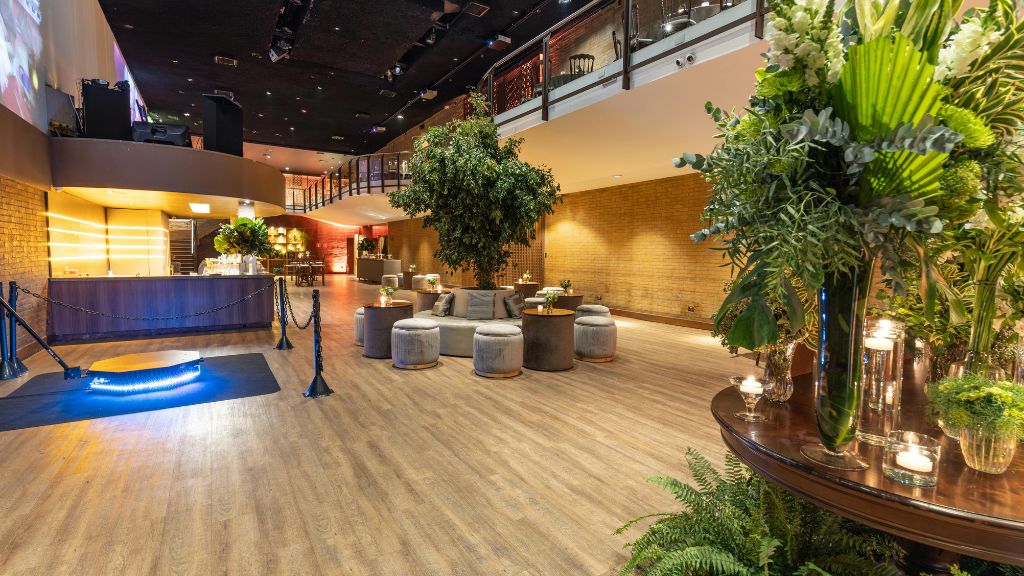
Where Cannabis Can Be Consumed Away From Home in Minnesota
A licensed cannabis business may not let customers consume cannabis on its premises unless it is licensed to permit on-site consumption (Minn. Stat. §342.24, subd. 2). Three settings meet that test today:
| Setting | What may be consumed | Key conditions |
|---|---|---|
| Licensed cannabis event | Products sold by licensed vendors at the event, in approved consumption areas | Event organizer license for each event; local approval first; 21 and older; no alcohol or tobacco; up to four consecutive days |
| Microbusiness with an on-site consumption endorsement | Edible cannabis products and lower-potency hemp edibles only | Separate area with its own entrance; no smoking or vaping; no alcohol or tobacco; no one under 21 |
| Lower-potency hemp edible (LPHE) retailer | Hemp-derived edibles and beverages | Needs a Chapter 340A liquor on-sale license or liability insurance of equivalent coverage |
Sources: Minn. Stat. §§342.24, 342.28 and 342.39; OCM License Types page, read September 28 and October 4, 2026.
Cannabis retailers and mezzobusinesses have no on-site consumption authority. Minnesota’s Clean Indoor Air Act defines smoking to include heated products made from marijuana and the use of an activated electronic delivery device, so indoor smoking and vaping fall under its limits (Minn. Stat. §144.413).
What the Minnesota Cannabis Event Organizer License Allows
A Minnesota cannabis event organizer license lets the holder organize a temporary cannabis event lasting no more than four days (Minn. Stat. §342.39). Through December 31, 2026, OCM treats it as a temporary license that must be obtained separately for each event (OCM License Types). At the event:
- Licensed cannabis and hemp businesses sell to attendees; the organizer lists them in the application, and you can add or change vendors up to 72 hours before the event starts (the statute’s words are “supplemented or amended within 72 hours of the time at which the cannabis event begins”; confirm the cutoff with OCM).
- Attendance is limited to people 21 and older.
- Alcohol and tobacco may not be sold or consumed.
- Every consumption area appears on the event diagram and needs specific local approval.
OCM accepts event organizer applications on an ongoing basis. Most cannabis license holders may also apply. Testing facilities may not; until January 1, 2027, the statute also bars an event organizer from holding a lower-potency hemp edible license, although OCM’s License Types page says hemp license holders may apply, so confirm with OCM first (Minn. Stat. §342.39, subd. 3).
Applying for an Event License: Order and Timing
- Win local approval first. Unlike other cannabis licenses, the city or county must approve the event, including its consumption areas, before you apply to OCM.
- Line up licensed vendors. Confirm each vendor’s license and what it will sell.
- Prepare the application. It includes the event location, a diagram showing every consumption area, the vendor list, dates and hours, and proof of local approval.
- Apply at least 45 days ahead. OCM recommends submitting the application and fee at least 45 days before the event; applications received within 30 days risk no decision before the event date.
- Pay the fees. Through December 31, 2026: a $750 application fee and a $750 license fee, both nonrefundable.
What Changes for Event Organizers on January 1, 2027
The 2026 law turns the event organizer license into an annual, renewable license rather than a temporary one (OCM 2026 law changes summary). From January 1, 2027, the fees are a $750 application fee, a $0 initial license fee, a $750 renewal fee and a $750 application fee for each temporary event (Laws 2026, chapter 123, section 13). OCM tells applicants planning 2027 events to review the new rules before applying.
Running a Compliant Cannabis Event
- Entry control: check identification at every entrance; no one under 21 may attend.
- Consumption areas: keep each one where the approved diagram shows it, clearly marked and separated from sales areas.
- Smoke and vapor: plan any smoking area outdoors and within local rules, because the Clean Indoor Air Act covers cannabis smoke and vaping indoors.
- Vendors: only licensed businesses on your filed vendor list may sell; confirm any late change with OCM before the event opens.
- No alcohol or tobacco: neither may be sold or consumed at a cannabis event.
If you want a permanent space rather than occasional events, a microbusiness on-site consumption area is the only adult-use cannabis option, and it is limited to edibles and lower-potency hemp edibles. For every Minnesota license type in one place, see our Minnesota cannabis consulting page, or book a Minnesota consultation.
Minnesota Cannabis Event and Lounge FAQs
There is no general lounge license. A microbusiness with an on-site consumption endorsement may let customers consume edibles and lower-potency hemp edibles in a separate area, and licensed cannabis events may run for up to four consecutive days.
Get local approval for the event and its consumption areas, then apply to OCM with the event diagram, vendor list, dates and hours. OCM recommends applying at least 45 days before the event.
No more than four consecutive days.
No. Alcohol and tobacco may not be sold or consumed at a cannabis event.
Only in approved consumption areas that comply with local rules. Minnesota’s Clean Indoor Air Act defines smoking to include cannabis and vaping devices, so indoor smoking and vaping are restricted.
Through December 31, 2026, a $750 application fee and a $750 license fee for each event. From January 1, 2027, a $750 application fee, a $0 initial license fee, a $750 renewal fee and $750 for each temporary event application.
From January 1, 2027, the event organizer license becomes an annual, renewable license, and each temporary event needs its own $750 application.
Additional Resources
- Catalyst BC in Minnesota
- Minnesota Cannabis Microbusiness License Guide
- MN Cannabis License Options for 2026–2027
- Locked and Loaded: Security Best Practices for Cannabis Consumption Lounges
- Developing a Winning On-Site Cannabis Menu
Free eBooks For Cannabis Business Success




Latest Articles
- How Much Does It Cost to Open a Dispensary in 2026?
 The allure of jumping into the legalized cannabis industry often paints a picture of quick riches and burgeoning demand, yet the reality of establishing a licensed cannabis dispensary is far more nuanced, capital-intensive, and fraught with unique financial challenges. For aspiring entrepreneurs and seasoned investors alike, understanding the true dispensary startup costs is the absolute bedrock of success.
 - Virginia Cannabis Facility Design & Build-Out for the 2027 Market
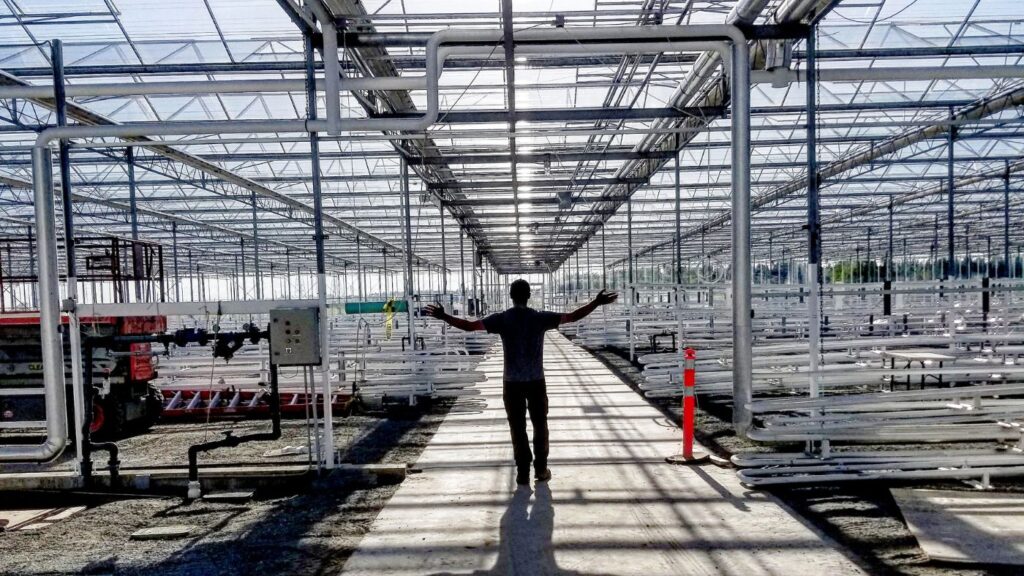 This guide covers the major considerations involved in planning and building a Virginia cannabis facility, with a focus on retail and cultivation operations and additional considerations relevant to processors and microbusinesses. It is written from the build side of the business, because that is where many otherwise-strong applicants stumble: they underestimate utility needs, local approvals, security infrastructure, commissioning, and the time required to convert a site into an inspection-ready operation.
 - Virginia Dual-Use Cannabis Conversion (2027): The $10M Medical-to-Adult-Use Pathway
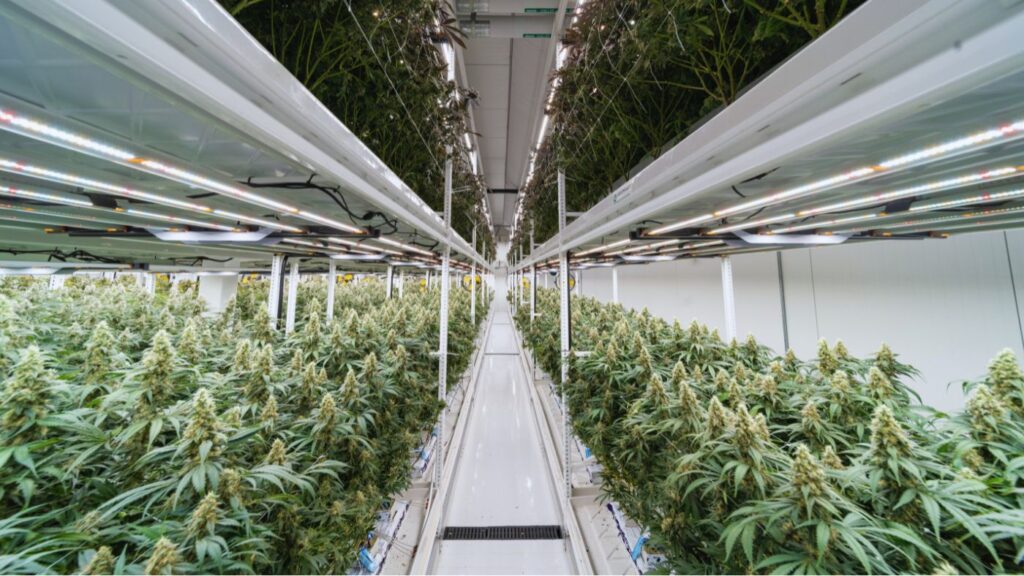 For Virginia’s existing medical cannabis operators, the 2026 retail framework created a distinct and high-stakes transition: pharmaceutical processors may apply for verification to exercise dual-use privileges and serve both registered medical patients and adult-use customers. The pathway covers the processor and its permitted cannabis dispensing facilities, and it carries a one-time $10 million fee, a required medical cannabis program preservation plan, an impact-licensee business accelerator commitment, and a firm May 1, 2027 payment or installment-plan deadline.
 - Virginia Impact Cannabis License (2027): Social Equity & the Equity Business Loan Fund
 Virginia’s adult-use cannabis framework creates a meaningful pathway for applicants from communities and backgrounds affected by cannabis prohibition and enforcement. The law does not create a separate, stand-alone impact license. Instead, it creates an impact-licensee designation that qualifying applicants may pursue alongside an underlying marijuana establishment license, such as retail, cultivation, processing, microbusiness, transportation, delivery, or testing.
 - Virginia Cannabis Microbusiness License (2027): Eligibility & the Two-Location Model
 This guide explains the initial eligibility pathways for the licenses the CCA may issue by May 1, 2027, the difference between a microbusiness license and an impact designation, the indoor and outdoor cultivation limits, the precise rules governing two locations, and the financial, security, and operational readiness standards applicants should prepare to demonstrate. Several implementation details – including fees and the specific combination of privileges the CCA will authorize – still depend on forthcoming regulations.
 - Virginia Cannabis Cultivation License (2027): The Tiered System Explained
 For operators whose strength is growing cannabis, Virginia’s emerging adult-use market presents a significant opportunity – and a cultivation license is the gateway to it. The June 2026 framework authorizes the Virginia Cannabis Control Authority (CCA) to begin accepting license applications on or after February 1, 2027 and issuing licenses on or after May 1, 2027. It also establishes five cultivation tiers with maximum canopies ranging from 5,000 to 35,000 square feet.