California Cannabis Consultants for DCC Licenses, Compliance and Grow Margins
California cannabis consulting for investors new to cannabis and for licensed operators protecting margin. You can apply now: DCC takes applications for every license type in the order received, once your city or county has permitted the business. Our records list 11 California clients from 2015 to present.
A Decade of Harvesting Success - Trusted by Cannabis Operators Worldwide
California DCC and Tax Dates Ahead
Updated: 10/1/2026. California allows medicinal cannabis, legal since voters passed the Compassionate Use Act in 1996 (California’s cannabis laws), and adult use, approved as Proposition 64 in 2016 (DCC, 10 years since legalization). The Department of Cannabis Control has licensed every commercial activity since July 12, 2021, when Assembly Bill 141 merged three state programs (DCC Strategic Plan 2026–2031), under Title 4 of the California Code of Regulations as revised July 1, 2026 (DCC regulations, Title 4). In fiscal year 2024–25 it issued 849 licenses and renewed 7,225 (DCC Legislative Report FY 2024-25), and licensed growers produced about 1.4 million pounds in 2024 (California Cannabis Market Outlook).
Applications are open daily, but issued licenses averaged 287 days in review in 2024–25; earning a return is harder. The state’s market report calls 2024 challenging: prices fell 3.9% over the year, though fourth-quarter wholesale prices finished 4.8% above a year earlier, and about 11.4 million pounds of unlicensed cannabis is grown in the state each year, roughly three times what Californians consume. For a retailer selling both adult-use and medicinal cannabis, December 2, 2026 is the date to watch: the emergency rules allowing separate A and M licenses expire then unless DCC replaces them (DCC Rulemaking).
Meet Catalyst BC's Founders
-
Leif Olsen
Chief Executive Officer
-
Michael Williamson
Chief Operating Officer
-
Ian Miller
Executive Chair
Our partners bring multi-faceted expertise across business strategy, licensing, facility development, finance, and commercial operations. That breadth is complemented by subject matter experts across the wider Catalyst BC team, allowing us to bring the right combination of experience to each client and project. The result is bespoke, collaborative support shaped around your business, priorities, and goals - with the right expertise brought to the table when it matters most.
What DCC Leaves to You, and Where a California Cannabis Consultant Fits
DCC does not choose your jurisdiction, structure your ownership, model your fees or design your building, and its Legislative Report lists applicants who do not produce required documents in a timely manner among the causes of slow reviews.
Capital From Outside the Industry, Looking for a Way Into California
For a buyer arriving from another industry with money to deploy, the door is open today: apply for a new license at any time, since the state runs no lottery or closed round, or buy into a business that holds one. The license cannot be sold or assigned, but ownership can change: new owners report to DCC within 14 calendar days, and the business keeps operating during review if at least one existing owner stays. Buy out every owner at once and it must stop until DCC approves a new application.
How much you can own is not capped: Title 4 sets no limit on one investor’s share. Anyone holding 20% or more, or managing or controlling the business, is an owner; a smaller holder, a lender or anyone entitled to 10% or more of the profits is a financial interest holder, and both are disclosed. Banks making loans and holders of under 10% of a company’s stock are excluded. The one share the rules reward is 50%: a business at least 50% owned by qualified equity applicants can seek fee relief. Returns can come as profit shares or loan interest, and a licensee can authorize DCC to share its license information with its bank (§15037.1).
Supply keeps growing: licensed production rose 11.8% in 2024, yet licensed sales cover only about 40% of consumption.
We carry that from diligence to opening day: acquisition diligence, jurisdiction screening and the market case in our cannabis business strategy work; the budget, fee and excise model and pro forma in cannabis financial planning; applications, disclosures and the premises diagram under cannabis licensing and application support; and site, build and launch under cannabis startup support. Each phase is priced separately, so you can stop after feasibility.
Licensed Growers, Manufacturers and Retailers Protecting Margin in California
For a license holder the squeeze is price. DCC’s market report found outdoor flower prices down 36% year over year in the fourth quarter of 2024, the retail markup up from 3.1 in the first quarter of 2020 to 3.9 in the second quarter of 2024, and active cultivation licenses down 18% in a year, partly through consolidation. With the shelf price set by the market, profit comes from more grams per square foot and a lower cost per gram.
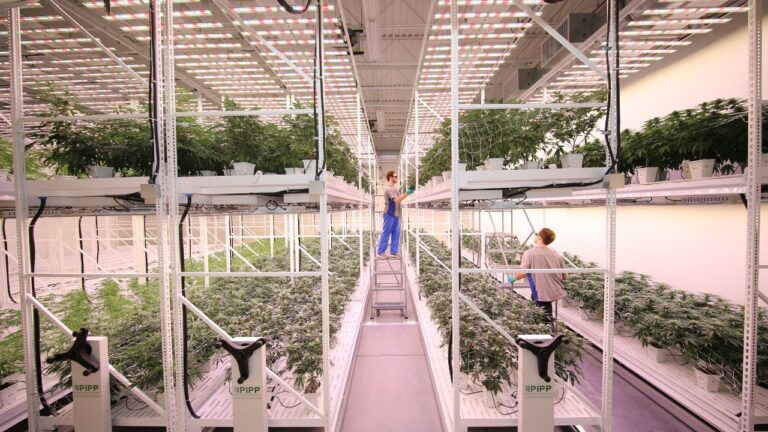
Canopy is the lever and the limit. Areas holding mature plants need physical boundaries with no plant hanging over, trade-sample canopy counts (§16308), and on a shelving system each level’s surface area counts (§15006): racking fits licensed canopy into less floor space but never adds to it. Existing cultivation licenses can be converted into a Large or Medium license with no application fee and a credit for days left on the old ones (§15027.1), and a licensee may hold more than one Medium license (DCC CannaConnect). A failed batch may be remediated twice; if it fails again after the second attempt, it is destroyed (§15727). Edibles may be remediated only by relabeling or, over the THC package limit, repackaging (§17305). New pesticide residue action levels apply from October 1, 2026, and DCC’s September 2026 recall of a pre-roll for Aspergillus shows that mold, not only pesticides, can pull product from shelves (DCC Licensee Update, September 21, 2026).
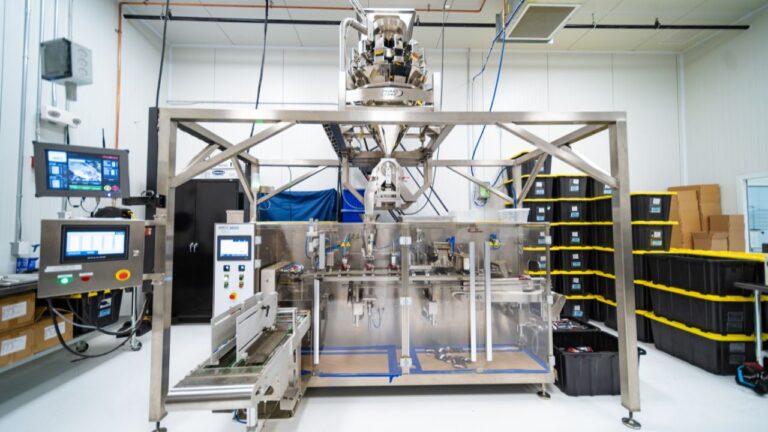
For license holders, we cover cannabis facility design with HVAC and dehumidification engineering, controlled environment agriculture climate settings that reduce crop loss and failed tests, cannabis vertical farming layouts and operational optimization. When cost per gram rises faster than price, a cannabis turnaround diagnostic finds where the margin went. We also prepare renewal and conversion files and audit your operation against DCC’s self-inspection checklist.
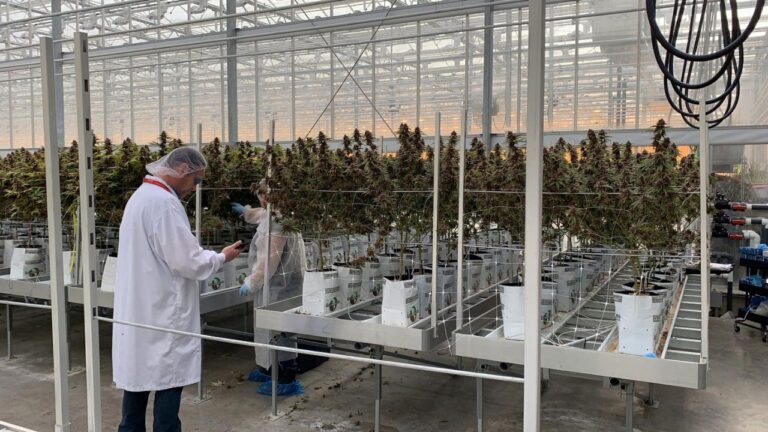
Our California experience. Two of our founders worked at Harborside. CEO Leif Olsen was Supply Chain Manager for FLRish Inc. and Harborside Health, and COO Michael Williamson was Director of Operations from 2016 to 2017 for FLRish Inc. and Harborside Farms, a 47-acre farm in Salinas with 217,800 sq. ft. of controlled-environment greenhouse cultivation (About Us). At Harborside Farms, Catalyst BC retrofitted four acres of existing greenhouse for cannabis production, supported construction of a new one-acre Venlo glass greenhouse and managed a 4,000-amp, three-phase power upgrade, taking an inactive farm to licensed production (Harborside Farms project page). Michael has designed or consulted on more than 7 million sq. ft. of cultivation facilities, and our client records list 11 California clients from 2015 to present.
Catalyst BC has no California office. We work on site and remotely, and the team that leads our national cannabis consulting work handles every California engagement.
Before you pay anyone to secure a site, open DCC’s free map of where cannabis businesses are allowed. For a California project review, contact us or call (USA) 303-305-3787.

Investing in California cannabis
- Cannabis Business Strategy ConsultingJurisdiction screens and acquisition diligence
- Cannabis Financial Planning & ModelingPro formas, DCC fees and the 15% excise
- Cannabis Licensing & Application SupportCLS and CLEaR filings, owner disclosures
- Cannabis Startup SupportLocal permit to opening day
Already licensed in California
- Cannabis Facility Design & HVAC / HVACD EngineeringGreenhouse, mixed-light and indoor
- Cannabis Controlled Environment Agriculture (CEA)Setpoints that cut crop loss and failed tests
- Cannabis Vertical Farming ConsultingRacks with every level counted as canopy
- Cannabis Operational OptimizationGrams per square foot and cost per gram
- Cannabis Business Turnaround & Operational RecoveryWhen costs outpace price
Compliant Harvests
Square Feet of Cultivation, Production, and Retail Facilities Designed
Licenses Secured
California Takes License Applications Every Day, Behind a Local Permit
DCC publishes no application window and reviews applications in the order received (How to apply for a license). Cultivators file through the Cultivation Licensing System (CLS) and every other license type through CLEaR; a business in both families files in both (Access the license portals). The calendar that matters is your city or county’s permit process.
California routes that are open or closed on October 1, 2026
| Route | Status | Where to file |
|---|---|---|
| Cultivation, from specialty cottage to Large, plus nursery and processor | Open, after local permitting | CLS |
| Manufacturing, distribution, retail, microbusiness, testing laboratory and events | Open where the locality allows the activity | CLEaR |
| Separate M-license for a retailer with an A- and M-designated license | Open until the emergency rules expire December 2, 2026 | Request to DCC |
| Provisional license | Closed: none effective after January 1, 2026, except locally verified equity retailers | — |
Sources: DCC licensing pages, CannaConnect and Rulemaking; 4 CCR §§15001, 15027.1, 16201.1.
Average DCC processing days by license type, fiscal year 2024–25
| License type | Average days to process |
|---|---|
| Temporary cannabis event | 66 |
| Event organizer | 129 |
| Retailer | 177 |
| Microbusiness | 206 |
| Distribution | 245 |
| Cultivation | 327 |
| Manufacturing | 369 |
| Testing laboratory | 703 |
Source: DCC Legislative Report, Fiscal Year 2024-25. The average for issued licenses rose from 259 to 287 days, mostly from provisional-license conversions.
Upcoming California rule and tax dates
| Date | What happens | Status on October 1, 2026 |
|---|---|---|
| December 2, 2026 | Separate A and M license rules (DCC-2026-03-E) expire unless replaced: the end of a rule, not an applicant deadline | Upcoming |
| January 1, 2028 | AB 2249 “attractive to children” packaging standards begin; AB 8 hemp-concentrate products become taxable | Enacted, not yet in effect |
| June 30, 2029 | Last day of the 15% excise rate period | Current rate |
Sources: DCC Rulemaking; DCC Licensee Update, September 8, 2026; CDTFA. Each date checked on the agency page October 1, 2026.
From Specialty Cottage to Large: California’s License Menu and Canopy Sizes
DCC licenses by activity, so a business doing several things may need several licenses, each carrying an A (adult-use) or M (medicinal) designation, or both (Types of cannabis licenses). Cultivation is sized by canopy and lighting: indoor means only artificial light, or more than 25 watts per square foot; mixed-light Tier 1 uses up to 6 watts and Tier 2 more than 6 and up to 25 (§15000; Cultivation license types).
California license types and the activity each one covers
| License | What it allows |
|---|---|
| Cultivation (specialty cottage through Large), nursery, processor | Grow within the licensed canopy / propagation material only / trimming, drying, curing, packaging and labeling only |
| Type 7 manufacturing | Volatile solvent extraction, plus everything Type 6 allows |
| Type 6 manufacturing | Non-volatile solvent or mechanical extraction, infusion, packaging and labeling |
| Type N / Type P / Type S | Infusion only / packaging and labeling only / shared-use facility manufacturing |
| Type 11 distributor | Move and store goods and arrange lab testing |
| Type 13 transport-only distributor | Transport only |
| Type 10 storefront / Type 9 non-storefront retailer | Sell from a physical location, with delivery / sell only by delivery |
| Type 12 microbusiness | Three or more activities on one premises, cultivation up to 10,000 sq ft |
| Type 8 testing laboratory | Test goods before retail sale; ISO/IEC 17025 accreditation required |
| Event organizer / temporary cannabis event | Licensed events; since July 1, 2026, a temporary event may last up to 30 days |
Sources: DCC license type pages; 4 CCR §§15500, 16201, 17006; DCC Licensee Updates, September 14 and 21, 2026.
Cultivation license sizes under 4 CCR §16201 and §16201.1
| License | Outdoor | Indoor | Mixed-light (Tier 1 or 2) |
|---|---|---|---|
| Specialty cottage | Up to 25 mature plants or 2,500 sq ft | 500 sq ft or less | 2,500 sq ft or less |
| Specialty | Up to 5,000 sq ft, or up to 50 mature plants on noncontiguous plots | 501 to 5,000 sq ft | 2,501 to 5,000 sq ft |
| Small | 5,001 to 10,000 sq ft | 5,001 to 10,000 sq ft | 5,001 to 10,000 sq ft |
| Medium | 10,001 sq ft to one acre | 10,001 to 22,000 sq ft | 10,001 to 22,000 sq ft |
| Large | More than one acre | More than 22,000 sq ft | More than 22,000 sq ft |
Sources: 4 CCR §§16201 and 16201.1, revised July 1, 2026; DCC Cultivation license types.
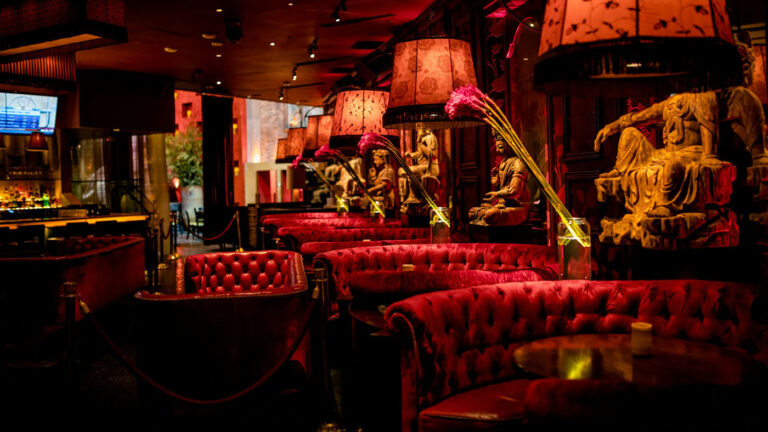
Choose the license stack before the site. A microbusiness keeps several activities under one license, but a suspension then reaches all of them at once; separate licenses cost more but isolate the risk. If on-site consumption is in your retail plan, read the California lounge licensing guide before you design the floor.
What a California License Costs Under 4 CCR §15014 and §15014.2
Two state fees apply. The application fee is paid when you file: $1,000 for most non-cultivation licenses, $500 for Type S shared-use manufacturing and $135 to $8,655 for cultivation. The annual license fee follows approval and every renewal, set by gross revenue for most licenses and by canopy and lighting for cultivators (DCC application and license fees): distributors pay $1,500 to $240,000 (Type 13 self-distribution: $200 to $1,000) and testing laboratories $3,000 to $112,000. All fees are nonrefundable, and an underpayment is owed with a penalty of 50% of the correct fee.
Annual fees for retailers and microbusinesses, by gross revenue
| Gross revenue (per license) | Retailer (Type 9 or 10) | Microbusiness (Type 12) |
|---|---|---|
| $500,000 or less | $2,500 | $5,000 |
| $500,001–$750,000 | $5,500 | $5,000 |
| $750,001–$1.0 million | $7,500 | $5,000 |
| $1.0–1.5 million | $11,000 | $12,000 |
| $1.5–2.0 million | $14,500 | $12,000 |
| $2.0–3.0 million | $22,500 | $20,000 |
| $3.0–4.0 million | $30,500 | $32,000 |
| $4.0–5.0 million | $38,500 | $45,000 |
| $5.0–6.0 million | $46,500 | $45,000 |
| $6.0–7.0 million | $57,000 | $60,000 |
| $7.0–7.5 million | $57,000 | $80,000 |
| $7.5–10.0 million | $96,000 | $80,000 |
| $10–20 million | $96,000 | $100,000 |
| $20–30 million | $96,000 | $120,000 |
| $30–40 million | $96,000 | $140,000 |
| $40–50 million | $96,000 | $160,000 |
| $50–60 million | $96,000 | $180,000 |
| $60–80 million | $96,000 | $220,000 |
| More than $80 million | $96,000 | $300,000 |
Source: 4 CCR §15014(c), revised July 1, 2026, and DCC fee pages. Rows combine the retail and microbusiness breakpoints; each tier includes its upper bound.
Annual fees for manufacturers and event organizers
| Manufacturing revenue (Types 6, 7, N, P, S; Type S: Tiers I–III only) or event activity | Fee |
|---|---|
| $100,000 or less (Tier I) | $2,000 |
| $100,000–$500,000 (Tier II) | $7,500 |
| $500,000–$1.5 million (Tier III) | $15,000 |
| $1.5–3.0 million (Tier IV) | $25,000 |
| $3.0–5.0 million (Tier V) | $35,000 |
| $5.0–10 million (Tier VI) | $50,000 |
| More than $10 million (Tier VII) | $75,000 |
| Event organizer: 0 to 5 events a year | $3,000 |
| Event organizer: 6 to 10 events | $5,000 |
| Event organizer: 11 to 20 events | $9,000 |
| Event organizer: more than 20 events | $20,000 |
| Temporary cannabis event | $1,000 application per event |
Source: 4 CCR §15014(a), (d) and (e); Type S revenue limit, §15002(c)(13)(E). A new manufacturer estimates revenue for its first 12 months.
Cultivation application and annual license fees
| License | Application fee | Annual license fee |
|---|---|---|
| Specialty cottage outdoor | $135 | $1,205 |
| Specialty cottage indoor | $205 | $1,830 |
| Specialty cottage mixed-light Tier 1 | $340 | $3,035 |
| Specialty cottage mixed-light Tier 2 | $580 | $5,200 |
| Specialty outdoor | $270 | $2,410 |
| Specialty indoor | $2,170 | $19,540 |
| Specialty mixed-light Tier 1 | $655 | $5,900 |
| Specialty mixed-light Tier 2 | $1,125 | $10,120 |
| Small outdoor | $535 | $4,820 |
| Small indoor | $3,935 | $35,410 |
| Small mixed-light Tier 1 | $1,310 | $11,800 |
| Small mixed-light Tier 2 | $2,250 | $20,235 |
| Medium outdoor | $1,555 | $13,990 |
| Medium indoor | $8,655 | $77,905 |
| Medium mixed-light Tier 1 | $2,885 | $25,970 |
| Medium mixed-light Tier 2 | $4,945 | $44,517 |
| Nursery | $520 | $4,685 |
| Processor | $1,040 | $9,370 |
| Large outdoor | $1,555 | $13,990 + $640 per 2,000 sq ft over one acre |
| Large mixed-light Tier 1 | $2,885 | $25,970 + $2,360 per 2,000 sq ft over 22,000 |
| Large mixed-light Tier 2 | $4,945 | $44,517 + $4,040 per 2,000 sq ft over 22,000 |
| Large indoor | $8,655 | $77,905 + $7,080 per 2,000 sq ft over 22,000 |
Source: 4 CCR §§15014(f)–(g) and 15014.2, revised July 1, 2026. Conversions to Large or Medium carry no application fee.
Capital items outside the license fee schedule
| Item | Amount or rule |
|---|---|
| Surety bond | At least $5,000 for each licensed premises |
| Physical modification of a non-cultivation premises | $500 fee |
| Local cultivation taxes | Square-footage taxes from $1 per sq ft (Lake County) to $25 per sq ft (Imperial County) |
| Local revenue taxes | From 1% (San Francisco) to 7–10% (Santa Cruz, San Luis Obispo and Santa Clara) |
Sources: 4 CCR §§15002 and 15014; California Cannabis Market Outlook (local taxes in 2024).
Worked example, our arithmetic: a Large indoor grow with 30,000 square feet of canopy, such as three racked levels of 10,000 square feet, pays the $77,905 base plus four 2,000-square-foot blocks at $7,080, or $106,225 a year, after an $8,655 application fee. Rent, buildout and pre-revenue months usually outweigh it; our guide to cannabis startup costs from licensing to profitability covers those.
Inside DCC’s Review Queue: Local Sign-Off, Owner Files and a Five-Step Dispensary Route
Review follows a fixed order. You open an account in the right system, disclose every owner and financial interest holder and pay the application fee; DCC confirms local requirements, reviews owners’ criminal history and emails any deficiencies with a deadline. After approval you pay the license fee and the one-year license issues. Each application also needs a premises diagram, the landowner’s consent and, at 10 or more employees, a labor peace agreement (DCC application resources).
How to Open a Dispensary in California: Five Steps From Zoning to Opening Day
- Find a city or county that allows retail. Check DCC’s map, then the local ordinance for zoning, any cap on retailers and any equity program.
- Win the local permit first. DCC checks with the city or county during review.
- Secure the site, with the right to occupy it, the landowner’s consent and a premises diagram that matches it.
- Apply in CLEaR for a Type 10 storefront or Type 9 non-storefront license, with every owner and financial interest holder, the bond and the $1,000 application fee.
- Open compliant. Pay the revenue-based license fee, register with CDTFA for a seller’s permit and a cannabis retailer excise tax permit, complete track and trace credentialing within 10 calendar days, and post the license near the entrance.
Equity Fee Relief, Local Equity Programs and Where Your Consultant Stands With DCC
California’s equity help comes in two layers. A business at least 50% owned by qualified equity applicants may receive one state fee waiver per calendar year, if gross revenue is $5,000,000 or less, and a deferral on each additional license; at renewal, ask at least 60 calendar days before expiration (§15014.1). Each equity owner must meet a state criterion, such as a cannabis arrest or conviction before November 8, 2016, or household income at or below 60% of area median income; locally verified applicants attest to one (§15014.1). DCC’s Legislative Report says waiver funding ran out in February 2024; deferrals remain. Several cities and counties run their own equity programs too.
What DCC makes of the consultant you hire
Two rules apply. Pay a consultant a share of the profits and, once that share reaches 10% or more, the consultant is a financial interest holder you must disclose (§15004), so a profit-based success fee can put any consultant, including us, on your license record; a flat or milestone fee does not. DCC discusses a file only with the designated responsible party, an owner, a California-licensed lawyer or a listed informed recipient, so a consultant speaks for you only as that informed recipient, with the designated responsible party starting each inquiry and staying on the thread (DCC Licensee Update, September 8, 2026).
For a buyer, two more limits matter: financial-interest-holder changes are reported within 14 calendar days too, and a license cannot move to a new premises. We map every owner, lender and profit-sharing agreement before anything is signed.
Where a California Cannabis Business Can Locate: 256 of 540 Localities and Census-Tract Limits
By DCC’s count, 256 of California’s 540 cities and counties (47%) allow at least one type of cannabis business, 284 (53%) allow none, and 302 (56%) allow no retail. Ordinances set the time, place and manner of operation, so a city allowing cultivation may still bar storefronts.
The state adds a retail test. Before granting or renewing a retail license, DCC checks whether licensees per head of population in the census tract exceed the county’s ratio or a local limit; an applicant may show that denial would perpetuate the illegal market, and DCC recalculates the ratios every six months (§15019).
Every applicant also attests that the premises complies with Business and Professions Code section 26054(b); a local license, permit or written notice of compliance counts as evidence (§15002). This page gives no setback distance, so confirm it locally. Odor and water often decide a cultivation permit; see our articles on cannabis odor control and water use in grow facility design.
Keeping a California License: Renewal Windows, Metrc Clocks, Batch Rules and the 15% Excise
The renewal window opens 60 calendar days before expiration, and the renewal and license fee must be in before the license expires (How to renew your license). A late renewal is accepted for 30 calendar days with a 50% late fee; after that a new application is required, and nothing may be sold, moved or made while the license is expired. At renewal, licensees attest to Cal-OSHA 30-hour training if they have more than one employee, and to a labor peace agreement at 10 or more.
In a weak season growers have three options. Limited Operations Status, at 20% of the annual fee, allows only processing and sale of earlier harvests, and mature plants must be destroyed within 30 days. A reduced-size license keeps the same lighting type at a smaller canopy and fee. A one-time change to the expiration date, at renewal or any other time, moves the renewal to a better month (DCC Licensee Update, September 14, 2026).
Track and trace clocks every California licensee works to
| Clock | Rule |
|---|---|
| Immediately | Report losing system access for more than 72 hours |
| Within 24 hours | Report significant inventory discrepancies; accept or reject manifests |
| Within three calendar days | Record tag receipt, corrections, destroyed plants, moves to mature canopy, harvests |
| At least every 30 calendar days | Reconcile inventory with the system; remove unauthorized users |
| Within three business days | File an updated diagram after a minor change; material changes need prior approval |
Sources: DCC Licensee Updates, September 8 and 21, 2026; 4 CCR §15027.

Track and trace reporting remains one of DCC’s most cited violations. Inspectors compare the premises with the diagram on file and, at grows, check canopy areas, pesticides, water and power sources, light pollution and scales. Since July 1, 2026, harvest batches must be separated by an identifiable boundary and labeled (DCC-2025-01-R), and a pesticide labeled only in a foreign language renders every cannabis good on the premises held under unsanitary conditions (DCC Licensee Update, September 21, 2026).

What the 15% excise and sales tax add at the register
The retailer collects the excise on gross receipts, including delivery charges, service fees and any local cannabis tax passed on, and states it separately on the receipt. CDTFA puts the rate at 15% from October 1, 2025 through June 30, 2029, after a 19% rate from July 1 through September 30, 2025 (CDTFA, Cannabis Retailers). Sales tax, at a 7.25% statewide base, applies on top; patients with a Medical Marijuana Identification Card are exempt from sales tax but not the excise. From January 1, 2028, AB 8 brings hemp-concentrate products, other than CBD isolate-only ones, under the excise (CDTFA Tax Guide for Cannabis Businesses).
Federal rescheduling and the separate medicinal license
DCC says the federal government announced the rescheduling of medicinal cannabis on April 28, 2026, and that DEA registration applications filed after June 26, 2026 lose the expedition provision (Federal rescheduling resources). DCC’s emergency rules, effective June 4, 2026, let a retailer with a combined A- and M-designated license split off a new M-license held by a related entity with the same owners (DCC-2026-03-E final text). The two are jointly and severally liable and cannot share a seller’s permit or federal employer identification number; DCC reviews a complete request within five business days. You can likely file it without outside help.
Weighing a California Investment, or a Grow That Should Earn More?
Investors get a plain answer on what they can own, disclose and spend before signing a lease; license holders get a yield, canopy and cost-per-gram plan inside DCC’s rules. Send your numbers first; if we are not the right fit, we will say so.
California License Questions From Investors and Growers
Is DCC taking California cannabis license applications today?
Yes. DCC publishes no application window and reviews applications for every license type in the order received. The limit is local: finish your city or county permit first, and note that 284 of California’s 540 cities and counties allow no cannabis business.
Is there a limit on how much of a California cannabis business an investor can hold?
No regulation caps one investor’s share. Anyone with 20% or more, or who manages or controls the business, is an owner; smaller holders, lenders and anyone entitled to 10% or more of the profits are financial interest holders. DCC must be told about both.
Can I buy a licensed California cannabis business instead of applying?
Yes, but you buy the business, not the license, which cannot be transferred. New owners report to DCC within 14 calendar days, and the business keeps operating if at least one existing owner stays; if every owner sells, it waits for a new approved application.
What do DCC license fees cost in California?
Applications cost $1,000 for most non-cultivation licenses, $500 for Type S and $135 to $8,655 for cultivation. Annual fees run from $2,500 to $96,000 for retailers, by gross revenue; cultivation starts at $1,205, and Large indoor pays $77,905 plus $7,080 per 2,000 square feet above 22,000.
How does DCC count canopy, and how can a California grower add more?
Canopy is every area that will hold mature plants, inside physical boundaries; each shelving level counts, as does trade-sample canopy. Converting sites you hold or held into one Large or Medium license (§15027.1) carries no application fee; more canopy beyond that needs another license.
What happens to a California batch that fails lab testing?
With a DCC-approved corrective action plan it can be remediated and retested, at most twice; if it fails after the second remediation, the whole batch is destroyed. Edibles may be remediated only by relabeling or, over the THC package limit, repackaging. A batch that cannot be remediated is destroyed within 60 days of the failure, or 30 days after DCC says it may not be remediated.
What is California’s cannabis excise tax rate?
15%, from October 1, 2025 through June 30, 2029, per CDTFA. The retailer collects it on gross receipts and lists it separately; sales tax applies on top.
What changed for California medicinal retailers after federal rescheduling?
After the April 28, 2026 rescheduling announcement, DCC’s emergency rules, in effect from June 4 to December 2, 2026, let a retailer with a combined A- and M-designated license split off an M-license held by a related entity with the same owners.
Selected Catalyst BC Projects
Behind the work above sit facility design, licensing and turnaround projects for many clients; our case studies give results. Some of those projects are shown below.

Harborside
Salinas, CA
United States

Bostica
Lynn, MA
United States

Leafline Labs
Cottage Grove, MN
United States

View All Projects
View all Catalyst BC Projects
Catalyst BC Guides for California Applicants and Growers

Cannabis Consumption Lounges: Which States Permit On-Site Use in 2026?
Across much of the U.S., legally consuming cannabis remains largely restricted to private residences – and even then, landlords or HOAs frequently ban it. While

California Cannabis Lounge License Guide: What Every Operator Needs to Know
Establishing a California cannabis lounge requires navigating a complex web of local and state rules. As an experienced California cannabis consultant, I’ll walk you through

Cannabis Odor Control: How Cultivators Can Prevent Legal Issues with Advanced Solutions
A recent California Superior Court ruling has sent ripples through the cannabis industry by allowing a class-action lawsuit to proceed against Valley Crest Farms, a
DCC, Title 4 and CDTFA Documents Behind Every Figure Above
Provenance. Every regulatory figure on this page comes from the California Department of Cannabis Control, its regulations in Title 4, Division 19 of the California Code of Regulations as revised July 1, 2026, its emergency rules effective June 4, 2026, reports prepared for DCC, and the California Department of Tax and Fee Administration. Fees, canopy sizes, renewal clocks and tax rates are adopted and in force; items described as pending or open for comment are proposed, not adopted. Market figures are from the 2024 California Cannabis Market Outlook prepared for DCC. Company figures and founder statements are Catalyst BC’s own records and quotes from catalyst-bc.com/about-us/ and the Harborside Farms project page. Sources read September 30, 2026; dates rechecked October 1, 2026. Where this page and DCC, the regulations or CDTFA differ, the official text governs.
DCC licensing and applicant pages
- DCC, How to apply for a license
- DCC, Access the license portals (CLS and CLEaR)
- DCC, Application resources
- DCC, Types of cannabis licenses
- DCC, Cultivation: License types
- DCC, Application and license fees (with its cultivation, distribution, manufacturing, microbusiness, retail, testing laboratory and event fee pages)
- DCC, How to renew your license
- DCC, CannaConnect Licensee Resources (conversions, provisional licenses, track and trace)
- DCC, Where cannabis businesses are allowed (map and counts)
Laws, regulations and rulemaking
- DCC, California’s cannabis laws
- DCC, Medicinal and Adult-Use Cannabis Regulations, California Code of Regulations, Title 4, Division 19, §§15000–17905, revised July 1, 2026 (PDF)
- DCC, Rulemaking (pending and recently approved actions)
- DCC, DCC-2025-01-R: Cultivation Updates; Sanitation Standards (effective July 1, 2026)
- DCC, DCC-2026-03-E: Final Text of Regulations (separate A and M licenses), effective June 4, 2026
- DCC, Federal rescheduling resources
DCC Licensee Updates
- DCC, Licensee Update, September 21, 2026
- DCC, Licensee Update, September 14, 2026
- DCC, Licensee Update, September 8, 2026
DCC reports and announcements
- DCC, Strategic Plan Fiscal Years 2026–2031
- DCC, Legislative Report: Fiscal Year 2024-25 (posted February 26, 2026)
- ERA Economics for DCC, California Cannabis Market Outlook Executive Summary, 2024 Report (March 2025, PDF)
- DCC, “California marks 10 years since voter-approved cannabis legalization,” April 20, 2026
California Department of Tax and Fee Administration
Contact Us
Enough about us. We want to hear more about you, your project, and your vision! Get in touch with a real live person today. Don’t worry, we don’t have a long, confusing phone menu, and your email isn’t going to the abyss, we promise. At Catalyst, we provide the service and support we’d want to experience ourselves!