

Estimated reading time: 8 minutes
Table of contents
Cliff Notes: Steps to apply for a Michigan cannabis lounge license
Objective: Understand the step-by-step licensing process to obtain a Michigan cannabis lounge license and the application documents required.
Key Components:
- Michigan licenses “Designated Consumption Establishments” for on-site cannabis use.
- A two-step licensing process is required: prequalification and full application.
- Local municipal approval is mandatory before applying at the state level.
- No on-site cannabis sales are allowed; patrons must bring legally obtained cannabis.
- Strict air filtration, security, and staff supervision rules apply.
- Alcohol is prohibited; lounges must keep cannabis areas separate from sales zones.
Hiring a Michigan cannabis consultant helps ensure licensing success and full compliance with MRA regulations. Learn more about our Michigan cannabis consulting services or Book your Complimentary Consultation today.
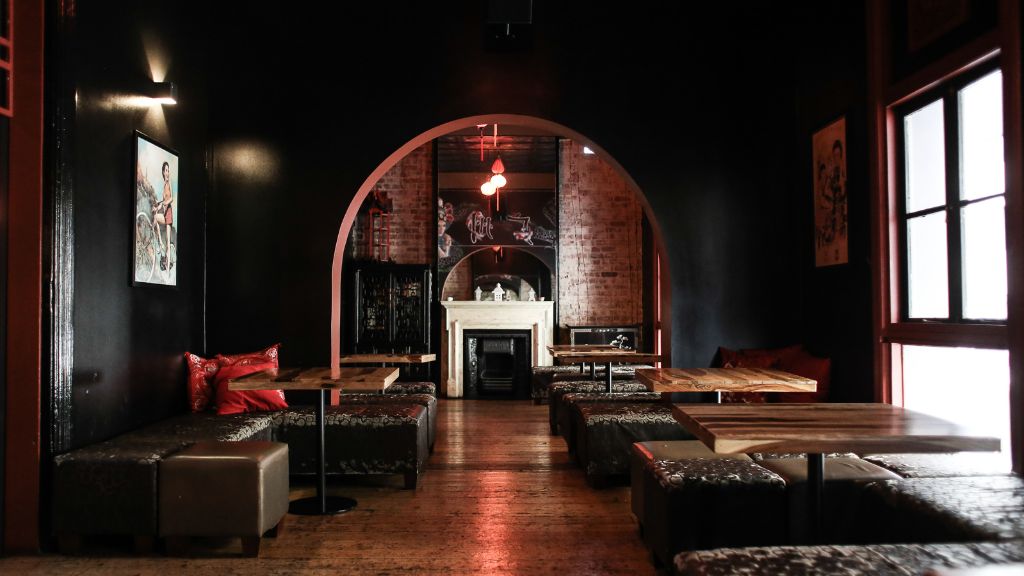
Introduction
Michigan law explicitly recognizes and licenses cannabis “Designated Consumption Establishments.” These are commercial venues where adults 21+ can legally consume cannabis products on-site. The Michigan Marijuana Regulatory Agency (MRA) issues Consumption Lounge Licenses to qualified entities. Pursuant to state rules (MRTMA and R 420.21(3)), any person or business that allows on-site cannabis use in exchange for a fee or membership must hold this license. Under Michigan’s framework, the consumption license does not authorize retail sales – patrons must bring their own cannabis, or partner with a microbusiness that sells on adjacent premises.
Step-by-Step Licensing Process:
Opening a Michigan cannabis lounge requires navigating a multi-phase regulatory process designed to ensure legal compliance, community alignment, and consumer safety. Below is a breakdown of the official steps you’ll need to complete—from entity prequalification to final inspection—to secure your Designated Consumption Establishment License through the Michigan Cannabis Regulatory Agency.
1. Entity Prequalification
Michigan’s two-step application process begins with prequalification. The main applicant entity (e.g. LLC) must file a Prequalification Application (with identity, ownership, background disclosures) and pay a nonrefundable $3,000 application fee. All principals undergo fingerprinting and background checks. The MRA will only accept applicants in good legal standing (e.g. no recent drug felony).
2. Municipal Approval
Obtain local support. The local municipality must explicitly allow consumption lounges, and most require a zoning permit (often in commercial or industrial zones) before you can apply for the state license. The Village of Calvin example (2000 people) made headlines as the first to license a consumption lounge, but any township could follow their lead.
3. License Application
After prequalification, submit the actual Licensing Application for a Designated Consumption Establishment. This includes site plans, floor plans, security plan, ventilation strategy, staffing plan, and proof of insurance. Our full service Michigan cannabis consulting experts can guide the process. The application must detail how the lounge is separated from any retail part: for instance, if co-located with a microbusiness, there must be a solid wall or door ensuring that sales and consumption areas are distinct.
4. Inspection and Approval
The MRA will review your application. They conduct a background check for all officers and look for compliance with Rule 21 of the License Rules. If approved, you’ll pay the license fee and receive a Consumption Lounge license. Now you can begin construction/renovation under local permits.
Operational Requirements
Michigan’s rules require specific safeguards: a secure, dedicated consumption room (smoking/vaping), robust air filtration (30+ air changes per hour to outdoors) and separate HVAC so smoke doesn’t leak into non-smoking areas. Signage must warn of secondhand smoke. Staff must monitor the lounge at all times; at least one employee should work only in the consumption area to supervise. Employees over 21 will need a Medical or Adult-Use agent registration; if they sell any merchandise, an additional license (e.g. if selling paraphernalia). Over-intoxication protocols should be in place (like offering water or calling a ride if needed).
Compliance Challenges
Key points to watch:
- No sales on site. The law forbids sales by the lounge – Michigan enforces this strictly. If you want to host sales, you must either hold a separate retailer or microbusiness license in an adjacent space.
- Michigan also mandates records to prove every cannabis at the lounge came from legal sources.
- Failing to segregate the lounge from other areas or letting under-21s in would violate the license conditions.
- City governments (like Detroit) may have additional local rules.
- Security cameras covering the entire lounge, alarm systems, and entry logs are standard.
Why Hire a Cannabis Consultant?
The Michigan cannabis lounge license comes with unique challenges—zoning approvals, ventilation requirements, co-location limitations, and strict operational standards. One small oversight can delay your opening or risk your compliance standing. That’s where a specialized cannabis consultant adds real value.
At Catalyst BC, we bring deep expertise in Michigan’s regulatory landscape and hands-on experience guiding businesses through every stage of the licensing journey. From pre-application readiness and municipal coordination to facility design and final inspection prep, our end-to-end consulting services help you avoid pitfalls, speed up approvals, and launch with confidence. Let us streamline the process so you can focus on creating an exceptional on-site cannabis experience.
Learn more about our Michigan cannabis consulting services or Book your Complimentary Consultation today.
Michigan Cannabis Lounge FAQs
Yes. If you charge any entry fee or membership and allow on-site use, Michigan law says you must have a designated consumption establishment license. Operating without one is illegal.
Possibly – rule 21 allows co-location. A dispensary or microbusiness may obtain a consumption license and attach a lounge adjacent to the shop, as long as it’s separated by walls/doors.
Yes, but if you include smoking, you must have a sealed smoking room with heavy-duty exhaust and filters. Many lounges simply permit vaping only to reduce ventilation costs.
24/7 video surveillance of all areas, secured entrances, and visitor logs are required. The MRA will require alarms and possibly on-site security personnel depending on your plan. Our Michigan Cannabis Consulting experts can guide you through the security requirements.
You may sell non-cannabis products (snacks, drinks, apparel) if you obtain a separate Adult-Use or Retailer license, or partner with a microbusiness. Remember, no marijuana sales in the lounge itself.
No. Having an alcohol license and a cannabis lounge is not permitted under the Marijuana Regulatory Agency’s rules.
The prequalification fee is $3,000 (non-refundable). Expect an initial license fee (likely around $1,000 or more, similar to dispensaries) once your application is approved.
No. Michigan bars and city councils must agree. Check local ordinances and seek a zoning special use permit. If your city bans lounges, the state will not approve a license there.
Definitely. Michigan’s DCE license is unique, and Catalyst BC’s Michigan cannabis consultants can help with the MRA application, local government liaison, and setting up your facility for inspection.
Additional Resources
Free eBooks For Cannabis Business Success




Explore Our Articles
cannabis applications Cannabis Bar Cannabis Business Optimization cannabis careers Cannabis Compliance Cannabis Consumption Cannabis Consumption Bar Cannabis Inventory Management Systems Cannabis Investors cannabis jobs Cannabis Legalization cannabis licensing Cannabis Lounge cannabis marketing Cannabis Operational Procedures cannabis outreach Cannabis Regulations Cannabis Security Cannabis Software Cannabis Startup Cannabis Supply Chain Cannabis Technology Colorado controlled environment agriculture Cultivation cultivation facility Dispensary Design facility design Financial Planning HVAC HVACD Iowa Kansas Legal Update Legislation Medical Cannabis Minnesota Natural Medicine Nebraska New York Odor Control Oregon Psilocybin Psychedelics Recreational Cannabis
Latest Articles
- How Much Does It Cost to Open a Dispensary in 2026?
 The allure of jumping into the legalized cannabis industry often paints a picture of quick riches and burgeoning demand, yet the reality of establishing a licensed cannabis dispensary is far more nuanced, capital-intensive, and fraught with unique financial challenges. For aspiring entrepreneurs and seasoned investors alike, understanding the true dispensary startup costs is the absolute bedrock of success.
 - Virginia Cannabis Facility Design & Build-Out for the 2027 Market
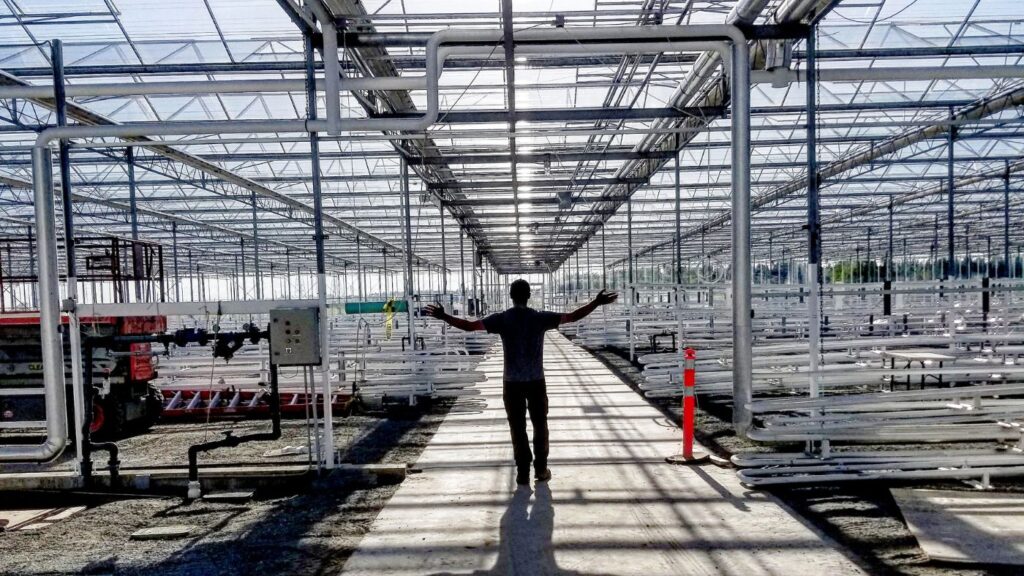 This guide covers the major considerations involved in planning and building a Virginia cannabis facility, with a focus on retail and cultivation operations and additional considerations relevant to processors and microbusinesses. It is written from the build side of the business, because that is where many otherwise-strong applicants stumble: they underestimate utility needs, local approvals, security infrastructure, commissioning, and the time required to convert a site into an inspection-ready operation.
 - Virginia Dual-Use Cannabis Conversion (2027): The $10M Medical-to-Adult-Use Pathway
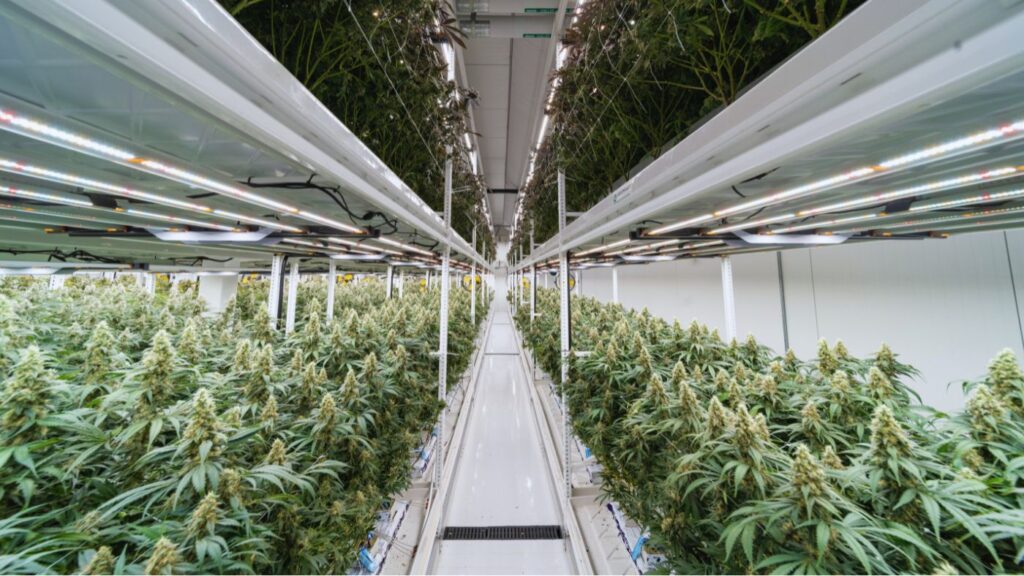 For Virginia’s existing medical cannabis operators, the 2026 retail framework created a distinct and high-stakes transition: pharmaceutical processors may apply for verification to exercise dual-use privileges and serve both registered medical patients and adult-use customers. The pathway covers the processor and its permitted cannabis dispensing facilities, and it carries a one-time $10 million fee, a required medical cannabis program preservation plan, an impact-licensee business accelerator commitment, and a firm May 1, 2027 payment or installment-plan deadline.
 - Virginia Impact Cannabis License (2027): Social Equity & the Equity Business Loan Fund
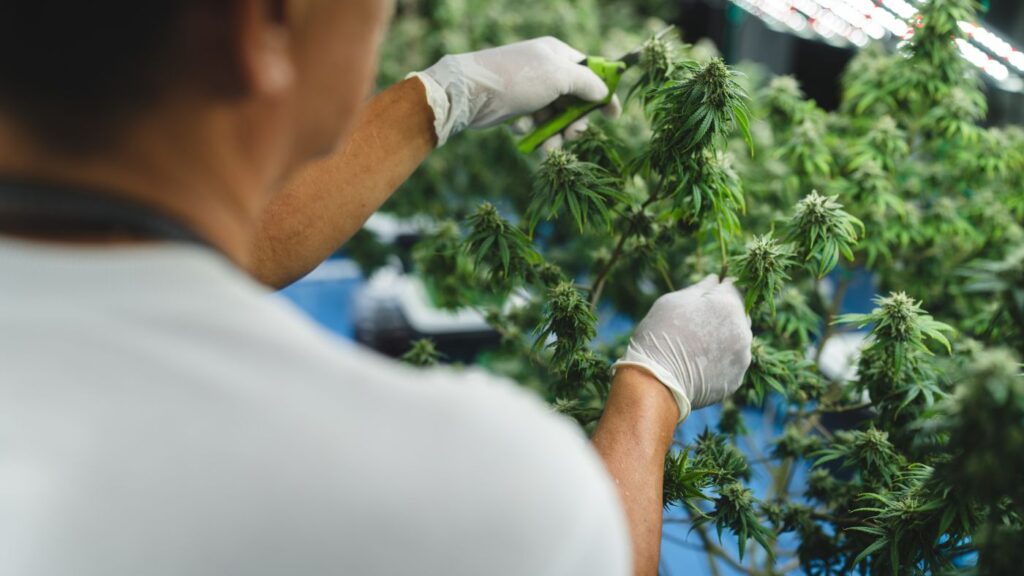 Virginia’s adult-use cannabis framework creates a meaningful pathway for applicants from communities and backgrounds affected by cannabis prohibition and enforcement. The law does not create a separate, stand-alone impact license. Instead, it creates an impact-licensee designation that qualifying applicants may pursue alongside an underlying marijuana establishment license, such as retail, cultivation, processing, microbusiness, transportation, delivery, or testing.
 - Virginia Cannabis Microbusiness License (2027): Eligibility & the Two-Location Model
 This guide explains the initial eligibility pathways for the licenses the CCA may issue by May 1, 2027, the difference between a microbusiness license and an impact designation, the indoor and outdoor cultivation limits, the precise rules governing two locations, and the financial, security, and operational readiness standards applicants should prepare to demonstrate. Several implementation details – including fees and the specific combination of privileges the CCA will authorize – still depend on forthcoming regulations.
 - Virginia Cannabis Cultivation License (2027): The Tiered System Explained
 For operators whose strength is growing cannabis, Virginia’s emerging adult-use market presents a significant opportunity – and a cultivation license is the gateway to it. The June 2026 framework authorizes the Virginia Cannabis Control Authority (CCA) to begin accepting license applications on or after February 1, 2027 and issuing licenses on or after May 1, 2027. It also establishes five cultivation tiers with maximum canopies ranging from 5,000 to 35,000 square feet.