
Estimated reading time: 9 minutes
Table of contents
- Introduction
- Understanding Local Zoning Regulations
- Evaluating Foot Traffic and Visibility
- Assessing Community Sentiment
- Evaluating Parking and Accessibility
- Weighing Lease vs. Purchase
- Analyzing Competitive Landscape
- Conducting a Site Feasibility Study
- Leveraging Municipal Outreach and Incentives
- Bringing It All Together
- Ready to Find Your Perfect Lounge Location?
- Cannabis Lounge Location FAQs
- Additional Resources
- Free eBooks For Cannabis Business Success
- Latest Articles
Cliff Notes: How to Choose the Right Cannabis Lounge Location
Objective:
Find the best cannabis lounge location with expert Cannabis Consultant tips on zoning, traffic, and feasibility studies.
Key Components:
- Zoning laws heavily impact lounge viability; buffer zones near schools and parks are a key consideration.
- Foot traffic and visibility are vital for customer acquisition—ideal spots have high pedestrian counts and good transit access.
- Community sentiment can make or break your approval process; early outreach builds trust and support.
- Accessibility and parking must be ADA-compliant and frictionless for guests.
- Leasing vs. buying depends on capital, long-term plans, and risk tolerance—both have pros and cons.
- Competitive landscape analysis helps identify gaps in the market and potential for niche positioning.
- Site feasibility studies combine all critical factors to give a go/no-go recommendation.
- Municipal incentives such as tax breaks or licensing discounts may be available for certain locations.
Catalyst BC offers full-spectrum Cannabis Consulting support—from site selection to compliance and launch. Explore our services or contact us today for a Complimentary Consultation.

Introduction
Opening a cannabis consumption lounge isn’t just about designing an inviting interior or curating an on-site menu—it all starts with finding the right spot. A thoughtfully chosen location will maximize foot traffic, satisfy zoning laws, and earn community goodwill, setting the stage for long-term success. As seasoned Cannabis Consultants, Catalyst BC guides you through each step of the site-selection journey, from preliminary feasibility to municipal outreach.
Understanding Local Zoning Regulations
Before touring spaces, you must get intimately familiar with state and local zoning laws. Jurisdictions often restrict cannabis lounges to certain commercial or mixed-use districts. Moreover, buffer requirements—minimum distances from schools, parks, churches, and youth-oriented businesses—can eliminate seemingly attractive parcels.
Conditional-use permits: In many jurisdictions, cannabis lounges require a conditional-use permit rather than a by-right zoning approval, triggering public hearings.
State vs. municipal rules: Some states preempt local laws, while others leave zoning entirely to cities and counties.
Buffer zones: For example, a 300-foot setback from schools is common; measure from property lines, not building footprints.
Our Cannabis Consulting team performs a detailed zoning map analysis, overlaying buffer zones and land-use districts to pinpoint compliant parcels—and weed out problem sites before you invest a dime.
Evaluating Foot Traffic and Visibility
Foot traffic fuels impulse visits—particularly in urban centers. Yet high pedestrian counts often come with premium rents. Balance cost against the potential customer base:
Visibility & frontage: Corner locations or spaces with window frontage invite walk-by interest.
Pedestrian counters: Utilize municipal foot-traffic studies or third-party pedestrian-flow data.
Transit nodes: Proximity to subway stops, bus lines, or bike-share docks can significantly boost visitor numbers.
We suggest conducting demographic heat-mapping and use GIS tools to analyze daytime and evening foot-traffic patterns—ensuring your lounge sits where your target customer already walks.
Assessing Community Sentiment
Cannabis remains stigmatized in some neighborhoods. Early engagement with local stakeholders—residents, business associations, and neighborhood councils—can head off objections at the conditional-use hearing stage.
- Community surveys: Short, informal surveys of local businesses and residents gauge sentiment.
- Neighborhood meetings: Hosting an information session demonstrates transparency and builds trust.
- Partnerships: Aligning with nearby eateries or wellness centers can turn potential opponents into allies.
Our Cannabis Consultants can facilitate municipal outreach workshops, crafting talking points and presentation materials that address community concerns—and highlight job creation and local tax benefits.
Evaluating Parking and Accessibility
No matter how compelling your concept, poor accessibility will deter guests. Consider:
- On-site parking: Dedicated spots for members and first-time visitors reduce friction.
- Shared lots: If leasing in a mixed-use complex, confirm available stall counts and enforceability.
- ADA compliance: Accessible entry ramps, reserved parking stalls, and unimpeded pathways aren’t optional.
It’s suggested to perform on-site parking capacity audits and liaise with property managers to formalize shared-use agreements—avoiding summertime lot conflicts or holiday shortages. Our Cannabis Consulting team can assist with this process.
Weighing Lease vs. Purchase
Leasing offers flexibility but exposes you to landlord restrictions—especially when negotiating build-out allowances. Purchasing can grant control but requires deeper capital outlay and involves entitlement risks. Key considerations:
- Lease term & options: Aim for at least 5- to 10-year initial terms with renewal options.
- Tenant improvement (TI) allowances: Negotiate TI credits to cover ventilation, security, and interior partitioning.
- Ownership due diligence: Title searches must verify no deed restrictions prohibit cannabis consumption.
As your Cannabis Consultants, will work in alignment with and real-estate advisors to help negotiate favorable TI packages, rent escalations, and ensure your lease or purchase agreement explicitly permits cannabis lounge operations.
Analyzing Competitive Landscape
Proximity to other cannabis lounges can be both a blessing and a curse. A clustered “cannabis district” attracts more overall foot traffic, but you’ll face direct competition. Evaluate:
- Existing operators: Visit nearby lounges to gauge capacity, vibe, and price points.
- Service gaps: Is the local market underserved in a particular demographic? Perhaps a wellness-focused lounge could fill a niche.
- Spillover effects: A cannabis tourism trail can bolster all operators if marketed collectively.
We can perform a competitive SWOT analysis, identifying your lounge’s unique selling proposition (USP)—whether it’s 24/7 hours, artisanal edibles, or curated music events—to outshine neighboring venues.
Conducting a Site Feasibility Study
A formal feasibility study combines all the above factors—zoning, traffic, community, parking, cost, and competition—into a structured report with clear go/no-go recommendations. Typical deliverables include:
- Market-size estimates and revenue projections
- Build-out cost ranges and breakeven analysis
- Regulatory-approval timeline and risk matrix
Our Cannabis Consultants deliver turnkey site feasibility studies, complete with pro forma financials, permitting roadmaps, and contingency planning—so you know the precise investment and timeline required before signing.
Leveraging Municipal Outreach and Incentives
Some cities offer tax abatements or licensing-fee reductions for cannabis operators in designated redevelopment zones. Early engagement with planning and economic-development departments can unlock:
- Enterprise-zone incentives
- Workforce-training grants
- Local licensing waivers
We map potential incentive programs and shepherd your applications—helping you secure thousands in savings and accelerate your opening.
Bringing It All Together
Choosing the ideal cannabis lounge location is a multifaceted exercise—requiring legal expertise, market insight, and community diplomacy. With Catalyst BC’s end-to-end Cannabis Consulting services, you’ll gain a strategic partner who:
- Deciphers complex zoning codes
- Identifies high-value, compliant sites
- Negotiates landlord and municipal agreements
- Produces data-driven feasibility studies
…and helps you open your doors on schedule and on budget.
Ready to Find Your Perfect Lounge Location?
Whether you’re launching your first lounge or expanding into a new market, our cannabis consultants deliver expert guidance every step of the way—so you can open with confidence and thrive with purpose.
Catalyst BC offers full-spectrum Cannabis Consulting support—from site selection to compliance and launch. Explore our services or contact us today for a Complimentary Consultation.
Cannabis Lounge Location FAQs
Buffer distances vary—commonly 300–1,000 feet. Always verify local code setbacks via municipal maps or Catalyst BC’s zoning analysis.
In most jurisdictions, yes—unless the parcel is already zoned specifically for cannabis hospitality.
For an ideal cannabis lounge location, look for areas with at least 2,000 daily pedestrians, but balance against rent and competition metrics.
Yes, if the center’s CC&Rs permit on-site cannabis use—our team verifies deed and lease restrictions for you.
A common standard is 1 parking space per 75–100 sq ft of consumption area; confirm with local planning staff.
Potentially—rural cannabis lounge locations benefit from lower rents but require destination-marketing strategies to draw patrons. Consider creative event and social media strategies to reach larger local audiences.
Zoning and conditional-use approvals can take 3–9 months, depending on public-hearing schedules.
Early stakeholder outreach and transparent communication—facilitated by Catalyst BC—can mitigate pushback.
Leasing is lower-risk for startups; ownership can pay off long-term if you have capital and patience for entitlements.
Navigating the cannabis lounge space is complex—one misstep can delay your opening or jeopardize your license. A specialized Cannabis Consultant brings deep regulatory knowledge, operational best practices, and hands-on project management.
From initial concept and licensing to grand opening and ongoing compliance, Catalyst BC’s end-to-end Cannabis Consulting services ensure you launch faster, stay compliant, and maximize profitability.
Additional Resources
Free eBooks For Cannabis Business Success




Latest Articles
- How Much Does It Cost to Open a Cannabis Dispensary in 2026
 The allure of jumping into the legalized cannabis industry often paints a picture of quick riches and burgeoning demand, yet the reality of establishing a licensed cannabis dispensary is far more nuanced, capital-intensive, and fraught with unique financial challenges. For aspiring entrepreneurs and seasoned investors alike, understanding the true dispensary startup costs is the absolute bedrock of success.
 - Virginia Cannabis Facility Design & Build-Out for the 2027 Market
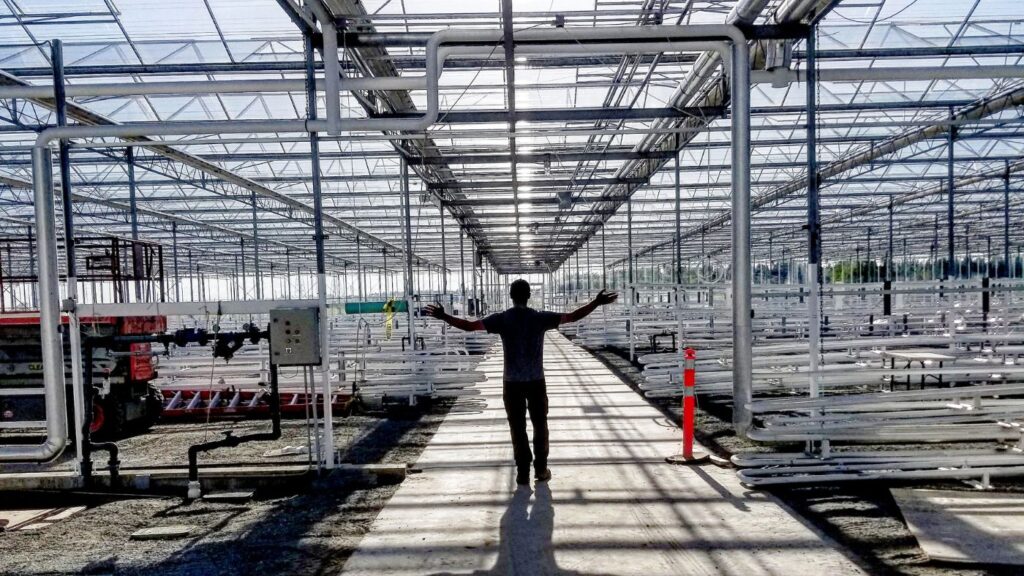 This guide covers the major considerations involved in planning and building a Virginia cannabis facility, with a focus on retail and cultivation operations and additional considerations relevant to processors and microbusinesses. It is written from the build side of the business, because that is where many otherwise-strong applicants stumble: they underestimate utility needs, local approvals, security infrastructure, commissioning, and the time required to convert a site into an inspection-ready operation.
 - Virginia Dual-Use Cannabis Conversion (2027): The $10M Medical-to-Adult-Use Pathway
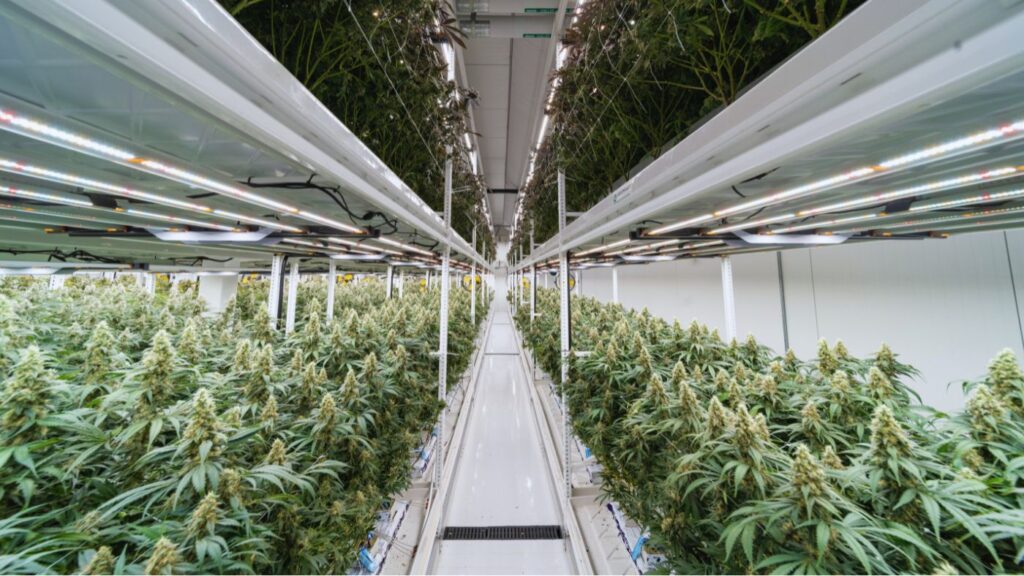 For Virginia’s existing medical cannabis operators, the 2026 retail framework created a distinct and high-stakes transition: pharmaceutical processors may apply for verification to exercise dual-use privileges and serve both registered medical patients and adult-use customers. The pathway covers the processor and its permitted cannabis dispensing facilities, and it carries a one-time $10 million fee, a required medical cannabis program preservation plan, an impact-licensee business accelerator commitment, and a firm May 1, 2027 payment or installment-plan deadline.
 - Virginia Impact Cannabis License (2027): Social Equity & the Equity Business Loan Fund
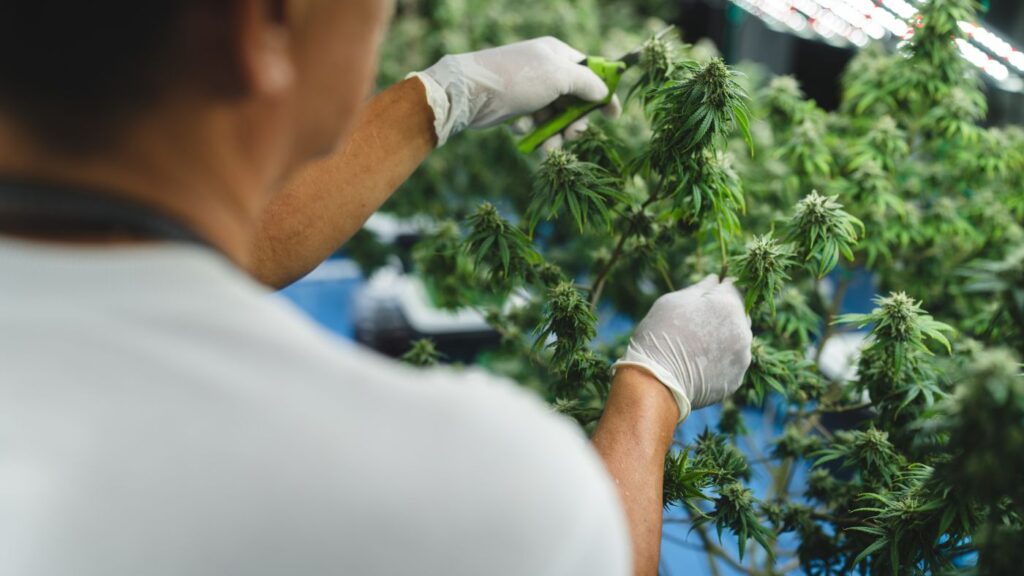 Virginia’s adult-use cannabis framework creates a meaningful pathway for applicants from communities and backgrounds affected by cannabis prohibition and enforcement. The law does not create a separate, stand-alone impact license. Instead, it creates an impact-licensee designation that qualifying applicants may pursue alongside an underlying marijuana establishment license, such as retail, cultivation, processing, microbusiness, transportation, delivery, or testing.
 - Virginia Cannabis Microbusiness License (2027): Eligibility & the Two-Location Model
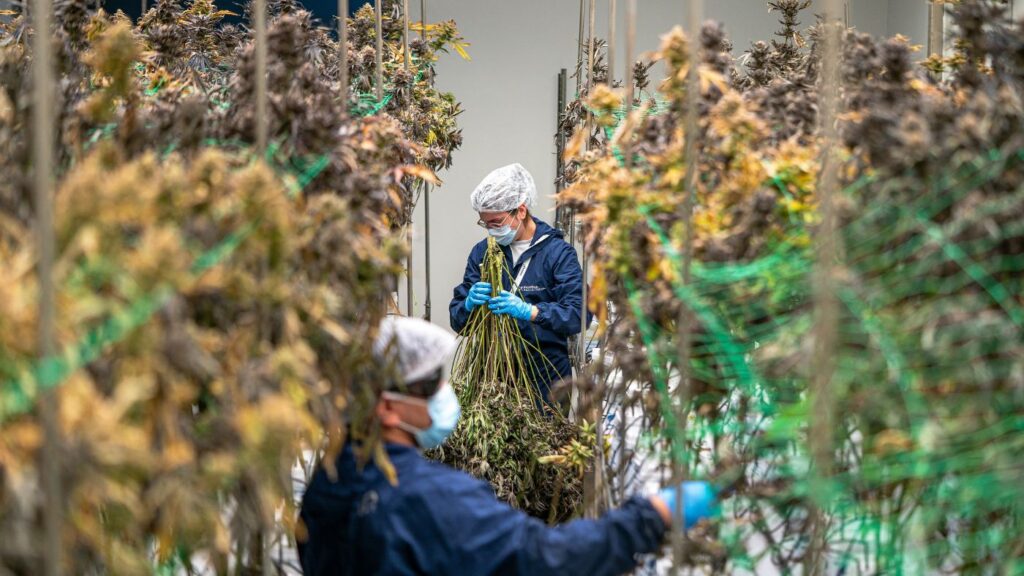 This guide explains the initial eligibility pathways for the licenses the CCA may issue by May 1, 2027, the difference between a microbusiness license and an impact designation, the indoor and outdoor cultivation limits, the precise rules governing two locations, and the financial, security, and operational readiness standards applicants should prepare to demonstrate. Several implementation details – including fees and the specific combination of privileges the CCA will authorize – still depend on forthcoming regulations.
 - Virginia Cannabis Cultivation License (2027): The Tiered System Explained
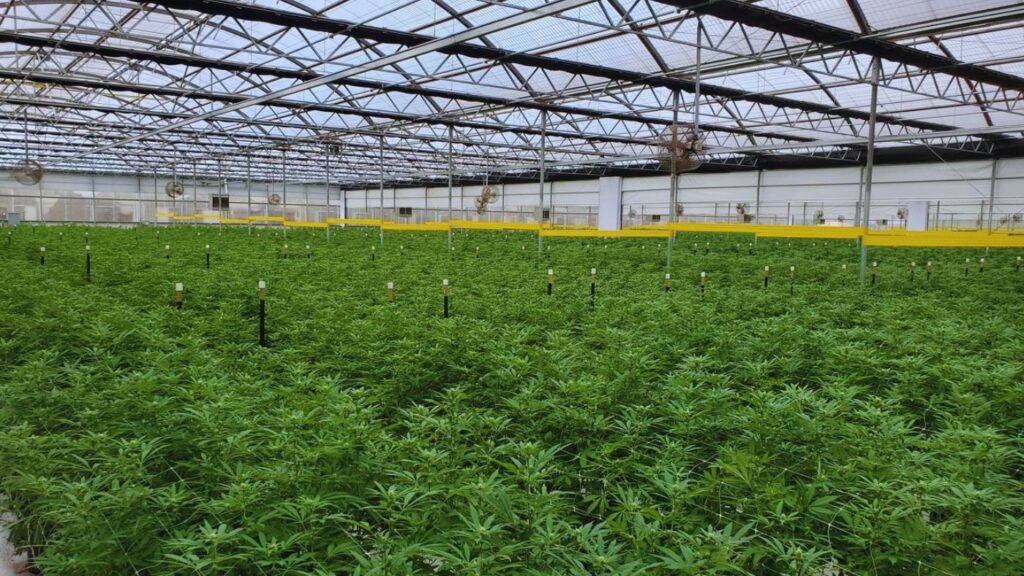 For operators whose strength is growing cannabis, Virginia’s emerging adult-use market presents a significant opportunity – and a cultivation license is the gateway to it. The June 2026 framework authorizes the Virginia Cannabis Control Authority (CCA) to begin accepting license applications on or after February 1, 2027 and issuing licenses on or after May 1, 2027. It also establishes five cultivation tiers with maximum canopies ranging from 5,000 to 35,000 square feet.