
Estimated reading time: 10 minutes
Table of contents
- Introduction
- Legislative Foundations and the 2026 Timeline
- The “Hemp Cliff” and Market Realignment
- The Compassionate Care Act (H1011/S711) Blueprint
- Institutional Barriers and Financial Requirements
- Tribal Sovereignty: The EBCI Precursor
- Next Steps: Contact Catalyst BC For North Carolina Cannabis Licensing And Market Entry Support
- Success Stories: See How Catalyst BC Has Helped Cannabis Businesses Enter and Lead the Market
- North Carolina Cannabis Licensing & Business Opportunities 2026 FAQs
- Additional Resources
- Free eBooks For Cannabis Business Success
- Latest Articles
Cliff Notes: North Carolina’s Regulatory Crossroads 2026
Objective: North Carolina is entering its most consequential biennium as it moves toward a highly restrictive, vertically integrated medical cannabis framework by 2026. Driven by the North Carolina Advisory Council on Cannabis and an impending federal “hemp cliff,” the next 24 months are a critical window for institutional positioning in the South’s largest untapped market.
Key Components:
- The “Hemp Cliff” Deadline: A federal transition ending on November 12, 2026, will effectively recriminalize most existing hemp-derived THC products, forcing a massive market migration toward a regulated medical system.
- Exclusive Vertical Licensing: Current drafts propose only 10 comprehensive licenses for the entire state, authorizing holders to own the entire supply chain from cultivation to dispensing.
- Dispensing Caps and Tiering: Each of the 10 licensees may operate up to eight dispensaries, with at least one required to be in a Tier 1 economically distressed county.
- High Residency Standards: Majority ownership of any vertically integrated license must be held by individuals who have been North Carolina residents for at least two consecutive years.
- Institutional Barriers: Applicants must demonstrate significant liquid assets, including the ability to operate for two years without revenue and a $50,000 initial production fee.
- Prohibition of Home Cultivation: The proposed framework explicitly prohibits home cultivation for medical patients, mandating that all products be purchased through the 80 authorized centers.
Securing one of only 10 available licenses in North Carolina requires more than a business plan—it requires a flawless technical application and “pharma-grade” SOPs. Contact Catalyst BC today for expert guidance on site selection and navigating the Advisory Council’s evolving 2026 standards to ensure your business wins a spot in this hyper-competitive market.

Introduction
North Carolina remains one of the final significant jurisdictions in the United States without a comprehensive medical or adult-use cannabis program. However, the 2026–2027 biennium is projected to be the most consequential period in the state’s cannabis history. Driven by the formation of the North Carolina Advisory Council on Cannabis and an impending federal “hemp cliff,” the state is moving from a period of passive prohibition toward a structured, albeit highly restrictive, regulatory framework. For institutional investors and legacy hemp operators, the next 24 months represent a critical window for “pre-licensing” positioning in a market that remains one of the South’s largest untapped opportunities.
Legislative Foundations and the 2026 Timeline
The current policy roadmap is dictated by Executive Order No. 16, signed by Governor Josh Stein, which established a 24-member bipartisan Advisory Council on Cannabis. This council is tasked with delivering a comprehensive regulatory blueprint that balances public health with economic development. While legislative efforts like the North Carolina Compassionate Care Act (H1011/S711) have stalled in previous sessions, the Council’s formal recommendations are expected to provide the necessary political momentum for a 2026 breakthrough.
| Key Milestone | Expected Date | Operational Impact |
| Preliminary Recommendations Due | March 15, 2026 | First look at proposed license types, tax rates, and equity mandates. |
| OCM Enforcement Launch | July 1, 2026 | Expected start of state-level oversight for remaining hemp retailers. |
| The “Hemp Cliff” Deadline | November 12, 2026 | Federal transition period ends; products exceeding 0.4mg total THC become illegal. |
| Final Council Policy Report | December 31, 2026 | Submission of finalized legislation to the Governor and General Assembly. |
The “Hemp Cliff” and Market Realignment
The single most disruptive event for North Carolina in 2026 is the implementation of the federal “Continuing Appropriations, Agriculture, Legislative Branch, Military Construction and Veterans Affairs, and Extensions Act, 2026.” This law narrows the definition of hemp to exclude cannabinoids synthesized outside the plant and imposes a trace-level limit of 0.4 milligrams of total THC per container for finished consumer products.
In North Carolina, where a multi-billion dollar industry currently operates under the 0.3% Delta-9 threshold, this “Hemp Cliff” is expected to effectively recriminalize most existing CBD, Delta-8, and THCA products by November 2026. This forced market contraction will likely drive a massive migration of consumers and capital toward the proposed regulated medical market.
The Compassionate Care Act (H1011/S711) Blueprint
If the state moves forward with the current legislative model, North Carolina will adopt one of the most restrictive vertically integrated systems in the nation. Unlike the decentralized model of Virginia, North Carolina’s draft framework favors a “pharmaceutical-grade” oligopoly.
- Vertically Integrated Licenses: The Medical Cannabis Production Commission is expected to issue only 10 comprehensive licenses. Each licensee would be authorized to own and operate the entire supply chain, from cultivation and processing to transport and dispensing.
- Dispensing Caps: Each of the 10 licensed entities may operate up to eight medical cannabis centers (dispensaries), bringing the initial statewide store count to 80.
- Locational Mandates: To ensure geographic equity, at least one of an operator’s eight dispensaries must be located in a Tier 1 economically distressed county.
- Testing Laboratories: The state will license five independent testing laboratories to ensure product safety and purity.
Institutional Barriers and Financial Requirements
Entering the North Carolina medical market will require significant liquid assets and a demonstrable track record in highly regulated industries. Current proposals require applicants to show sufficient liquidity to operate as a supplier for at least two years without revenue.
| Requirement | Estimated Cost | Description |
| Initial Production Fee | $50,000 | For the first production facility under a vertical license. |
| Additional Facility Fee | $5,000 | Per each additional production site or dispensary location. |
| Patient Registry Fee | $50 | Annual fee for a medical cannabis identification card. |
| Residency Standard | 2 Years | Majority ownership must be by N.C. residents for at least two years. |
Furthermore, all licensees must implement seed-to-sale tracking and adhere to child-resistant packaging rules that minimize appeal to minors (prohibiting cartoons or imagery of fruit).
Tribal Sovereignty: The EBCI Precursor
As the state debates its framework, the Eastern Band of Cherokee Indians (EBCI) has already established a operational benchmark through the Great Smoky Cannabis Co. located on tribal lands. This enterprise, which opened for medical sales in April 2024 and adult-use in September 2024, represents the culmination of five years of tribal investment. While possession remains illegal once a customer leaves tribal boundaries, the EBCI program provides critical real-world data for the Advisory Council regarding consumer behavior, security, and supply chain management in the North Carolina climate.
Next Steps: Contact Catalyst BC For North Carolina Cannabis Licensing And Market Entry Support
Navigating a market with only 10 available licenses requires more than a standard business plan—it requires a flawless technical application. Contact Catalyst BC today for comprehensive support in site selection, “pharma-grade” SOP development, and navigating the North Carolina Advisory Council’s evolving 2026 standards.
Success Stories: See How Catalyst BC Has Helped Cannabis Businesses Enter and Lead the Market
From initial startup and facility build-outs to high-value exit strategies, our cannabis consultants provide the expertise needed to navigate the complexities of the legal cannabis industry.
North Carolina Cannabis Licensing & Business Opportunities 2026 FAQs
No. Outside of the Eastern Band of Cherokee Indians tribal program, marijuana remains illegal for both medical and recreational use. The one exception under state law is for individuals with “intractable epilepsy” using low-THC hemp extracts.
The 24-member council is mandated to deliver preliminary recommendations by March 15, 2026, with a final, comprehensive policy report due by December 31, 2026.
Federal law H.R. 5371, taking effect in November 2026, will ban any hemp-derived product containing more than 0.4mg of total THC per container. This is expected to shutter much of the state’s existing $1 billion hemp industry.
Current legislative drafts (H1011/S711) propose the issuance of only 10 vertically integrated facility licenses statewide.
Yes. Each of the 10 vertically integrated licensees may operate a maximum of eight medical cannabis centers (dispensaries).
All vertically integrated licenses must be majority-owned by individuals who have been residents of North Carolina for at least two consecutive years.
Yes. Unlike some early-adopter states, North Carolina’s proposed framework anticipates a for-profit, tax-paying medical industry.
Proposed regulations mandate that no medical cannabis center can be located within 1,000 feet of a school, daycare facility, or childcare center.
No. Current legislative drafts explicitly prohibit home cultivation for patients or caregivers; all cannabis must be purchased from a licensed dispensary.
With only 10 licenses likely available for the entire state, the application process will be hyper-competitive and merit-based. Contact Catalyst BC for expert assistance; their team brings a 96% win rate in limited-license markets and over 60 years of experience to ensure your application, facility design, and financial modeling meet the highest “medical-grade” standards.
Additional Resources
Free eBooks For Cannabis Business Success




Latest Articles
- How Much Does It Cost to Open a Cannabis Dispensary in 2026
 The allure of jumping into the legalized cannabis industry often paints a picture of quick riches and burgeoning demand, yet the reality of establishing a licensed cannabis dispensary is far more nuanced, capital-intensive, and fraught with unique financial challenges. For aspiring entrepreneurs and seasoned investors alike, understanding the true dispensary startup costs is the absolute bedrock of success.
 - Virginia Cannabis Facility Design & Build-Out for the 2027 Market
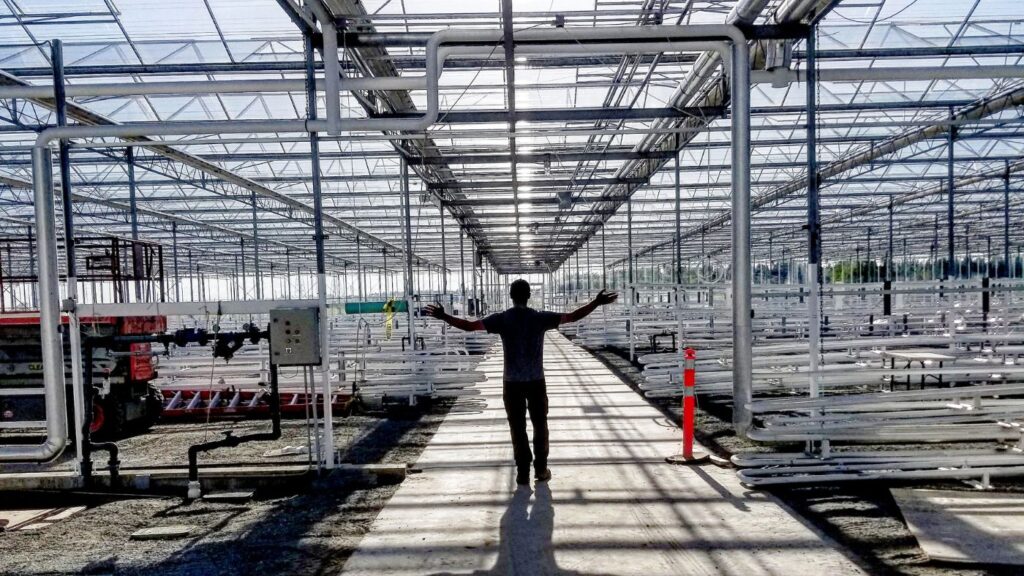 This guide covers the major considerations involved in planning and building a Virginia cannabis facility, with a focus on retail and cultivation operations and additional considerations relevant to processors and microbusinesses. It is written from the build side of the business, because that is where many otherwise-strong applicants stumble: they underestimate utility needs, local approvals, security infrastructure, commissioning, and the time required to convert a site into an inspection-ready operation.
 - Virginia Dual-Use Cannabis Conversion (2027): The $10M Medical-to-Adult-Use Pathway
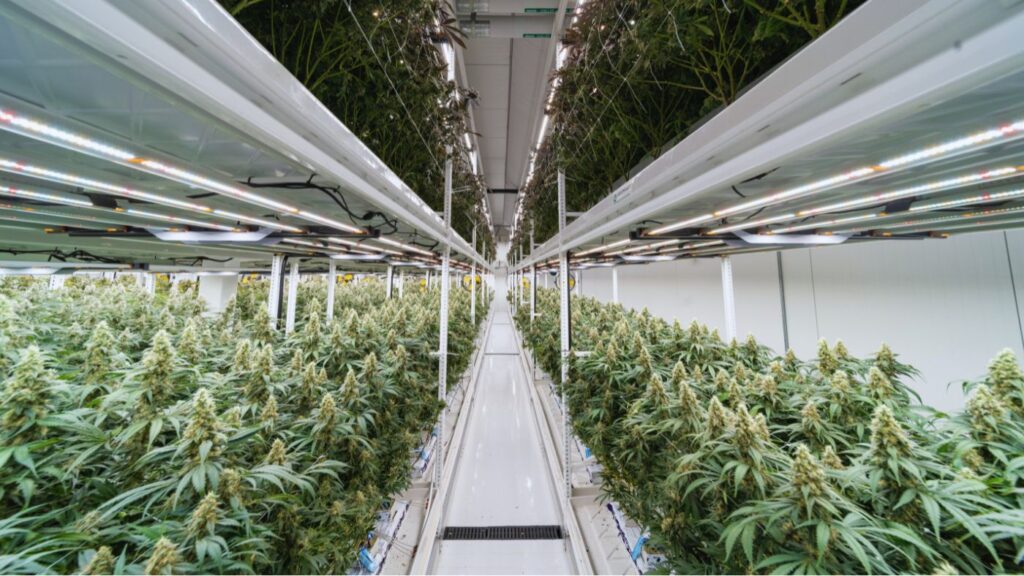 For Virginia’s existing medical cannabis operators, the 2026 retail framework created a distinct and high-stakes transition: pharmaceutical processors may apply for verification to exercise dual-use privileges and serve both registered medical patients and adult-use customers. The pathway covers the processor and its permitted cannabis dispensing facilities, and it carries a one-time $10 million fee, a required medical cannabis program preservation plan, an impact-licensee business accelerator commitment, and a firm May 1, 2027 payment or installment-plan deadline.
 - Virginia Impact Cannabis License (2027): Social Equity & the Equity Business Loan Fund
 Virginia’s adult-use cannabis framework creates a meaningful pathway for applicants from communities and backgrounds affected by cannabis prohibition and enforcement. The law does not create a separate, stand-alone impact license. Instead, it creates an impact-licensee designation that qualifying applicants may pursue alongside an underlying marijuana establishment license, such as retail, cultivation, processing, microbusiness, transportation, delivery, or testing.
 - Virginia Cannabis Microbusiness License (2027): Eligibility & the Two-Location Model
 This guide explains the initial eligibility pathways for the licenses the CCA may issue by May 1, 2027, the difference between a microbusiness license and an impact designation, the indoor and outdoor cultivation limits, the precise rules governing two locations, and the financial, security, and operational readiness standards applicants should prepare to demonstrate. Several implementation details – including fees and the specific combination of privileges the CCA will authorize – still depend on forthcoming regulations.
 - Virginia Cannabis Cultivation License (2027): The Tiered System Explained
 For operators whose strength is growing cannabis, Virginia’s emerging adult-use market presents a significant opportunity – and a cultivation license is the gateway to it. The June 2026 framework authorizes the Virginia Cannabis Control Authority (CCA) to begin accepting license applications on or after February 1, 2027 and issuing licenses on or after May 1, 2027. It also establishes five cultivation tiers with maximum canopies ranging from 5,000 to 35,000 square feet.