
Estimated reading time: 11 minutes
Table of contents
- Introduction
- License Types and Opportunities
- Updated Consumer & Regulatory Guardrails
- The “4-of-7” Impact Status
- Next Steps: Contact Catalyst BC For Guidance On Virginia Cannabis Licensing and Business Opportunities in the Commonwealth
- Success Stories: See How Catalyst BC Has Helped Cannabis Businesses Enter and Lead the Market
- Virginia Cannabis Business Professionals Also Ask:
- Additional Resources
- Free eBooks For Cannabis Business Success
- Latest Articles
Cliff Notes: Navigating the 2026 Virginia Adult-Use Market
Objective: The 2026–2027 biennium remains a critical window for market entry as Virginia shifts toward a regulated retail model. Following recent executive amendments, the market is designed to be more tightly controlled, emphasizing safety and local oversight. Entrepreneurs must navigate a more competitive landscape with lower license caps and a delayed launch date to secure their footing in the Commonwealth.
Key Components:
- Revised Launch Timeline: The official adult-use retail sales launch has been postponed to July 1, 2027. The CCA application portal is now expected to open in late 2026.
- Reduced Retail Caps: To ensure a “responsible” rollout, standard retail licenses for new entrants are now strictly capped at 200 statewide (down from 350) until at least 2029.
- Decoupled Licensing: Virginia maintains its decentralized framework, offering specialized licenses for retailers, cultivators, and processors, alongside “Nursery” categories for small-scale growers.
- Social Equity Priority: The “4-of-7” Impact Status remains the gold standard for priority licensing and access to low-interest loans via the Cannabis Equity Business Loan Fund.
- Updated Regulatory Guardrails: * Possession: Adult possession limits are reduced to 2 ounces of flower.
- Taxation: A state excise tax of 6% will increase to 8% in 2029, on top of standard state and local sales taxes.
- Operational Mandates: Mandatory Labor Peace Agreements remain in effect. Dispensaries must also maintain a licensed pharmacist on-site during all operating hours once inventory is present.
- Zoning & Capital: Compliance requires navigating a one-mile buffer between retail locations. Estimated startup costs range from $750,000 to $2,000,000 for a fully compliant, secure build-out.
Securing one of only 200 available licenses in this new, more restrictive environment requires professional precision, not just a plan. Contact us today for comprehensive support in navigating Virginia’s “4-of-7” equity thresholds and securing a high-performing, compliant facility for the July 2027 launch.
Introduction
This article has been updated on 4/15/2026 to reflect recent legislative delays
As Virginia transitions from its current “possession-only” model toward a fully regulated retail market, the 2026–2027 biennium represents a once-in-a-generation window for market entry. Unlike the vertically integrated “medical-only” regimes of the past, Virginia’s upcoming framework focuses on decentralization, specifically architected to favor small Virginia-based operators over large multi-state corporations. However, recent executive amendments have shifted the timeline, pushing the official market launch into mid-2027 to allow for more robust regulatory oversight.
The 2026–2027 Regulatory Roadmap
Following amendments issued by Governor Spanberger in April 2026, the timeline for the Commonwealth’s retail launch has been extended to ensure a “controlled and responsible” marketplace. The Virginia Cannabis Control Authority (CCA) is now working toward a phased rollout that prioritizes safety and enforcement against the illicit market.
| Key Milestone | Expected Date | Operational Impact |
| CCA Application Portal Opens | Late 2026 | Submission of detailed business, security, and social equity plans. |
| DTC Microbusiness Launch | Early 2027 | Up to 100 temporary licenses issued for early cultivation and processing. |
| Official Retail Sales Launch | July 1, 2027 | Commencement of adult-use sales (21+) across the Commonwealth. |
| Tax Rate Adjustment | July 1, 2029 | State excise tax scheduled to increase from 6% to 8%. |
License Types and Opportunities
Virginia’s framework offers a diverse “decoupled” licensing taxonomy, allowing entrepreneurs to specialize in specific parts of the supply chain:
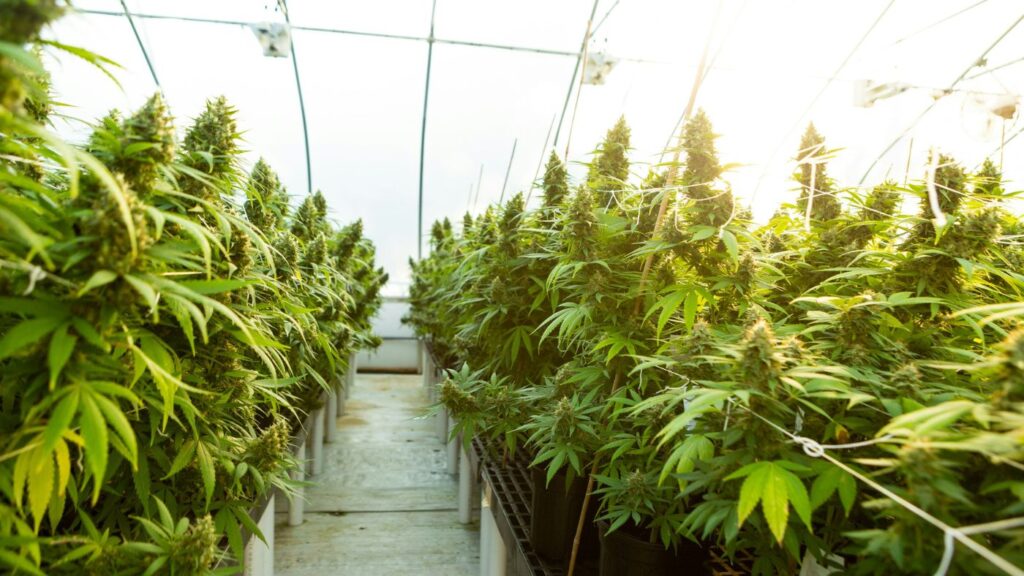
- Impact Licensees (Microbusinesses): A priority category allowing the holder to cultivate (up to 3,500 sq. ft. indoors), process, and sell their own products directly to consumers.
- Standard Retail Store: Under the Governor’s new amendments, the CCA is capped at issuing 200 licenses for new market entrants before January 1, 2029 (reduced from the original 350). Existing medical operators may convert to adult-use via a $10 million fee.
- Nursery Licenses: A unique entry point for small growers focused exclusively on seeds, clones, and immature plants.
- Ancillary Opportunities: Separate licenses will be available for third-party transporters, testing laboratories, and delivery-only operators.
Updated Consumer & Regulatory Guardrails
The Governor’s recent substitute bill introduced several changes to consumer limits and fiscal structures that applicants must factor into their business models:
- Possession Limits: The legal limit for adults (21+) has been reduced from 2.5 ounces to 2 ounces of cannabis flower.
- Product Standards: Edibles remain capped at 10mg THC per serving and 100mg per package.
- Taxation: Businesses should prepare for a combined tax burden including the state excise tax (starting at 6%, rising to 8% in 2029), the 5.3% retail sales tax, and local taxes of up to 3.5%.
- Enforcement: New provisions align cannabis sales with stricter civil penalties for hemp violations, specifically targeting youth-focused marketing and “shady” retail practices.
The “4-of-7” Impact Status
To qualify for priority licensing and access to low-interest loans from the Cannabis Equity Business Loan Fund, applicants must meet a threshold of four out of seven social equity criteria. These include:
- Prior Marijuana Conviction: Personal or family misdemeanor convictions.
- Geographic Residency: Living for 3 of the last 5 years in a “disproportionately policed” census tract.
- Economic Disadvantage: Residency in an economically distressed community.
- Educational Milestones: Graduation from a Virginia HBCU or attendance at a school with 30%+ Pell Grant eligibility.
- Agricultural Hardship: Qualification as a USDA-distressed farmer.
Next Steps: Contact Catalyst BC For Guidance On Virginia Cannabis Licensing and Business Opportunities in the Commonwealth
Operating a Virginia dispensary requires treating the facility as a high-stakes healthcare-style business. Pharmacists must be on-site during all operating hours once products are present. Furthermore, Labor Peace Agreements are mandatory for all licensees to protect workforce rights.
- State Fees: A standard retail application requires a $5,000 fee, followed by an $80,000 initial permit fee and a $64,000 annual renewal.
- Real Estate & Build-out: Location is the greatest challenge, as Virginia mandates a one-mile buffer between retail stores. Total startup capital typically ranges from $750,000 to $2,000,000.
The complexity of Virginia’s application process—from the rigorous “4-of-7” equity threshold to the new, lower license caps—requires professional oversight. Successfully securing one of the limited 200 licenses in this competitive market demands a “compliance-first” strategy.
Don’t leave your application to chance in this high-stakes market. Contact Catalyst BC today for expert guidance on Virginia’s social equity criteria, site selection, and the comprehensive application process to ensure your business is positioned for success in 2027.
Success Stories: See How Catalyst BC Has Helped Cannabis Businesses Enter and Lead the Market
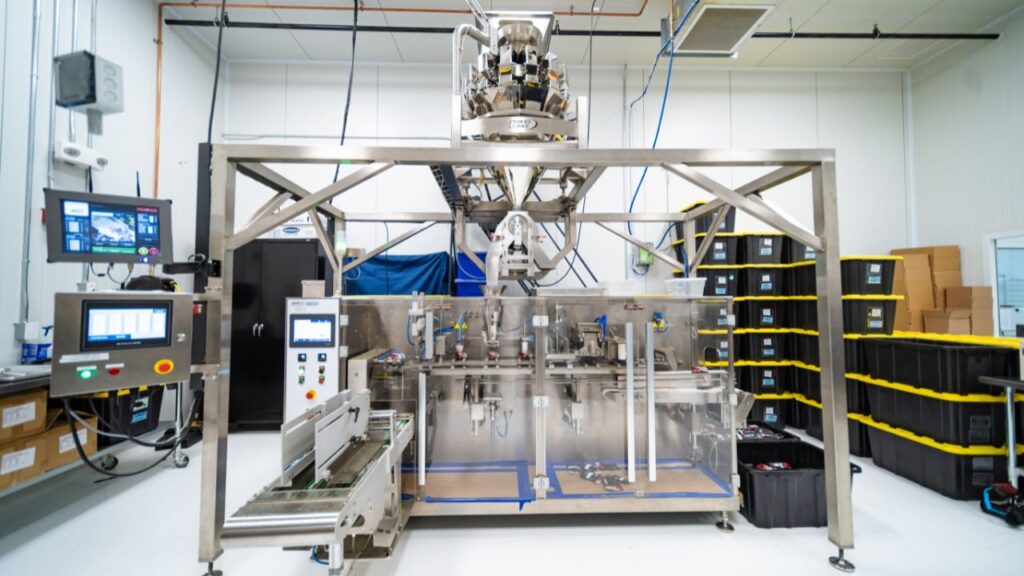
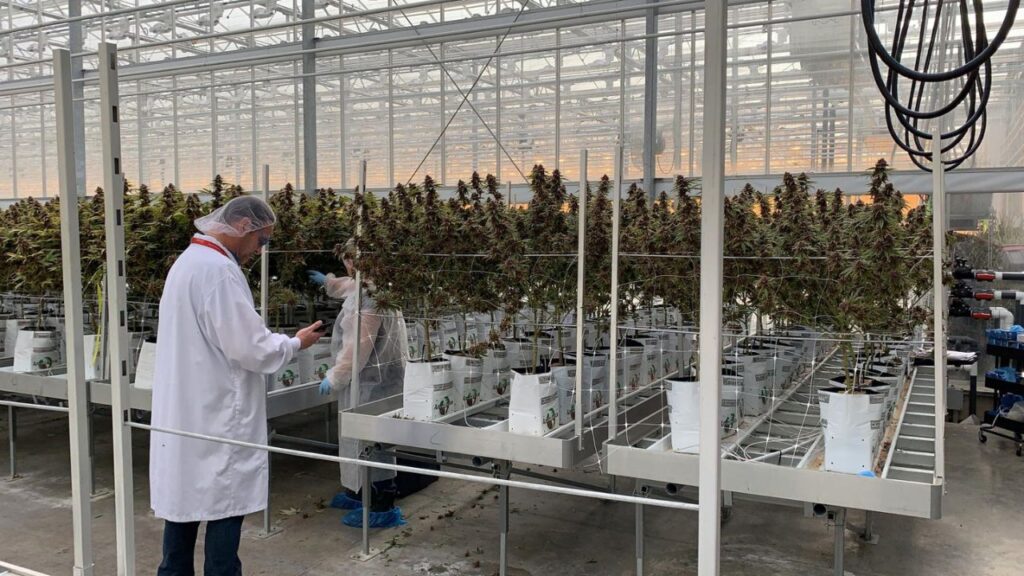
From initial startup and facility build-outs to high-value exit strategies, our cannabis consultants provide the expertise needed to navigate the complexities of the legal cannabis industry.
Virginia Cannabis Business Professionals Also Ask:
Under the Governor’s April 2026 amendments, the official start date for adult-use retail sales has been delayed to July 1, 2027. While the Legislature originally targeted a January 1 launch, the Governor extended the timeline by six months to ensure the Virginia Cannabis Control Authority (CCA) has sufficient time to implement safety guardrails and enforcement protocols.
An Impact Licensee is a priority status for individuals disproportionately affected by prior cannabis laws. To qualify, an applicant must meet at least four of seven specific social equity criteria. These include prior personal or family marijuana convictions, residency in a “disproportionately policed” census tract, graduating from a Virginia HBCU, or qualifying as a USDA-distressed farmer.
Yes, and they have recently become more restrictive. Under the Governor’s substitute bill, the CCA is authorized to issue only 200 retail licenses for new market entrants prior to January 1, 2029 (a reduction from the original 350-license cap). Market expansion beyond this number will be determined by the CCA based on market health and stability after 2029.
No. Virginia utilizes a “decoupled” supply chain model to prevent monopolies. Standard licensees are generally prohibited from holding interest in more than one license type (cultivation, processing, or retail). The exception is the Microbusiness (Impact) license, which allows small-scale operators to cultivate, process, and sell their own products in a “seed-to-sale” model.
State law mandates a one-mile buffer between retail locations to prevent over-concentration. Furthermore, dispensaries are prohibited within 1,000 feet of schools, daycares, places of worship, and playgrounds. Localities cannot “opt out” of the market entirely, but they retain the right to set reasonable zoning ordinances and business hours.
Yes. A licensed pharmacist must be present at a cannabis retail facility during all hours of operation once cannabis products are on the premises. This requirement ensures a high standard of consumer safety and product education, mirroring the state’s existing medical cannabis protocols.
Yes. Delivery is permitted for specific license holders, including microbusinesses and standard retailers. All deliveries must be made to age-verified adults (21+) or registered medical patients, and delivery-only “dark store” licenses may also be available under the CCA’s regulatory framework.
New retail applicants must pay a $5,000 application fee. Upon approval, an initial permit fee of $80,000 is required, with a $64,000 annual renewal. Regarding taxes, sales will be subject to a 6% state excise tax (increasing to 8% in 2029), the 5.3% state sales tax, and an optional local tax of 1% to 3.5%.
A Labor Peace Agreement (LPA) is a mandatory contract for all Virginia cannabis licensees. It requires the business to remain neutral during union organizing efforts in exchange for a pledge from the labor organization not to engage in work stoppages or strikes. This is a prerequisite for both initial licensure and annual renewals.
With the license cap reduced to 200 and a 96% win rate in merit-based markets, Catalyst BC provides the technical expertise necessary to win in Virginia. Our team assists with navigating the “4-of-7” equity threshold, securing compliant real estate with the one-mile buffer, and developing the robust SOPs required by the CCA’s rigorous “compliance-first” standards.
Additional Resources
Free eBooks For Cannabis Business Success




Latest Articles
- How Much Does It Cost to Open a Cannabis Dispensary in 2026
 The allure of jumping into the legalized cannabis industry often paints a picture of quick riches and burgeoning demand, yet the reality of establishing a licensed cannabis dispensary is far more nuanced, capital-intensive, and fraught with unique financial challenges. For aspiring entrepreneurs and seasoned investors alike, understanding the true dispensary startup costs is the absolute bedrock of success.
 - Virginia Cannabis Facility Design & Build-Out for the 2027 Market
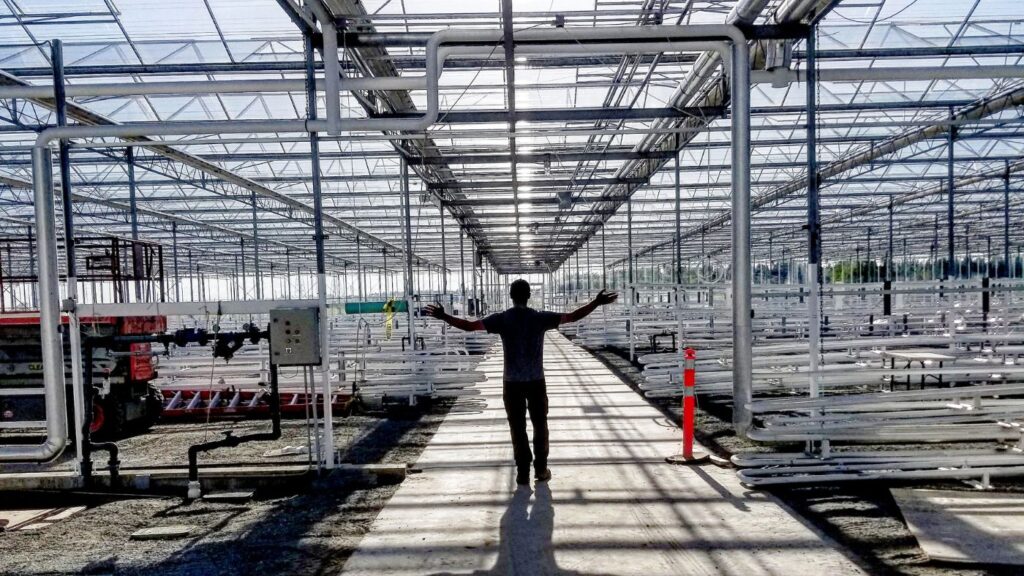 This guide covers the major considerations involved in planning and building a Virginia cannabis facility, with a focus on retail and cultivation operations and additional considerations relevant to processors and microbusinesses. It is written from the build side of the business, because that is where many otherwise-strong applicants stumble: they underestimate utility needs, local approvals, security infrastructure, commissioning, and the time required to convert a site into an inspection-ready operation.
 - Virginia Dual-Use Cannabis Conversion (2027): The $10M Medical-to-Adult-Use Pathway
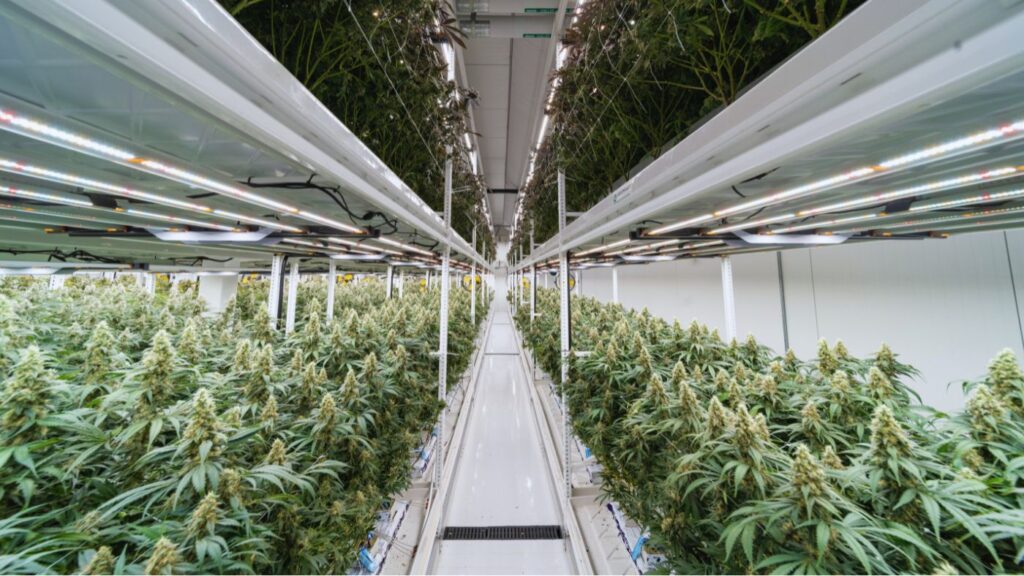 For Virginia’s existing medical cannabis operators, the 2026 retail framework created a distinct and high-stakes transition: pharmaceutical processors may apply for verification to exercise dual-use privileges and serve both registered medical patients and adult-use customers. The pathway covers the processor and its permitted cannabis dispensing facilities, and it carries a one-time $10 million fee, a required medical cannabis program preservation plan, an impact-licensee business accelerator commitment, and a firm May 1, 2027 payment or installment-plan deadline.
 - Virginia Impact Cannabis License (2027): Social Equity & the Equity Business Loan Fund
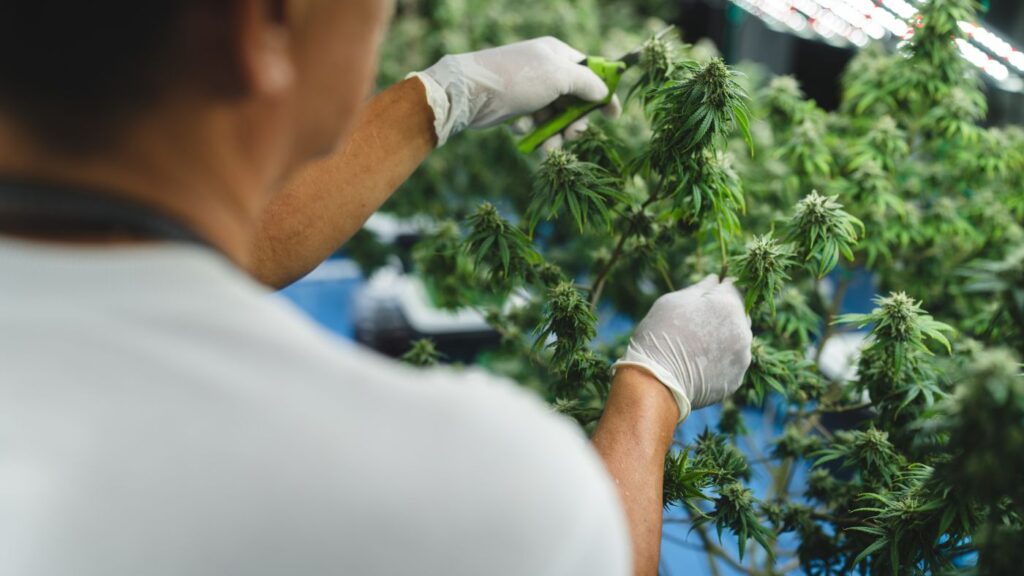 Virginia’s adult-use cannabis framework creates a meaningful pathway for applicants from communities and backgrounds affected by cannabis prohibition and enforcement. The law does not create a separate, stand-alone impact license. Instead, it creates an impact-licensee designation that qualifying applicants may pursue alongside an underlying marijuana establishment license, such as retail, cultivation, processing, microbusiness, transportation, delivery, or testing.
 - Virginia Cannabis Microbusiness License (2027): Eligibility & the Two-Location Model
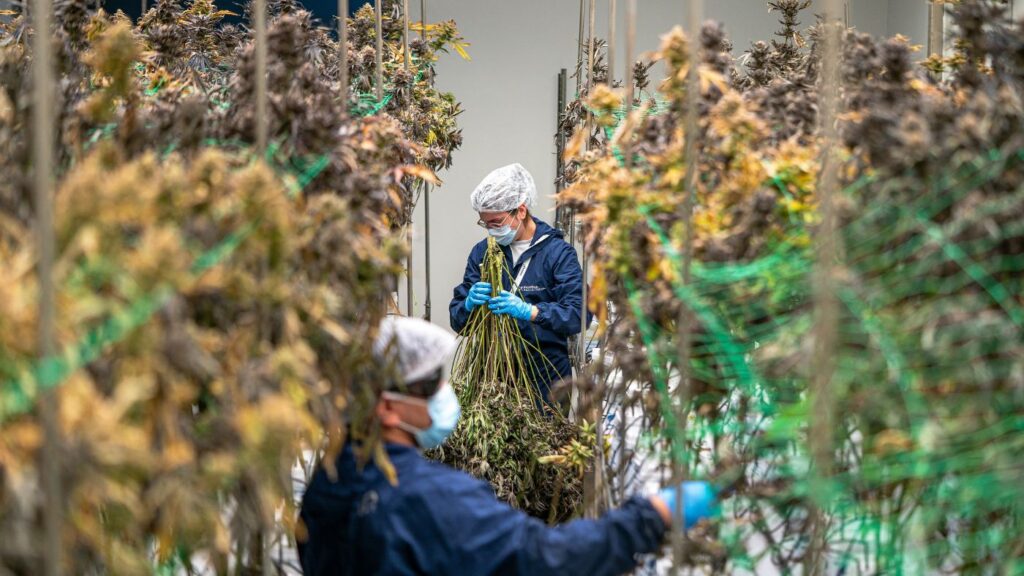 This guide explains the initial eligibility pathways for the licenses the CCA may issue by May 1, 2027, the difference between a microbusiness license and an impact designation, the indoor and outdoor cultivation limits, the precise rules governing two locations, and the financial, security, and operational readiness standards applicants should prepare to demonstrate. Several implementation details – including fees and the specific combination of privileges the CCA will authorize – still depend on forthcoming regulations.
 - Virginia Cannabis Cultivation License (2027): The Tiered System Explained
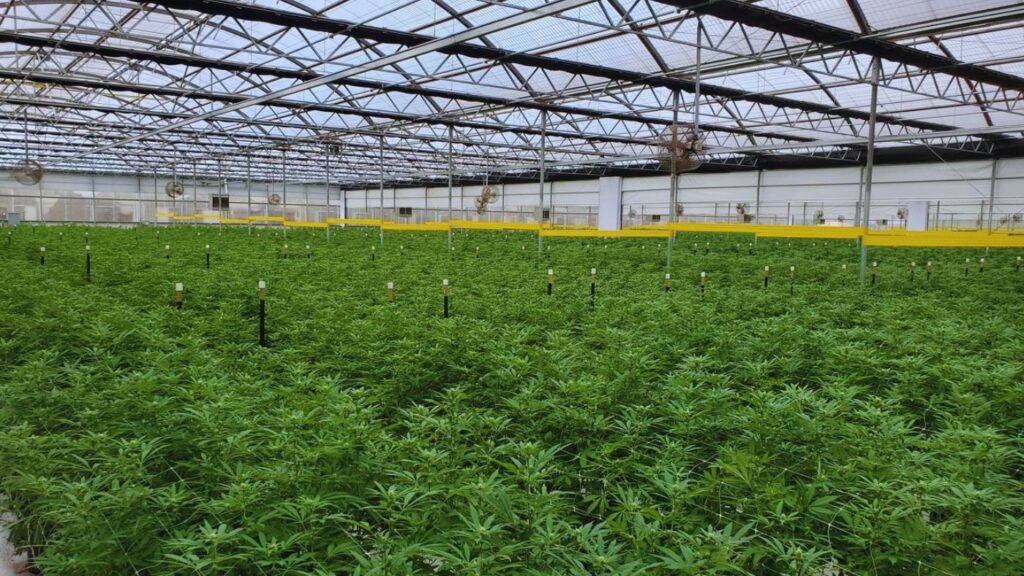 For operators whose strength is growing cannabis, Virginia’s emerging adult-use market presents a significant opportunity – and a cultivation license is the gateway to it. The June 2026 framework authorizes the Virginia Cannabis Control Authority (CCA) to begin accepting license applications on or after February 1, 2027 and issuing licenses on or after May 1, 2027. It also establishes five cultivation tiers with maximum canopies ranging from 5,000 to 35,000 square feet.