
Estimated reading time: 8 minutes
Table of contents
Cliff Notes: Obtaining a Maryland Cannabis Lounge License
Objective: Prepare, apply for, and obtain a Maryland Cannabis Lounge License
Key Components:
- Legal Status: Maryland legalized adult-use cannabis in July 2023 and created a license for on-site consumption lounges.
- Regulatory Delay: Lounge licensing is on hold until local zoning laws are finalized and regulations are published (expected post-2025).
- License Requirements: Applicants must obtain local government approval, submit lounge layout plans (including air filtration for smoking), and ensure staff training.
- Operations: No on-site sales. Lounges must restrict access to 21+, ban alcohol, and comply with local indoor smoking rules.
- Compliance Tips: Ventilation, security, signage, and tracking usage are key; some localities may only allow vaping or edibles.
Catalyst BC’s Cannabis Consultants can assist with zoning strategies, application prep, and full operational setup for Maryland cannabis lounges. Learn more about our Maryland cannabis consulting services or Book your Complimentary Consultation today.
Introduction
Maryland’s adult-use cannabis law (July 2023) authorizes on-site consumption lounges, but the regulations are still developing. The 2023 Cannabis Reform Act created “On-Site Consumption Lounge” licenses, akin to food-service venues, where cannabis can be consumed on premises. However, the Legislature has directed the Cannabis Administration (MCA) to delay issuing these licenses until local zoning is ready and the new rules are promulgated.
In April 2025 lawmakers passed SB215/HB132, which clarified that consumption lounge licenses will be awarded after the first license round, and set requirements (e.g. local ordinances may ban indoor smoking).
Licensing Pathway
Although Maryland has legalized on-site consumption lounges in principle, the application process is not yet active. However, serious operators should begin preparing now. Understanding your jurisdiction’s zoning restrictions, preparing compliant business plans, and monitoring regulatory developments will give you a head start once the application window opens. Below is a general overview of what the licensing process is expected to include based on legislative direction and best practices from other regulated markets.
1. Secure Local Government Approval
Applicants must get a “municipal endorsement” or development approval from the city/county, similar to a Host Community Agreement for dispensaries. Check your jurisdiction’s stance on smoking indoors and on-site cannabis use.
2. Application to MCA
When applications open (likely later in 2025 after regulations finalize), apply through Maryland’s online system. Expect fees (e.g. in other states on-site license fees run several thousand dollars) and standard background checks.
3. Build-out Plan Approval
You’ll need to submit detailed plans for the lounge layout, including a designated smoking room (if smoking is allowed by the locality) or only vaping/edibles if not. A ventilation plan to filter out odor will be mandatory.
4. Staff Training & Insurance
Acquire any required liquor-board permits (since consumption is analogous to alcohol service) and train staff in safe-serving standards. Maryland law also requires that employees serving cannabis (e.g. rolling joints or serving edibles) hold a “server permit” issued by the state.
Operational Requirements
Maryland’s regulations are emerging, but you should prepare for:
- no on-site cannabis sales, no minors, and strict packaging rules
- Patrons will likely buy cannabis off-site and bring it in; employees must log usage
- Lounges must be discrete (possibly no signage visible from street) if venues are indoors
- Food and non-alcoholic drinks may be served, but alcohol will be prohibited
- Common-area clean-air laws still apply: many locales ban indoor smoking outright, so lounges in those areas may be restricted to vaping and edibles (Type I vs II permits in New Mexico style)
- Secure, limited entry is needed – consider membership or cover-charge models to ensure only adults 21+ enter.
Compliance Challenges
Pay close attention to the delayed launch and local rules. For instance, some counties have already banned indoor smoking, which would limit lounge activities to non-smoking methods unless the law changes. Also, Maryland lawmakers have flagged concerns (e.g. buffering from schools, no consumption at bus stops) – stay tuned for final regulations in mid-2025.
Why Hire a Cannabis Consultant?
Launching a cannabis lounge in Maryland involves navigating a complex and evolving regulatory environment. From securing local approval to meeting Maryland Cannabis Administration (MCA) licensing requirements, every step requires precision and planning. Our seasoned Cannabis Consultants can help you streamline this process, avoid costly delays, and stay fully compliant from day one.
Catalyst BC’s Maryland cannabis consultants bring deep regulatory knowledge, proven licensing strategies, and hands-on operational experience—so you can focus on building a successful, legally sound lounge. Whether you’re an existing operator or a new entrepreneur, we’ll guide you from concept to grand opening and beyond.
Learn more about our Maryland cannabis consulting services or Book your Complimentary Consultation today.
Maryland Cannabis Lounge FAQs
The first round for on-site consumption licenses was postponed; check MCA announcements. It’s expected after 2025 when local jurisdictions have updated zoning and MCA issues regulations.
Any Maryland locality could opt in or ban indoor smoking. Check with county or city councils – no statewide ban, but some municipalities may impose stricter rules on smoking establishments.
Potentially. The law foresees independent lounges, but existing dispensaries might apply for a supplemental license to add an adjacent consumption area. Watch MCA guidance for specific business structures allowed.
Likely all adult-use cannabis products, subject to local smoking restrictions. For example, if smoking is banned indoors, lounges might only allow vaporizing and edibles.
Non-infused food and drink are allowed; infused foods (e.g. cannabis brownies) typically cannot be prepared in a lounge unless separately licensed. Unlike alcohol venues, Maryland cannabis lounges will not serve alcohol.
Maryland cannabis lounges will need to secure the premises (entry logs, ID checks) and prevent on-site distribution. Expect requirements similar to medical cannabis centers plus additional checks during off-service hours.
Staff must be 21+ and, if handling product sales or sampling, possess a Maryland server permit issued by the MCA. Training on dosage and impairment is recommended.
Only if local law permits. If smoking is banned, your lounge can still allow vaping, dabbing, and edibles. Plan a separate ventilated area or air filtration system regardless.
Maryland cannabis lounges are likely treated like bars (loophole needed!). You may need a food service license or similar health permit, and comply with workforce regulations. Our Maryland cannabis consulting experts can guide you through the licensing requirements based on your unique circumstances.
Absolutely. Maryland’s emerging rules mean expert guidance is needed. Our Maryland cannabis consultants will help you time your application and meet all new compliance standards.
Navigating the Maryland cannabis lounge space is complex—one misstep can delay your opening or jeopardize your license. Our specialized Cannabis Consultants brings deep regulatory knowledge, operational best practices, and hands-on project management.
From initial concept and licensing to grand opening and ongoing compliance, Catalyst BC’s end-to-end Maryland Cannabis Consulting services ensure you launch faster, stay compliant, and maximize profitability.
Additional Resources
Free eBooks For Cannabis Business Success




Latest Articles
- Missouri Cannabis Licensing & Business Opportunities 2026
 Missouri has established itself as the premier success story for cannabis in the Midwest, evolving from a standard medical regime to a high-volume adult-use market that exceeded $1.52 billion in annual sales in 2025. As the market enters the 2026–2027 biennium, the landscape is shifting from rapid expansion toward operational maturation and specialized entry.
 - North Carolina Cannabis Licensing & Business Opportunities 2026
 North Carolina remains one of the final significant jurisdictions in the United States without a comprehensive medical or adult-use cannabis program. However, the 2026–2027 biennium is projected to be the most consequential period in the state’s cannabis history. Driven by the formation of the North Carolina Advisory Council on Cannabis and an impending federal “hemp cliff,” the state is moving from a period of passive prohibition toward a structured, albeit highly restrictive, regulatory framework.
 - Nebraska Cannabis Licensing & Business Opportunities 2026
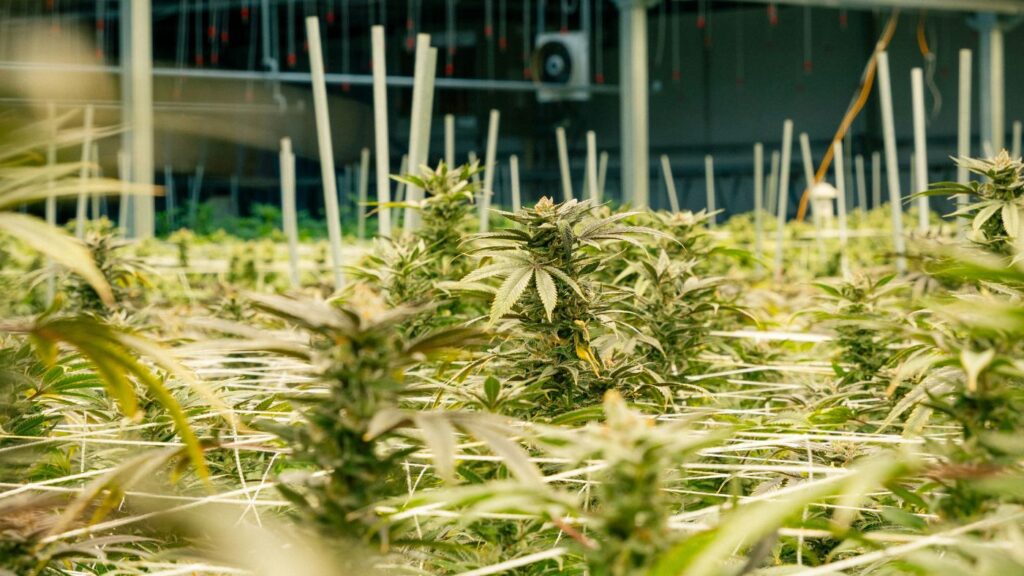 Nebraska is entering the 2026–2027 biennium at a historic crossroads. Following the 71% voter approval of Initiatives 437 and 438 in late 2024—the largest margin for a medical cannabis initiative in U.S. history—the state is currently standing up its first regulated medical infrastructure.
 - Florida Cannabis Licensing & Business Opportunities 2026
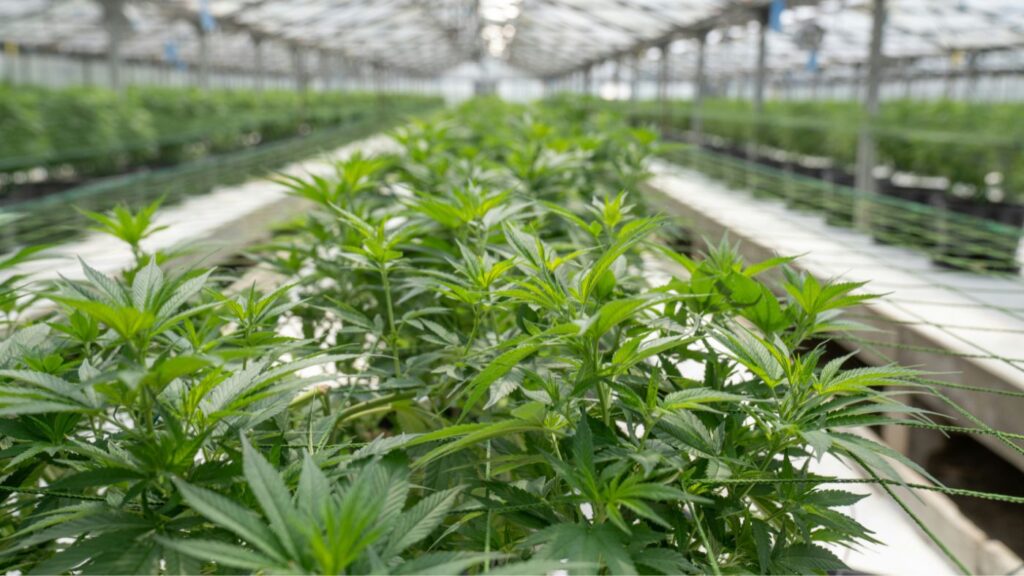 Florida represents the most capital-intensive and professionally structured cannabis market in the nation. As of 2026, the state is at a crossroads: it is both expanding its mature medical program and preparing for a potential constitutional shift toward universal adult-use access. On November 3, 2026, Florida voters will decide on the Marijuana Legalization Initiative (Amendment 3). Passing this requires a 60% supermajority—a high threshold, but one that polls suggest is within reach.
 - Virginia Cannabis Licensing & Business Opportunities 2026
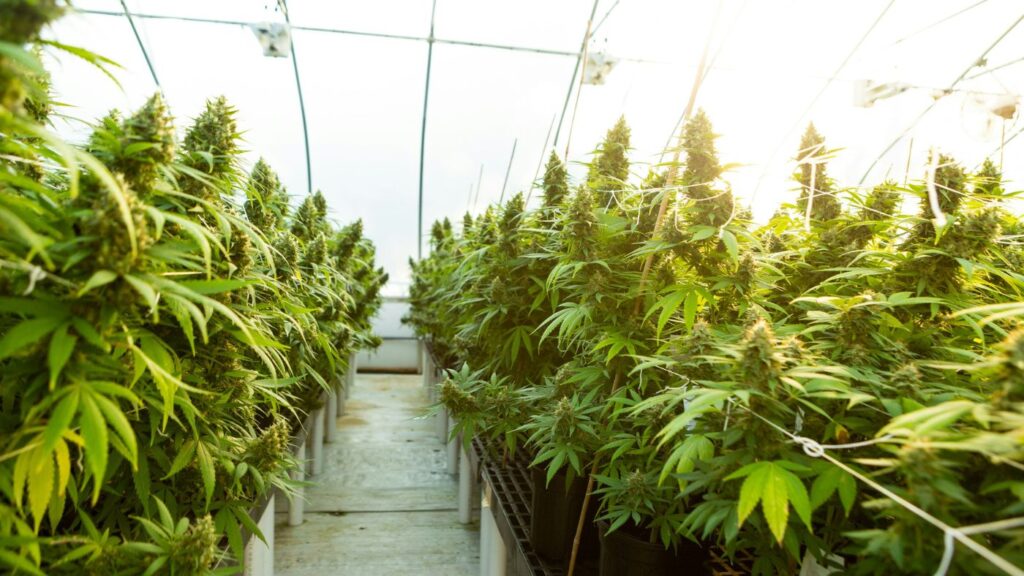 As Virginia transitions from its current “possession-only” model toward a fully regulated retail market, the 2026–2027 biennium represents a once-in-a-generation window for market entry. Unlike the vertically integrated “medical-only” regimes of the past, Virginia’s upcoming framework focuses on decentralization, specifically architected to favor small Virginia-based operators over large multi-state corporations.
 - Minnesota Cannabis Licensing & Business Opportunities 2026
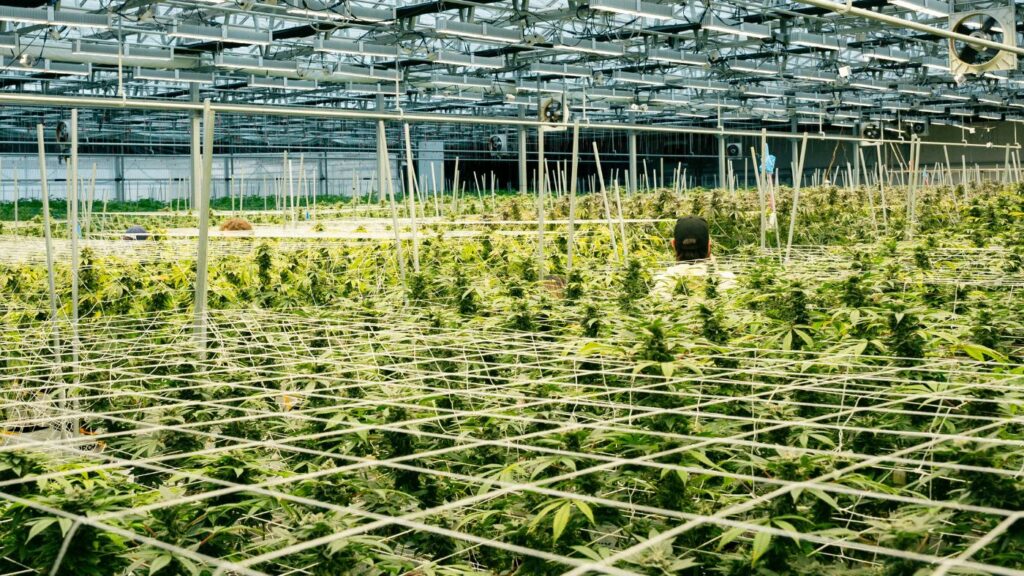 Minnesota is currently undergoing a transformative shift in its cannabis landscape, moving from a semi-regulated hemp-derived market toward a fully comprehensive adult-use framework. Overseen by the Office of Cannabis Management (OCM), the 2026–2027 biennium represents the critical “enforcement phase” where temporary registrations sunset and permanent, merit-based licenses define the market’s long-term leaders.