

Estimated reading time: 7 minutes
Table of contents
Cliff Notes: Apply for and obtain a Nevada cannabis lounge license
Objective: Prepare for application of a Nevada cannabis lounge license by understanding the steps required to legally operate a Nevada cannabis lounge.
Key Components:
- Legal Framework: Nevada passed AB 341 in 2021, legalizing licensed cannabis consumption lounges under the Cannabis Compliance Board (CCB).
- Types of Licenses: Two models – Retail Lounges (connected to dispensaries) and Independent Lounges (standalone businesses).
- Licensing Timeline: First round opened in 2024. Social equity applicants receive preference for half of all independent licenses.
- Application Requirements: Includes operations plan, diversity/inclusion statement, ventilation specs, and architectural layout.
- Compliance: Strict guidelines for ventilation, staff training, overconsumption tracking, and sealed smoking rooms.
- Restrictions: No cannabis sales, no alcohol, no minors, and no infused food service without a kitchen license.
Catalyst BC’s cannabis consultants help with license prep, smoking room design, city coordination, and compliance strategies. Learn more about our Nevada cannabis consulting services or Book your Complimentary Consultation today.
Introduction
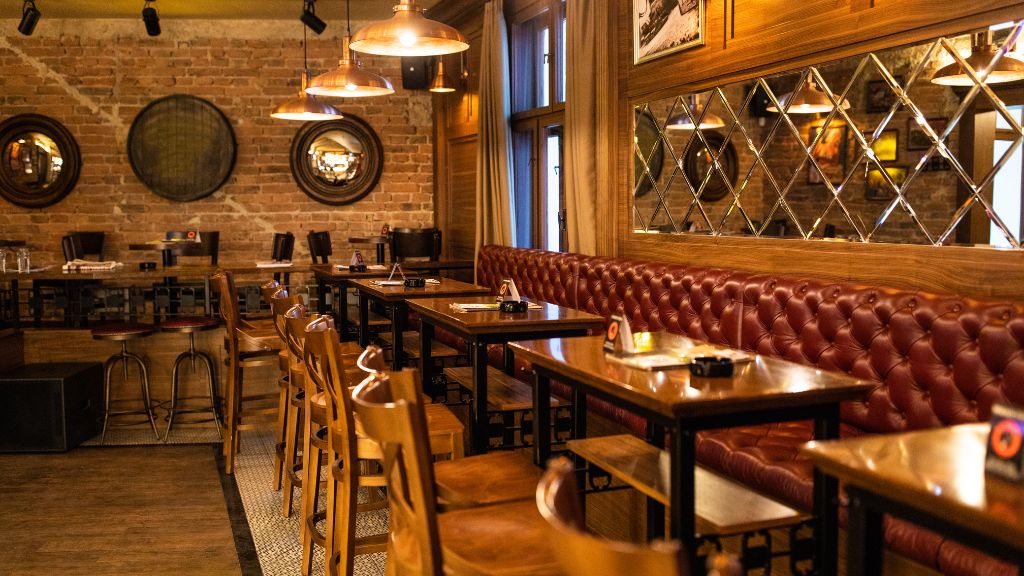
Nevada has enthusiastically embraced consumption lounges. In 2021, Governor Sisolak signed AB 341 authorizing the Nevada Cannabis Compliance Board (CCB) to license cannabis consumption lounges. After extensive stakeholder work, the CCB approved final regulations in late 2023.
Lounges are split into two types: Retail Lounges (operated by licensed dispensaries or microbusinesses) and Independent Lounges (standalone sites). Importantly, the CCB’s rules mandate diversity goals – half of the initial independent lounge licenses will go to social equity applicants.
Licensing Process
Navigating the Nevada cannabis lounge licensing process requires early planning, precise documentation, and an understanding of both state and local regulations. Whether you’re applying as a dispensary or launching an independent lounge, aligning your team and preparing key materials in advance can significantly improve your chances of success. Below is a step-by-step overview of what to expect when applying for a Nevada cannabis lounge license.
1, Application Openings
The CCB opened the first license round will open in Fall 2024. Contact our cannabis consulting team for a timeline on the next round. Prepare now by lining up your team (security, architects) and drafting a diversity/inclusion plan (a required part of the application).
2. Prepare Documentation
Applications requires a completed CCB portal submission, corporate docs, financial statements, and an operations plan. Expect to detail your ventilation design and smoking/non-smoking room layout (as per Regulation 15). The regulations require lounges to have a fully separate, self-contained smoking room with HEPA filtration and a negatively pressured ventilation system.
3. Pay Fees and Prequalification
Anticipate an application fee (likely $4,000-5,000 based on other Nevada adult-use fees) plus an initial license fee. Submit to CCB, then undergo background checks. Social equity candidates should apply early to take advantage of set-asides.
4. Inspections
Once awarded a provisional license, schedule inspections for both security (cameras at every entry/exit and service area) and construction code compliance (fire sprinklers, ADA access, etc.). Only after final approval and payment of the licensing fee can you open to customers.
Operational Requirements
The CCB regulations lay out strict rules. All cannabis smoking/vaping must occur in a designated smoking room that is completely sealed off from the rest of the lounge. Doors must be gasketed and self-closing. Air from that room must be ventilated outside with a continuous 8+ air changes per hour, and all other indoor air must pass through HEPA filtration.
Lounges must maintain logs of overconsumption incidents and train staff on topics like product effects and handling intoxicated patrons. Patrons can only consume cannabis on-site; no product can leave the premises. Food is allowed, but infused edibles cannot be prepared on-site without a kitchen license.
Absolutely no minors (21+) allowed, and joint/jar lockers are required so customers store their cannabis upon entry.
Compliance Challenges
Every lounge must strictly follow the Nevada Cannabis Compliance Regulations and state laws.
Key pitfalls:
- Failing to prevent underage entry, allowing patrons to take cannabis outside, or mixing tobacco with cannabis (which is explicitly forbidden).
- Security must prevent any diversion; for example, cannabis samples cannot be given away gratis (every product must be tracked via Metrc).
- Employee training on preventing impaired driving is now mandatory, and lounges will also need general liability and product liability insurance.
- Coordinate with local city/fire departments early – Clark and Washoe Counties have additional licensing prerequisites (e.g. business licenses, fire inspections).
Why Hire a Cannabis Consultant?
Launching a Nevada cannabis lounge involves more than just submitting paperwork—it requires architectural planning, compliance strategy, community engagement, and an airtight operations plan.
Our seasoned Nevada cannabis consultants can help you avoid costly mistakes and delays by guiding you through every phase of the process. From ventilation compliance and diversity planning to local inspections and staff training protocols, Catalyst BC provides end-to-end consulting services tailored to Nevada’s unique regulatory environment. Let our team help you secure your license and open a compliant, profitable lounge faster.
Learn more about our Nevada cannabis consulting services or Book your Complimentary Consultation today.
Nevada Cannabis Lounge FAQs
Nevada has two main categories: Retail Consumption Lounge (for current cannabis retailers or microbusinesses) and Independent Consumption Lounge (freestanding lounge). Both allow on-site smoking/vaping and hospitality services.
No, consumption lounges themselves cannot sell product. Patrons must already have purchased their cannabis elsewhere. However, lounge operators must ensure all consumed cannabis came from licensed sources (via receipts or secure drop-off).
No. NV law still prohibits combining alcohol and cannabis. Nevada cannabis lounges may sell non-alcoholic beverages and snacks, but no liquor.
There is no explicit size limit, but it must be a distinct, enclosed space. Some operators opt for small cigar-lounge-style rooms. The key is meeting the ventilation specs: 8 air changes per hour at minimum.
Yes. Nevada mandates a “Diversity Plan” in your application showing how you’ll include women, veterans, minorities, etc., in your ownership and workforce. Social equity applicants get preference. Our Nevada cannabis consulting experts can guide you through the social equity requirements.
Definitely. Owners and financiers must pass a 3653 background check (no disqualifying felony in the past 10 years, for example). This is a standard requirement for all cannabis licenses in NV.
Absolutely. Nevada’s cannabis lounge regs are new and technical. Catalyst BC’s Nevada cannabis consultants can help prepare your venue (especially ventilation plans) and guide you through the unique licensing process.
Navigating the Nevada cannabis lounge space is complex—one misstep can delay your opening or jeopardize your license. A specialized Cannabis Consultant brings deep regulatory knowledge, operational best practices, and hands-on project management.
From initial concept and licensing to grand opening and ongoing compliance, Catalyst BC’s end-to-end Nevada Cannabis Consulting services ensure you launch faster, stay compliant, and maximize profitability.
Additional Resources
Free eBooks For Cannabis Business Success




Latest Articles
- Virginia Cannabis Facility Design & Build-Out for the 2027 Market
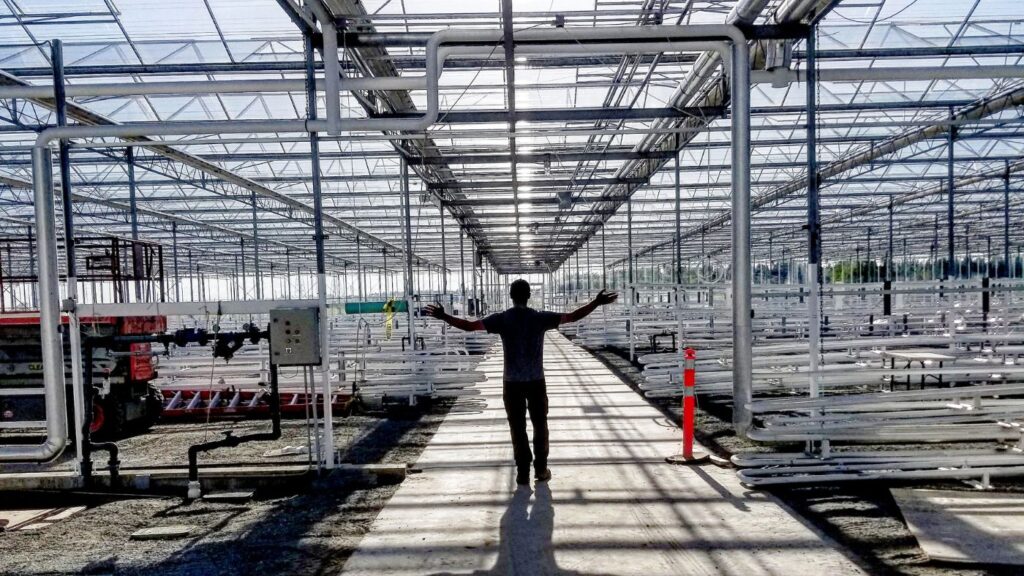 This guide covers the major considerations involved in planning and building a Virginia cannabis facility, with a focus on retail and cultivation operations and additional considerations relevant to processors and microbusinesses. It is written from the build side of the business, because that is where many otherwise-strong applicants stumble: they underestimate utility needs, local approvals, security infrastructure, commissioning, and the time required to convert a site into an inspection-ready operation.
 - Virginia Dual-Use Cannabis Conversion (2027): The $10M Medical-to-Adult-Use Pathway
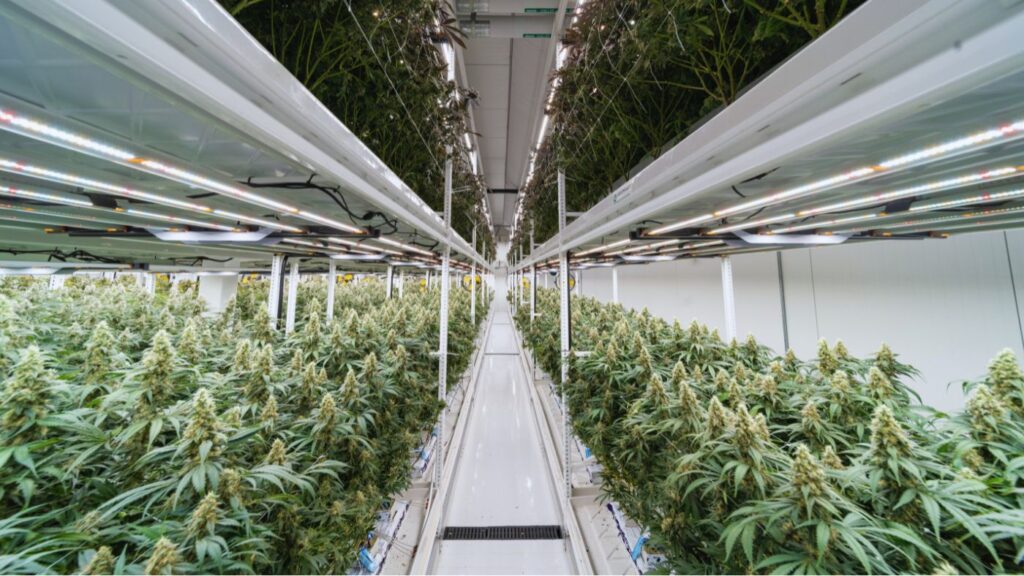 For Virginia’s existing medical cannabis operators, the 2026 retail framework created a distinct and high-stakes transition: pharmaceutical processors may apply for verification to exercise dual-use privileges and serve both registered medical patients and adult-use customers. The pathway covers the processor and its permitted cannabis dispensing facilities, and it carries a one-time $10 million fee, a required medical cannabis program preservation plan, an impact-licensee business accelerator commitment, and a firm May 1, 2027 payment or installment-plan deadline.
 - Virginia Impact Cannabis License (2027): Social Equity & the Equity Business Loan Fund
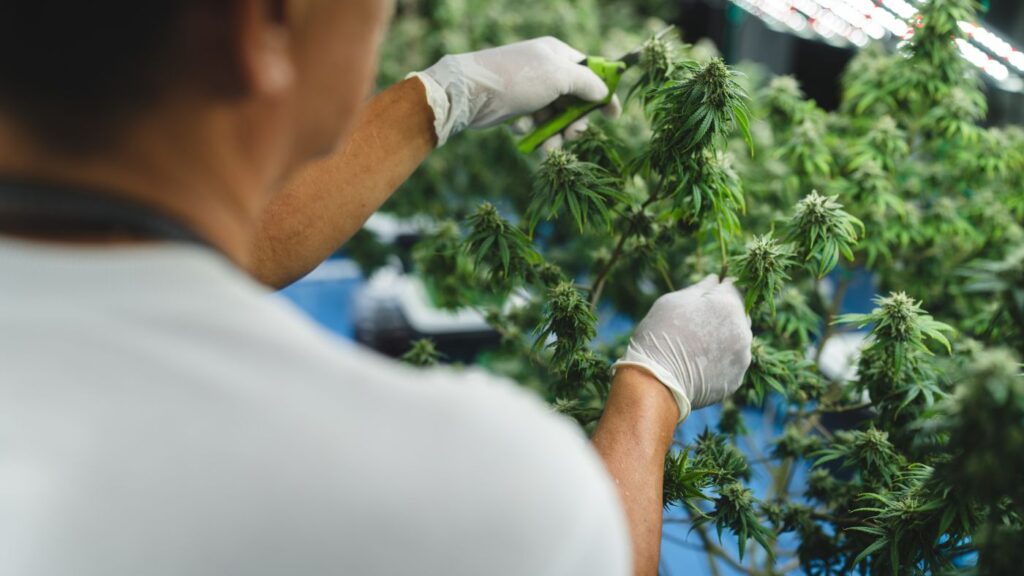 Virginia’s adult-use cannabis framework creates a meaningful pathway for applicants from communities and backgrounds affected by cannabis prohibition and enforcement. The law does not create a separate, stand-alone impact license. Instead, it creates an impact-licensee designation that qualifying applicants may pursue alongside an underlying marijuana establishment license, such as retail, cultivation, processing, microbusiness, transportation, delivery, or testing.
 - Virginia Cannabis Microbusiness License (2027): Eligibility & the Two-Location Model
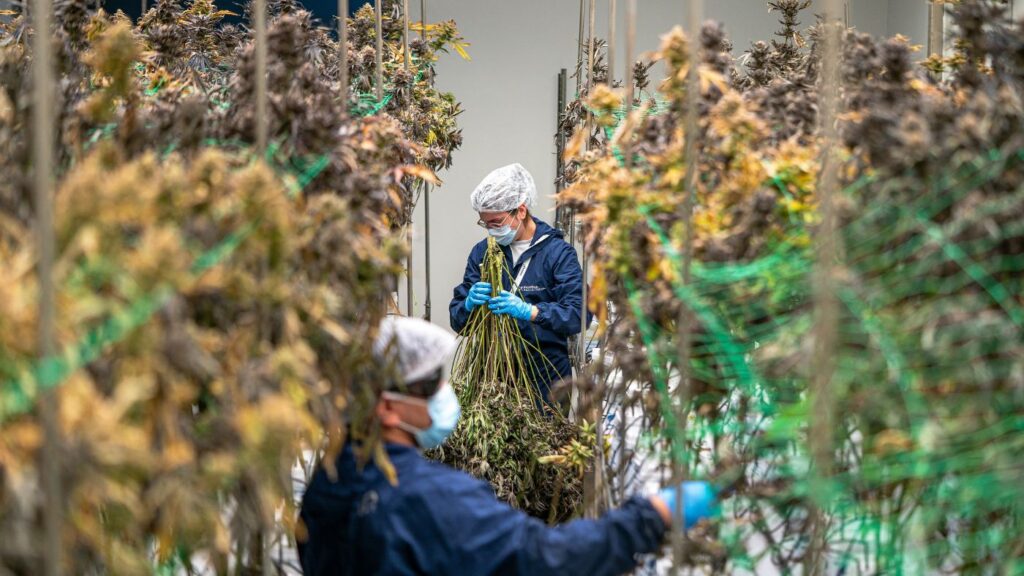 This guide explains the initial eligibility pathways for the licenses the CCA may issue by May 1, 2027, the difference between a microbusiness license and an impact designation, the indoor and outdoor cultivation limits, the precise rules governing two locations, and the financial, security, and operational readiness standards applicants should prepare to demonstrate. Several implementation details – including fees and the specific combination of privileges the CCA will authorize – still depend on forthcoming regulations.
 - Virginia Cannabis Cultivation License (2027): The Tiered System Explained
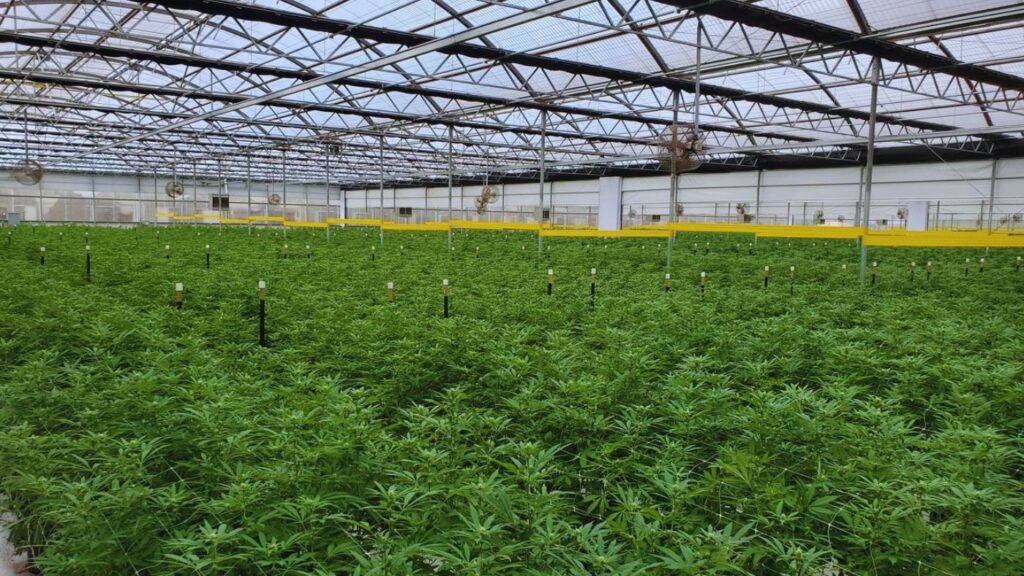 For operators whose strength is growing cannabis, Virginia’s emerging adult-use market presents a significant opportunity – and a cultivation license is the gateway to it. The June 2026 framework authorizes the Virginia Cannabis Control Authority (CCA) to begin accepting license applications on or after February 1, 2027 and issuing licenses on or after May 1, 2027. It also establishes five cultivation tiers with maximum canopies ranging from 5,000 to 35,000 square feet.
 - Virginia Cannabis Licensing (2027): The Complete Guide & License Resource Hub
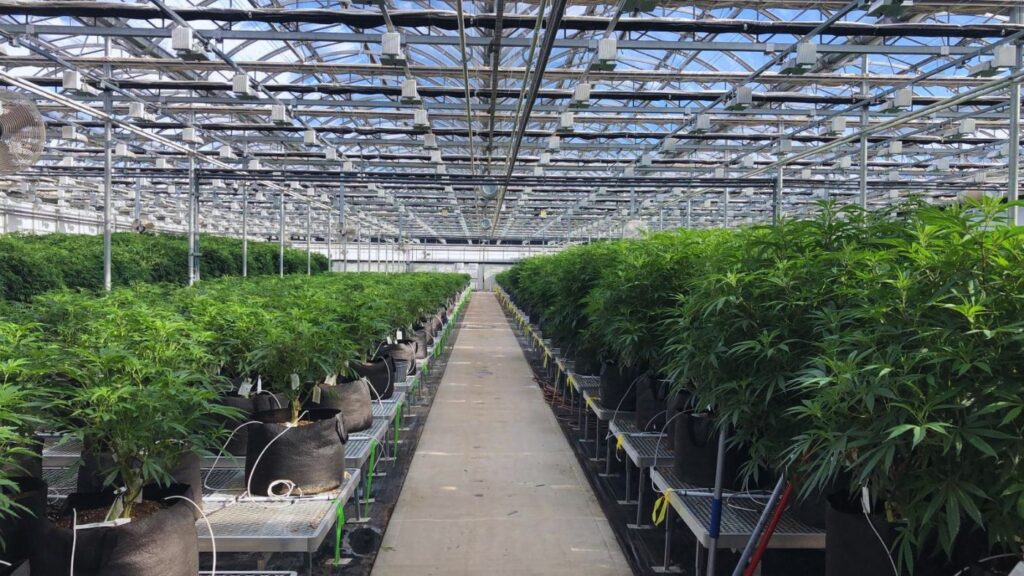 This guide is the hub for what you need to understand about Virginia cannabis licensing in 2027: how the Commonwealth arrived here, what the enacted framework establishes, the principal license types, the implementation timeline, and where to go deeper on each part of the process.