
Estimated reading time: 9 minutes
Table of contents
- Introduction
- Minnesota’s Decentralized License Taxonomy
- Social Equity and the “65% Rule”
- Operational Mandates and Estimated Capitalization
- Next Steps: Contact Catalyst BC For Minnesota Cannabis Licensing and Market Entry Guidance
- Success Stories: See How Catalyst BC Has Helped Cannabis Businesses Enter and Lead the Market
- Minnesota Cannabis Licensing & Business Opportunities 2026 FAQs
- Additional Resources
- Free eBooks For Cannabis Business Success
- Latest Articles
Cliff Notes: Navigating Minnesota’s 2026 Cannabis Rollout
Objective: Minnesota is transitioning to a fully comprehensive adult-use framework under the Office of Cannabis Management (OCM), defining the 2026–2027 biennium as a critical “enforcement phase”. For investors, this period offers prime Minnesota cannabis licensing and business opportunities within a unique decoupled supply chain designed for equitable growth.
Key Components:
- Critical Deadlines: Hemp-derived businesses must transition to full OCM licensure by March 31, 2026, to avoid operational shutdowns.
- Licensing Cycles: The OCM will open a major application window in early 2026 for both general and social equity candidates.
- Equity Ownership: The 65% ownership rule ensures that social equity applicants maintain true control over their licensed entities.
- Local Control: Municipalities like Osseo are expected to launch the state’s first government-run cannabis stores in mid-2026.
- Operational Mandates: All businesses must implement a Labor Peace Agreement and adhere to rigorous OCM security and waste SOPs.
- Market Scale: With MJBiz projecting 2026 sales to reach $430 million, early-mover advantages are essential for long-term success.
Don’t let regulatory complexity stall your market entry. Contact Catalyst BC today for expert guidance on navigating the 2026 Minnesota licensing cycle and securing your operational success.
Introduction
Minnesota is currently undergoing a transformative shift in its cannabis landscape, moving from a semi-regulated hemp-derived market toward a fully comprehensive adult-use framework. Overseen by the Office of Cannabis Management (OCM), the 2026–2027 biennium represents the critical “enforcement phase” where temporary registrations sunset and permanent, merit-based licenses define the market’s long-term leaders. For investors and operators, Minnesota offers a unique “decoupled” supply chain model designed to prevent the corporate monopolies seen in earlier legalizing states.
The 2026–2027 Regulatory Roadmap
The Minnesota transition is defined by a phased rollout intended to ensure market continuity for existing hemp businesses while standing up the new adult-use infrastructure. A pivotal deadline occurs on March 31, 2026, which serves as the hard cutoff for Lower-Potency Hemp Edible (LPHE) manufacturers and wholesalers to be fully licensed under Minnesota Statutes Chapter 342.
| Key Milestone | Expected Date | Operational Impact |
| LPHE Hard Transition Deadline | March 31, 2026 | All manufacturers and wholesalers must be fully licensed under OCM; out-of-state lab usage ends. |
| OCM Standard Licensing Cycle | Early 2026 | Opening of the second major application window for general and social equity applicants. |
| Municipal Retail Launch (Osseo) | Mid-2026 | Expected opening of the state’s first government-run cannabis stores under public-private partnerships. |
| Full Market Stabilization | Late 2027 | Projected point of price stabilization as the first large-scale cultivators (30,000 sq. ft.) reach full capacity. |
Minnesota’s Decentralized License Taxonomy
Minnesota’s framework prioritizes small-scale, local entry through a tiered system that encourages specialization. Unlike Florida’s mandatory vertical integration, Minnesota limits most license holders to a single authorization type to ensure a competitive and diverse ecosystem.
- Cannabis Microbusiness: The most flexible entry point, allowing cultivation (up to 5,000 sq. ft. indoor), processing, and one retail location with an on-site consumption endorsement.
- Cannabis Mezzobusiness: A mid-tier option allowing for up to 15,000 sq. ft. of indoor canopy and up to three retail locations. However, Mezzobusinesses cannot hold other license types simultaneously.
- Cannabis Retailer: Standalone retail stores are capped at one per city or more depending on population density. Retailers may also hold delivery and event organizer licenses.
- Cannabis Cultivator: The largest production tier, allowing up to 30,000 sq. ft. of indoor plant canopy or two acres outdoors.
Social Equity and the “65% Rule”
The Minnesota Social Equity Program is among the most robust in the nation, employing a dual-lottery system that gives verified applicants first access to capped license categories. To qualify as a social equity business, at least 65% of the entity must be owned and controlled by verified individuals.
Eligibility criteria include:
- Prior Convictions: Individuals convicted of a cannabis-related offense prior to May 1, 2023, or their close dependents.
- Geographic Disadvantage: Residency for at least five years in areas with high cannabis enforcement or poverty rates (20%+ of households).
- Military/Veteran Status: Veterans or National Guard members, including those who lost honorable status due to cannabis offenses.
- Agricultural Experience: Individuals who have farmed for at least three years with gross sales between $5,000 and $100,000.
Operational Mandates and Estimated Capitalization
Operating a cannabis facility in Minnesota requires strict adherence to security and labor standards. Labor Peace Agreements (LPAs) are a mandatory, ongoing condition for licensure and renewal. Furthermore, any business selling medical cannabis must have a licensed pharmacist or certified consultant on-site for patient consultations.
| License Type | Application Fee | Initial License Fee | Annual Renewal |
| Microbusiness | $500 | $0 | $2,000 |
| Mezzobusiness | $5,000 | $5,000 | $10,000 |
| Cultivator | $10,000 | $20,000 | $30,000 |
| Retailer | $2,500 | $2,500 | $5,000 |
Build-out costs remain high due to advanced HVAC and security requirements. Indoor cultivation facilities typically range from $300 to $450 per square foot, while retail dispensaries often require an initial investment of $300,000 to $1.5 million for a compliant 3,000 sq. ft. space.
Next Steps: Contact Catalyst BC For Minnesota Cannabis Licensing and Market Entry Guidance
The Minnesota market is currently defined by a significant supply gap. While there are nearly 40 retail locations (including tribal and medical), there are currently very few authorized wholesalers, leading to wholesale prices exceeding $4,000 per pound. This shortage is expected to persist through mid-2026, offering a high-margin window for early-movers in the cultivation and manufacturing sectors.
Local control is another critical factor. While cities cannot ban cannabis businesses outright, they can limit retail density to one store per every 12,500 residents. Furthermore, cities like Osseo and Anoka have adopted a municipal model, where the local government holds the license and partners with private management firms like Voyageur Cannabis Services.
Navigating Minnesota’s high-stakes lottery and strict 65% equity threshold requires professional precision. Contact Catalyst BC today for comprehensive support in social equity verification, facility design, and building the “pharma-grade” SOPs necessary to win in the 2026–2027 rollout.
Or, visit our Minnesota Cannabis Consulting page to learn more about our services tailored to the land of 10,000 lakes.
Success Stories: See How Catalyst BC Has Helped Cannabis Businesses Enter and Lead the Market
From initial startup and facility build-outs to high-value exit strategies, our cannabis consultants provide the expertise needed to navigate the complexities of the legal cannabis industry.
Minnesota Cannabis Licensing & Business Opportunities 2026 FAQs
All Lower-Potency Hemp Edible (LPHE) manufacturers and wholesalers must be fully licensed under the OCM by March 31, 2026.
The OCM uses a decoupled model to prevent corporate monopolies, favoring a merit-based system that separates various stages of the supply chain.
Social equity licenses must be at least 65% owned and controlled by verified social equity applicants.
Yes, certain categories like Cultivator, Manufacturer, Mezzobusiness, and Retailer have statutory caps.
Yes, all applicants must provide an attestation that they have entered into and will maintain an LPA with a bona fide labor organization.
Yes, local units of government can limit registrations to no fewer than one for every 12,500 residents.
Only medical cannabis facilities must have a licensed pharmacist or certified medical consultant available for consultations.
A standard Cultivator license requires a $10,000 application fee and a $20,000 initial license fee.
While sales have begun, full market maturity and stabilization are projected for late 2027.
Capped licenses are distributed through a two-phase lottery where social equity applicants receive priority in the first phase.
Additional Resources
Free eBooks For Cannabis Business Success




Latest Articles
- How Much Does It Cost to Open a Cannabis Dispensary in 2026
 The allure of jumping into the legalized cannabis industry often paints a picture of quick riches and burgeoning demand, yet the reality of establishing a licensed cannabis dispensary is far more nuanced, capital-intensive, and fraught with unique financial challenges. For aspiring entrepreneurs and seasoned investors alike, understanding the true dispensary startup costs is the absolute bedrock of success.
 - Virginia Cannabis Facility Design & Build-Out for the 2027 Market
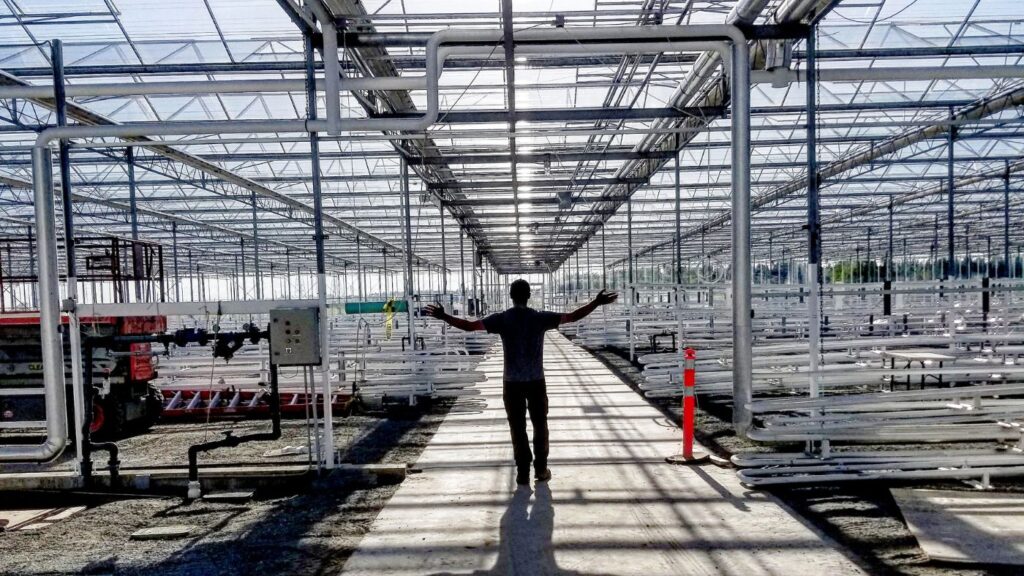 This guide covers the major considerations involved in planning and building a Virginia cannabis facility, with a focus on retail and cultivation operations and additional considerations relevant to processors and microbusinesses. It is written from the build side of the business, because that is where many otherwise-strong applicants stumble: they underestimate utility needs, local approvals, security infrastructure, commissioning, and the time required to convert a site into an inspection-ready operation.
 - Virginia Dual-Use Cannabis Conversion (2027): The $10M Medical-to-Adult-Use Pathway
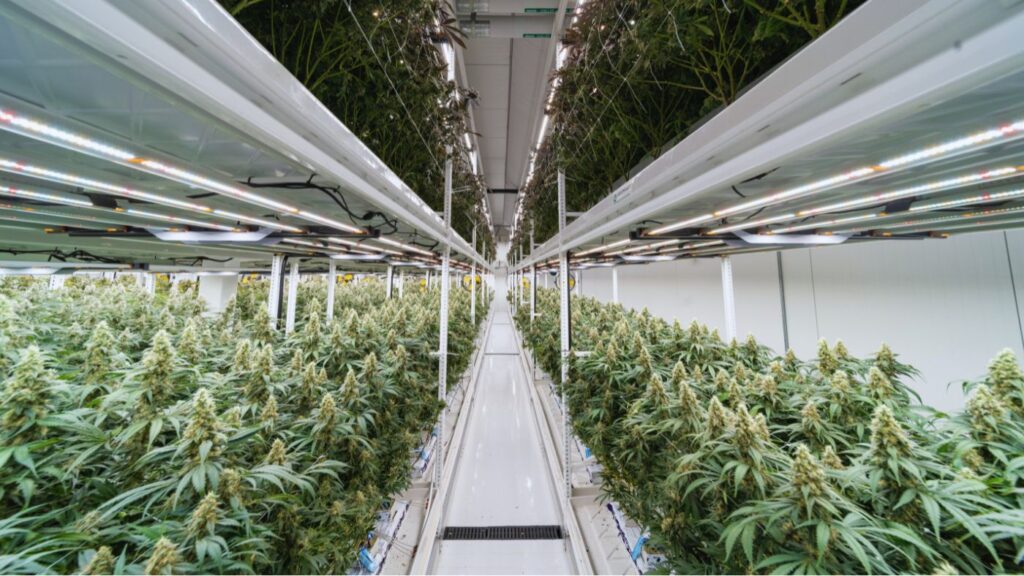 For Virginia’s existing medical cannabis operators, the 2026 retail framework created a distinct and high-stakes transition: pharmaceutical processors may apply for verification to exercise dual-use privileges and serve both registered medical patients and adult-use customers. The pathway covers the processor and its permitted cannabis dispensing facilities, and it carries a one-time $10 million fee, a required medical cannabis program preservation plan, an impact-licensee business accelerator commitment, and a firm May 1, 2027 payment or installment-plan deadline.
 - Virginia Impact Cannabis License (2027): Social Equity & the Equity Business Loan Fund
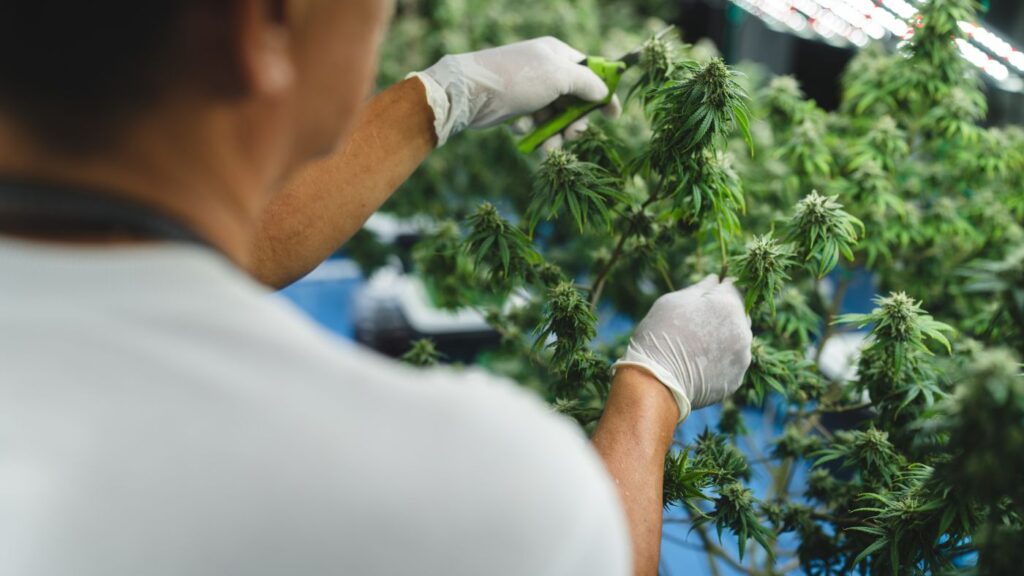 Virginia’s adult-use cannabis framework creates a meaningful pathway for applicants from communities and backgrounds affected by cannabis prohibition and enforcement. The law does not create a separate, stand-alone impact license. Instead, it creates an impact-licensee designation that qualifying applicants may pursue alongside an underlying marijuana establishment license, such as retail, cultivation, processing, microbusiness, transportation, delivery, or testing.
 - Virginia Cannabis Microbusiness License (2027): Eligibility & the Two-Location Model
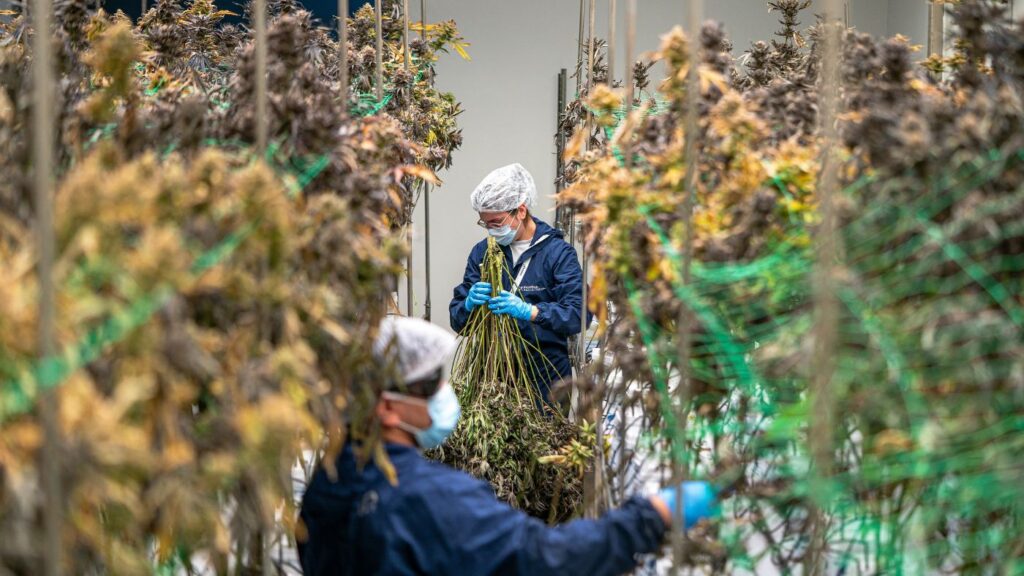 This guide explains the initial eligibility pathways for the licenses the CCA may issue by May 1, 2027, the difference between a microbusiness license and an impact designation, the indoor and outdoor cultivation limits, the precise rules governing two locations, and the financial, security, and operational readiness standards applicants should prepare to demonstrate. Several implementation details – including fees and the specific combination of privileges the CCA will authorize – still depend on forthcoming regulations.
 - Virginia Cannabis Cultivation License (2027): The Tiered System Explained
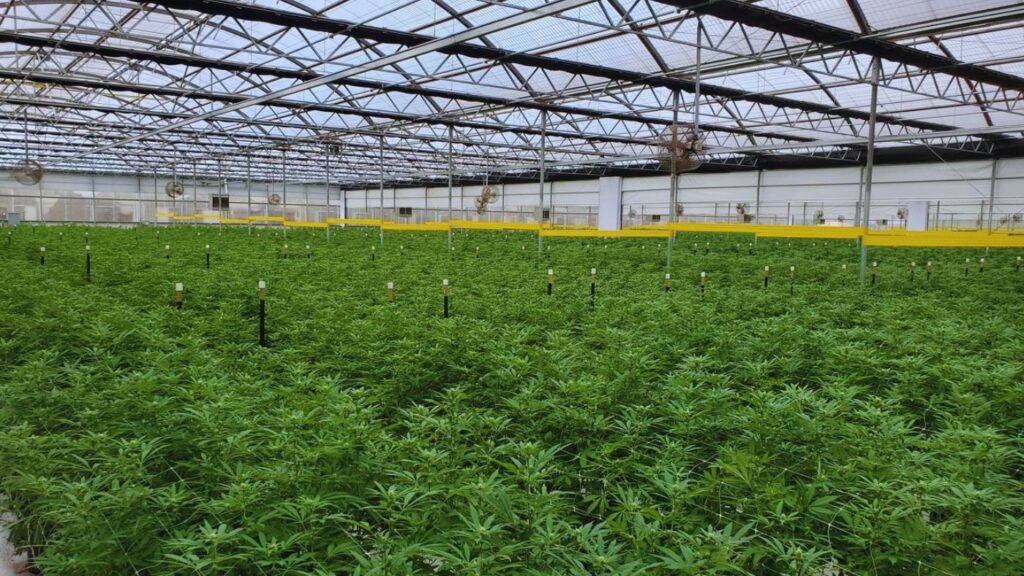 For operators whose strength is growing cannabis, Virginia’s emerging adult-use market presents a significant opportunity – and a cultivation license is the gateway to it. The June 2026 framework authorizes the Virginia Cannabis Control Authority (CCA) to begin accepting license applications on or after February 1, 2027 and issuing licenses on or after May 1, 2027. It also establishes five cultivation tiers with maximum canopies ranging from 5,000 to 35,000 square feet.