

Estimated reading time: 10 minutes
Table of contents
- Introduction
- The “Endorsement” Model: Why NJ is Different
- How to Obtain Your Endorsement: Step-by-Step
- New Jersey Cannabis Lounge Technical and Legal Hurdles
- Next Steps: Contact Catalyst BC For Guidance On Your New Jersey Cannabis Consumption Lounge License and Launch Strategy
- Success Stories: See How Catalyst BC Has Helped Cannabis Businesses Enter and Lead the Market
- New Jersey Cannabis Lounge Licensees and Applicants Also Ask:
- Additional Resources
- Free eBooks For Cannabis Business Success
- Latest Articles
Cliff Notes: Open a Cannabis Consumption Lounge in New Jersey
Objective: Understand the process, regulations, and compliance considerations required to open a licensed cannabis consumption lounge in New Jersey
Key Components:
- Framework: An “Endorsement” on a Class 5 Retail license, not a standalone class.
- Limit: One consumption area per business entity statewide.
- Application Fees: $1,000 total state fee; local fees vary by town.
- How to Apply: Secure a local resolution first, then apply via the NJ-CRC Licensing Portal with 6 mandated SOPs and ventilation plans.
- Engineering: Mandatory independent HVAC with negative pressure and odor scrubbers.
- Staffing: 8-hour annual Responsible Cannabis Vendor Training (RVT).
- Prohibitions: No sale of alcohol, tobacco, food, or “mocktails”.
- Hemp Update: April 13, 2026, introduces 5mg/10mg limits for hemp-derived social beverages.
Ready to launch a cannabis consumption lounge in New Jersey? Catalyst BC brings unmatched regulatory insight, licensing strategy, and operational expertise to help you secure your CRC endorsement and build a fully compliant, community-supported venue. From zoning navigation to SOP development and inspection readiness, we streamline the process so you can focus on growth. Learn more about our New Jersey cannabis consulting services or contact us today to schedule your free consultation.
Editors Notes: Originally published May 2025 last fully updated April 2026.
Introduction
As of April 2026, the New Jersey cannabis market has matured into a sophisticated $4 billion powerhouse. The initial “novelty” phase has passed, and the industry is now defined by “Hospitality 2.0,” where consumption areas are becoming social anchors for local tourism in hubs like Atlantic City, Newark, and Jersey City.
For prospective owners, success in 2026 requires more than a retail license; it demands a mastery of the Cannabis Consumption Area Endorsement framework, rigorous municipal negotiation, and “Pharma-Grade” technical compliance.
The “Endorsement” Model: Why NJ is Different
New Jersey does not offer a standalone “lounge license.” Instead, on-site consumption is an endorsement to an existing Class 5 Retailer license or a medical dispensary permit.
- The Single-Site Rule: Under N.J.S.A. 24:6I-21, an entity may operate only one cannabis consumption area in the state, regardless of how many dispensary locations they own.
- Eligibility: Only Class 5 Retailers in “good standing” are eligible. Currently, 70% of licensed businesses are diversely-owned, reflecting the state’s equity-first prioritization.
How to Obtain Your Endorsement: Step-by-Step
Obtaining an endorsement is a secondary regulatory process that runs parallel to or follows your retail licensure.
Step 1: Secure Local Resolution and Zoning
The NJ-CRC will automatically reject any application without explicit municipal support.
- Local Resolution: You must obtain a formal resolution from the municipal governing body specifically supporting the consumption area.
- Zoning Letter: A formal letter from a zoning official confirming the lounge space complies with all local “time, place, and manner” ordinances.
Step 2: The Technical NJ-CRC Application
Applications are submitted via the NJ-CRC Licensing Portal. As of April 2026, the fee structure is as follows:
| Fee Type | Amount |
| Submission Fee | $200 |
| Approval Fee | $800 |
| Total Endorsement Fee | $1,000 |
| Annual Renewal (Micro) | $1,000 |
| Annual Renewal (Standard) | $5,000 |
Step 3: Mandatory Standard Operating Procedures (SOPs)
Your application must include six specific, high-detail SOPs. Failure to provide granular detail in these areas is the leading cause of “Cure Letters” (deficiency notices):
- Safe Consumption Protocols: Managing dosage and preventing over-intoxication.
- Transfer of Cannabis: Ensuring products move securely from the retail counter to the lounge.
- Good Faith Verification: Procedures to ensure patrons only consume regulated NJ products (BYO is generally for medical patients only).
- Age Verification: 21+ checkpoints that mimic “Dram Shop” level scrutiny.
- Emergency Protocols: Detailed plans for adverse health events or security breaches.
- Waste Management: Destruction and disposal of unused or abandoned cannabis.
New Jersey Cannabis Lounge Technical and Legal Hurdles

1. Engineering and Ventilation (N.J.A.C. 5:23)
Indoor lounges must adhere to the Smoke-Free Air Act but are granted exceptions similar to cigar lounges if they meet strict HVAC subcodes.
- ASHRAE 62.1-2022: Systems must meet the latest ventilation standards for acceptable indoor air quality.
- Negative Pressure Zoning: The lounge must maintain negative air pressure relative to the retail floor to ensure zero smoke migration.
- Odor Mitigation: High-efficiency carbon scrubbing is required to prevent exterior odors from becoming a municipal “nuisance”.
2. The “No Food/Drink” Operational Reality
New Jersey remains the strictest market regarding ancillary sales.
- Prohibition: Dispensaries are forbidden from selling any food or beverages on-site. In 2025, High Rollers was fined $2,500 for serving “mocktails” and coffee.
- The Loophole: Patrons may have food delivered from nearby restaurants if the local government allows it.
- Hemp Beverage “Cliff”: Effective April 13, 2026, all hemp-derived beverages are limited to 5mg of THC per serving and 10mg per container.
3. Mandatory Staff Certification (RVT)
Every employee in a consumption area must complete the Responsible Cannabis Vendor Training (RVT).
- Seat Time: 8 hours of required, state-accredited training.
- Curriculum: Covers biology/chemistry of cannabis, recognizing impairment, and legal handling of products.
- Annual Renewal: This is not a one-time badge; it must be renewed every year.
4. Liability and Insurance (Dram Shop Compliance)
Because consumption lounges bear significant liability for patron intoxication, specialized insurance is mandatory.
- Carriers: Specialty firms like Conifer, MFE, and Admiral now provide “Cannabis Hospitality” policies that include General Liability, Product Liability, and specialized “Social Consumption” riders.
- Workplace Impairment Recognition Evaluators (WIRE): In March 2026, the CRC updated standards for WIRE certification, which businesses must now use to evaluate potential employee impairment on the clock.
Next Steps: Contact Catalyst BC For Guidance On Your New Jersey Cannabis Consumption Lounge License and Launch Strategy
Navigating the NJ-CRC portal while simultaneously negotiating a Host Community Agreement with a municipality is a high-stakes balancing act.
Our New Jersey Cannabis Consultants provide the expert consulting required to secure your endorsement in 2026. From designing ASHRAE-compliant HVAC schematics to drafting the six mandatory SOPs and training your staff for RVT certification, we ensure your facility exceeds state standards.
Contact us today for a tailored consultation and transition your NJ dispensary into a premier social destination.
Success Stories: See How Catalyst BC Has Helped Cannabis Businesses Enter and Lead the Market
From initial startup and facility build-outs to high-value exit strategies, our cannabis consultants provide the expertise needed to navigate the complexities of the legal cannabis industry.


New Jersey Cannabis Lounge Licensees and Applicants Also Ask:
You must first have an active Class 5 Retail license or medicinal permit. You then log into the NJ-CRC Licensing Portal and submit a “Consumption Area Endorsement” application.
No. Standalone lounges are prohibited. The space must be physically and legally attached to a licensed dispensary.
You need: 1) Municipal approval resolution, 2) Detailed floor plans, 3) Ventilation/HVAC plans, 4) Notarized attestation, and 5) Six specific SOPs covering safety and operations.
No. Licensed dispensaries cannot sell food or beverages. However, you can provide menus for delivery from local restaurants.
The Responsible Cannabis Vendor Training is an 8-hour mandated certification program for all staff handling cannabis or supervising consumption.
Yes. Medical patients are legally allowed to bring their own state-labeled medicinal products into the lounge, whereas recreational users must generally purchase on-site.
The annual fee is $1,000 for microbusinesses and $5,000 for standard businesses.
It is a technical engineering standard requiring negative pressure and carbon filtration to ensure that zero cannabis odor escapes into the surrounding neighborhood or building.
While membership models are being explored, standard retail endorsements generally rely on product sales. Consult with legal counsel on “Social Club” membership fee legality under current 2026 CRC rulings.
Yes. Operators are responsible for “Safe Consumption” protocols. Failure to monitor intoxication levels can lead to fines (up to $500,000) or license revocation.
Navigating the cannabis lounge space is complex—one misstep can delay your opening or jeopardize your license. A specialized New Jersey Cannabis Consultant brings deep regulatory knowledge, operational best practices, and hands-on project management. From initial concept and licensing to grand opening and ongoing compliance, Catalyst BC’s end-to-end New Jersey Cannabis Consulting services ensure you launch faster, stay compliant, and maximize profitability.
Additional Resources
Free eBooks For Cannabis Business Success




Latest Articles
- Virginia Cannabis Facility Design & Build-Out for the 2027 Market
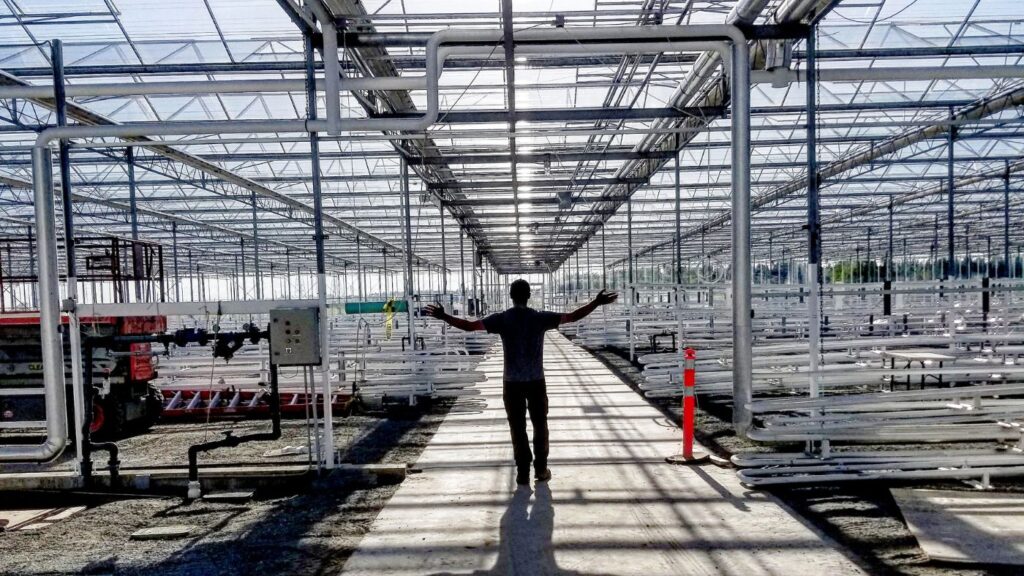 This guide covers the major considerations involved in planning and building a Virginia cannabis facility, with a focus on retail and cultivation operations and additional considerations relevant to processors and microbusinesses. It is written from the build side of the business, because that is where many otherwise-strong applicants stumble: they underestimate utility needs, local approvals, security infrastructure, commissioning, and the time required to convert a site into an inspection-ready operation.
 - Virginia Dual-Use Cannabis Conversion (2027): The $10M Medical-to-Adult-Use Pathway
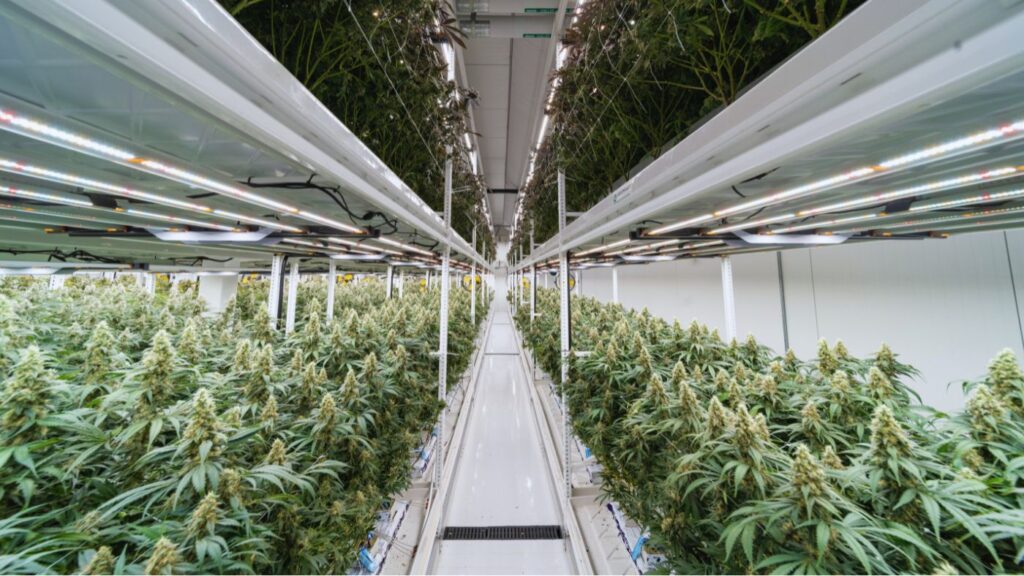 For Virginia’s existing medical cannabis operators, the 2026 retail framework created a distinct and high-stakes transition: pharmaceutical processors may apply for verification to exercise dual-use privileges and serve both registered medical patients and adult-use customers. The pathway covers the processor and its permitted cannabis dispensing facilities, and it carries a one-time $10 million fee, a required medical cannabis program preservation plan, an impact-licensee business accelerator commitment, and a firm May 1, 2027 payment or installment-plan deadline.
 - Virginia Impact Cannabis License (2027): Social Equity & the Equity Business Loan Fund
 Virginia’s adult-use cannabis framework creates a meaningful pathway for applicants from communities and backgrounds affected by cannabis prohibition and enforcement. The law does not create a separate, stand-alone impact license. Instead, it creates an impact-licensee designation that qualifying applicants may pursue alongside an underlying marijuana establishment license, such as retail, cultivation, processing, microbusiness, transportation, delivery, or testing.
 - Virginia Cannabis Microbusiness License (2027): Eligibility & the Two-Location Model
 This guide explains the initial eligibility pathways for the licenses the CCA may issue by May 1, 2027, the difference between a microbusiness license and an impact designation, the indoor and outdoor cultivation limits, the precise rules governing two locations, and the financial, security, and operational readiness standards applicants should prepare to demonstrate. Several implementation details – including fees and the specific combination of privileges the CCA will authorize – still depend on forthcoming regulations.
 - Virginia Cannabis Cultivation License (2027): The Tiered System Explained
 For operators whose strength is growing cannabis, Virginia’s emerging adult-use market presents a significant opportunity – and a cultivation license is the gateway to it. The June 2026 framework authorizes the Virginia Cannabis Control Authority (CCA) to begin accepting license applications on or after February 1, 2027 and issuing licenses on or after May 1, 2027. It also establishes five cultivation tiers with maximum canopies ranging from 5,000 to 35,000 square feet.
 - Virginia Cannabis Licensing (2027): The Complete Guide & License Resource Hub
 This guide is the hub for what you need to understand about Virginia cannabis licensing in 2027: how the Commonwealth arrived here, what the enacted framework establishes, the principal license types, the implementation timeline, and where to go deeper on each part of the process.