

Estimated reading time: 6 minutes
Table of contents
Cliff Notes: DC Cannabis Lounge Vs. Private Cannabis Club Explained
Objective:
Build a strong cannabis brand using effective branding elements and a comprehensive marketing strategy that includes digital strategies, influencer partnerships, and consumer education.
Key Components:
- Retail cannabis sales are illegal in DC due to federal law; no public cannabis lounge licenses currently exist.
- Public consumption of cannabis is prohibited and subject to fines under DC law.
- DC considered private cannabis clubs in 2016 but found legalization premature; no formal path to lounge licensing exists yet.
- Only legal consumption areas are private residences or medical-use facilities.
- Prospective entrepreneurs must follow a 501(c)(7) private social club model with strict membership, zoning, and non-profit compliance.
For guidance, Catalyst BC cannabis consultants help navigate zoning, regulations, and prepare for future licensing. Our team provides end-to-end consulting, legal readiness assessments, and strategic planning for cannabis hospitality ventures in DC. Learn about all of our cannabis consulting services or Book a Complimentary Consultation today.
Overview
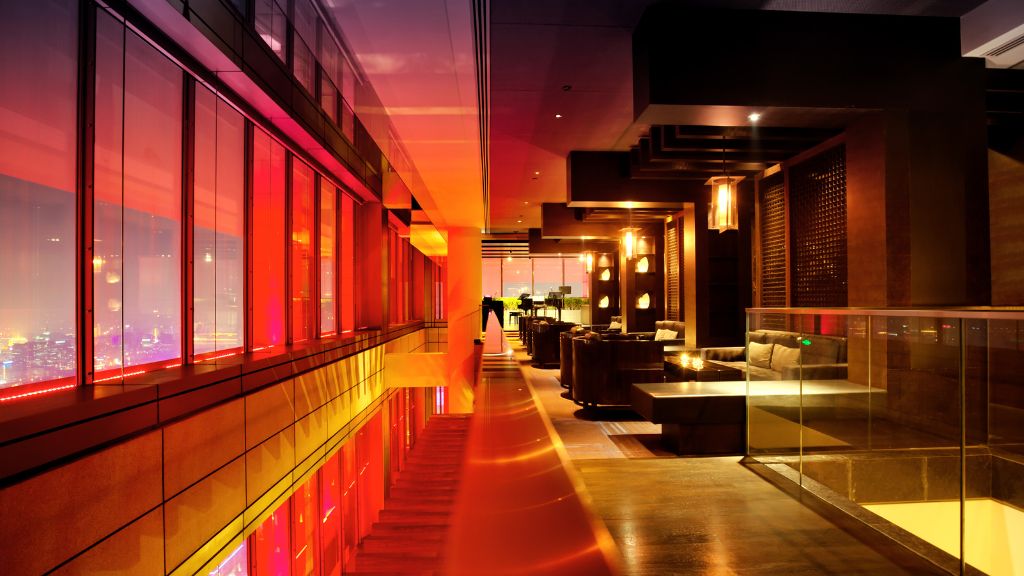
In the District of Columbia, cannabis use and possession by adults 21+ is broadly decriminalized, but retail sales remain illegal due to federal restrictions. Unlike jurisdictions with regulated adult-use sales, D.C. has no state-sanctioned retail market, which means there is no official license for public consumption lounges. Public consumption of marijuana is explicitly prohibited under D.C. law (fine up to $100) and the city has only considered private club models.
In 2016 Mayor Bowser convened a Marijuana Private Club Task Force to study “private cannabis clubs,” but the panel concluded that “advocating for Marijuana Private Clubs at this time would be premature”. The Task Force noted federal illegality and lack of regulation as barriers. In short, no public “cannabis lounge” permit exists in D.C.; entrepreneurs must focus on private membership events or await legislative change.
Entrepreneurs should nonetheless stay aware of potential regulatory changes. If D.C. ever authorizes on-site consumption, applicants will need to navigate both ABCA (Alcoholic Beverage) rules and DC Department of Health regulations, and secure the host location.
For now, the only lawful consumption is private (e.g. in homes) or at approved medical facilities. Public or “open” lounges would violate both the Clean Air Act’s anti-smoking rules and D.C. restrictions. Prospective operators should plan steps like: confirming local zoning will allow cannabis-friendly private clubs, developing strict membership policies (e.g. DC residency, no intoxicated entry), and preparing to comply with IRS non-profit requirements (since private clubs must be 501(c)(7) social clubs under DC law).
Key Compliance Risks
Operating any public cannabis lounge in D.C. today would expose you to enforcement under the Controlled Substances Act or DC’s strict public consumption laws. Until an enabling law is passed, the safest path is a members-only club model analogous to Washington, DC’s private social clubs (with limits on membership, guest logging, and no cannabis sales on-site). Our cannabis consultants can help ensure your plan fits within current law and prepares for a future licensing program.
Why Hire a Cannabis Consultant?
Contact Catalyst BC’s cannabis consultants to assess your DC operation plan. Our experts will advise on legal trends and licensing pathways once DC authorizes any cannabis lounges.
Learn about all of our cannabis consulting services or Book a Complimentary Consultation today.
Washington DC Cannabis Lounge FAQs
No – DC has no regulatory license for public consumption. Only private membership clubs (no public sales) are possible under a 501(c)(7) model.
Clubs must be non-profit, membership-based, have Washington DC members, and obtain DC Alcoholic Beverage regs (no alcohol service).
Private club law recommends limiting members to DC residents, although it’s not explicitly prohibited, this avoids legal issues.
No – public consumption is illegal everywhere in DC; no permits allow on-site use in hospitality venues.
Since there are no dispensaries, this scenario is unlikely until Congress allows sales and an enabling law passes.
All public places are covered by DC’s Clean Air Act and pot ban – no exceptions for outdoor patios or cafes.
Monitor DC Council actions and DC Department of Health announcements. Legislative changes (via Initiative or Council act) would be publicized.
Yes. Even if DC allowed lounges, federal law still bans marijuana. That’s why past DC regulators urged caution.
Not yet. Some have proposed allowing cannabis on private hotel terraces or cruise ships, but nothing official is in place.
Yes – District of Columbia cannabis lounge expertise can guide you on legal strategies and readiness for future licensing.
Additional Resources
Free eBooks For Cannabis Business Success




Latest Articles
- How Much Does It Cost to Open a Dispensary in 2026?
 The allure of jumping into the legalized cannabis industry often paints a picture of quick riches and burgeoning demand, yet the reality of establishing a licensed cannabis dispensary is far more nuanced, capital-intensive, and fraught with unique financial challenges. For aspiring entrepreneurs and seasoned investors alike, understanding the true dispensary startup costs is the absolute bedrock of success.
 - Virginia Cannabis Facility Design & Build-Out for the 2027 Market
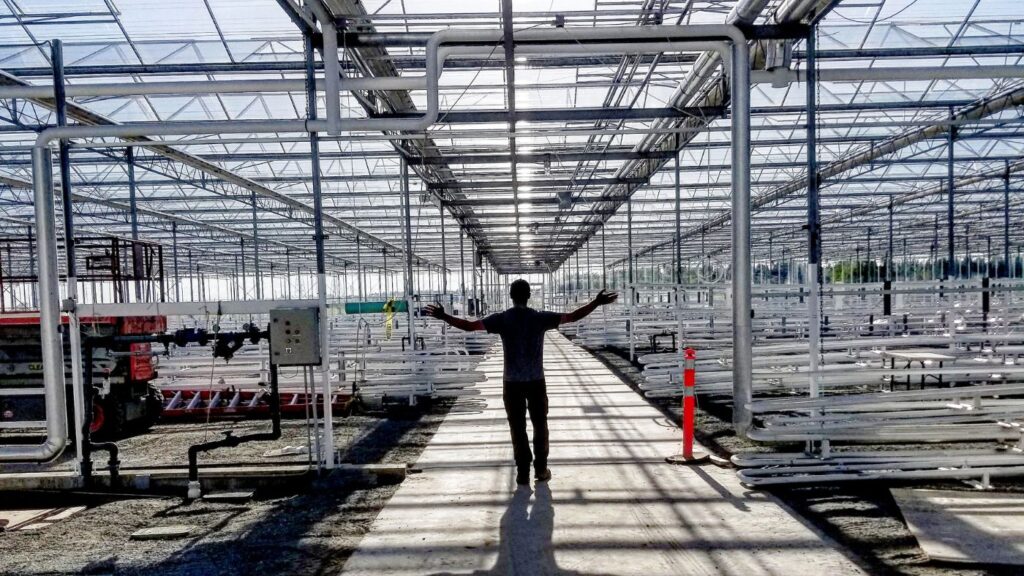 This guide covers the major considerations involved in planning and building a Virginia cannabis facility, with a focus on retail and cultivation operations and additional considerations relevant to processors and microbusinesses. It is written from the build side of the business, because that is where many otherwise-strong applicants stumble: they underestimate utility needs, local approvals, security infrastructure, commissioning, and the time required to convert a site into an inspection-ready operation.
 - Virginia Dual-Use Cannabis Conversion (2027): The $10M Medical-to-Adult-Use Pathway
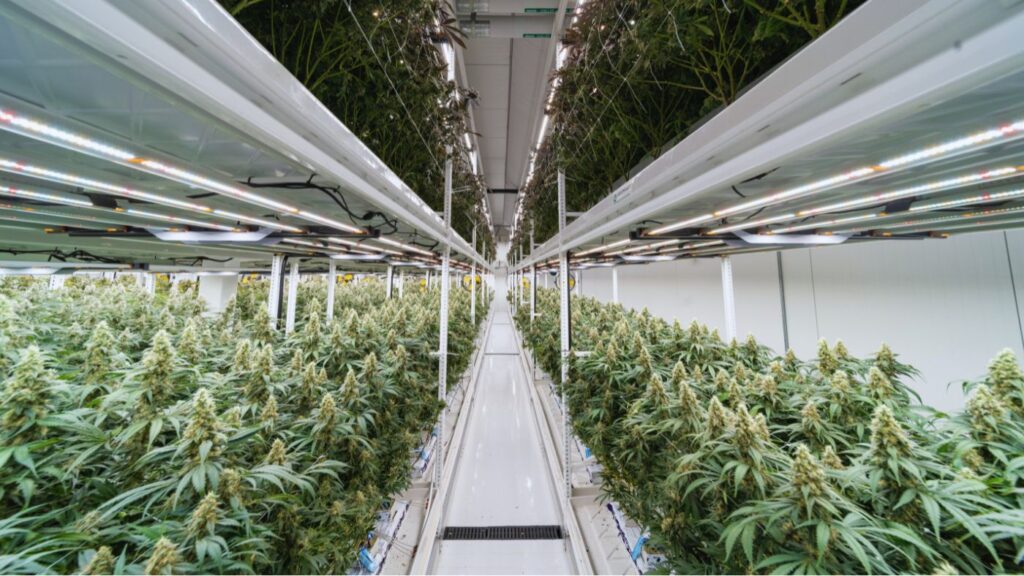 For Virginia’s existing medical cannabis operators, the 2026 retail framework created a distinct and high-stakes transition: pharmaceutical processors may apply for verification to exercise dual-use privileges and serve both registered medical patients and adult-use customers. The pathway covers the processor and its permitted cannabis dispensing facilities, and it carries a one-time $10 million fee, a required medical cannabis program preservation plan, an impact-licensee business accelerator commitment, and a firm May 1, 2027 payment or installment-plan deadline.
 - Virginia Impact Cannabis License (2027): Social Equity & the Equity Business Loan Fund
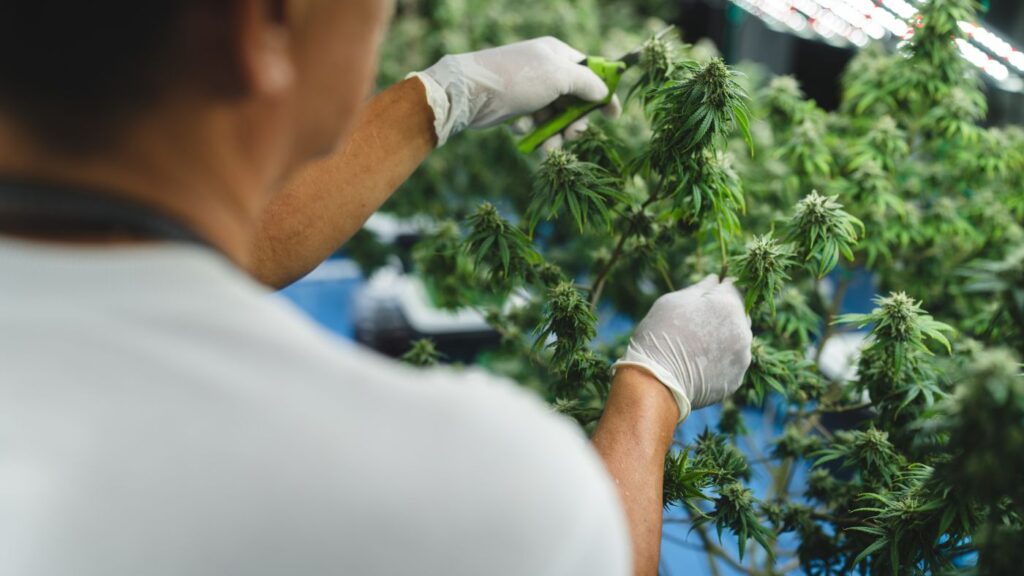 Virginia’s adult-use cannabis framework creates a meaningful pathway for applicants from communities and backgrounds affected by cannabis prohibition and enforcement. The law does not create a separate, stand-alone impact license. Instead, it creates an impact-licensee designation that qualifying applicants may pursue alongside an underlying marijuana establishment license, such as retail, cultivation, processing, microbusiness, transportation, delivery, or testing.
 - Virginia Cannabis Microbusiness License (2027): Eligibility & the Two-Location Model
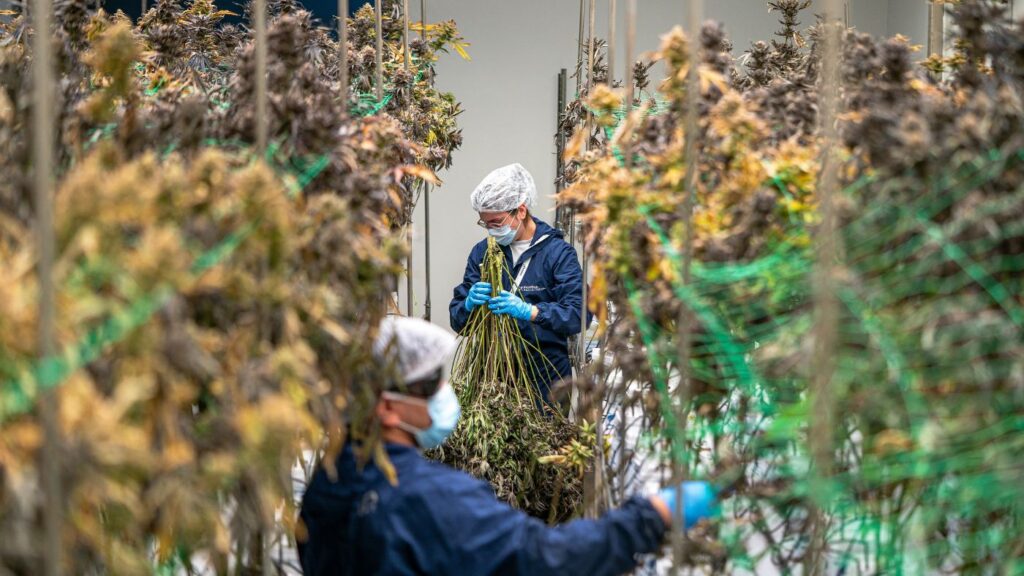 This guide explains the initial eligibility pathways for the licenses the CCA may issue by May 1, 2027, the difference between a microbusiness license and an impact designation, the indoor and outdoor cultivation limits, the precise rules governing two locations, and the financial, security, and operational readiness standards applicants should prepare to demonstrate. Several implementation details – including fees and the specific combination of privileges the CCA will authorize – still depend on forthcoming regulations.
 - Virginia Cannabis Cultivation License (2027): The Tiered System Explained
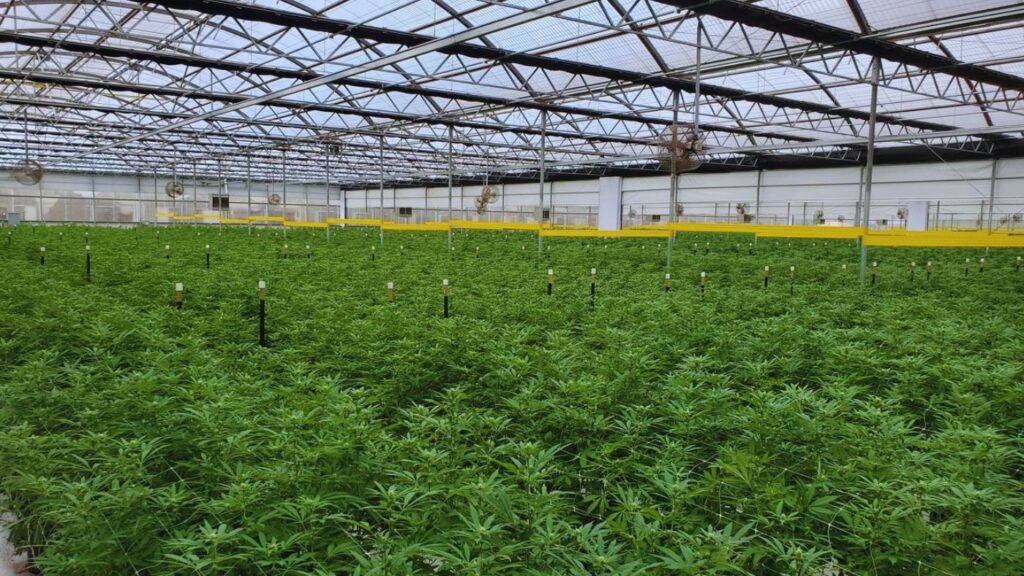 For operators whose strength is growing cannabis, Virginia’s emerging adult-use market presents a significant opportunity – and a cultivation license is the gateway to it. The June 2026 framework authorizes the Virginia Cannabis Control Authority (CCA) to begin accepting license applications on or after February 1, 2027 and issuing licenses on or after May 1, 2027. It also establishes five cultivation tiers with maximum canopies ranging from 5,000 to 35,000 square feet.