
Estimated reading time: 7 minutes
Table of contents
Cliff Notes: Applying for a Nebraska Cannabis Cultivation License Overview
Objective: Understand general requirements, deadlines, and competitive challenges of applying for a Nebraska Cannabis Cultivation License and why partnering with expert cannabis consultants is critical for maximizing application success.
Key Components:
- Application window runs September 4–23, 2025.
- Only four cultivation licenses will be awarded statewide.
- Applicants must prove Nebraska residency for 4+ years.
- Strict limits of 1,250 flowering plants per cultivator apply.
- Detailed business plan, financials, and facility design are required.
- Experienced cannabis consultants improve application success rates.
Secure your competitive edge in Nebraska’s limited licensing round. Contact Catalyst BC’s Cannabis Consultants today to maximize your chances of winning a Nebraska Cannabis Cultivation License.
Introduction
Nebraska’s long-awaited medical cannabis program has reached a pivotal milestone: applications for Cannabis Cultivation Licenses are officially open from September 4 through September 23, 2025. With only four cultivation licenses available statewide, and each capped at 1,250 flowering plants, the competition will be intense.
If you are serious about becoming one of Nebraska’s first licensed cultivators, now is the time to prepare your application with precision, compliance, and a strong business foundation.
Key Details on the Nebraska Cultivation License Application
Application Period: September 4 – September 23, 2025
- Submitting Applications:
- Email to: mcc.contact@nebraska.gov
- Or mail to: Nebraska Medical Cannabis Commission, PO Box 95046, Lincoln, NE 68509
- Application Fee: None at this time
- License Caps:
- 4 Cultivators
- 4 Processors
- 12 Dispensaries (future application dates TBD. Prepare ahead of time with guidance from Catalyst BC to gain a competitive advantage)
- Plant Limits: Maximum of 1,250 flowering plants per cultivator
- Product Restrictions: No smokable, vaporizable, or edible cannabis products; only capsules, tablets, tinctures, gels, oils, creams, or topicals are permitted
What You’ll Need for Your Application
Applicants must complete the Registered Cannabis Establishment Application Form and provide detailed supporting documentation. Core requirements include:
- Applicant Information – For individuals and entities, including ownership details for anyone holding more than 5% equity or voting interest.
- Proposed Facility Location – With proof of ownership or lease agreement.
- Business Plan & Financial Documentation – Including:
- Proof of financial capacity
- Facility design and operational readiness
- Leadership team qualifications and prior regulated industry experience
- Cultivation expertise (if applicable)
- 12-month financial projections
- Criminal History Record – Submitted through the Nebraska State Patrol.
- Residency Requirements – Applicants must be U.S. citizens and Nebraska residents for at least 4 years. Majority ownership must also meet these residency requirements.
- Signed Attestation – Affirming compliance with Nebraska law and regulations.
Challenges Facing Nebraska Cultivators
Nebraska’s medical cannabis program is one of the most restrictive in the U.S.:
- Plant Caps: With only 1,250 flowering plants allowed per cultivator, many industry experts fear supply shortages that could limit patient access.
- Product Restrictions: No edibles, flower, or vape products—leaving only tinctures, capsules, topicals, and oils.
- License Caps: Just four cultivators in the entire state, making this application process highly competitive.
These challenges mean your application must stand out not only in compliance but also in demonstrating operational readiness, financial stability, and a plan to maximize patient access within the state’s narrow regulations.
Why Work with Catalyst BC
Catalyst BC has supported cannabis entrepreneurs and investors across the U.S. and globally in securing licenses and building successful operations in highly competitive and restrictive markets. With over 60 years of combined experience, our team brings:
- Proven License Success – Over 57+ licenses won for cultivation, manufacturing, and retail operations.
- Facility Design & Compliance Expertise – More than 11 million sq. ft. of cannabis facilities designed with zero compliance infractions.
- Operational Readiness – 3,000+ compliant harvests with zero product recalls.
- Strategic Application Development – Our experts understand how to craft compelling narratives, airtight compliance documentation, and financial models that win approval.
In Nebraska’s limited-license environment, working with an experienced Nebraska cannabis consulting team isn’t optional—it’s your competitive edge.
Contact Catalyst BC Cannabis Consultants today to secure your place as one of Nebraska’s first licensed cannabis business professionals. We’ll help you navigate compliance, build a strong application, and position your business for long-term success in this emerging market.
Nebraska Cannabis Cultivation License FAQs
The Nebraska Cannabis Cultivation License, also called the Nebraska Marijuana Grower License, allows operators to legally cultivate medical cannabis under the state’s new program. Applicants must be U.S. citizens, Nebraska residents for at least four years, and able to demonstrate financial readiness, facility design compliance, and business experience.
The Nebraska Cannabis Cultivation License application period runs from September 4 through September 23, 2025. Applications can be submitted by email or mailed directly to the Nebraska Medical Cannabis Commission.
Nebraska will issue only four cultivation licenses statewide. These Nebraska Cannabis Grow Licenses are highly competitive, making it essential to prepare a detailed and compliant application.
Licensed cultivators will be limited to 1,250 flowering plants under Nebraska marijuana production rules. This cap is one of the strictest in the country and reinforces the importance of efficiency and compliance.
Applicants must provide a completed license form, proof of Nebraska residency, financial capability statements, a detailed business plan, facility design documentation, criminal history checks, and signed attestations.
The Nebraska Medical Cannabis Program enforces strict regulations, including plant count limits, residency requirements, and restrictions on product forms. Compliance is key to maintaining a Nebraska Cultivator License.
Applicants must navigate limited license availability, strict residency rules, financial proof requirements, and evolving political opposition. Working with Nebraska cannabis consultants can help overcome these challenges.
No. Only U.S. citizens who have been residents of Nebraska for at least four years may apply for a Nebraska Cannabis Cultivation License or related cannabis establishment permits.
Cannabis consultants provide expertise in application preparation, facility design, business planning, and compliance with Nebraska marijuana laws. Their guidance can significantly improve success rates in a competitive licensing round.
With only four Nebraska Cannabis Cultivation Licenses available, competition is fierce. Experienced cannabis consultants help applicants align financial, operational, and compliance requirements to maximize success.
Additional Resources
Free eBooks For Cannabis Business Success




Latest Articles
- Missouri Cannabis Licensing & Business Opportunities 2026
 Missouri has established itself as the premier success story for cannabis in the Midwest, evolving from a standard medical regime to a high-volume adult-use market that exceeded $1.52 billion in annual sales in 2025. As the market enters the 2026–2027 biennium, the landscape is shifting from rapid expansion toward operational maturation and specialized entry.
 - North Carolina Cannabis Licensing & Business Opportunities 2026
 North Carolina remains one of the final significant jurisdictions in the United States without a comprehensive medical or adult-use cannabis program. However, the 2026–2027 biennium is projected to be the most consequential period in the state’s cannabis history. Driven by the formation of the North Carolina Advisory Council on Cannabis and an impending federal “hemp cliff,” the state is moving from a period of passive prohibition toward a structured, albeit highly restrictive, regulatory framework.
 - Nebraska Cannabis Licensing & Business Opportunities 2026
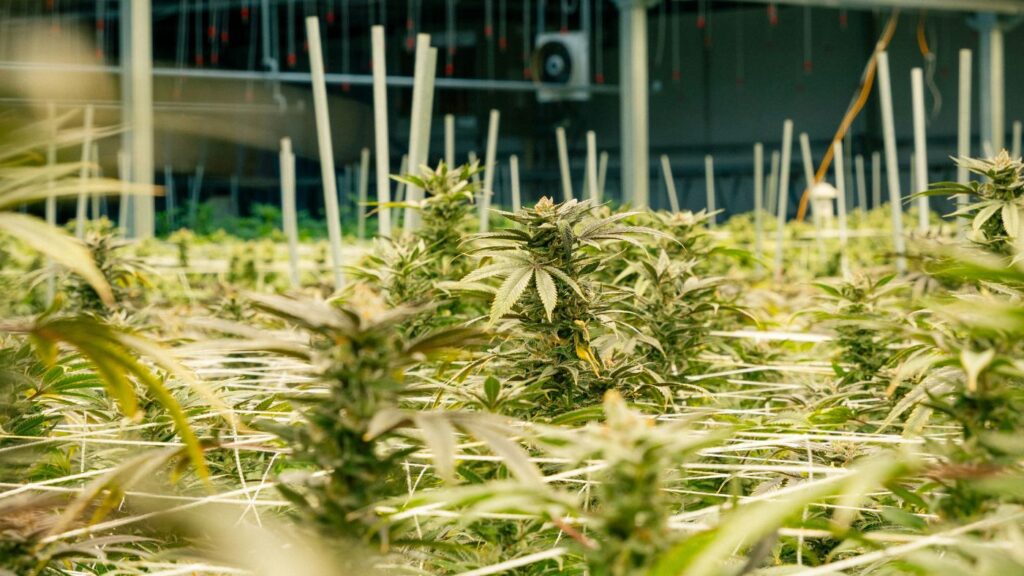 Nebraska is entering the 2026–2027 biennium at a historic crossroads. Following the 71% voter approval of Initiatives 437 and 438 in late 2024—the largest margin for a medical cannabis initiative in U.S. history—the state is currently standing up its first regulated medical infrastructure.
 - Florida Cannabis Licensing & Business Opportunities 2026
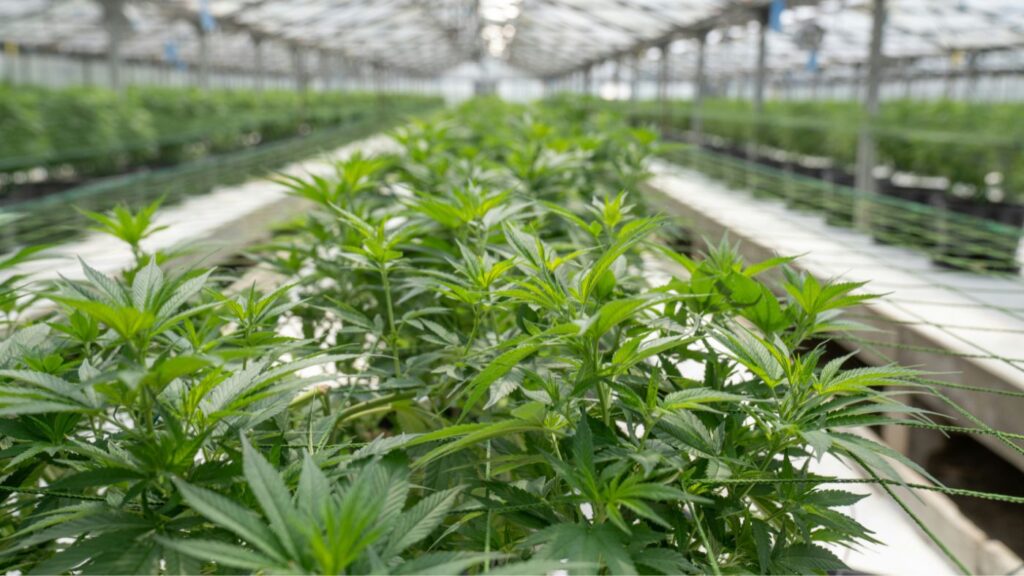 Florida represents the most capital-intensive and professionally structured cannabis market in the nation. As of 2026, the state is at a crossroads: it is both expanding its mature medical program and preparing for a potential constitutional shift toward universal adult-use access. On November 3, 2026, Florida voters will decide on the Marijuana Legalization Initiative (Amendment 3). Passing this requires a 60% supermajority—a high threshold, but one that polls suggest is within reach.
 - Virginia Cannabis Licensing & Business Opportunities 2026
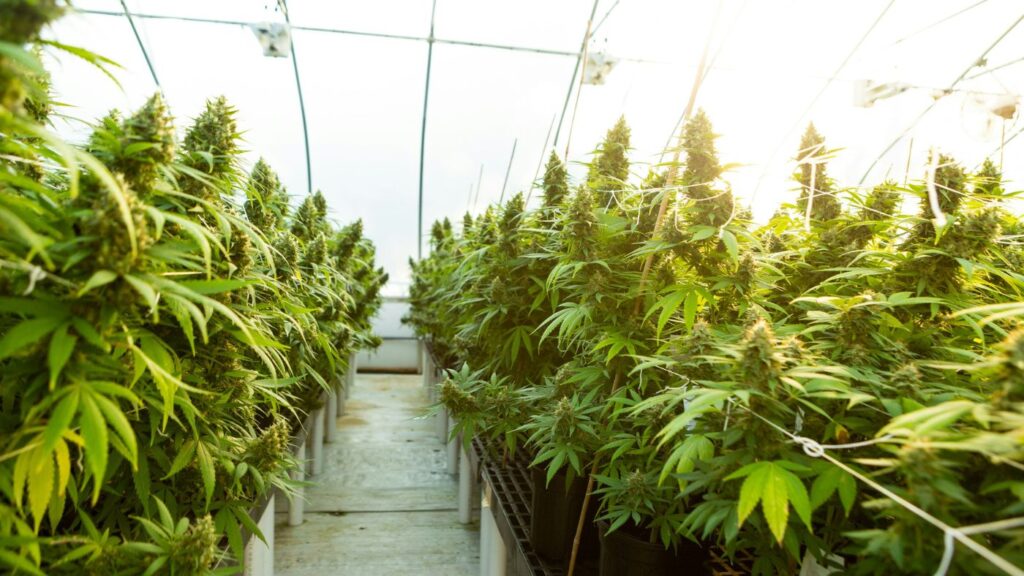 As Virginia transitions from its current “possession-only” model toward a fully regulated retail market, the 2026–2027 biennium represents a once-in-a-generation window for market entry. Unlike the vertically integrated “medical-only” regimes of the past, Virginia’s upcoming framework focuses on decentralization, specifically architected to favor small Virginia-based operators over large multi-state corporations.
 - Minnesota Cannabis Licensing & Business Opportunities 2026
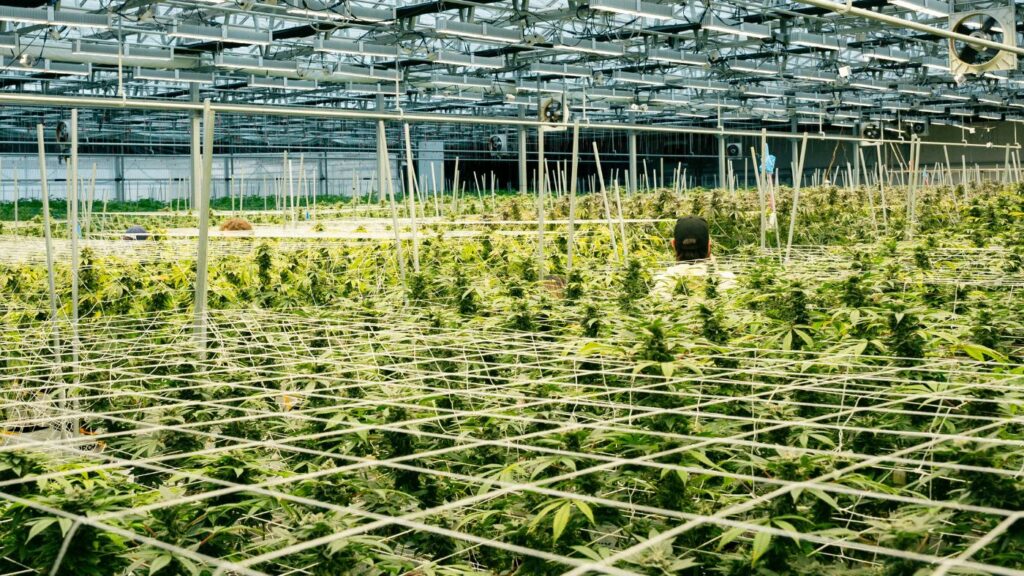 Minnesota is currently undergoing a transformative shift in its cannabis landscape, moving from a semi-regulated hemp-derived market toward a fully comprehensive adult-use framework. Overseen by the Office of Cannabis Management (OCM), the 2026–2027 biennium represents the critical “enforcement phase” where temporary registrations sunset and permanent, merit-based licenses define the market’s long-term leaders.