

Estimated reading time: 7 minutes
Table of contents
- Introduction
- Why Early Preparation Is Essential
- Nebraska Cannabis Dispensary License Requirements
- Nebraska Cannabis Processing License Requirements
- How to Compete for Nebraska Cannabis Licenses
- Why Partner with Catalyst BC?
- Nebraska Cannabis Dispensary License FAQs
- Additional Resources
- Free eBooks For Cannabis Business Success
- Latest Articles
Cliff Notes: Applying for a Nebraska Cannabis Dispensary or Processor License Overview
Objective: Nebraska is preparing to release a limited number of cannabis dispensary and processing licenses, creating a highly competitive application process. To succeed, applicants must understand the competitiveness and prepare detailed, compliant applications well in advance of the deadlines.
Key Components:
- Only 12 Nebraska cannabis dispensary licenses and 4 processing permits will be issued.
- Applications require detailed financial, security, and compliance plans.
- Early preparation provides a competitive advantage.
- Dispensary licenses focus on retail operations and community engagement.
- Processing licenses require facility design, SOPs, and product safety systems.
- Working with an expert consultant increases your chances of approval.
Are you preparing for a Nebraska cannabis dispensary license or processing permit? Contact Catalyst BC today to start building a winning application.
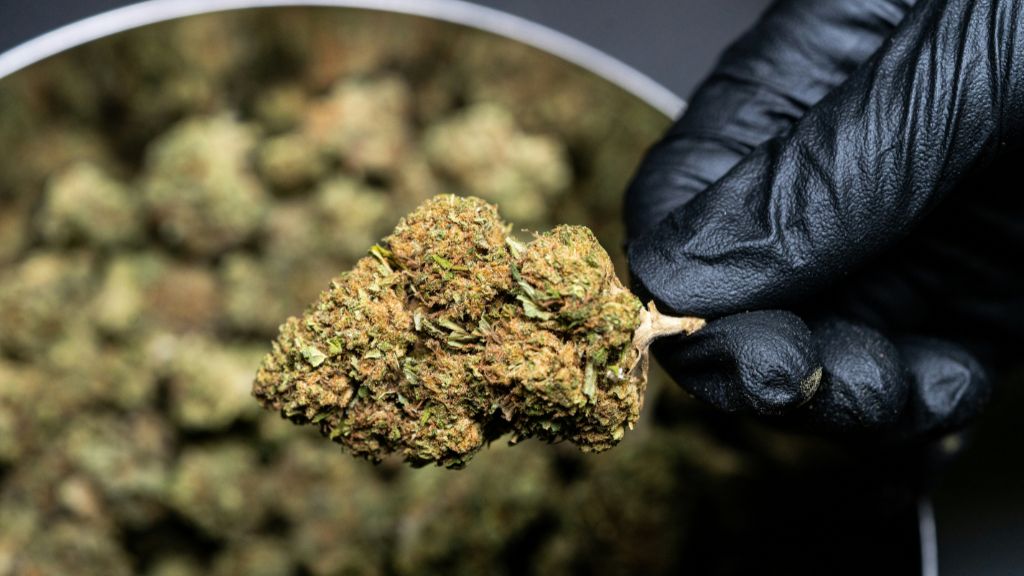
Introduction
The upcoming release of the Nebraska Cannabis Dispensary License and limited processing licenses represents a unique but highly competitive opportunity for entrepreneurs. With just 12 dispensary licenses and 4 processor permits expected, Nebraska’s cannabis market will be difficult to enter without careful planning. Early preparation will give applicants the best chance of success by ensuring compliance, financial readiness, and operational excellence.
Nebraska currently is accepting cannabis cultivation applications September 4 – September 23, 2025. Applicants must complete the Registered Cannabis Establishment Application Form and provide detailed supporting documentation. Nebraska cannabis business applications for dispensary and processor licenses will open at a later date TBD. Preparing for Nebraska cannabis licensing (dispensaries and processors) should start now to ensure your application and documentation is air tight and ready to go.
Why Early Preparation Is Essential
Securing a Nebraska cannabis dispensary license or processor permit is not as simple as filling out paperwork. Applications require extensive documentation, community engagement, and operational strategies. Key reasons to start preparing now include:
- Limited licenses: Only 12 retail cannabis licenses and 4 processing licenses will be issued.
- High standards: Applicants must submit business plans, security strategies, and compliance frameworks.
- Time investment: Developing SOPs, financial models, and retail or processing facility designs takes months.
- Competitive advantage: Early preparation helps demonstrate professionalism, financial stability, and regulatory readiness.
Nebraska Cannabis Dispensary License Requirements
Dispensaries will serve as the access point between cannabis products and consumers. To secure a Nebraska marijuana dispensary permit, applicants should prepare for:
- Community integration: Outreach and social responsibility programs.
- Financial proof: Audited financials to prove stability.
- Security measures: Robust plans covering surveillance, access control, and theft prevention.
- Operational strategy: Inventory control, customer compliance, and employee training plans.
Nebraska Cannabis Processing License Requirements
Cannabis processors will play a key role in transforming raw material into consumer-ready products. A Nebraska cannabis processing license will require:
- Facility design: Workflow planning to meet strict sanitation and safety standards.
- Quality control systems: Ensuring consistency and compliance across product lines.
- Compliant SOPs: Extraction, packaging, and testing procedures.
- Product planning: Portfolio strategies that demonstrate scalability and innovation.
How to Compete for Nebraska Cannabis Licenses
Winning a Nebraska cannabis dispensary license or processor authorization will require:
- Assembling your team early: Advisors, legal experts, and Nebraska cannabis consultants should be engaged well before deadlines.
- Building comprehensive SOPs: Strong operational readiness is a critical evaluation factor.
- Financial planning: Applicants must show sustainability and compliance with state financial guidelines.
- Leveraging consultants: Cannabis experts can help applicants navigate Nebraska’s complex regulatory system and avoid common pitfalls.
Why Partner with Catalyst BC?
Catalyst BC has successfully supported clients through licensing in some of the toughest U.S. cannabis markets. For Nebraska applicants, we provide:
- Proven success securing 57+ cannabis licenses nationwide.
- Expertise in license application development, compliance, and operational planning.
- Deep industry experience in facility design, financial modeling, and retail strategy.
With limited Nebraska cannabis dispensary licenses and processor permits available Catalyst BC can help you stand out in a crowded field. From navigating the unique Nebraska cannabis compliance requirements to
Are you preparing for a Nebraska cannabis dispensary license or processing license? Don’t wait for deadlines to be announced—position your application now for the best chance of approval. Contact Catalyst BC’s Nebraska Cannabis Consultants today to get started.
Nebraska Cannabis Dispensary License FAQs
A Nebraska cannabis dispensary license is the state-issued authorization allowing entrepreneurs to operate a cannabis retail location legally.
Currently, Nebraska plans to issue only 12 cannabis retail licenses, making the process extremely competitive.
Processor applicants must demonstrate facility design, quality assurance, and compliant SOPs for cannabis extraction and product manufacturing. Having a through understanding of Nebraska cannabis compliance requirements will be crucial.
Preparing for Nebraska cannabis licensing, regardless of the license type you pursue, typically includes building financial models, security plans, operational SOPs, and a community outreach strategy.
With just 12 dispensary licenses and 4 processor permits available, demand will far exceed supply. Preparing for Nebraska cannabis licensing early is highly recommend to ensure all paperwork and documentation is air tight. Nebraska cannabis business application will be heavily scrutinized given the limited licenses available.
Incomplete or vague applications are likely to be disqualified, which is why detailed documentation is critical.
Yes, applicants may pursue multiple license types if they can demonstrate compliance, financial stability, and operational readiness. It’s highly recommended to study the Nebraska cannabis compliance requirements to ensure your application addresses the unique compliance requirements of each license type.
Compliance is central—applications must address state cannabis laws, operational standards, and regulatory reporting.
Depending on scope, it may take several months to develop business plans, SOPs, and financial forecasting models. Starting early is key to a successful Nebraska cannabis business application.
Catalyst BC provides turnkey support including license writing, compliance frameworks, financial planning, and facility design to increase your chances of approval.
Additional Resources
Free eBooks For Cannabis Business Success




Latest Articles
- How Much Does It Cost to Open a Dispensary in 2026?
 The allure of jumping into the legalized cannabis industry often paints a picture of quick riches and burgeoning demand, yet the reality of establishing a licensed cannabis dispensary is far more nuanced, capital-intensive, and fraught with unique financial challenges. For aspiring entrepreneurs and seasoned investors alike, understanding the true dispensary startup costs is the absolute bedrock of success.
 - Virginia Cannabis Facility Design & Build-Out for the 2027 Market
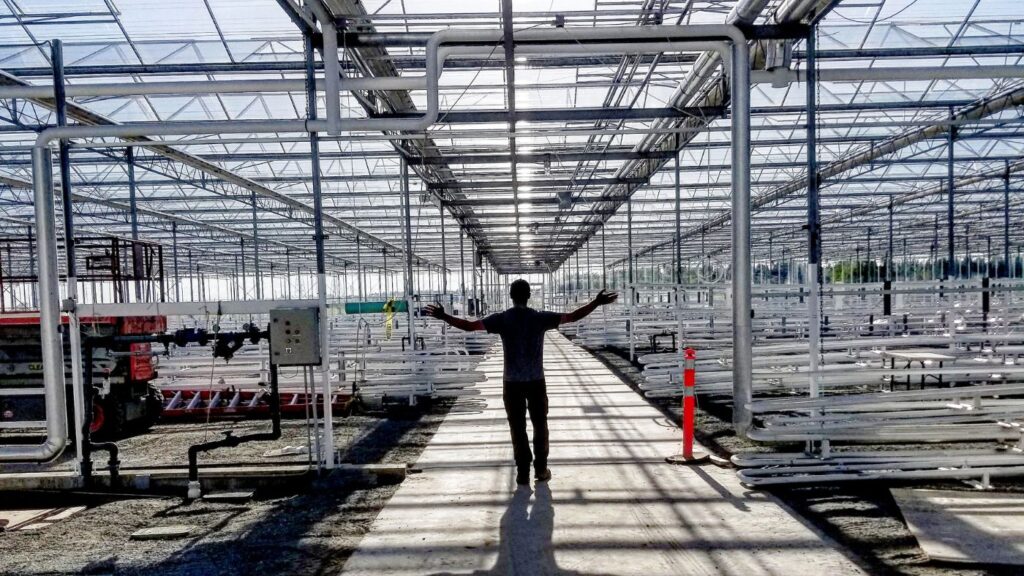 This guide covers the major considerations involved in planning and building a Virginia cannabis facility, with a focus on retail and cultivation operations and additional considerations relevant to processors and microbusinesses. It is written from the build side of the business, because that is where many otherwise-strong applicants stumble: they underestimate utility needs, local approvals, security infrastructure, commissioning, and the time required to convert a site into an inspection-ready operation.
 - Virginia Dual-Use Cannabis Conversion (2027): The $10M Medical-to-Adult-Use Pathway
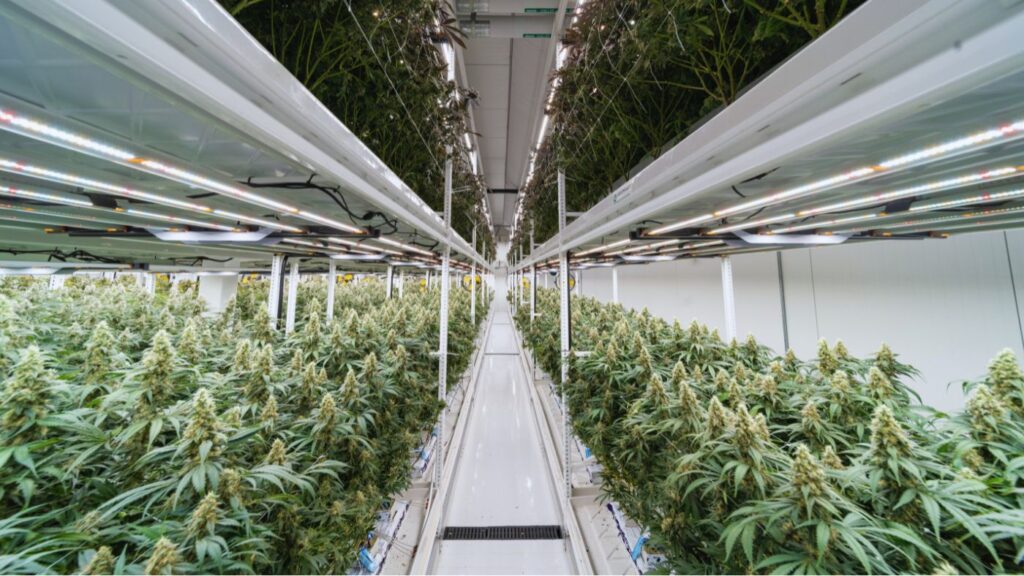 For Virginia’s existing medical cannabis operators, the 2026 retail framework created a distinct and high-stakes transition: pharmaceutical processors may apply for verification to exercise dual-use privileges and serve both registered medical patients and adult-use customers. The pathway covers the processor and its permitted cannabis dispensing facilities, and it carries a one-time $10 million fee, a required medical cannabis program preservation plan, an impact-licensee business accelerator commitment, and a firm May 1, 2027 payment or installment-plan deadline.
 - Virginia Impact Cannabis License (2027): Social Equity & the Equity Business Loan Fund
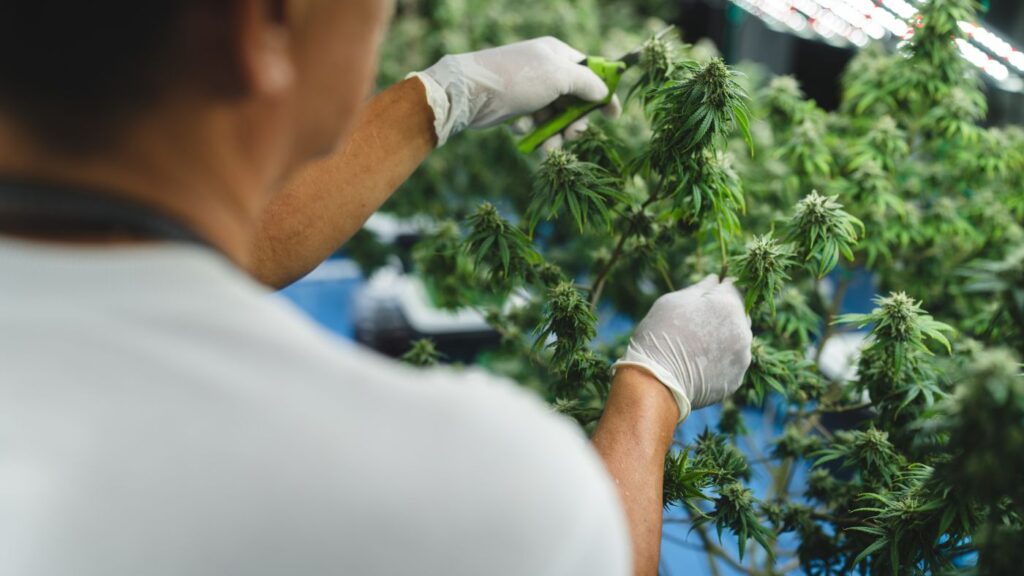 Virginia’s adult-use cannabis framework creates a meaningful pathway for applicants from communities and backgrounds affected by cannabis prohibition and enforcement. The law does not create a separate, stand-alone impact license. Instead, it creates an impact-licensee designation that qualifying applicants may pursue alongside an underlying marijuana establishment license, such as retail, cultivation, processing, microbusiness, transportation, delivery, or testing.
 - Virginia Cannabis Microbusiness License (2027): Eligibility & the Two-Location Model
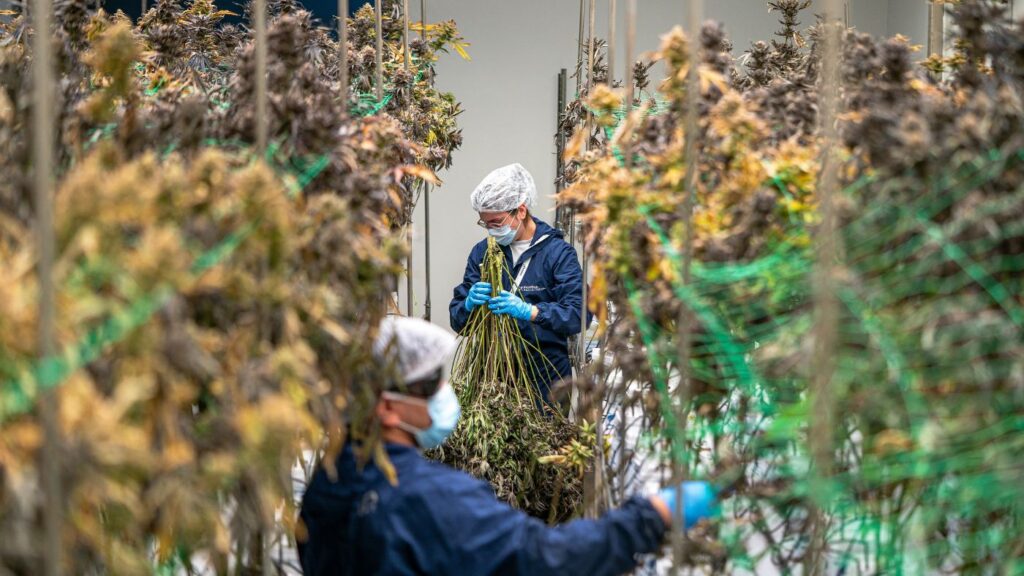 This guide explains the initial eligibility pathways for the licenses the CCA may issue by May 1, 2027, the difference between a microbusiness license and an impact designation, the indoor and outdoor cultivation limits, the precise rules governing two locations, and the financial, security, and operational readiness standards applicants should prepare to demonstrate. Several implementation details – including fees and the specific combination of privileges the CCA will authorize – still depend on forthcoming regulations.
 - Virginia Cannabis Cultivation License (2027): The Tiered System Explained
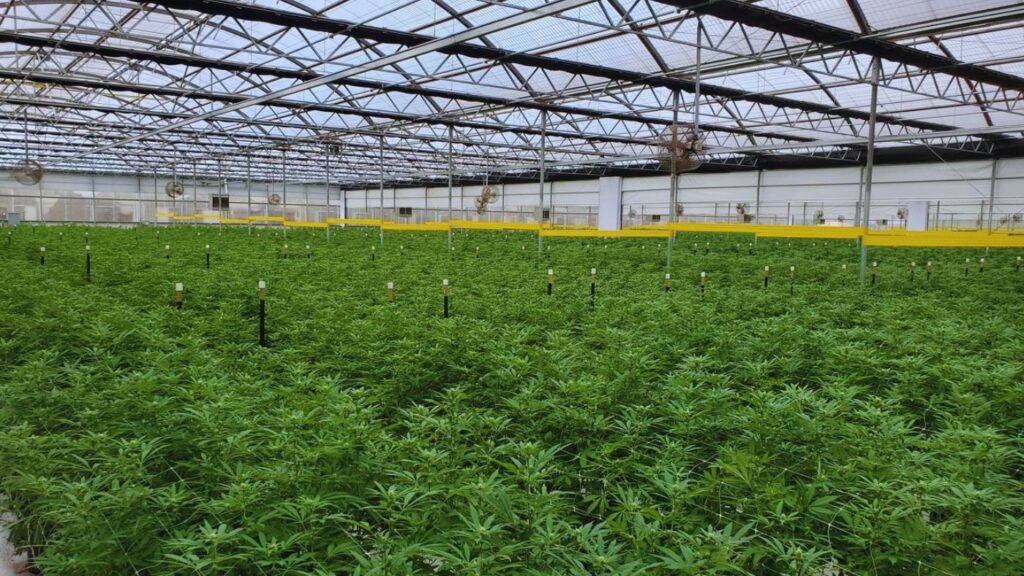 For operators whose strength is growing cannabis, Virginia’s emerging adult-use market presents a significant opportunity – and a cultivation license is the gateway to it. The June 2026 framework authorizes the Virginia Cannabis Control Authority (CCA) to begin accepting license applications on or after February 1, 2027 and issuing licenses on or after May 1, 2027. It also establishes five cultivation tiers with maximum canopies ranging from 5,000 to 35,000 square feet.