
Estimated reading time: 6 minutes
Table of contents
Introduction
The Tennessee General Assembly is witnessing a renewed push for cannabis reform in 2025. Lawmakers have introduced bicameral legislation to legalize both medical and adult-use cannabis. However, the effort remains highly partisan, with competing proposals and legislative hurdles posing significant challenges.
Legislative Proposals
On February 4, Sen. Jeff Yarbro, D-Nashville, and Rep. Larry Miller, D-Memphis, introduced companion bills to legalize adult-use cannabis. Their legislation would allow adults 21 and older to:
- Purchase, consume, and possess up to 60 grams of cannabis or 15 grams of concentrate.
- Cultivate up to 12 plants at home.
- Establish a licensed, taxed, and regulated cannabis marketplace.
- Authorize parents or legal guardians to administer “non-smokable” cannabis to minors with qualifying medical conditions.
Miller argued that cannabis legalization could generate $155 million in annual revenue for Tennessee, while also reducing taxpayer spending on enforcing outdated cannabis laws.
Meanwhile, Sen. Janice Bowling, R-Tullahoma, and Rep. Iris Rudder, R-Winchester, introduced the Tennessee Medical Cannabis Act, a separate proposal focused solely on medical cannabis. Their bill, Senate Bill 489, would create a regulated market for cultivation, manufacturing, and sales. Bowling emphasized the importance of a state-controlled “seed-to-sale” tracking system to ensure product safety.
Challenges and Legislative Status
Despite support for cannabis reform, the path to legalization faces significant challenges. Tennessee Republicans hold supermajorities in both legislative chambers, making the Democratic-led adult-use bill an uphill battle. No state has ever legalized adult-use cannabis before medical cannabis, making Bowling and Rudder’s medical cannabis bill the more likely to advance.
On February 25, Bowling presented her proposal to the Senate Judiciary Committee. However, without a second on the motion to advance the bill, it was reassigned to the General Subcommittee, delaying its progress.
Public Opinion and Regional Influence
Public support for cannabis reform in Tennessee continues to grow. According to a December 2024 Vanderbilt University poll, 63% of registered voters favor legalizing adult-use cannabis. Additionally, Tennesseans living near state borders already have access to legal cannabis. Residents in the west can cross into Missouri for adult-use purchases, while those in the east can buy cannabis on Native American land in North Carolina.
Related reading: Cannabis Legalization Pennsylvania, Cannabis Legalization Hawaii 2025, Cannabis Legalization Kansas.
Conclusion
While Tennessee remains one of the few states without a medical cannabis program, 2025 could mark a turning point. The medical cannabis bill has a stronger chance of passing than the adult-use proposal, given the state’s political landscape. With public support on the rise and neighboring states offering legal access, pressure continues to mount for Tennessee lawmakers to enact meaningful cannabis reform. The legislative session runs through April 25, leaving advocates hopeful for progress in the months ahead.
Tennessee Cannabis Legalization 2025 FAQs
No, marijuana is not legal in Tennessee, except for limited medical use.
A variety of products will become available as dispensaries become operational, and to access these facilities patients are required to have a Tennessee Marijuana Card.
Delta-8 is legal to purchase, use, possess, sell, distribute, and produce in Tennessee under state and federal law. The product may be marketed in ways that put the public health at risk and should especially be kept out of reach of children and pets. potential for medical use and could provide a market for farmers.
Delta 8, Delta 10, and Delta 9 are legal and available to buy online in Tennessee.
No, Tennessee is not a recreational marijuana state. It is illegal for most uses, and possession of any amount is a criminal misdemeanor.
As long as the edibles are derived from hemp and contain less than 0.3% THC, they are legal in Tennessee, and there are no penalties associated with their possession. If hemp-derived edibles are found to contain more than 0.3% THC, they are treated as cannabis-derived products.
Tennessee is one of only 12 states without a viable medical cannabis program and one of 19 states that continues to imprison individuals for possessing small amounts of cannabis — possession of a half-ounce or less is punishable by nearly a year of incarceration.
While Tennessee does not have a proper medical marijuana program, the state does allow low-THC cannabis oil. This oil may not exceed a concentration of 9% THC.
Additional Resources
Free eBooks For Cannabis Business Success




Latest Articles
- How Much Does It Cost to Open a Dispensary in 2026?
 The allure of jumping into the legalized cannabis industry often paints a picture of quick riches and burgeoning demand, yet the reality of establishing a licensed cannabis dispensary is far more nuanced, capital-intensive, and fraught with unique financial challenges. For aspiring entrepreneurs and seasoned investors alike, understanding the true dispensary startup costs is the absolute bedrock of success.
 - Virginia Cannabis Facility Design & Build-Out for the 2027 Market
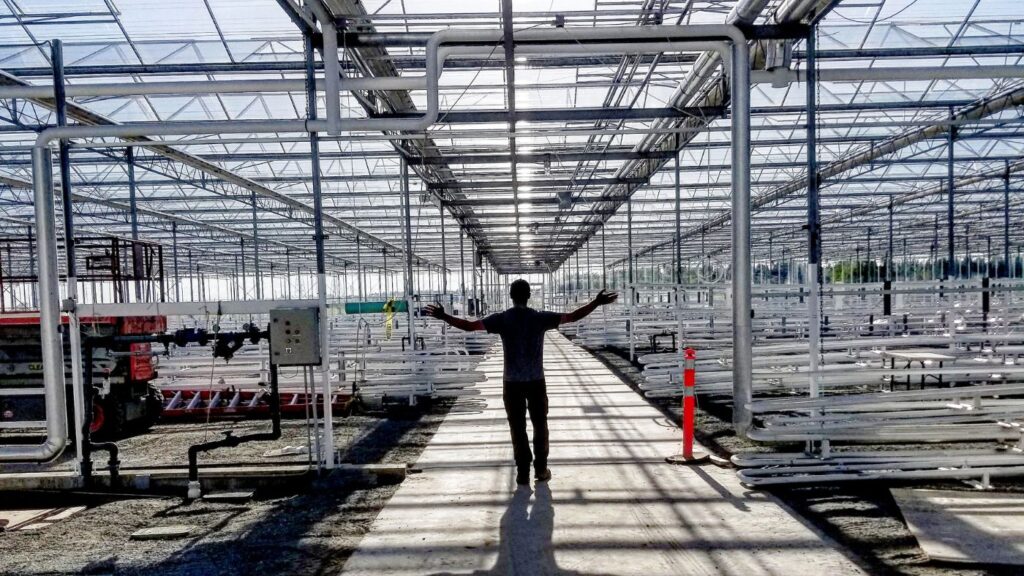 This guide covers the major considerations involved in planning and building a Virginia cannabis facility, with a focus on retail and cultivation operations and additional considerations relevant to processors and microbusinesses. It is written from the build side of the business, because that is where many otherwise-strong applicants stumble: they underestimate utility needs, local approvals, security infrastructure, commissioning, and the time required to convert a site into an inspection-ready operation.
 - Virginia Dual-Use Cannabis Conversion (2027): The $10M Medical-to-Adult-Use Pathway
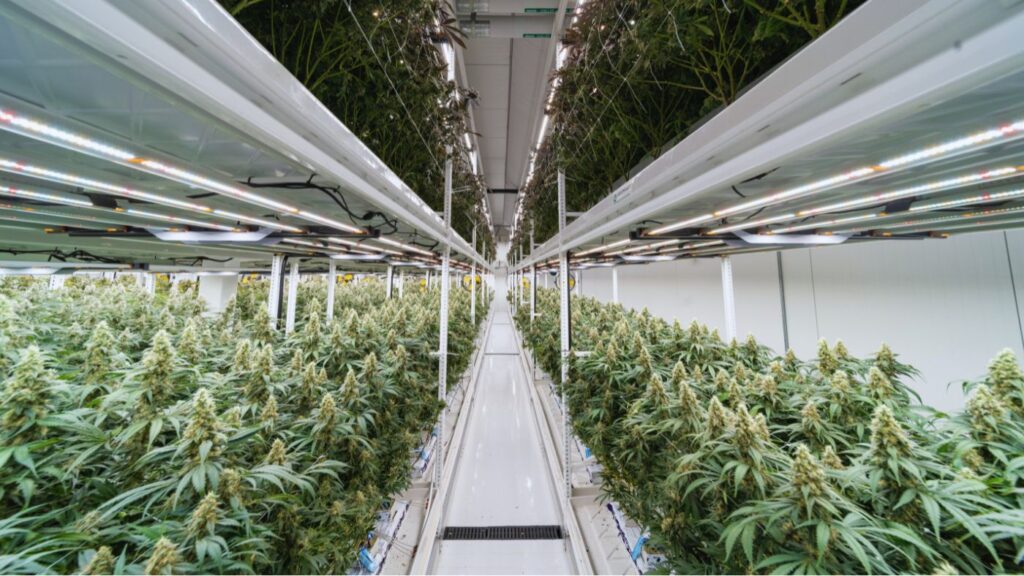 For Virginia’s existing medical cannabis operators, the 2026 retail framework created a distinct and high-stakes transition: pharmaceutical processors may apply for verification to exercise dual-use privileges and serve both registered medical patients and adult-use customers. The pathway covers the processor and its permitted cannabis dispensing facilities, and it carries a one-time $10 million fee, a required medical cannabis program preservation plan, an impact-licensee business accelerator commitment, and a firm May 1, 2027 payment or installment-plan deadline.
 - Virginia Impact Cannabis License (2027): Social Equity & the Equity Business Loan Fund
 Virginia’s adult-use cannabis framework creates a meaningful pathway for applicants from communities and backgrounds affected by cannabis prohibition and enforcement. The law does not create a separate, stand-alone impact license. Instead, it creates an impact-licensee designation that qualifying applicants may pursue alongside an underlying marijuana establishment license, such as retail, cultivation, processing, microbusiness, transportation, delivery, or testing.
 - Virginia Cannabis Microbusiness License (2027): Eligibility & the Two-Location Model
 This guide explains the initial eligibility pathways for the licenses the CCA may issue by May 1, 2027, the difference between a microbusiness license and an impact designation, the indoor and outdoor cultivation limits, the precise rules governing two locations, and the financial, security, and operational readiness standards applicants should prepare to demonstrate. Several implementation details – including fees and the specific combination of privileges the CCA will authorize – still depend on forthcoming regulations.
 - Virginia Cannabis Cultivation License (2027): The Tiered System Explained
 For operators whose strength is growing cannabis, Virginia’s emerging adult-use market presents a significant opportunity – and a cultivation license is the gateway to it. The June 2026 framework authorizes the Virginia Cannabis Control Authority (CCA) to begin accepting license applications on or after February 1, 2027 and issuing licenses on or after May 1, 2027. It also establishes five cultivation tiers with maximum canopies ranging from 5,000 to 35,000 square feet.