
Estimated reading time: 5 minutes
Table of contents
Introduction
Iowa’s medical cannabis program remains one of the most restrictive in the country, to the extent that some advocacy groups do not even recognize it as a legitimate cannabis market. With stringent limitations on product availability, patient access, and dispensary operations, the state’s program offers minimal relief compared to more robust medical cannabis frameworks elsewhere. However, with several reform bills in play this session, Iowa may see incremental changes in 2025.
Current Iowa Medical Cannabis Restrictions
Iowa’s medical cannabis laws are among the strictest in the nation. The program prohibits cannabis flower, only allows two licensed manufacturers, bans home cultivation, and limits patients to 4.5 grams of THC every 90 days unless they obtain a waiver from a certified provider. Additionally, access is restricted to just five authorized dispensaries, making it one of the most controlled medical programs in the U.S.
Legislative Landscape and Proposed Reforms
While Iowa House Democrats have included adult-use cannabis legalization among their top four legislative priorities for this session, expansion of the medical program appears to have a better chance in the state’s Republican-controlled General Assembly. With the GOP holding supermajorities in both chambers (67% in each), lawmakers are prioritizing incremental reforms rather than full legalization.
Several key bills are currently under consideration:
- House File 105, sponsored by Rep. Hans Wilz, R-Ottumwa, would allow patients to access dried flower, but only for vaporization—similar to Ohio’s medical cannabis program before adult-use legalization passed in 2023. This bill advanced out of subcommittee on Jan. 27.
- Senate File 46, sponsored by Sen. Scott Webster, R-Bettendorf, aims to double the number of dispensaries in the state from five to ten. The Senate Commerce Committee passed this legislation on Feb. 20.
These proposals reflect cautious steps toward improving patient access while avoiding a broader shift toward adult-use legalization.
Governor’s Stance and Public Opinion
Despite increasing public support for cannabis reform, Republican Gov. Kim Reynolds remains a strong opponent of legalization. In 2022, she stated, “I believe marijuana is a gateway drug that leads to other illegal drug use and has a negative effect on our society.” Her administration’s stance significantly reduces the likelihood of any adult-use cannabis legalization efforts gaining traction in the near future.
Nonetheless, public opinion is shifting. According to a 2022 University of Iowa Hawkeye Poll:
- 71% of Iowans support medical cannabis legalization
- 52.5% support adult-use cannabis legalization
Despite these numbers, Iowa remains one of 24 states that do not allow citizen-initiated ballot measures, making legislative approval the only pathway for reform.
Related reading: Cannabis Legalization Kansas.
Conclusion
Iowa’s cannabis reform efforts are advancing at a slow but steady pace, with incremental changes likely in 2025. While full adult-use legalization faces strong opposition, medical cannabis expansion efforts—including increased dispensary access and potential flower availability—signal a willingness to modify the state’s restrictive framework. With overwhelming public support for medical cannabis, the coming legislative sessions will determine whether Iowa finally embraces broader reform or continues its historically cautious approach.
Iowa Cannabis Legalization 2025 FAQs
Weed is not legal in Iowa and the state has one of the most severe penalties for first-offenses in the country. A first-offense possession of even just one marijuana joint can be punishable by up to six months in jail and a thousand-dollar fine.
In Iowa, patients with a qualifying diagnosis can obtain a card to purchase legal medical cannabis products containing the two active ingredients, cannabidiol (CBD) and tetrahydrocannabinol (THC), to treat qualifying medical conditions.
Iowa’s medical cannabidiol program authorizes the manufacture and sale of products that contain both CBD and THC. In other words, it is a program that allows for the legal manufacture and sale of medical cannabis products.
Oral forms – tablets, capsules, liquids, tinctures and sublingual forms
Topical forms – gels, ointments, creams, lotions and transdermal patches
Nebulizable – inhaled forms
Suppositories – rectal and vaginal
Vaporization
For information on becoming a medical cannabis patient in Iowa, please visit Patient and Caregiver Info
Additional Resources
Free eBooks For Cannabis Business Success




Latest Articles
- How Much Does It Cost to Open a Dispensary in 2026?
 The allure of jumping into the legalized cannabis industry often paints a picture of quick riches and burgeoning demand, yet the reality of establishing a licensed cannabis dispensary is far more nuanced, capital-intensive, and fraught with unique financial challenges. For aspiring entrepreneurs and seasoned investors alike, understanding the true dispensary startup costs is the absolute bedrock of success.
 - Virginia Cannabis Facility Design & Build-Out for the 2027 Market
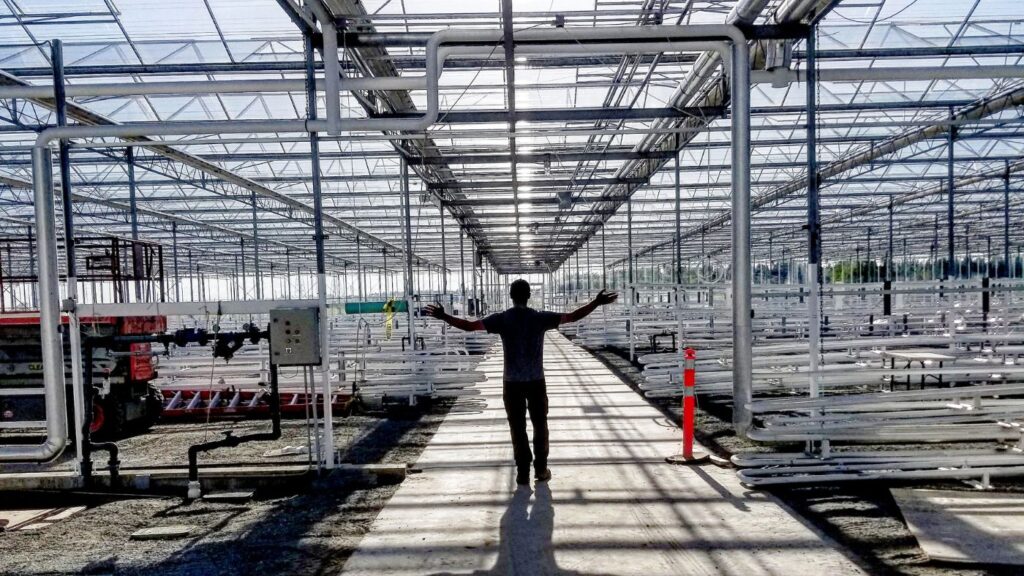 This guide covers the major considerations involved in planning and building a Virginia cannabis facility, with a focus on retail and cultivation operations and additional considerations relevant to processors and microbusinesses. It is written from the build side of the business, because that is where many otherwise-strong applicants stumble: they underestimate utility needs, local approvals, security infrastructure, commissioning, and the time required to convert a site into an inspection-ready operation.
 - Virginia Dual-Use Cannabis Conversion (2027): The $10M Medical-to-Adult-Use Pathway
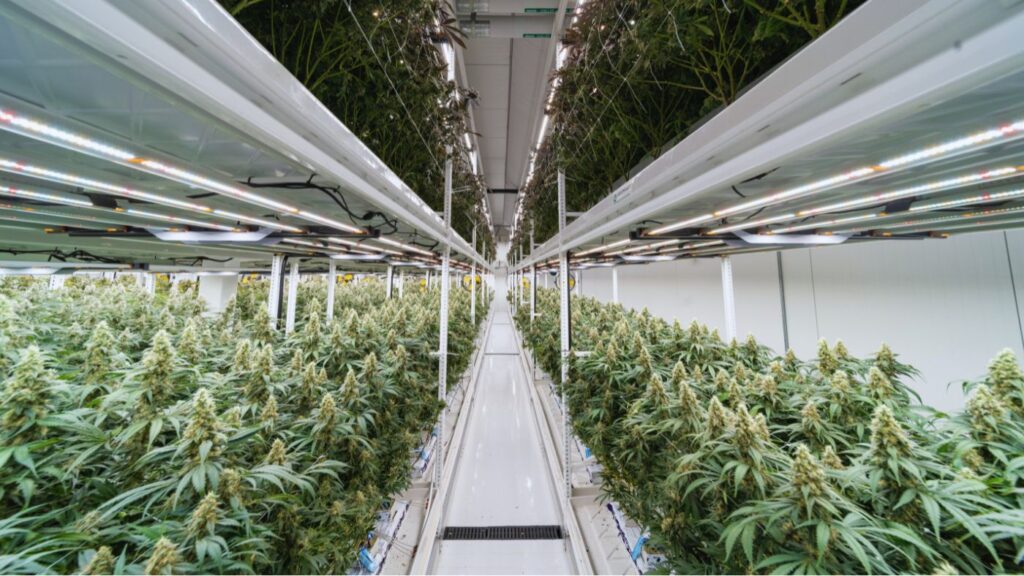 For Virginia’s existing medical cannabis operators, the 2026 retail framework created a distinct and high-stakes transition: pharmaceutical processors may apply for verification to exercise dual-use privileges and serve both registered medical patients and adult-use customers. The pathway covers the processor and its permitted cannabis dispensing facilities, and it carries a one-time $10 million fee, a required medical cannabis program preservation plan, an impact-licensee business accelerator commitment, and a firm May 1, 2027 payment or installment-plan deadline.
 - Virginia Impact Cannabis License (2027): Social Equity & the Equity Business Loan Fund
 Virginia’s adult-use cannabis framework creates a meaningful pathway for applicants from communities and backgrounds affected by cannabis prohibition and enforcement. The law does not create a separate, stand-alone impact license. Instead, it creates an impact-licensee designation that qualifying applicants may pursue alongside an underlying marijuana establishment license, such as retail, cultivation, processing, microbusiness, transportation, delivery, or testing.
 - Virginia Cannabis Microbusiness License (2027): Eligibility & the Two-Location Model
 This guide explains the initial eligibility pathways for the licenses the CCA may issue by May 1, 2027, the difference between a microbusiness license and an impact designation, the indoor and outdoor cultivation limits, the precise rules governing two locations, and the financial, security, and operational readiness standards applicants should prepare to demonstrate. Several implementation details – including fees and the specific combination of privileges the CCA will authorize – still depend on forthcoming regulations.
 - Virginia Cannabis Cultivation License (2027): The Tiered System Explained
 For operators whose strength is growing cannabis, Virginia’s emerging adult-use market presents a significant opportunity – and a cultivation license is the gateway to it. The June 2026 framework authorizes the Virginia Cannabis Control Authority (CCA) to begin accepting license applications on or after February 1, 2027 and issuing licenses on or after May 1, 2027. It also establishes five cultivation tiers with maximum canopies ranging from 5,000 to 35,000 square feet.