
Estimated reading time: 6 minutes
Table of contents
Introduction
Texas Cannabis Reform remains a hot-button issue in 2025 as lawmakers debate the state’s restrictive medical cannabis program, the booming hemp-derived THC market, and potential pathways for broader legalization. Despite overwhelming public support for cannabis reform, legislative action remains uncertain in the Lone Star State.
Texas’ Current Cannabis Landscape
Under the Texas Compassionate Use Program, doctors can prescribe only low-THC cannabis products capped at 1%—a potency closer to hemp than a robust medical cannabis program. This limited framework has spurred an explosion of hemp-derived THC products across the state, creating a multibillion-dollar market. In response, Lt. Gov. Dan Patrick is pushing Senate Bill 3, a controversial measure aimed at banning THC sales by unlicensed retailers.
Public Opinion and Legislative Momentum
While Patrick’s proposed crackdown on unregulated THC sales has garnered 55% support, Texans overwhelmingly favor broader cannabis reform. A February 2024 University of Houston Hobby School of Public Affairs report found that:
- 79% of Texans support medical cannabis legalization.
- 62% support adult-use legalization.
With the 2025 legislative session underway—Texas lawmakers meet only in odd-numbered years—there is a limited window for elected officials to align policy with voter sentiment.
Legislative Efforts in 2025
Since the Compassionate Use Program’s inception in 2015, Texas lawmakers have incrementally expanded it, raising the THC cap and increasing qualifying conditions. However, the current framework remains one of the most restrictive in the nation.
This session, several cannabis-related bills have been introduced, including:
- Adult-Use Legalization: Rep. Jessica Gonzalez (D-Dallas) filed a bill to legalize adult-use cannabis for those 21 and older.
- Medical Cannabis Expansion: Three notable bills aim to expand access:
- Senate Bill 170 – Filed by Sen. José Menéndez (D-San Antonio).
- Senate Bill 259 – Filed by Sen. Carol Alvarado (D-Houston).
- House Bill 1504 – Filed by Rep. Ron Reynolds (D-Fort Bend).
In total, more than 25 cannabis- and hemp-related bills have been introduced this session, highlighting the growing urgency of reform discussions.
Conclusion
Texas Cannabis Reform is at a crossroads in 2025. While restrictive policies persist, strong public support and legislative proposals signal potential progress. Whether the state will embrace meaningful reform or continue its incremental approach remains to be seen, but the conversation is far from over.
Learn more about our full-service cannabis and hemp consulting services tailored to Texas’s unique market needs.
Texas Cannabis Reform 2025 FAQs
The Texas Compassionate-Use Act established requirements for the licensing and registration of dispensaries who provide low-THC cannabis to qualified patients. This chapter of Texas law allows qualified physicians to prescribe low-THC cannabis to certain qualifying patients.
Once the medical cannabis doctor has confirmed your eligibility, they will customize an individual treatment plan and register you in the Compassionate Use Registry of Texas (CURT). In contrast with other states, in Texas, there is no medical marijuana card.
As of April 2024, possession of any amount of a THC edible is a felony. If the amount in your possession is less than a gram, it’s a state jail felony that carries from 180 days to two years in jail, and possession of more than a gram carries a prison sentence.
Recreational use of marijuana, including marijuana-derived THC gummies, remains highly illegal in Texas. They treat it as a schedule I narcotic, in accordance with federal law. Possession of even small amounts of marijuana can lead to legal consequences, including fines, jail time, or both.
Texas passed House Bill 1325 in 2019, which allowed for the commercialization of hemp at the state level. The law, which was meant to promote agriculture, also made it possible for Texas businesses to sell low-level THC products.
No, Delta-9 THC is not legal for recreational use in Texas. Under Texas law, Delta-9 THC is classified as a controlled substance, making it illegal unless it’s derived from hemp and contains less than 0.3% THC by dry weight, in line with the federal 2018 Farm Bill.
In 2015, Texas passed the Compassionate-Use Act. This Act allowed the first legal use of low-THC cannabis products in the state for patients with intractable epilepsy. It was expanded in 2019 and 2021 to include other conditions.
The following are the current qualifying conditions for medical marijuana in Texas: Autism, Cancer, Chronic Pain, Dementia, Huntington’s Disease, Multiple Sclerosis, PTSD, Reducing Inflammation, Sleep Issues, Spasticity, Stress, and Anxiety.
Texas’s Compassionate Use Program (CUP) allows certain physicians to prescribe low tetrahydrocannabinols (THC) cannabis for medical purposes. Low-THC comes from the plant Cannabis Sativa L.
No, Delta-9 THC is not legal for recreational use in Texas. Under Texas law, Delta-9 THC is classified as a controlled substance, making it illegal unless it’s derived from hemp and contains less than 0.3% THC by dry weight, in line with the federal 2018 Farm Bill.
Additional Resources
Free eBooks For Cannabis Business Success




Latest Articles
- How Much Does It Cost to Open a Cannabis Dispensary in 2026
 The allure of jumping into the legalized cannabis industry often paints a picture of quick riches and burgeoning demand, yet the reality of establishing a licensed cannabis dispensary is far more nuanced, capital-intensive, and fraught with unique financial challenges. For aspiring entrepreneurs and seasoned investors alike, understanding the true dispensary startup costs is the absolute bedrock of success.
 - Virginia Cannabis Facility Design & Build-Out for the 2027 Market
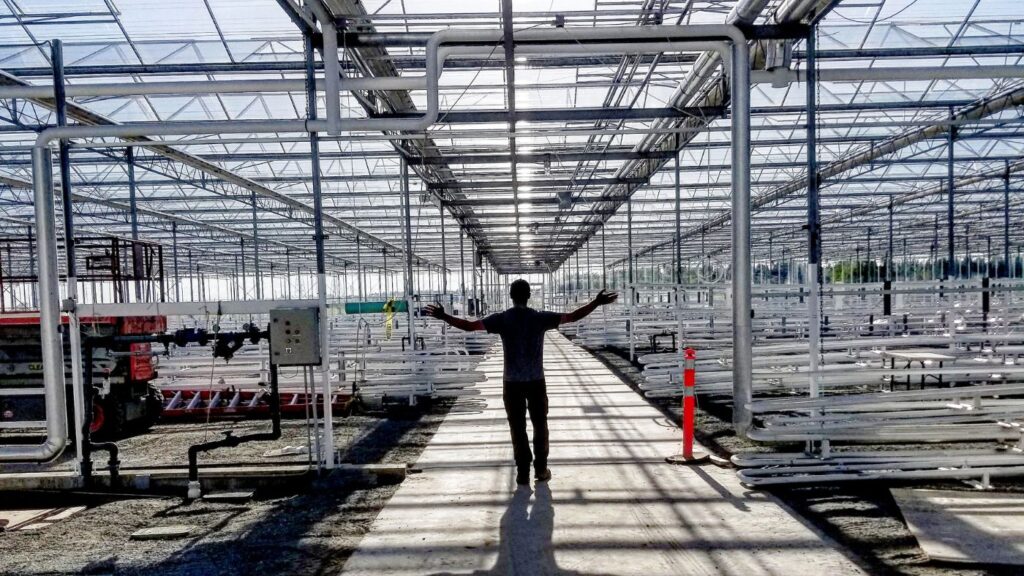 This guide covers the major considerations involved in planning and building a Virginia cannabis facility, with a focus on retail and cultivation operations and additional considerations relevant to processors and microbusinesses. It is written from the build side of the business, because that is where many otherwise-strong applicants stumble: they underestimate utility needs, local approvals, security infrastructure, commissioning, and the time required to convert a site into an inspection-ready operation.
 - Virginia Dual-Use Cannabis Conversion (2027): The $10M Medical-to-Adult-Use Pathway
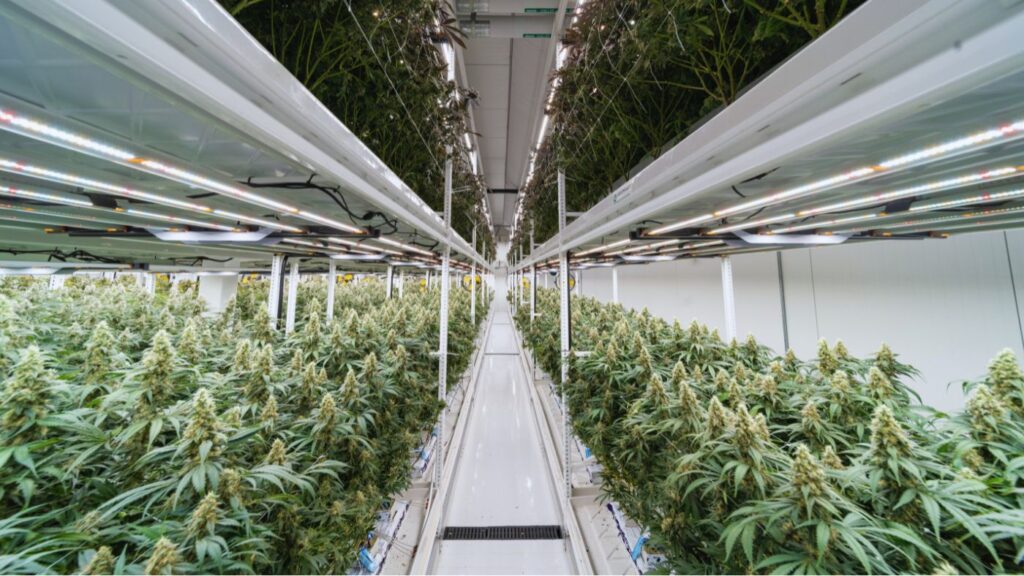 For Virginia’s existing medical cannabis operators, the 2026 retail framework created a distinct and high-stakes transition: pharmaceutical processors may apply for verification to exercise dual-use privileges and serve both registered medical patients and adult-use customers. The pathway covers the processor and its permitted cannabis dispensing facilities, and it carries a one-time $10 million fee, a required medical cannabis program preservation plan, an impact-licensee business accelerator commitment, and a firm May 1, 2027 payment or installment-plan deadline.
 - Virginia Impact Cannabis License (2027): Social Equity & the Equity Business Loan Fund
 Virginia’s adult-use cannabis framework creates a meaningful pathway for applicants from communities and backgrounds affected by cannabis prohibition and enforcement. The law does not create a separate, stand-alone impact license. Instead, it creates an impact-licensee designation that qualifying applicants may pursue alongside an underlying marijuana establishment license, such as retail, cultivation, processing, microbusiness, transportation, delivery, or testing.
 - Virginia Cannabis Microbusiness License (2027): Eligibility & the Two-Location Model
 This guide explains the initial eligibility pathways for the licenses the CCA may issue by May 1, 2027, the difference between a microbusiness license and an impact designation, the indoor and outdoor cultivation limits, the precise rules governing two locations, and the financial, security, and operational readiness standards applicants should prepare to demonstrate. Several implementation details – including fees and the specific combination of privileges the CCA will authorize – still depend on forthcoming regulations.
 - Virginia Cannabis Cultivation License (2027): The Tiered System Explained
 For operators whose strength is growing cannabis, Virginia’s emerging adult-use market presents a significant opportunity – and a cultivation license is the gateway to it. The June 2026 framework authorizes the Virginia Cannabis Control Authority (CCA) to begin accepting license applications on or after February 1, 2027 and issuing licenses on or after May 1, 2027. It also establishes five cultivation tiers with maximum canopies ranging from 5,000 to 35,000 square feet.