
THC compliance stands out as the main concern for hemp farmers in today’s world when it comes to hemp genetics. High CBD yields are essential but keeping a compliant crop that will not run the risk of destruction due to THC content is the most crucial consideration for a farmer. Today we’ll briefly look at cannabinoids, compliance, testing methods, and the importance of having a testing plan with reliable testing partners before you plant.
The U.S. Farm Bill defines hemp as cannabis that contains less than 0.3% total THC by dry weight. THC, CBD’s psychoactive constituent, is classified as a Schedule 1 drug by the Food and Drug Administration and is highly regulated. CBD is non-psychoactive and is not considered a Schedule 1 drug by the FDA and is not regulated (although recent CBD patents by GW Pharma will incur regulation). Interestingly, many modern CBD-rich hemp genetics derive from so-called “drug-type” cannabis strains that once contained high levels of THC. These genetics were bred over generations to minimize THC production and maximize CBD content.
The truth is that many CBD-rich hemp varietals are nearly indistinguishable from their THC-containing “marijuana” sisters. The visual appeal, aroma (terpene content), and structure can be almost identical between two different genotypes, one with THC and one that does not. When I first started breeding with high CBD/low THC genetics in 2011, it was next to impossible to tell the difference in cannabinoid content until we submitted samples to the lab for cannabinoid testing.
I assumed many of the plants would have high THC content that contained very low THC and had high amounts of CBD. Testing laboratories across the U.S. have opened their doors to hemp growers. Now that hemp is legal in all 50 states, farmers can mail their samples to labs in other States if they cannot find a viable alternative locally.
Colorado has several licensed labs that will accept samples mailed from anywhere in the U.S. It is also essential to understand your State’s requirements for THC testing. Some States test for “total THC”, which is Delta9 THC combined with converted THCA, and others test for only Delta9 THC. Also, understanding the testing method used by your State can help determine a testing partner. In Colorado, the Department of Agriculture uses Gas Chromatography (GC) to determine cannabinoid content. As a result, Foundation Seeds performs GC testing in-house and utilizes High-Performance Liquid Chromatography (HPLC) and Ultra Performance Liquid Chromatography (UPLC) via 3rd party laboratories for confirmation and verification of our in-house results.
What does this mean for you as a CBD hemp farmer? It means you can’t always tell a book by its cover. This makes 3rd party analytical testing paramount to ensuring a successful and compliant crop. We recommend that farmers begin cannabinoid testing once the plants have started flowering every 5-7 days throughout the flowering cycle until harvest. Advanced testing can save you money in avoiding non-compliant crop losses and provide you with valuable crop data to help make informed decisions for the next crop and offer it to a potential buyer or processing partners and commodity traders.
We test all our genetics before releasing and provide our customers with detailed CBD, CBG, and THC cannabinoid maturation curves to understand harvest timelines and cannabinoid content. Our founders bred and have been working with the leading hemp genetics on the market and producing feminized cannabis seeds since 2012.
Eric is the Director of Breeding and Genetics at Catalyst BC. Article originally posted on the Fondation Seeds website.
Additional Resources
More Information
- Consulting Services Overview
- Business Strategy
- Financial Planning
- Cannabis, Hemp, Psilocybin, & Natural Medicine Licensing and Applications
- Facility Design
- StartUp Support
- Genetic Development
- Business Turnaround
- Operational Optimization
- Vertical Farming
- Controlled Environmental Agriculture (CEA)
- State and Country Services Directory
- Blog
- Home
Testimonials and Public Relations
Latest Articles
- How Much Does It Cost to Open a Dispensary in 2026?
 The allure of jumping into the legalized cannabis industry often paints a picture of quick riches and burgeoning demand, yet the reality of establishing a licensed cannabis dispensary is far more nuanced, capital-intensive, and fraught with unique financial challenges. For aspiring entrepreneurs and seasoned investors alike, understanding the true dispensary startup costs is the absolute bedrock of success.
 - Virginia Cannabis Facility Design & Build-Out for the 2027 Market
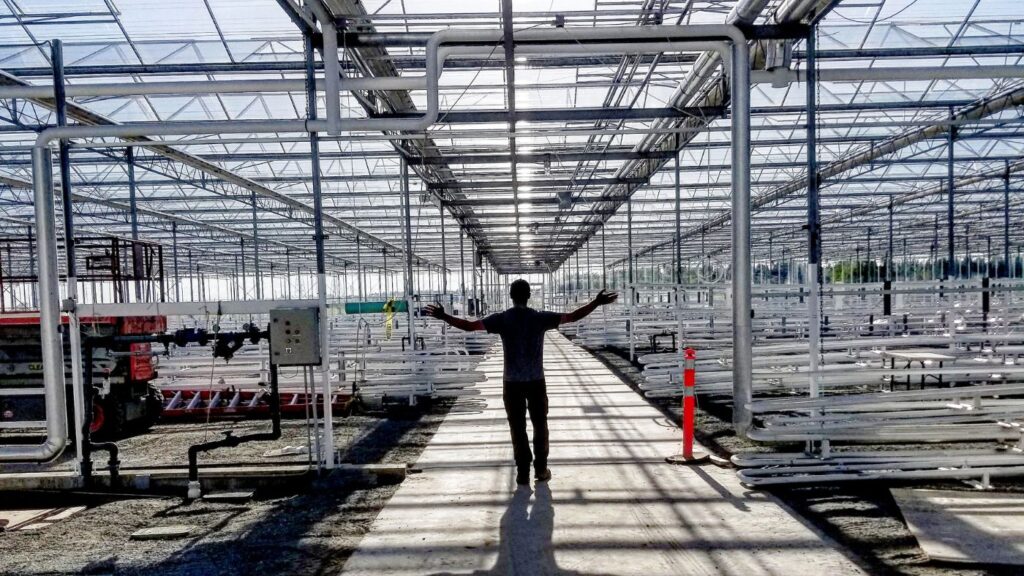 This guide covers the major considerations involved in planning and building a Virginia cannabis facility, with a focus on retail and cultivation operations and additional considerations relevant to processors and microbusinesses. It is written from the build side of the business, because that is where many otherwise-strong applicants stumble: they underestimate utility needs, local approvals, security infrastructure, commissioning, and the time required to convert a site into an inspection-ready operation.
 - Virginia Dual-Use Cannabis Conversion (2027): The $10M Medical-to-Adult-Use Pathway
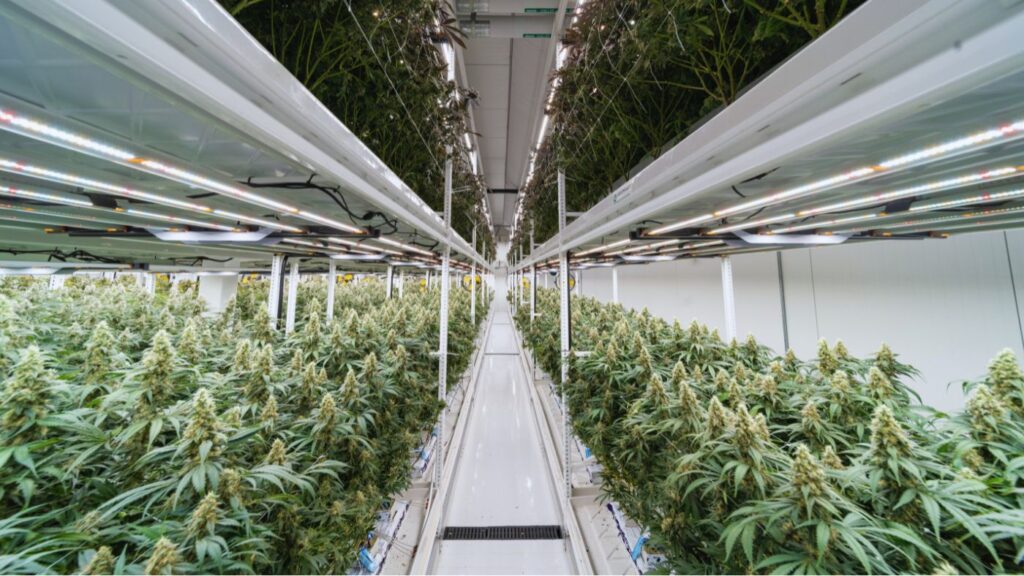 For Virginia’s existing medical cannabis operators, the 2026 retail framework created a distinct and high-stakes transition: pharmaceutical processors may apply for verification to exercise dual-use privileges and serve both registered medical patients and adult-use customers. The pathway covers the processor and its permitted cannabis dispensing facilities, and it carries a one-time $10 million fee, a required medical cannabis program preservation plan, an impact-licensee business accelerator commitment, and a firm May 1, 2027 payment or installment-plan deadline.
 - Virginia Impact Cannabis License (2027): Social Equity & the Equity Business Loan Fund
 Virginia’s adult-use cannabis framework creates a meaningful pathway for applicants from communities and backgrounds affected by cannabis prohibition and enforcement. The law does not create a separate, stand-alone impact license. Instead, it creates an impact-licensee designation that qualifying applicants may pursue alongside an underlying marijuana establishment license, such as retail, cultivation, processing, microbusiness, transportation, delivery, or testing.
 - Virginia Cannabis Microbusiness License (2027): Eligibility & the Two-Location Model
 This guide explains the initial eligibility pathways for the licenses the CCA may issue by May 1, 2027, the difference between a microbusiness license and an impact designation, the indoor and outdoor cultivation limits, the precise rules governing two locations, and the financial, security, and operational readiness standards applicants should prepare to demonstrate. Several implementation details – including fees and the specific combination of privileges the CCA will authorize – still depend on forthcoming regulations.
 - Virginia Cannabis Cultivation License (2027): The Tiered System Explained
 For operators whose strength is growing cannabis, Virginia’s emerging adult-use market presents a significant opportunity – and a cultivation license is the gateway to it. The June 2026 framework authorizes the Virginia Cannabis Control Authority (CCA) to begin accepting license applications on or after February 1, 2027 and issuing licenses on or after May 1, 2027. It also establishes five cultivation tiers with maximum canopies ranging from 5,000 to 35,000 square feet.
Explore Our Articles
cannabis applications Cannabis Bar Cannabis Business Optimization cannabis careers Cannabis Compliance Cannabis Consumption Cannabis Consumption Bar Cannabis Inventory Management Systems Cannabis Investors cannabis jobs Cannabis Legalization cannabis licensing Cannabis Lounge cannabis marketing Cannabis Operational Procedures cannabis outreach Cannabis Regulations Cannabis Security Cannabis Software Cannabis Startup Cannabis Supply Chain Cannabis Technology Colorado controlled environment agriculture Cultivation cultivation facility Dispensary Design facility design Financial Planning HVAC HVACD Iowa Kansas Legal Update Legislation Medical Cannabis Minnesota Natural Medicine Nebraska New York Odor Control Oregon Psilocybin Psychedelics Recreational Cannabis
Free Ebook – Start Your Own Legal Cannabis Business