
Estimated reading time: 6 minutes
Table of contents
Introduction
Indiana Cannabis Legalization remains a complex and uphill battle despite growing bipartisan support for medical cannabis reform. While Indiana lawmakers continue to push for legalization efforts, 2025 is shaping up to be another year of legislative stagnation as Republican leaders block cannabis-related bills from advancing.
Legislative Roadblocks in 2025
The Republican-controlled General Assembly effectively shut down cannabis reform in late February, killing a series of bills aimed at decriminalizing or legalizing medical and adult-use cannabis. Despite the legislative session running through April 29, none of these bills received committee hearings, signaling strong resistance from party leadership.
House Speaker Todd Huston reaffirmed this opposition, stating, “I don’t believe in doing … policy based upon revenue. I think you do good public policy, and you deal with the revenue, and that’s the way I feel about the marijuana issue.” This statement reflects a broader reluctance among Indiana’s GOP leadership to acknowledge medical cannabis as a public health issue rather than a financial one.
The Bills That Didn’t Make It
Despite the opposition, bipartisan lawmakers introduced eight cannabis-related bills this session:
Medical Cannabis Bills
- House Bill 1178 – Rep. Jim Lucas (R-Seymour)
- House Bill 1635 – Rep. Jake Teshka (R-North Liberty)
- Senate Bill 341 – Sen. Michael Young (R-Indianapolis)
- Senate Bill 400 – Sen. Greg Taylor (D-Indianapolis)
Adult-Use Cannabis Bills
- House Bill 1332 – Rep. Blake Johnson (D-Indianapolis)
- House Bill 1630 – Rep. Heath VanNatter (R-Kokomo)
- House Bill 1654 – Rep. Zach Payne (R-Charlestown)
- Senate Bill 113 – Sens. Kyle Walker (R-Fishers) & Rodney Pol (D-Chesterton)
These bills reflect growing legislative interest in cannabis reform, but without leadership support, they faced an immediate dead end.
Public Support vs. Legislative Resistance
A significant 87% of Indiana adults support medical cannabis legalization, according to the 2024 Hoosier Survey conducted by the Bowen Center for Public Affairs in November 2024. Despite this overwhelming public backing, Republican leadership remains firmly against reform.
Senate President Pro Tempore Rodric Bray dismissed medical cannabis legalization, stating, “I don’t have people coming to me with really compelling medical cases as to why it’s so beneficial.” He further suggested that medical programs often pave the way for recreational use, reinforcing his resistance.
House Speaker Huston echoed this sentiment, arguing that state legalization efforts are more about generating tax revenue than public health benefits. “I don’t believe public policy should ever be built based off revenue,” he said.
Related reading: Cannabis Legalization Hawaii 2025, Texas Cannabis Reform 2025, Cannabis Legalization New Hampshire 2025
Indiana’s Uncertain Future for Cannabis Reform
With strong opposition from the state’s top lawmakers, Indiana Cannabis Legalization remains a long shot in 2025. However, the significant public support and growing legislative push suggest that reform efforts will persist. Indiana remains one of 24 states that do not allow for citizen-initiated ballot measures, meaning legislative action is the only path forward.
Given these dynamics, Indiana is considered in limbo for cannabis reform in 2025. While the current leadership remains resistant, shifting public opinion and continued legislative pressure could eventually tip the scales.
Indiana Cannabis Legalization 2025 FAQs
While marijuana use is not legal in Indiana, other THC products known as Delta-8, -9 and -10 are legal and readily available at vape shops and other retailers. These products, like tobacco products, are only available for legal purchase to those age 21 and older.
Indiana residents may purchase a wide range of CBD-infused products, including CBD oil, tinctures, gummies and other edibles. This also pertains to products that use hemp-derived Delta 8 — an alternative cannabidiol that falls under the 2018 Farm Bill and the Indiana Hemp Act.
Yes, CBD is legal in Indiana, but it can’t contain more than 0.3% THC and is subject to strict labeling and testing regulations. Indiana has some of the strictest marijuana laws in the United States, and while CBD is allowed, marijuana remains illegal.
Probable cause is the legal standard that law enforcement must meet before they can search your property or person without a warrant. In drug cases, probable cause may be established by things like the smell of marijuana, drug paraphernalia, or an admission of guilt.
Indiana state laws ban any adult use for recreational purposes. Possession of even small amounts of marijuana is a crime in Indiana. Although possession of fewer than 30 grams is a misdemeanor, a first-time offender still faces jail time and a fine for any marijuana possession. Medical marijuana is also illegal.
No. As of 3/2025, Indiana has not legalized recreational marijuana.
Additional Resources
Free eBooks For Cannabis Business Success




Latest Articles
- How Much Does It Cost to Open a Dispensary in 2026?
 The allure of jumping into the legalized cannabis industry often paints a picture of quick riches and burgeoning demand, yet the reality of establishing a licensed cannabis dispensary is far more nuanced, capital-intensive, and fraught with unique financial challenges. For aspiring entrepreneurs and seasoned investors alike, understanding the true dispensary startup costs is the absolute bedrock of success.
 - Virginia Cannabis Facility Design & Build-Out for the 2027 Market
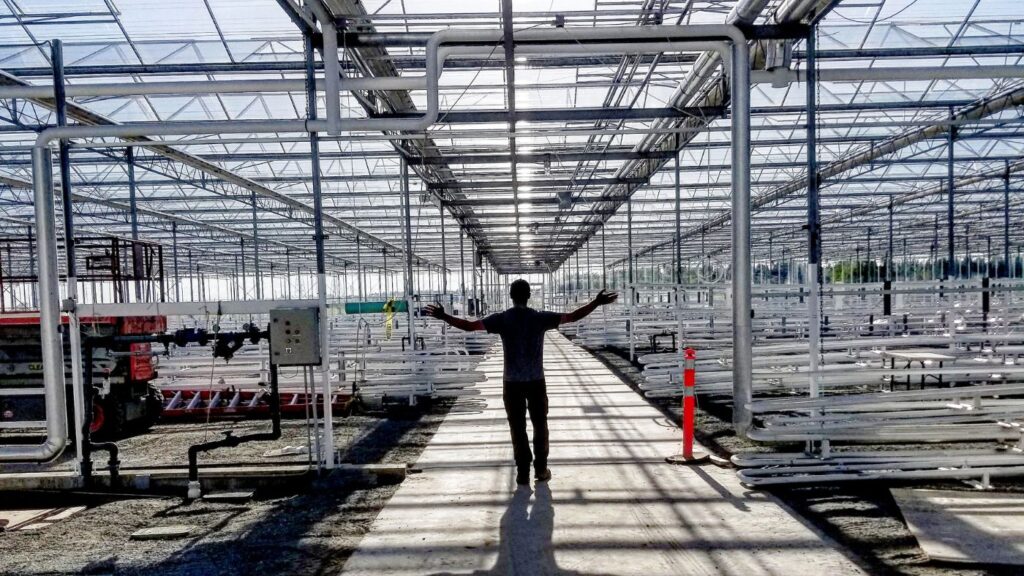 This guide covers the major considerations involved in planning and building a Virginia cannabis facility, with a focus on retail and cultivation operations and additional considerations relevant to processors and microbusinesses. It is written from the build side of the business, because that is where many otherwise-strong applicants stumble: they underestimate utility needs, local approvals, security infrastructure, commissioning, and the time required to convert a site into an inspection-ready operation.
 - Virginia Dual-Use Cannabis Conversion (2027): The $10M Medical-to-Adult-Use Pathway
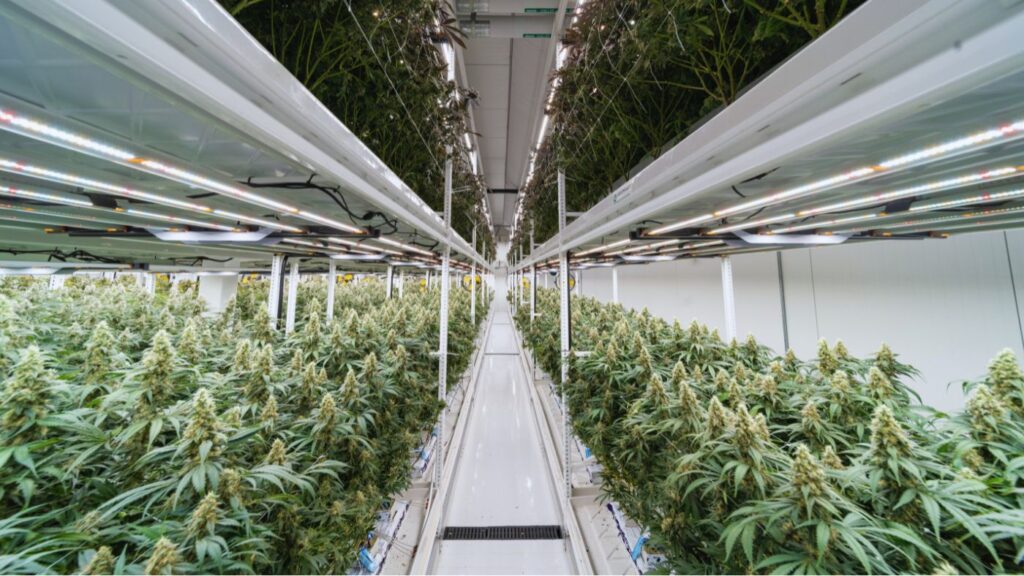 For Virginia’s existing medical cannabis operators, the 2026 retail framework created a distinct and high-stakes transition: pharmaceutical processors may apply for verification to exercise dual-use privileges and serve both registered medical patients and adult-use customers. The pathway covers the processor and its permitted cannabis dispensing facilities, and it carries a one-time $10 million fee, a required medical cannabis program preservation plan, an impact-licensee business accelerator commitment, and a firm May 1, 2027 payment or installment-plan deadline.
 - Virginia Impact Cannabis License (2027): Social Equity & the Equity Business Loan Fund
 Virginia’s adult-use cannabis framework creates a meaningful pathway for applicants from communities and backgrounds affected by cannabis prohibition and enforcement. The law does not create a separate, stand-alone impact license. Instead, it creates an impact-licensee designation that qualifying applicants may pursue alongside an underlying marijuana establishment license, such as retail, cultivation, processing, microbusiness, transportation, delivery, or testing.
 - Virginia Cannabis Microbusiness License (2027): Eligibility & the Two-Location Model
 This guide explains the initial eligibility pathways for the licenses the CCA may issue by May 1, 2027, the difference between a microbusiness license and an impact designation, the indoor and outdoor cultivation limits, the precise rules governing two locations, and the financial, security, and operational readiness standards applicants should prepare to demonstrate. Several implementation details – including fees and the specific combination of privileges the CCA will authorize – still depend on forthcoming regulations.
 - Virginia Cannabis Cultivation License (2027): The Tiered System Explained
 For operators whose strength is growing cannabis, Virginia’s emerging adult-use market presents a significant opportunity – and a cultivation license is the gateway to it. The June 2026 framework authorizes the Virginia Cannabis Control Authority (CCA) to begin accepting license applications on or after February 1, 2027 and issuing licenses on or after May 1, 2027. It also establishes five cultivation tiers with maximum canopies ranging from 5,000 to 35,000 square feet.