
Estimated reading time: 5 minutes
Table of contents
Introduction
New Hampshire remains the lone state in New England without an adult-use cannabis program. Despite bipartisan efforts in the General Court, unresolved differences between the House and Senate have left the state at an impasse. As 2025 approaches, the future of cannabis legalization in New Hampshire hangs in the balance, influenced by ongoing legislative proposals and a significant change in governorship.
Legislative Developments
Last year, both chambers of New Hampshire’s legislature showed momentum for reform. A bipartisan-backed legalization bill originated in the House, only to be amended by Senate lawmakers. The Senate’s version featured a lower possession limit, a state-run “franchise model” for dispensaries, and THC limits for edibles. Although the Senate voted 14-10 for the amended bill, the House ultimately rejected these changes during the conference committee stage. This disagreement has kept the state without an adult-use program, setting the stage for a renewed legislative push in the current session.
Policy Proposals and Options
This year, the House appears to be back in the driver’s seat with three legalization bills on the table:
- House Bill 75: Sponsored by Republican Rep. Kevin Verville and passed on February 20, this bill is the least permissive. It seeks to legalize cannabis for adults 21 and older but stops short of establishing a licensed market for commercial cultivation and dispensary sales. Additionally, it does not provide for home grows.
- House Bill 186: Proposed by Democratic Rep. Jared Sullivan, this bill would legalize cannabis for those 21 and older while also creating a licensed, taxed, and regulated market for commercial operators.
- House Bill 198: Also introduced by Rep. Sullivan, this proposal would legalize cannabis for adults 21 and older and allow for home cultivation, though it does not set up a commercial market for cultivation and sales.
Each proposal reflects different approaches to legalization, underscoring the diverse opinions within the legislature about the best path forward.
Governing Dynamics and the Future of Reform
Despite the bipartisan support within the General Court, the outlook for adult-use cannabis reform in New Hampshire is clouded by a change in leadership. Republican Gov. Kelly Ayotte, who assumed office in January, has consistently opposed adult-use cannabis legalization. During a gubernatorial debate on New Hampshire Public Radio in October, she expressed concerns about the potential negative impacts on youth mental health, road safety, and addiction issues. Her stance has led some lawmakers, including House Majority Leader Jason Osborne, to suggest that the opportunity for reform may have passed. Osborne noted that previous sessions under the former governor had offered a chance to move forward, but those opportunities were not seized, implying that a return to legalization might be unlikely for the next decade.
Conclusion
As New Hampshire gears up for the 2025 legislative session, the state stands at a crossroads. With multiple legalization bills under consideration and a clear divide between the legislative push and executive opposition, the future of cannabis reform remains uncertain. The evolving political landscape, marked by strong legislative proposals and a resistant executive branch, underscores the challenges New Hampshire faces in joining its neighbors in establishing an adult-use cannabis program. The coming year will be critical in determining whether New Hampshire can overcome these obstacles and finally embrace comprehensive cannabis legalization.
Cannabis Legalization New Hampshire 2025 FAQs
Medical marijuana in New Hampshire is legal, while recreational cannabis is decriminalized but still illegal.
As of December 2024, New Hampshire is the only state left within the New England and North-East corner area of the USA yet to legally allow recreational cannabis.
Yes. Access to New Hampshire dispensaries is limited to qualified patients and caregivers who are registered with the state’s Therapeutic Cannabis Program and visiting patients who are registered with a medical cannabis program in another U.S. state or Canada.
In New Hampshire, medical marijuana patients must be 18 or older to purchase medicine legally from a dispensary. Minors must have a caregiver aged 21 or older purchase it on their behalf.
As of 3/2025, there are 7 cannabis dispensaries in New Hampshire. These are all alternative treatment centers (ATCs).
Additional Resources
Free eBooks For Cannabis Business Success




Latest Articles
- How Much Does It Cost to Open a Cannabis Dispensary in 2026
 The allure of jumping into the legalized cannabis industry often paints a picture of quick riches and burgeoning demand, yet the reality of establishing a licensed cannabis dispensary is far more nuanced, capital-intensive, and fraught with unique financial challenges. For aspiring entrepreneurs and seasoned investors alike, understanding the true dispensary startup costs is the absolute bedrock of success.
 - Virginia Cannabis Facility Design & Build-Out for the 2027 Market
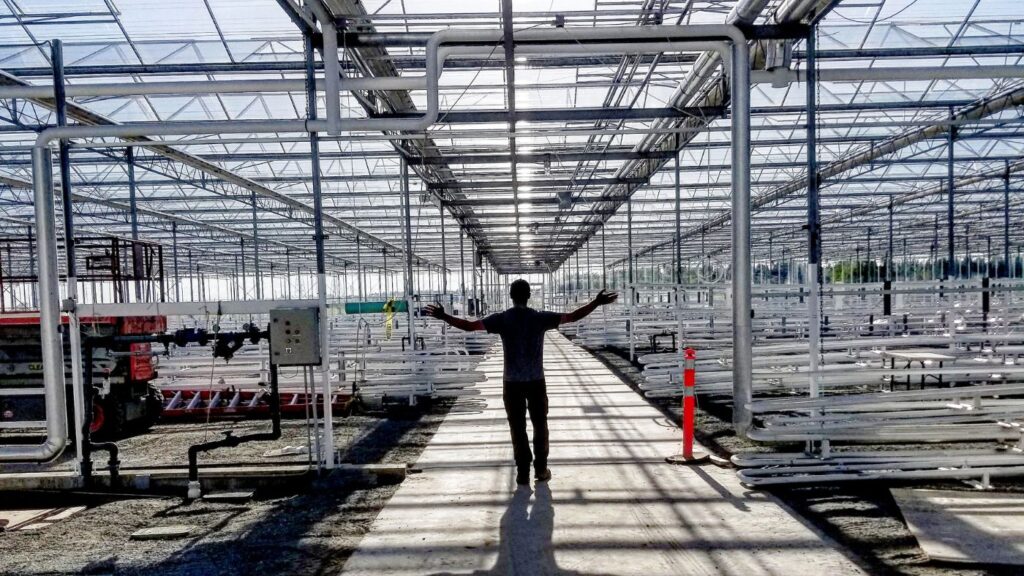 This guide covers the major considerations involved in planning and building a Virginia cannabis facility, with a focus on retail and cultivation operations and additional considerations relevant to processors and microbusinesses. It is written from the build side of the business, because that is where many otherwise-strong applicants stumble: they underestimate utility needs, local approvals, security infrastructure, commissioning, and the time required to convert a site into an inspection-ready operation.
 - Virginia Dual-Use Cannabis Conversion (2027): The $10M Medical-to-Adult-Use Pathway
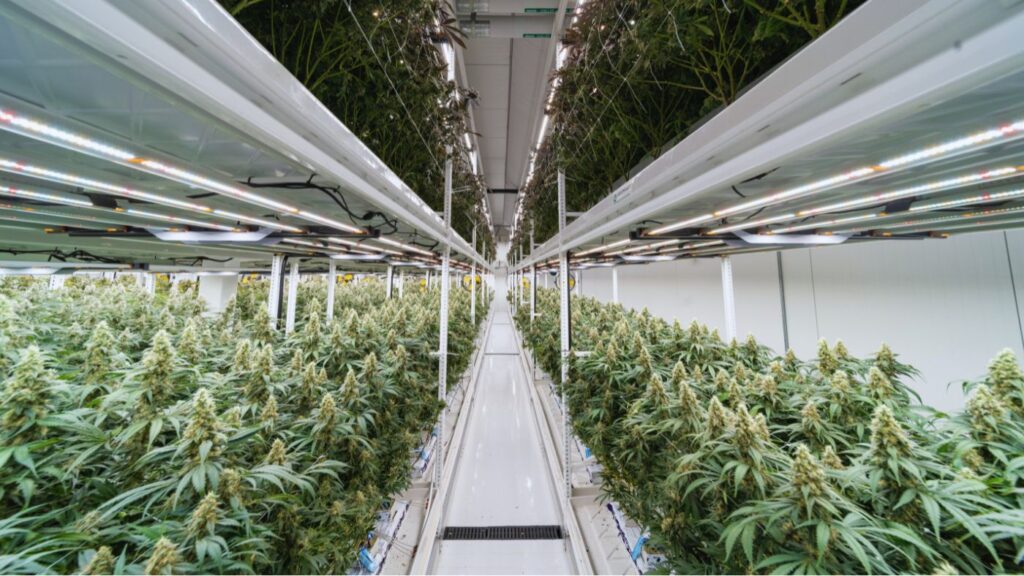 For Virginia’s existing medical cannabis operators, the 2026 retail framework created a distinct and high-stakes transition: pharmaceutical processors may apply for verification to exercise dual-use privileges and serve both registered medical patients and adult-use customers. The pathway covers the processor and its permitted cannabis dispensing facilities, and it carries a one-time $10 million fee, a required medical cannabis program preservation plan, an impact-licensee business accelerator commitment, and a firm May 1, 2027 payment or installment-plan deadline.
 - Virginia Impact Cannabis License (2027): Social Equity & the Equity Business Loan Fund
 Virginia’s adult-use cannabis framework creates a meaningful pathway for applicants from communities and backgrounds affected by cannabis prohibition and enforcement. The law does not create a separate, stand-alone impact license. Instead, it creates an impact-licensee designation that qualifying applicants may pursue alongside an underlying marijuana establishment license, such as retail, cultivation, processing, microbusiness, transportation, delivery, or testing.
 - Virginia Cannabis Microbusiness License (2027): Eligibility & the Two-Location Model
 This guide explains the initial eligibility pathways for the licenses the CCA may issue by May 1, 2027, the difference between a microbusiness license and an impact designation, the indoor and outdoor cultivation limits, the precise rules governing two locations, and the financial, security, and operational readiness standards applicants should prepare to demonstrate. Several implementation details – including fees and the specific combination of privileges the CCA will authorize – still depend on forthcoming regulations.
 - Virginia Cannabis Cultivation License (2027): The Tiered System Explained
 For operators whose strength is growing cannabis, Virginia’s emerging adult-use market presents a significant opportunity – and a cultivation license is the gateway to it. The June 2026 framework authorizes the Virginia Cannabis Control Authority (CCA) to begin accepting license applications on or after February 1, 2027 and issuing licenses on or after May 1, 2027. It also establishes five cultivation tiers with maximum canopies ranging from 5,000 to 35,000 square feet.