
Estimated reading time: 6 minutes
Table of contents

Introduction
Hawaii remains the oldest medical-only cannabis market in the nation. A status largely maintained by House lawmakers who continue to block efforts toward adult-use legalization. Despite ongoing proposals and some support from the upper chamber, legislative obstacles have kept Hawaii from joining the growing list of states that offer comprehensive cannabis reform.
Legislative Challenges
Efforts to legalize adult-use cannabis in Hawaii have faced significant setbacks. House Bill 1246, which aimed to legalize cannabis for those 21 and older and establish a commercial marketplace, met defeat on February 6. During a House floor session, Rep. Chris Todd, D-Hilo, introduced a motion to recommit the legislation for consideration in a future session. “On this particular bill, it became clear that we did not have enough support to pass the measure in this session,” Todd explained to Honolulu’s Civil Beat following the voice vote that postponed the bill until 2026.
Current Proposals and Progress
While the defeat of House Bill 1246 dealt a setback to adult-use legalization, hopes for reform are not entirely extinguished. In the upper chamber, Senate Bill 1613 serves as a companion measure with the potential to advance the cause. The bill received approval from the Health and Human Services Committee and the Judiciary Committee on February 13. However, its future remains uncertain. After referral to the Senate Committee on Ways and Means and the Committee on Commerce and Consumer Protection, the measure was unexpectedly removed from the decision-making schedule just two days before a public hearing was set to take place on February 26.
Adding to the legislative complexity, the Hawaii Senate passed an adult-use legalization bill for the second consecutive year on a 19-6 vote in March 2024. Yet, last year’s effort was ultimately stymied by the Hawaii House Finance Committee when it refused to hold a hearing. Committee Chair Kyle T. Yamashita, D-Keahua, described the issue as “deeply divisive,” underscoring the challenges that persist in achieving consensus on cannabis reform.
Public Opinion and the Future of Cannabis Reform
Despite these legislative hurdles, public sentiment in Hawaii favors adult-use cannabis legalization. According to a late 2023 Hawai’i Perspectives poll conducted by Pacific Resource Partnership, 58% of the state’s adults support reform. This growing support among voters highlights a disconnect between legislative action and the will of the people. Currently, Hawaii stands as the only state with a Democratic government trifecta that has yet to implement an adult-use cannabis program—a notable contrast given that Hawaii was the first state to legalize medical cannabis through the legislative process back in 2000.
Related reading: Tennessee Cannabis Legalization 2025, Indiana Cannabis Legalization 2025.
Conclusion
As Hawaii approaches future legislative sessions, the path to adult-use cannabis legalization remains uncertain but not entirely closed. While House lawmakers continue to impede progress, companion efforts in the Senate and robust public support signal that reform may eventually gain traction. The coming years will be crucial in determining whether Hawaii can overcome its legislative roadblocks and transition from a historic medical-only market to a fully integrated adult-use cannabis program.
Cannabis Legalization Hawaii 2025 FAQs
In-State & Out of State Registered patients and caregivers are prohibited from acquiring, possessing, cultivating, using, distributing or transporting cannabis or paraphernalia in ALL public places. This includes (but not limited to): Public Parks and Beaches.
While Hawaii was one of the most progressive states in the nation on cannabis reform when it became the first state to legalize medical cannabis via legislative action in 2000, it now represents the oldest medical-only market in the nation.
Yes, because recreational cannabis has not yet been legalized in Hawaii, you must have a valid medical marijuana card to purchase cannabis products. If you are a caregiver, you can also purchase medical cannabis on behalf of your patient.
Possession of more than three grams but less than one ounce of marijuana is a petty misdemeanor punishable by up to 30 days imprisonment and/or a fine of $1,000. Possession of one ounce or more but less than one pound is a misdemeanor punishable by up to one year imprisonment and/or a $2,000 fine.
Pakalolo is the Hawaiian word for cannabis and it literally means “numbing tobacco.” The chronicled use of cannabis in the Hawaiian Islands, appearing in the Hawaiian Language Newspaper Ka Nonanona, goes as far back as the year 1842 – though cannabis use probably goes back much further.
Getting a Hawaii 329 card is relatively easy, provided you meet these requirements: You’ve been certified for medicinal cannabis by a licensed medical marijuana doctor, which proves that you have one of the qualifying conditions for a medical card.
The Hawaii HIDTA region is one of the most significant cannabis cultivation and marijuana production areas in the nation.
The Hawaiian state government has taken greater lengths, however, to restrict the sale of CBD products than, perhaps, any other state. It’s legal to own and use any type of CBD product in Hawaii as long as it contains less than 0.3% THC — that much is clearly protected under federal law.
A certifying APRN must be a Hawaii-licensed Advanced Practice Registered Nurse with prescriptive authority and who is registered with the Department of Public Safety to prescribe controlled substances.
Additional Resources
Free eBooks For Cannabis Business Success




Latest Articles
- How Much Does It Cost to Open a Dispensary in 2026?
 The allure of jumping into the legalized cannabis industry often paints a picture of quick riches and burgeoning demand, yet the reality of establishing a licensed cannabis dispensary is far more nuanced, capital-intensive, and fraught with unique financial challenges. For aspiring entrepreneurs and seasoned investors alike, understanding the true dispensary startup costs is the absolute bedrock of success.
 - Virginia Cannabis Facility Design & Build-Out for the 2027 Market
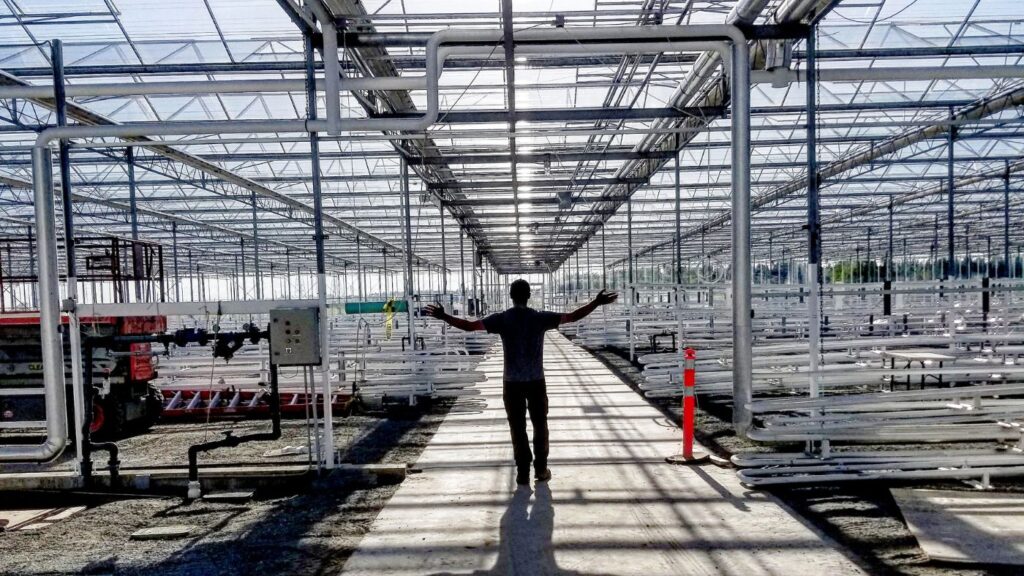 This guide covers the major considerations involved in planning and building a Virginia cannabis facility, with a focus on retail and cultivation operations and additional considerations relevant to processors and microbusinesses. It is written from the build side of the business, because that is where many otherwise-strong applicants stumble: they underestimate utility needs, local approvals, security infrastructure, commissioning, and the time required to convert a site into an inspection-ready operation.
 - Virginia Dual-Use Cannabis Conversion (2027): The $10M Medical-to-Adult-Use Pathway
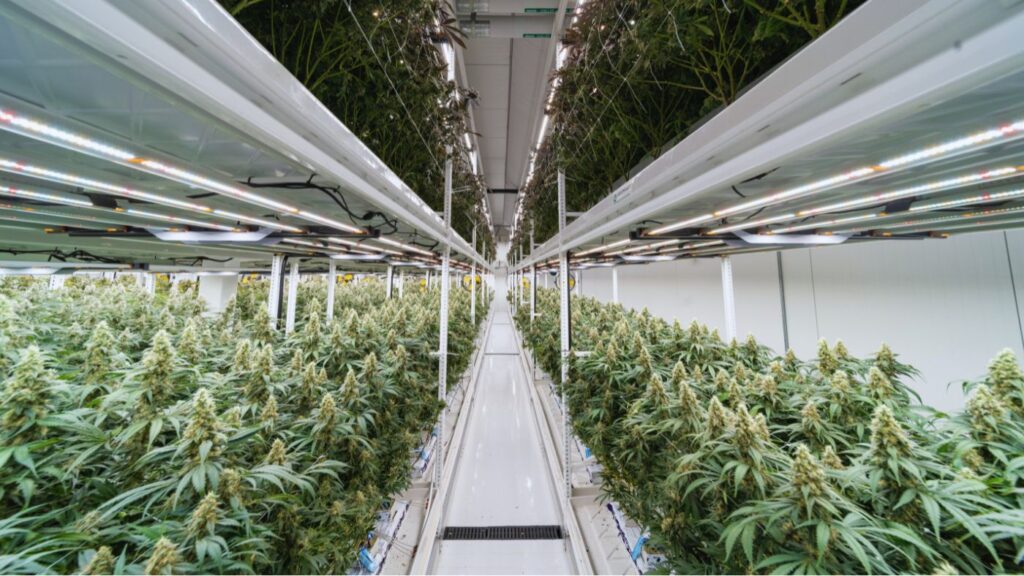 For Virginia’s existing medical cannabis operators, the 2026 retail framework created a distinct and high-stakes transition: pharmaceutical processors may apply for verification to exercise dual-use privileges and serve both registered medical patients and adult-use customers. The pathway covers the processor and its permitted cannabis dispensing facilities, and it carries a one-time $10 million fee, a required medical cannabis program preservation plan, an impact-licensee business accelerator commitment, and a firm May 1, 2027 payment or installment-plan deadline.
 - Virginia Impact Cannabis License (2027): Social Equity & the Equity Business Loan Fund
 Virginia’s adult-use cannabis framework creates a meaningful pathway for applicants from communities and backgrounds affected by cannabis prohibition and enforcement. The law does not create a separate, stand-alone impact license. Instead, it creates an impact-licensee designation that qualifying applicants may pursue alongside an underlying marijuana establishment license, such as retail, cultivation, processing, microbusiness, transportation, delivery, or testing.
 - Virginia Cannabis Microbusiness License (2027): Eligibility & the Two-Location Model
 This guide explains the initial eligibility pathways for the licenses the CCA may issue by May 1, 2027, the difference between a microbusiness license and an impact designation, the indoor and outdoor cultivation limits, the precise rules governing two locations, and the financial, security, and operational readiness standards applicants should prepare to demonstrate. Several implementation details – including fees and the specific combination of privileges the CCA will authorize – still depend on forthcoming regulations.
 - Virginia Cannabis Cultivation License (2027): The Tiered System Explained
 For operators whose strength is growing cannabis, Virginia’s emerging adult-use market presents a significant opportunity – and a cultivation license is the gateway to it. The June 2026 framework authorizes the Virginia Cannabis Control Authority (CCA) to begin accepting license applications on or after February 1, 2027 and issuing licenses on or after May 1, 2027. It also establishes five cultivation tiers with maximum canopies ranging from 5,000 to 35,000 square feet.