
Estimated reading time: 13 minutes
Table of contents
- Overview
- The Problem the Type 3 License Solves
- Who the Type 3 License Is For
- What the Branding-Only License Does Not Authorize
- How It Fits the No-Vertical-Integration Structure
- What You Still Need to Get Right
- Work With Catalyst BC on Your New York Type 3 Branding License
- Success Stories: See How Catalyst BC Has Helped Cannabis Businesses Enter and Lead the Market
- New York Type 3 Branding License FAQs
- Additional Resources
- Free eBooks For Cannabis Business Success
- Latest Articles
Editor’s Notes: This article is part of our New York 2026-2027 Licensing Hub. Other topics covered in this series are:
- How to Open a Dispensary in New York
- New York Cannabis Microbusiness License Guide
- New York Processor Type 3 Branding License Guide
- New York Cannabis Cultivation License Guide
- New York Cannabis Proximity Rules Guide
- New York Provisional-To-Operational Roadmap
Overview
Here’s something most New York cannabis guides won’t tell you clearly: while the general application window is closed, New York currently accepts Processor Type 3 Branding license applications year-round. For the right business, it can be an efficient way to establish a compliant brand presence in New York’s fast-growing adult-use market because it permits white-label agreements without requiring the brand licensee to operate a cannabis manufacturing facility. It does not, however, authorize the brand licensee to possess cannabis, manufacture products, distribute inventory, or sell directly to consumers. Having helped brands and operators navigate white-label and licensing structures across multiple states, I find the Type 3 Branding license genuinely underappreciated. This guide explains what it is, who it is for, and how it fits New York’s tightly regulated structure.
The Type 3 branding license exists to solve a specific problem in New York’s rules, and understanding that problem is the key to understanding the license.
The Problem the Type 3 License Solves
New York’s cannabis regulations restrict who a processor may enter into a branding or white-labeling agreement with. Generally, a processor may enter such an agreement with its True Parties of Interest (TPIs) or another authorized licensee. That creates a barrier for cannabis brands that want New York-licensed processors to manufacture products under their brand but do not want to become a TPI in the manufacturing processor or operate a plant-touching facility themselves.
The Processor Type 3 Branding license is the mechanism for that arrangement. It allows the brand licensee to enter white-label agreements with duly licensed New York cannabis processors without becoming a TPI in the manufacturing processor. In practical terms, the brand licensee may authorize use of its brand while an appropriately licensed processor manufactures the cannabis products. The resulting products must still move through New York’s licensed distribution and retail channels; the branding-only license does not itself authorize those activities.
| Feature | Detail |
| What it authorizes | White-label agreements with duly licensed New York processors without becoming a TPI in the manufacturing processor |
| Availability | Applications currently accepted year-round; confirm status on OCM’s licensing page before filing |
| Best fit | Brands seeking a regulated white-label presence without plant touching or a licensed cannabis premises |
| Application launch | Branding-only Type 3 application launched in 2024 under New York’s processor-license framework |
| Regulator | Office of Cannabis Management (OCM) |
Who the Type 3 License Is For
The Type 3 branding license suits a specific kind of operator, and it’s worth being honest about who benefits:
- Established brands from other markets or consumer categories that want a New York presence without operating a plant-touching facility, provided their ownership, TPI, and tier interests comply with New York law.
- Brand-first entrepreneurs whose competitive advantage is marketing, product design, and consumer relationships rather than manufacturing.
- Operators waiting for another application window who have a genuine brand and white-label business model that fits this license’s narrow authorization.
It is not a shortcut around New York’s broader rules or a placeholder for a future plant-touching license. Branding-only licensees must disclose ownership and TPIs and comply with restrictions involving undue influence, control, ownership limits, and tier violations. Brand names, packaging concepts, labels, and advertising must comply with New York requirements, while the licensed processor and other authorized supply-chain licensees remain responsible for the plant-touching, testing, inventory, transfer, and sales activities assigned to them by law.

Expert Insight – The license is only one part of the business. A Type 3 Branding license provides the regulatory basis for white-label agreements, but commercial success depends on a capable New York processor, a lawful distribution pathway, and retail demand. I advise applicants to evaluate a processing partner and the route to market before or alongside the application, while avoiding agreements that create prohibited control, revenue interests, or tier conflicts. The license opens a narrow lane; the contracts and licensed supply-chain relationships determine whether the brand can operate successfully within it.
Leif Olsen – Catalyst BC Chief Executive Officer
What the Branding-Only License Does Not Authorize
The branding-only Type 3 license does not authorize cannabis possession or plant touching, extraction, infusion, manufacturing, packaging or labeling at the brand licensee’s premises, wholesale distribution, or retail sales. It also cannot be amended into a plant-touching processor authorization. An appropriately licensed processor must manufacture and prepare the products, and authorized distributors and retailers must handle the downstream transfers and consumer sales. The branding licensee’s role is the regulated brand and white-label relationship, not physical control of cannabis inventory.
How It Fits the No-Vertical-Integration Structure
New York generally restricts cross-tier ownership and control, and the branding-only Type 3 license is designed to bring brand owners and their interests into the regulated system without requiring them to become TPIs of the processors manufacturing their products. The license does not automatically insulate every ownership or contractual arrangement from scrutiny. The applicant must disclose its TPIs, and the licensee must comply with rules addressing undue influence, control, ownership limits, revenue interests, and tier violations. It is a purpose-built lane for brands, not a backdoor to controlling the supply chain.
What You Still Need to Get Right
A Type 3 Branding license avoids a plant-touching facility, but it still requires a compliant structure and workable supply-chain relationships. To make it work, you’ll need:
- A compliant brand and product strategy that fits New York’s strict packaging, labeling, and advertising rules – including prohibitions on marketing that appeals to minors.
- An appropriately authorized New York processing partner capable of manufacturing the proposed product types to specification and in compliance with testing, GMP, packaging, labeling, inventory, and other applicable requirements.
- A lawful distribution pathway and retail-placement strategy, recognizing that the branding-only license does not authorize the brand licensee to distribute products or sell them to retailers or consumers.
- A clear understanding of the economics of a white-label model, where your margins depend on the terms of your processing agreements and your brand’s ability to command shelf space and consumer demand.

Expert Insight – Compliance lives in the product and the agreement, not just the application. A brand owner should not assume the manufacturing processor will cure every compliance issue. Brand names, label content, claims, imagery, and promotional strategy require direct attention, while the agreement should clearly allocate responsibility for formulation, manufacturing, testing, packaging, labeling, recalls, records, distribution, and regulatory changes. Build compliance into the brand and product strategy from day one; a valid branding license does not make a noncompliant label or campaign acceptable.
Michael Williamson – Catalyst BC Chief Operating Officer
For New York-specific support, see our New York cannabis consulting page.
Work With Catalyst BC on Your New York Type 3 Branding License
The Processor Type 3 Branding license can be a practical way to establish a compliant New York brand presence without operating a plant-touching facility – but only if the pieces around it are in place: compliant ownership and contracts, an appropriately licensed processing partner, a lawful distribution pathway, and a realistic route to retail shelves. That’s where Catalyst BC comes in. We help brands and operators structure white-label strategies, evaluate processing partnerships, develop compliant product and packaging approaches, and plan the distribution relationships that turn a branding license into shelf presence. Our consultants bring cross-market experience in cannabis branding, manufacturing, and distribution alongside regulatory strategy. With applications currently accepted year-round, this is one New York opportunity that qualifying businesses can pursue now. Contact our consulting team to build your New York brand the right way.
About the authors: This guide was prepared by the Catalyst BC cannabis consulting team. Catalyst BC advises cannabis operators and brands on state licensing strategy, white-label and branding structures, manufacturing and distribution partnerships, regulatory compliance, and operations across U.S. and international markets. This article is provided for informational purposes only and does not constitute legal advice; applicants should confirm current requirements with the New York Office of Cannabis Management and consult qualified counsel regarding their specific circumstances.
Success Stories: See How Catalyst BC Has Helped Cannabis Businesses Enter and Lead the Market
From initial startup and facility build-outs to high-value exit strategies, our cannabis consultants provide the expertise needed to navigate the complexities of the legal cannabis industry.


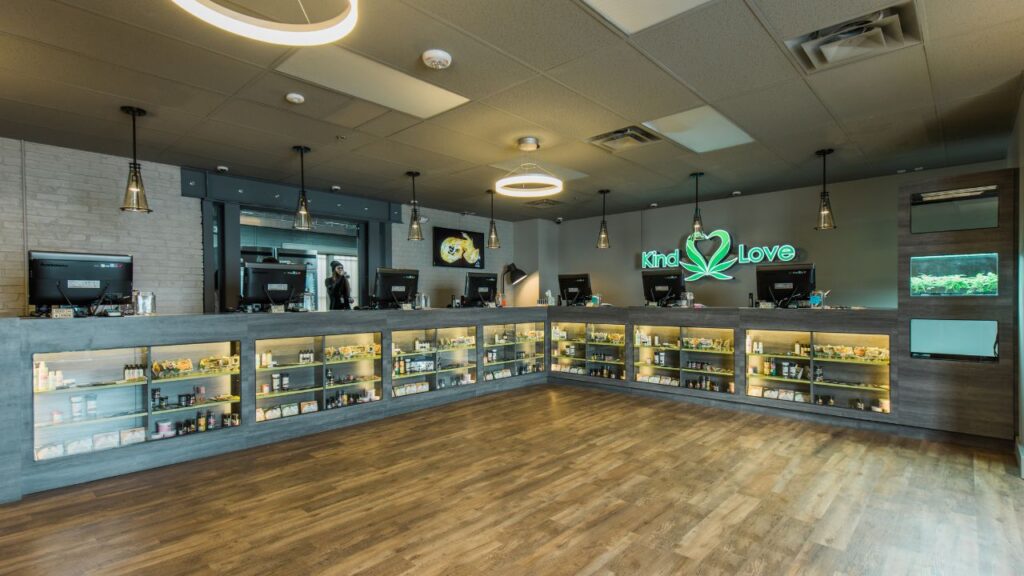
New York Type 3 Branding License FAQs
It is a branding-only processor authorization that allows a cannabis brand to enter white-label agreements with duly licensed New York processors without becoming a TPI in the manufacturing processor. It does not authorize plant touching, manufacturing, distribution, or retail sales and does not require a licensed cannabis premises in New York.
Yes. OCM currently lists Processor Type 3 Branding applications as accepted year-round. Availability and application instructions should still be confirmed on OCM’s licensing page immediately before filing.
Established brands and brand-first entrepreneurs with a compliant ownership structure, a viable white-label strategy, and an appropriately licensed New York processing partner may consider it. It should not be pursued merely as a placeholder while waiting for another license type.
No licensed cannabis premises is required for a branding-only Type 3 license, and it does not authorize plant-touching activity. The applicant may use its entity address in the application, while an appropriately licensed New York processor performs the authorized manufacturing work under the white-label arrangement.
The license is designed to function within New York’s tier restrictions, but the license alone does not validate every ownership or contractual structure. OCM collects ownership and TPI disclosures, and the licensee remains subject to undue-influence, control, ownership-limit, revenue-interest, and tier-violation rules.
An appropriately licensed processor to manufacture the products, a lawful distributor or distribution arrangement, and a retail-placement strategy. Agreements should be reviewed for TPI, control, revenue-interest, and tier issues before they are finalized.
The brand, label, claims, imagery, and advertising must comply with New York requirements, including restrictions on content attractive to people under 21 and on false, misleading, curative, or therapeutic claims. Plant-touching licensees remain responsible for testing, manufacturing, inventory, and other duties assigned to them, but the branding licensee cannot contract away its own licensing, TPI, ownership, or marketing obligations.
Your margins depend on your processing agreement terms and your brand’s ability to command shelf space and consumer demand. Model the economics carefully – a white-label model shifts your cost structure and your competitive levers toward brand strength and distribution.
Type 1 authorizes extraction plus Type 2 and Type 3 activities; Type 2 authorizes infusing and blending plus Type 3 activities. A branding-only Type 3 authorization is limited to the brand and white-label function and does not authorize plant touching. Other Type 3 authorizations involving packaging and labeling require a suitable licensed facility, so applicants should distinguish the branding-only application from a plant-touching Type 3 processor operation.
Applications are submitted through the New York Business Express process linked from OCM’s licensing page and are currently accepted year-round. The application includes the primary license application, optional SEE certification, TPI disclosures, and applicable location and operations information. Branding-only applicants may use their entity address and do not need a licensed cannabis premises, but should prepare the ownership structure, brand information, white-label plan, and proposed supply-chain relationships carefully.
Additional Resources
Free eBooks For Cannabis Business Success




Latest Articles
- How Much Does It Cost to Open a Dispensary in 2026?
 The allure of jumping into the legalized cannabis industry often paints a picture of quick riches and burgeoning demand, yet the reality of establishing a licensed cannabis dispensary is far more nuanced, capital-intensive, and fraught with unique financial challenges. For aspiring entrepreneurs and seasoned investors alike, understanding the true dispensary startup costs is the absolute bedrock of success.
 - Virginia Cannabis Facility Design & Build-Out for the 2027 Market
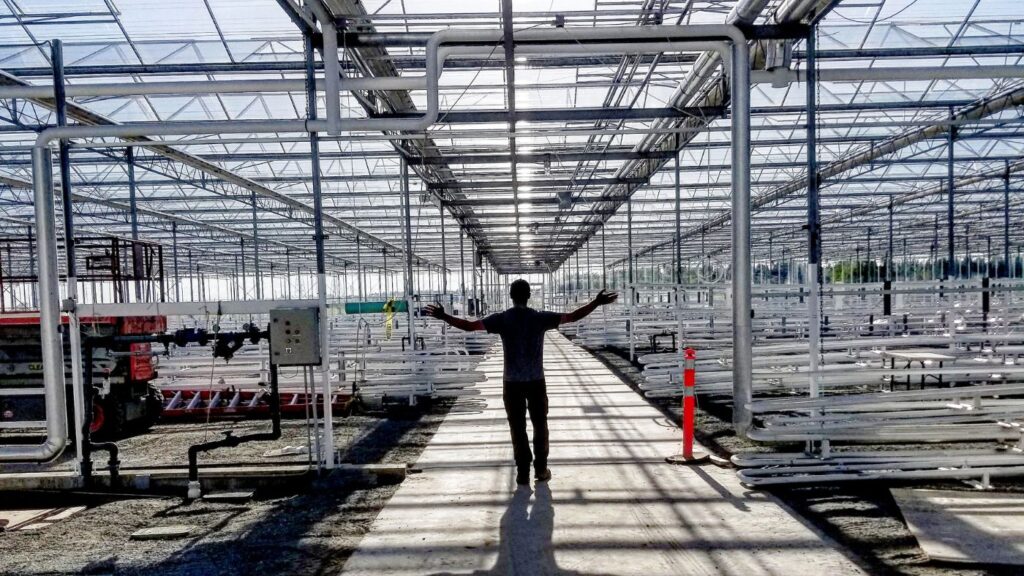 This guide covers the major considerations involved in planning and building a Virginia cannabis facility, with a focus on retail and cultivation operations and additional considerations relevant to processors and microbusinesses. It is written from the build side of the business, because that is where many otherwise-strong applicants stumble: they underestimate utility needs, local approvals, security infrastructure, commissioning, and the time required to convert a site into an inspection-ready operation.
 - Virginia Dual-Use Cannabis Conversion (2027): The $10M Medical-to-Adult-Use Pathway
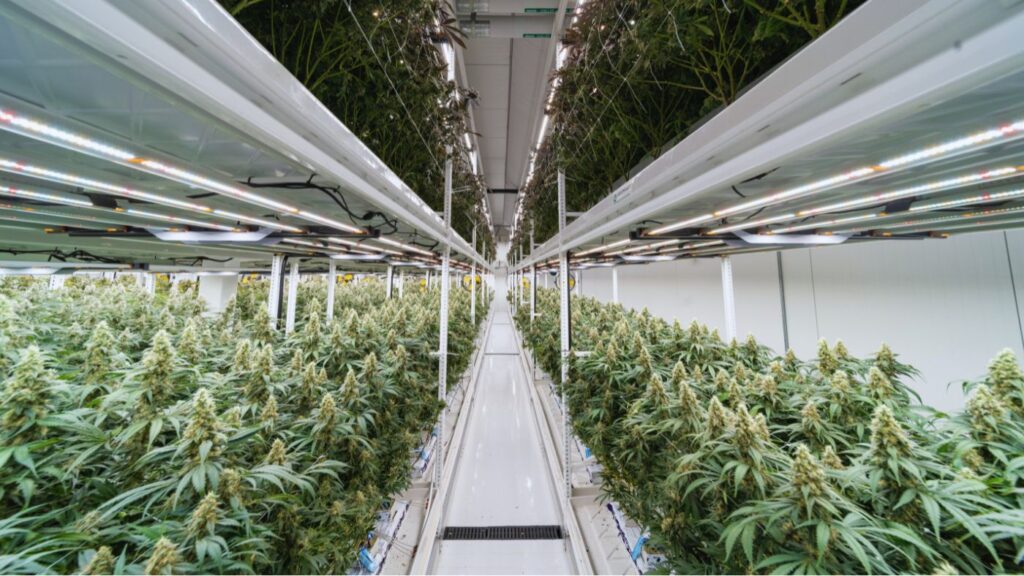 For Virginia’s existing medical cannabis operators, the 2026 retail framework created a distinct and high-stakes transition: pharmaceutical processors may apply for verification to exercise dual-use privileges and serve both registered medical patients and adult-use customers. The pathway covers the processor and its permitted cannabis dispensing facilities, and it carries a one-time $10 million fee, a required medical cannabis program preservation plan, an impact-licensee business accelerator commitment, and a firm May 1, 2027 payment or installment-plan deadline.
 - Virginia Impact Cannabis License (2027): Social Equity & the Equity Business Loan Fund
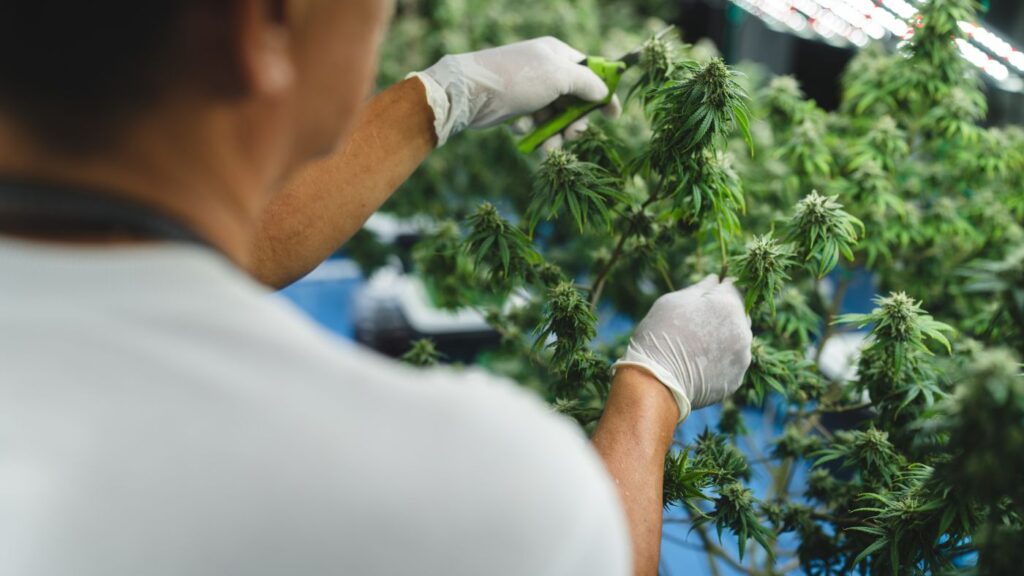 Virginia’s adult-use cannabis framework creates a meaningful pathway for applicants from communities and backgrounds affected by cannabis prohibition and enforcement. The law does not create a separate, stand-alone impact license. Instead, it creates an impact-licensee designation that qualifying applicants may pursue alongside an underlying marijuana establishment license, such as retail, cultivation, processing, microbusiness, transportation, delivery, or testing.
 - Virginia Cannabis Microbusiness License (2027): Eligibility & the Two-Location Model
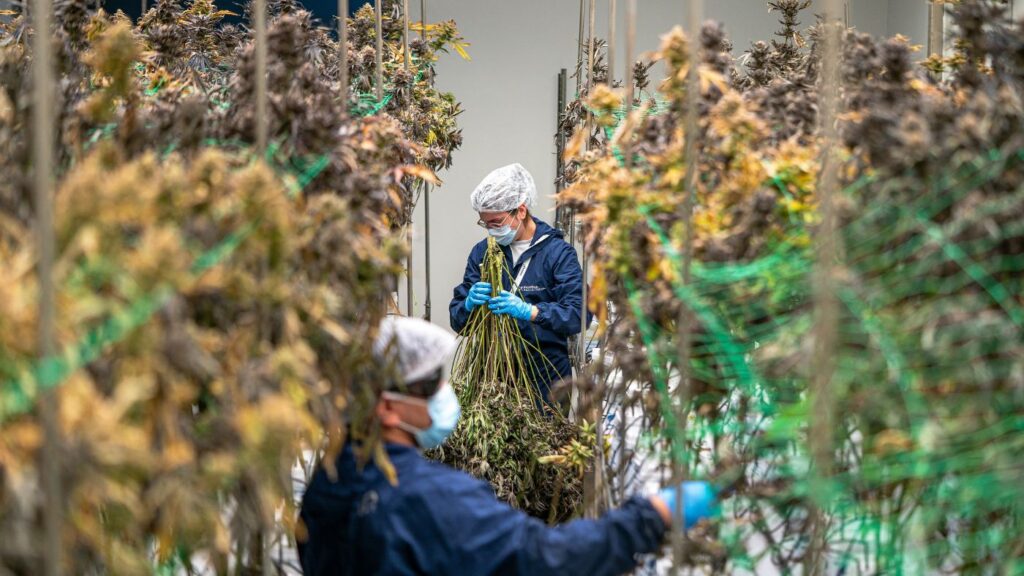 This guide explains the initial eligibility pathways for the licenses the CCA may issue by May 1, 2027, the difference between a microbusiness license and an impact designation, the indoor and outdoor cultivation limits, the precise rules governing two locations, and the financial, security, and operational readiness standards applicants should prepare to demonstrate. Several implementation details – including fees and the specific combination of privileges the CCA will authorize – still depend on forthcoming regulations.
 - Virginia Cannabis Cultivation License (2027): The Tiered System Explained
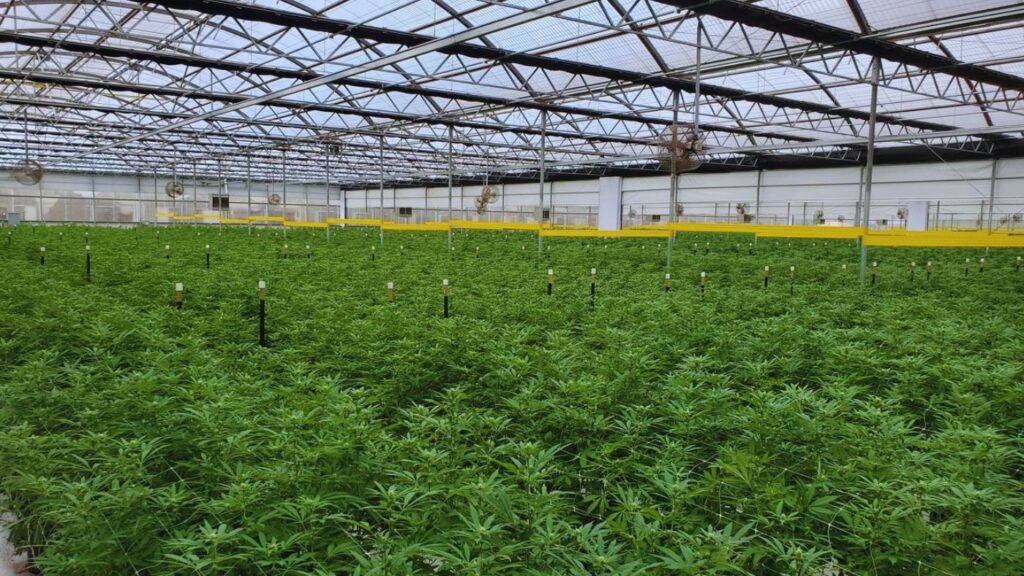 For operators whose strength is growing cannabis, Virginia’s emerging adult-use market presents a significant opportunity – and a cultivation license is the gateway to it. The June 2026 framework authorizes the Virginia Cannabis Control Authority (CCA) to begin accepting license applications on or after February 1, 2027 and issuing licenses on or after May 1, 2027. It also establishes five cultivation tiers with maximum canopies ranging from 5,000 to 35,000 square feet.