
Estimated reading time: 14 minutes
Table of contents
- Overview
- How New York Regulates Cannabis
- The Current State: A Closed Window and a Rolling Queue
- The New York License Landscape
- What’s Actually Open Right Now
- Your Complete New York Licensing Resource Library
- The Equity Framework and Its Advantages
- Location: The Rules That Shape Everything
- Work With Catalyst BC on Your New York Cannabis License
- Success Stories: See How Catalyst BC Has Helped Cannabis Businesses Enter and Lead the Market
- New York Cannabis License FAQs
- Additional Resources
- Free eBooks For Cannabis Business Success
- Latest Articles
Editor’s Notes: This article is part of our New York 2026-2027 Licensing Hub. Other topics covered in this series are:
- How to Open a Dispensary in New York
- New York Cannabis Microbusiness License Guide
- New York Processor Type 3 Branding License Guide
- New York Cannabis Cultivation License Guide
- New York Cannabis Proximity Rules Guide
- New York Provisional-To-Operational Roadmap
Overview
New York is one of the largest and most complex cannabis markets in the country – a market that has generated roughly $3.3 billion in adult-use retail sales since launch, expanded to more than 600 licensed retail dispensaries, and issued more than 2,100 adult-use licenses across the supply chain. If you’re trying to understand how to get a cannabis license in New York in 2026, the first thing to know is that this is not a fresh application market. It is a fast-growing, heavily regulated market still working through the 2023 adult-use application queues while opening only narrow, targeted opportunities. Having guided operators into cannabis markets across the country, I can tell you that New York rewards those who understand its specific structure – its two-tier market, True Party of Interest rules, equity priorities, location restrictions, and, critically, what is and is not actually open right now.
This guide is the hub for everything you need to understand New York cannabis licensing: how the market is regulated, every major license type, the current state of applications, and where to go deep on each path. Each section routes you to a detailed resource. Throughout, I’ll be precise about what is current versus what is still evolving, because in a market this dynamic, acting on outdated information is one of the most common and costly mistakes.
How New York Regulates Cannabis
New York legalized adult-use cannabis through the Marihuana Regulation and Taxation Act (MRTA) in March 2021, and the first legal adult-use sales began in December 2022. Two bodies run the program: the Office of Cannabis Management (OCM), which handles day-to-day licensing, compliance, regulation, and enforcement, and the Cannabis Control Board (CCB), which sets policy and approves licenses. The detailed rules live primarily in Title 9 of the New York Codes, Rules and Regulations. OCM oversees the adult-use, medical, and cannabinoid hemp industries, with a statutory goal of awarding 50% of adult-use licenses to Social and Economic Equity (SEE) applicants – individuals from communities disproportionately impacted by cannabis prohibition, minority- and women-owned businesses, distressed farmers, and service-disabled veterans.
Understanding that equity orientation is essential, but it is only one part of the structure. New York also uses a strict two-tier market architecture to keep production and retail interests separated, and it polices that structure through True Party of Interest disclosures, ownership caps, goods-and-services agreement rules, and undue-influence restrictions. In New York, licensing strategy is inseparable from ownership strategy.
The Current State: A Closed Window and a Rolling Queue
Here’s the single most important fact for anyone considering a New York license in 2026: there is no general adult-use application window open right now. The major adult-use window closed on December 18, 2023 after OCM received 6,790 submissions. Those applications were organized into randomized review queues by license type and timing, and OCM has been reviewing and issuing licenses from those queues on a rolling basis. Queue position determines the order in which OCM begins review; it does not guarantee licensure or determine the exact order licenses will be issued.
This means your path depends on your situation – whether you’re already in a queue, hold a provisional license, need an amendment or renewal, missed the 2023 window, or want to pursue one of the limited license types currently available. As of OCM’s current licensing guidance, the only adult-use applications available now are Processor Type 3 Branding and Processor Type 3 Flower. Everything else should be treated as a preparation or monitoring exercise until OCM announces another application window.
The New York License Landscape
New York offers a wide range of license types, structured deliberately to prevent vertical integration and promote diverse, specialized ownership.
| License type | What it authorizes |
| Adult-Use Retail Dispensary (AURD) | Retail sale and delivery of cannabis products to consumers 21+ from a licensed retail premises |
| CAURD | Conditional retail licenses issued to justice-involved individuals and qualifying nonprofits; no new CAURD window is open |
| Microbusiness | Limited cultivation, processing, distribution, delivery, and sale of the licensee’s own products |
| Cultivator | Growing, harvesting, drying, curing, grading, and trimming cannabis by cultivation tier |
| Processor (Types 1, 2, 3) | Extraction, manufacturing, packaging, labeling, branding, or limited flower packaging depending on processor type |
| Distributor | Wholesale distribution from licensed supply-tier businesses to retailers, delivery licensees, and on-site consumption sites |
| Nursery | Clones, seeds, immature plants, and other propagation material for licensed operators |
| Cooperative | Collectively organized cultivation, processing, distribution, and wholesale sales; not direct consumer retail |
| Delivery | Standalone consumer delivery license type; future application windows are anticipated |
| On-site consumption | Licensed cannabis consumption premises; future application windows are anticipated |
| Registered Organization (ROD/ROND) | Medical operators authorized for adult-use participation, either with dispensing (ROD) or without dispensing (ROND) |
Two structural rules cut across all of these. First, New York is a two-tier market: supply-side licensees generally cannot hold retail-tier interests, and retail-tier licensees generally cannot hold cultivation, processing, or distribution interests. Microbusinesses and registered organizations are limited exceptions. Second, TPI and ownership limits matter: a person with a controlling retail interest is generally limited to three retail dispensary licenses, and service-provider, financing, management, brand, and revenue-share arrangements must be reviewed under New York’s True Party of Interest and goods-and-services rules. These rules force applicants to choose a lane and structure every agreement carefully.
What’s Actually Open Right Now
Even with the general window closed, several genuine opportunities and active workstreams matter in 2026:
Processor Type 3 Branding and Type 3 Flower applications are currently available. Branding allows white-label agreements with licensed New York processors without plant-touching activity or a licensed premises; Type 3 Flower allows eligible cultivators to package, label, market, and sell flower products, but does not authorize extraction, infusion, rosin, hash, or vape filling.
Cultivation supply actions are active. In March 2026, OCM presented a potential 356,000-pound 2026 biomass supply gap and recommended targeted cultivation tier increases and review of remaining December cultivator queue applicants to address short- and longer-term supply needs.
License amendments and renewals are being processed. Location changes, cultivation-tier changes, ownership updates, and renewals require careful submissions; adult-use renewals must be filed no fewer than 60 days and no more than 120 days before license expiration.
Queue processing continues across the November and December 2023 queues. Being listed in a queue is not a guarantee of licensure; OCM still reviews eligibility, ownership compliance, and other application requirements.
Provisional license work remains urgent because all provisional CAURD and adult-use licenses were extended through December 31, 2026. Provisional licensees still need viable locations, compliant ownership, municipal notice where required, and complete operating materials to move toward final licensure.

Expert Insight – In New York, “open” is a moving target. More than almost any state, New York’s licensing status changes month to month – CCB resolutions, queue updates, proximity guidance, amendments, provisional-license extensions, and new targeted license pathways. The operators who succeed here treat OCM announcements, CCB meeting materials, LOCAL map updates, and TPI guidance as required reading. Anchor decisions to current OCM guidance, not to a guide written eighteen months ago.
Leif Olsen – Catalyst BC Chief Executive Officer
Your Complete New York Licensing Resource Library
This hub connects to six in-depth guides covering the licensing paths that matter most in 2026. Start with the one that fits your situation.
- Opening a retail store. The real path into New York retail right now – the closed window, the queue, and how to prepare. Read how to open a dispensary in New York.
- The equity on-ramp: microbusiness. New York’s limited-vertical small-business license, its canopy and activity rules, and who it suits. Explore the New York cannabis microbusiness license guide.
- Open now: Processor Type 3 Branding and Flower. The rolling-availability path for brands and eligible cultivators that want to package, label, brand, or white-label within the limits of the Type 3 license. Read the New York Processor Type 3 branding license guide.
- For growers: cultivation and canopy expansion. Cultivation tiers, canopy limits, PowerScore, and the 2026 expansion opportunity driven by OCM’s supply analysis. See the New York cannabis cultivation license and canopy expansion guide.
- Site selection: proximity rules. The buffer rules that make or break location decisions, and what the resolved proximity correction means for new sites. Read the New York cannabis proximity rules guide.
- After the award: provisional to operational. Turning a provisional license into an open, compliant business before the deadline. Explore the New York provisional-to-operational roadmap.
The Equity Framework and Its Advantages
Because SEE status is so central, it deserves its own note. Social and Economic Equity applicants receive a 50% reduction on application fees, application assistance, and license-review priority; eligible SEE licensees also receive a 50% reduction in licensing fees and support through the Cannabis Hub and Incubator Program. New York reports that SEE applicants have exceeded the statutory 50% goal across issued adult-use licenses. If you or your ownership group may qualify, documenting SEE eligibility early is high-value – but it should be paired with a compliant ownership and TPI structure, not treated as a stand-alone advantage.
Location: The Rules That Shape Everything
New York’s location rules are among the strictest in the nation and remain one of the biggest obstacles for retail and microbusiness applicants. Retail sites generally must satisfy the 500-foot school rule and 200-foot house-of-worship rule, and retail-to-retail distance requirements vary by municipal population. Public Convenience and Advantage requests can apply to retail-to-retail distance issues, but they do not cure prohibited school or house-of-worship conflicts. Municipal opt-outs also still matter for retail dispensary and on-site consumption locations. OCM’s LOCAL map is now the essential tool for checking current licenses, municipal status, and proximity reports. The 2026 proximity-protection legislation protects certain licensees and applicants affected by the school-proximity issue, but new locations or location changes after February 11, 2026 are reviewed under the updated standards.
For New York-specific support, see our New York cannabis consulting page.
Work With Catalyst BC on Your New York Cannabis License
New York is a major opportunity wrapped in genuine complexity – a closed general window, active queues, provisional-license deadlines, strict location and TPI rules, and an equity framework that rewards preparation. Whether you’re in the queue, holding a provisional license, preparing for the next window, pursuing a Processor Type 3 Branding or Flower license, or trying to make an existing license operational and profitable, the operators who succeed get the fundamentals right early. That’s what Catalyst BC does: licensing strategy across New York license types, SEE and ownership structuring, site and proximity analysis, capital planning, operations planning, and the facility design and build-out that turn a license into an operating business. Explore the deep-dive guides throughout this hub, then contact our cannabis consulting team to build your New York strategy.
About the authors: This guide was prepared by the Catalyst BC cannabis consulting team. Catalyst BC advises cannabis operators on state licensing strategy, ownership structuring, site selection and zoning, regulatory compliance, and cannabis facility design and commissioning across U.S. and international markets. This article is provided for informational purposes only and does not constitute legal advice; applicants should confirm current requirements with the New York Office of Cannabis Management and consult qualified counsel regarding their specific circumstances.
Success Stories: See How Catalyst BC Has Helped Cannabis Businesses Enter and Lead the Market
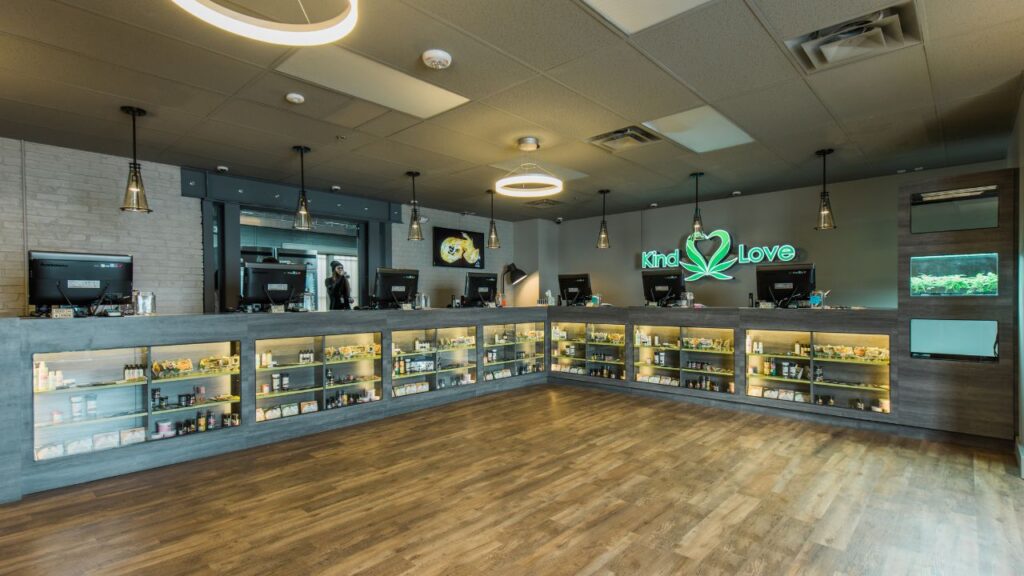
From initial startup and facility build-outs to high-value exit strategies, our cannabis consultants provide the expertise needed to navigate the complexities of the legal cannabis industry.


New York Cannabis License FAQs
Not through a general window. The 2023 adult-use window is closed and OCM is reviewing queue applications. The apply-now adult-use paths are Processor Type 3 Branding and Type 3 Flower.
OCM handles licensing, compliance, regulation, and enforcement; the CCB sets policy and approves licenses. The rules are primarily in Title 9 of the NYCRR under the MRTA.
Retail dispensary, CAURD, microbusiness, cultivator, processor, distributor, nursery, cooperative, delivery, on-site consumption, and registered organization adult-use licenses. Not all are currently open.
New York separates supply-side and retail-tier interests. Microbusinesses and registered organizations are limited exceptions. TPI, ownership-cap, goods-and-services, and undue-influence rules must be reviewed before signing key agreements.
Social and Economic Equity status supports OCM’s 50% licensing goal. SEE applicants receive fee reductions, application assistance, and review priority; eligible SEE licensees may also receive license-fee reductions and CHIP support.
New York has generated roughly $3.3 billion in adult-use retail sales since launch, with more than 600 licensed retail dispensaries and more than 2,100 adult-use licenses issued statewide.
Retail sites generally must satisfy the 500-foot school rule, 200-foot house-of-worship rule, and retail-to-retail separation rules. Municipal opt-outs still affect retail and on-site consumption. Use OCM’s LOCAL map before relying on any address.
Partly. New legislation protects certain affected licensees and applicants, but new sites or location changes after February 11, 2026 are reviewed under updated proximity standards.
Processor Type 3 Branding and Type 3 Flower. Branding is non-plant-touching and premises-free; Type 3 Flower is for eligible cultivators and limited to flower-related packaging, labeling, branding, and sale activities.
Renewals, amendments, provisional-to-final licensing, proximity review, TPI compliance, workforce training, packaging and labeling, PowerScore if you cultivate, profitability, and operational turnaround.
Additional Resources
Free eBooks For Cannabis Business Success




Latest Articles
- How Much Does It Cost to Open a Dispensary in 2026?
 The allure of jumping into the legalized cannabis industry often paints a picture of quick riches and burgeoning demand, yet the reality of establishing a licensed cannabis dispensary is far more nuanced, capital-intensive, and fraught with unique financial challenges. For aspiring entrepreneurs and seasoned investors alike, understanding the true dispensary startup costs is the absolute bedrock of success.
 - Virginia Cannabis Facility Design & Build-Out for the 2027 Market
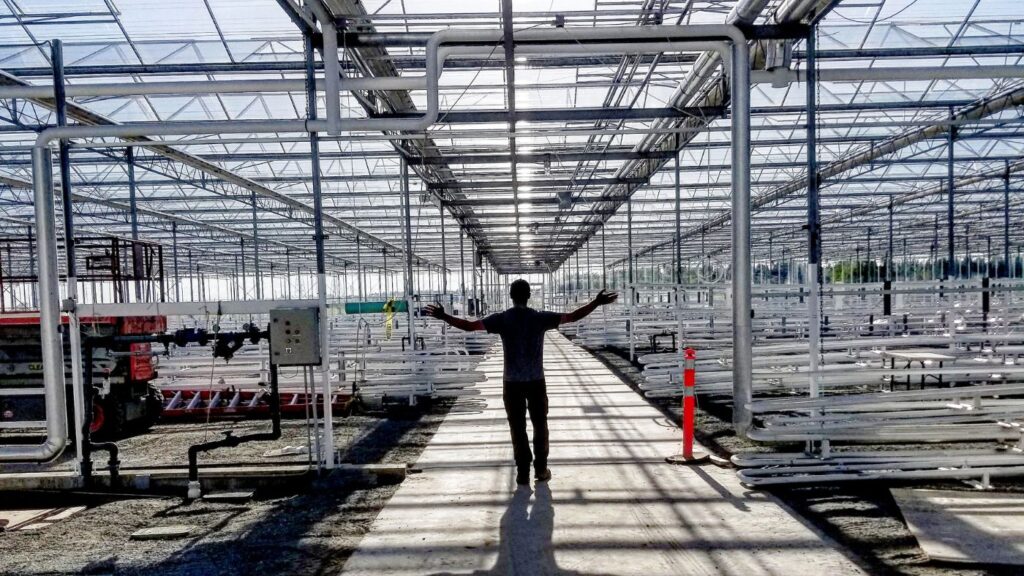 This guide covers the major considerations involved in planning and building a Virginia cannabis facility, with a focus on retail and cultivation operations and additional considerations relevant to processors and microbusinesses. It is written from the build side of the business, because that is where many otherwise-strong applicants stumble: they underestimate utility needs, local approvals, security infrastructure, commissioning, and the time required to convert a site into an inspection-ready operation.
 - Virginia Dual-Use Cannabis Conversion (2027): The $10M Medical-to-Adult-Use Pathway
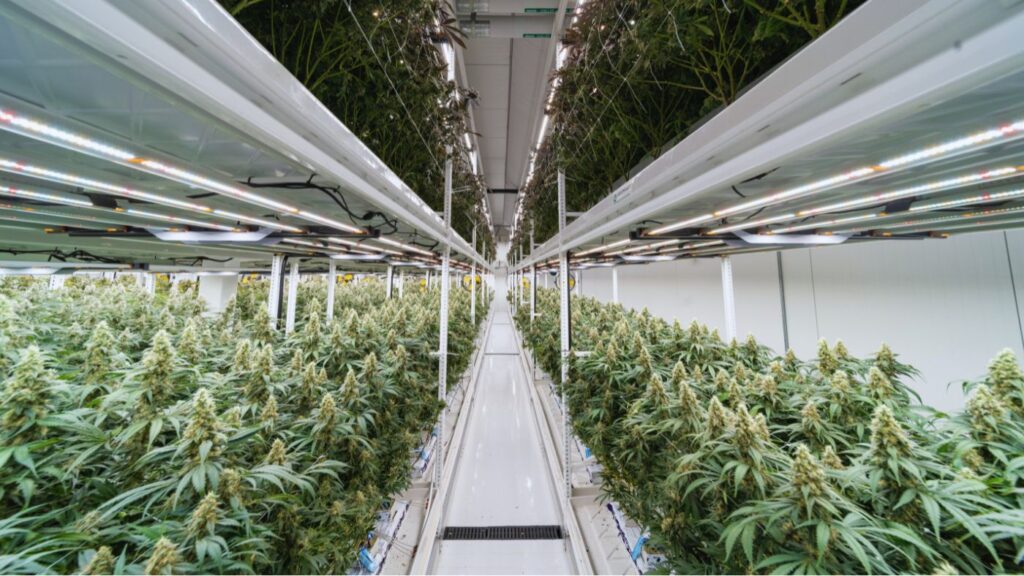 For Virginia’s existing medical cannabis operators, the 2026 retail framework created a distinct and high-stakes transition: pharmaceutical processors may apply for verification to exercise dual-use privileges and serve both registered medical patients and adult-use customers. The pathway covers the processor and its permitted cannabis dispensing facilities, and it carries a one-time $10 million fee, a required medical cannabis program preservation plan, an impact-licensee business accelerator commitment, and a firm May 1, 2027 payment or installment-plan deadline.
 - Virginia Impact Cannabis License (2027): Social Equity & the Equity Business Loan Fund
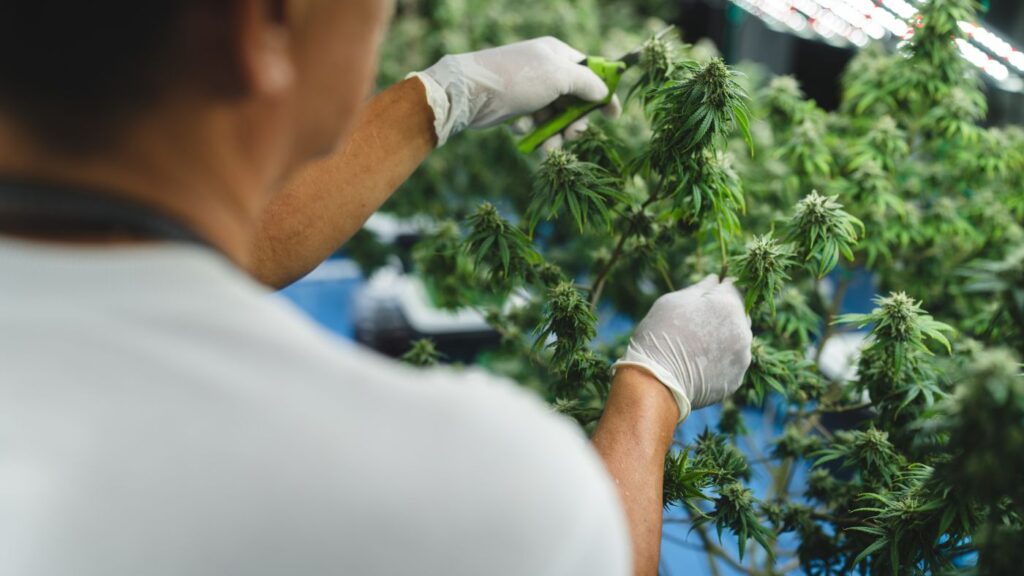 Virginia’s adult-use cannabis framework creates a meaningful pathway for applicants from communities and backgrounds affected by cannabis prohibition and enforcement. The law does not create a separate, stand-alone impact license. Instead, it creates an impact-licensee designation that qualifying applicants may pursue alongside an underlying marijuana establishment license, such as retail, cultivation, processing, microbusiness, transportation, delivery, or testing.
 - Virginia Cannabis Microbusiness License (2027): Eligibility & the Two-Location Model
 This guide explains the initial eligibility pathways for the licenses the CCA may issue by May 1, 2027, the difference between a microbusiness license and an impact designation, the indoor and outdoor cultivation limits, the precise rules governing two locations, and the financial, security, and operational readiness standards applicants should prepare to demonstrate. Several implementation details – including fees and the specific combination of privileges the CCA will authorize – still depend on forthcoming regulations.
 - Virginia Cannabis Cultivation License (2027): The Tiered System Explained
 For operators whose strength is growing cannabis, Virginia’s emerging adult-use market presents a significant opportunity – and a cultivation license is the gateway to it. The June 2026 framework authorizes the Virginia Cannabis Control Authority (CCA) to begin accepting license applications on or after February 1, 2027 and issuing licenses on or after May 1, 2027. It also establishes five cultivation tiers with maximum canopies ranging from 5,000 to 35,000 square feet.