

Estimated reading time: 13 minutes
Table of contents
- Overview
- What the Microbusiness License Allows
- The Canopy Limits
- The Processing Limits
- Fees and Eligibility
- Ownership and Interest Restrictions
- Site and Proximity Considerations
- Work With Catalyst BC on Your New York Microbusiness License
- Success Stories: See How Catalyst BC Has Helped Cannabis Businesses Enter and Lead the Market
- New York Cannabis Microbusiness License FAQs
- Additional Resources
- Free eBooks For Cannabis Business Success
- Latest Articles
Editor’s Notes: This article is part of our New York 2026-2027 Licensing Hub. Other topics covered in this series are:
- How to Open a Dispensary in New York
- New York Cannabis Microbusiness License Guide
- New York Processor Type 3 Branding License Guide
- New York Cannabis Cultivation License Guide
- New York Cannabis Proximity Rules Guide
- New York Provisional-To-Operational Roadmap
Overview
In a market that otherwise generally separates the supply and retail tiers, the New York cannabis microbusiness license is a limited exception – and that makes it one of the most interesting and most misunderstood licenses in the state. It allows one small-scale operator to cultivate cannabis and conduct at least one additional authorized activity: processing, distribution, or retail sale. For entrepreneurs who want operational control across production and sales, it can provide a meaningful path into New York’s fast-growing adult-use market. Having guided operators through limited-vertical and microbusiness structures in several states, I can tell you the model is powerful, but it demands competence across disciplines most operators specialize in one at a time. This guide explains what the license allows, its limits, and how to approach it.
A note on timing up front, because it shapes everything: microbusiness applications were part of New York’s 2023 window, which is now closed, and OCM is working through that queue. So this guide serves both those already in the queue and those preparing for a future window – with an honest view of where the opportunity actually stands.
What the Microbusiness License Allows
The defining feature of the New York microbusiness license is limited vertical integration. Unlike most standard licensees, a microbusiness must cultivate cannabis and engage in at least one additional activity – processing, distribution, or retail sale. Depending on the authorizations approved by OCM, the license may cover several activities:
| Activity | What the microbusiness can do |
| Cultivation | Required activity, within the approved canopy type and limit |
| Processing | If authorized, process its own biomass and a capped amount acquired from specified licensees |
| Distribution | If authorized, distribute only its own cannabis products to authorized retail and on-site consumption licensees |
| Retail sale | If authorized, sell and deliver only its own cannabis products to consumers through its approved retail operation |
This is the vertically integrated small-business model New York designed to let independent operators participate across the chain at limited scale – a deliberate counterweight to the large, single-tier operators that dominate most of the market.
The Canopy Limits
Cultivation is capped by canopy, and the limits are specific:
| Grow type | Canopy limit |
| Indoor | 3,500 sq ft |
| Mixed-light | 5,000 sq ft |
| Outdoor | 10,000 sq ft |
| Combined mixed-light + outdoor | 2,500 sq ft mixed-light and 5,000 sq ft outdoor |
These caps define the ceiling on your production, and – as with any canopy-limited license – they mean profitability is driven by yield and quality per square foot, not by growing more. For a microbusiness, that makes cultivation design and environmental control disproportionately important, because you’re competing on efficiency within a small footprint.
The Processing Limits
Processing has its own nuances that catch applicants off guard. If all biomass is cultivated solely by the microbusiness at its licensed premises, the 1,700-pound annual processing cap does not apply to that biomass. A microbusiness may also purchase up to 500 pounds of cannabis biomass, or the extract equivalent, per calendar year from specified New York licensees, including cultivators, microbusinesses, cooperatives or collectives, RODs, and RONDs. If outside biomass is incorporated into the operation, the microbusiness may process no more than 1,700 pounds of biomass per year, absent a specific exception such as an OCM-approved response to significant crop failure. Understanding these thresholds matters because they shape production capacity and the extent to which the business can supplement its own harvest.

Expert Insight – The microbusiness license is a decathlon, not a sprint. The appeal of operating across several tiers is also the trap. Depending on its approved activities, a microbusiness may need competence in cultivation, manufacturing compliance, distribution logistics, and retail customer service – disciplines that established companies staff with separate teams. I’ve watched capable growers stumble on retail compliance, and strong retailers struggle with cultivation. Before you pursue the full limited-vertical model, be honest about which activities you can execute well and where you’ll need to build or hire expertise. The license can authorize a broad range of activities; it doesn’t make an operator good at all of them.
Leif Olsen – Catalyst BC Chief Executive Officer
Fees and Eligibility
For the 2023 application round, the standard adult-use application fee was $1,000 and the microbusiness license fee was $4,500 for a two-year term. Applicable Social and Economic Equity applicants and licensees could qualify for fee reductions. Applicants also had to satisfy ownership and disclosure requirements and either document control of compliant premises or pursue the provisional pathway. Under the 2023 framework, a provisional applicant could receive up to 12 months after provisional approval to submit site-control and location materials; OCM later extended existing provisional CAURD and adult-use licenses through December 31, 2026. The terms of any future application round may differ.
The 2023 applications were submitted through the New York Business Express (NYBE) platform. Because that window is closed, the practical path today is either advancing an existing application through the queue or preparing the ownership structure, SEE documentation, capital plan, operating model, and site-selection strategy needed to move quickly if OCM announces another window.
Ownership and Interest Restrictions
The limited-vertical authorization does not allow a microbusiness to hold interests across the broader market. The licensed microbusiness entity cannot hold an interest in another cannabis license. Except for qualifying passive investors, a person generally may not hold an interest in more than one microbusiness or in another license that includes cultivation. A microbusiness and its True Parties of Interest may not hold a direct or indirect interest in a retail dispensary, delivery, or on-site consumption license, and a microbusiness and distributor generally may not share a True Party of Interest except for passive investors. Ownership and financing should be screened for tier violations before commitments are made.
Site and Proximity Considerations
A microbusiness must satisfy the location rules applicable to each activity it conducts. For a retail premises, the proximity requirements effective February 11, 2026, generally require at least 500 feet from the entrance of a school on the same street and 200 feet from the entrance of a same-street building used exclusively as a house of worship. Retail-to-retail spacing, municipal opt-out status, local zoning, and municipal-notification requirements may also apply. A microbusiness may place its retail premises separately from its cultivation and processing premises, but in New York City the retail premises must be in the same county as cultivation; outside New York City, it must be within 25 miles of cultivation and any processing premises. Use OCM’s LOCAL map as an initial screening tool and confirm the full location analysis before committing to a site.

Expert Insight – Design the operation as one integrated system. The mistake I see most often with vertically integrated microbusinesses is planning each tier in isolation – a grow plan, then separately a processing plan, then a retail plan. The operators who thrive design the whole thing as one connected system: canopy sized to feed processing capacity, processing tuned to the product mix the retail location can actually sell, and logistics that move product efficiently between them. The limited-vertical model only pays off when the tiers are engineered to work together, not just legally stacked.
Michael Williamson – Catalyst BC Chief Operating Officer
Work With Catalyst BC on Your New York Microbusiness License
The microbusiness license is one of New York’s most compelling opportunities – and one of its most demanding, because success may require executing across several approved activities as a coordinated operation. That’s precisely where Catalyst BC adds value: designing the system so canopy, processing capacity, product mix, distribution, and any retail component work together; navigating the canopy and processing limits; securing compliant sites; and building facilities that support a viable limited-vertical model. Our consultants bring deep expertise in cultivation and facility design alongside licensing and operations strategy across multiple markets. Whether you’re advancing through the queue or preparing for a possible future window, the integrated planning starts now. Contact our cannabis consulting team today to build a microbusiness designed to work as a whole.
Related: New York cannabis consulting.
About the authors: This guide was prepared by the Catalyst BC cannabis consulting team. Catalyst BC advises cannabis operators on state licensing strategy, microbusiness and vertical-operation design, cultivation and facility engineering, regulatory compliance, and operations across U.S. and international markets. This article is provided for informational purposes only and does not constitute legal advice; applicants should confirm current requirements with the New York Office of Cannabis Management and consult qualified counsel regarding their specific circumstances.
Success Stories: See How Catalyst BC Has Helped Cannabis Businesses Enter and Lead the Market
From initial startup and facility build-outs to high-value exit strategies, our cannabis consultants provide the expertise needed to navigate the complexities of the legal cannabis industry.


New York Cannabis Microbusiness License FAQs
It is a limited-vertical-integration license under which the operator must cultivate cannabis and conduct at least one additional OCM-authorized activity – processing, distribution, or retail sale. It is a limited exception to New York’s general separation of supply-side and retail interests.
Cultivation, plus one or more approved activities involving processing, distribution, or retail sale. If authorized, a microbusiness may distribute only its own cannabis products to licensed retailers and on-site consumption premises and may sell and deliver its own products to consumers through its approved retail operation.
3,500 sq ft indoor, 5,000 sq ft mixed-light, or 10,000 sq ft outdoor. If combining mixed-light and outdoor, the limits are 2,500 sq ft mixed-light and 5,000 sq ft outdoor. Profitability depends on yield and quality within these caps.
Yes. A microbusiness may purchase up to 500 pounds of cannabis biomass, or the extract equivalent, per calendar year from the license types specified by regulation. If it incorporates outside biomass, it may process no more than 1,700 pounds of biomass per year. The 1,700-pound cap does not apply when all biomass is cultivated solely by the microbusiness at its licensed premises.
For the 2023 round, the standard application fee was $1,000 and the microbusiness license fee was $4,500 for a two-year term. Qualifying SEE applicants and licensees could receive applicable fee reductions. Fees for any future round should be confirmed in the current OCM guidance.
Under the 2023 framework, an applicant could apply without site control and pursue provisional approval, then generally had up to 12 months to submit the required location materials. OCM subsequently extended existing provisional CAURD and adult-use licenses through December 31, 2026. Any future provisional pathway should be confirmed under the rules for that application round.
Yes, if retail is authorized. In New York City, the retail premises must be in the same county as cultivation. Outside New York City, it must be within 25 miles of the cultivation and any processing premises. The retail site must also satisfy the other zoning, proximity, municipal, and operational requirements applicable to retail dispensaries.
It may suit entrepreneurs who want operational control across production and sales, but it should not be treated as a low-capital license merely because its regulatory fees are lower than some alternatives. Facility, equipment, compliance, inventory, staffing, and working-capital needs can still be substantial. The right model depends on which approved activities the business can execute and finance effectively.
Microbusiness applications were part of the 2023 window, which is closed. The practical path today is advancing through the existing queue or preparing a window-ready application for the next opening. Monitor cannabis.ny.gov for announcements.
A standard adult-use retail dispensary operates on the retail tier and may purchase compliant products from authorized suppliers. A microbusiness must cultivate and may receive approval for processing, distribution, and/or retail at limited scale. It offers greater control over its own products but carries broader operational responsibilities and may sell only its own cannabis products through its retail authorization.
Additional Resources
Free eBooks For Cannabis Business Success




Latest Articles
- How Much Does It Cost to Open a Dispensary in 2026?
 The allure of jumping into the legalized cannabis industry often paints a picture of quick riches and burgeoning demand, yet the reality of establishing a licensed cannabis dispensary is far more nuanced, capital-intensive, and fraught with unique financial challenges. For aspiring entrepreneurs and seasoned investors alike, understanding the true dispensary startup costs is the absolute bedrock of success.
 - Virginia Cannabis Facility Design & Build-Out for the 2027 Market
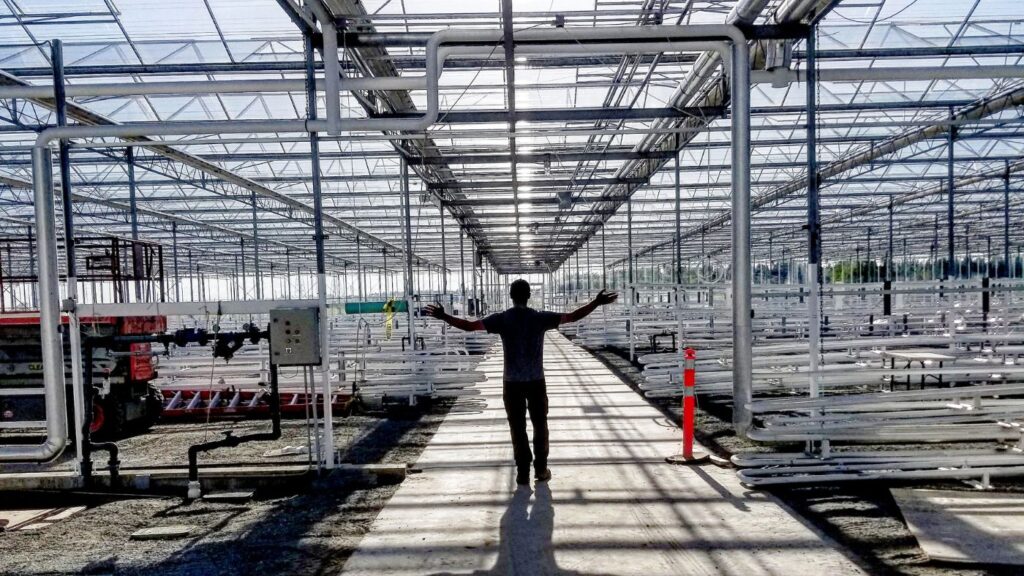 This guide covers the major considerations involved in planning and building a Virginia cannabis facility, with a focus on retail and cultivation operations and additional considerations relevant to processors and microbusinesses. It is written from the build side of the business, because that is where many otherwise-strong applicants stumble: they underestimate utility needs, local approvals, security infrastructure, commissioning, and the time required to convert a site into an inspection-ready operation.
 - Virginia Dual-Use Cannabis Conversion (2027): The $10M Medical-to-Adult-Use Pathway
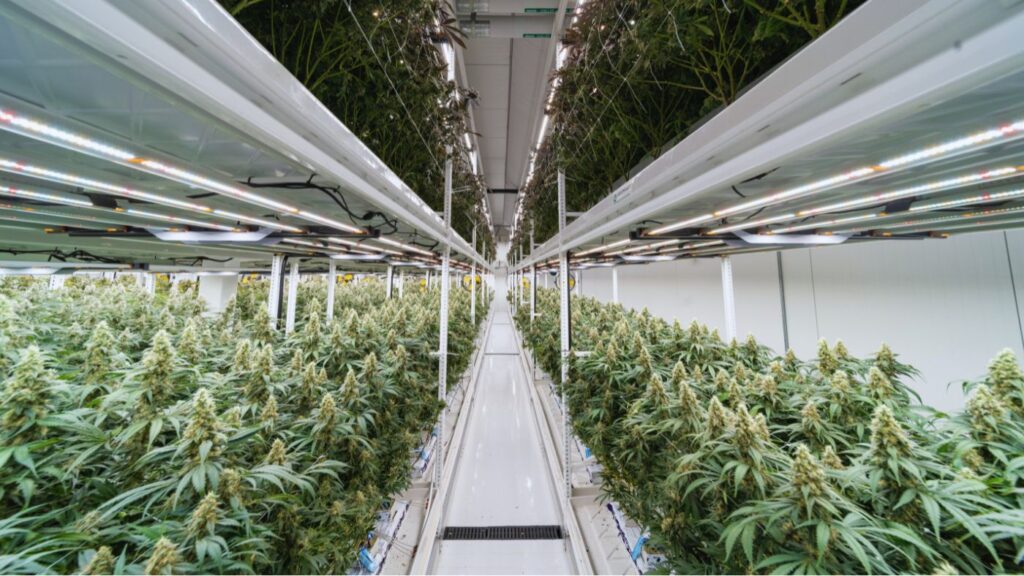 For Virginia’s existing medical cannabis operators, the 2026 retail framework created a distinct and high-stakes transition: pharmaceutical processors may apply for verification to exercise dual-use privileges and serve both registered medical patients and adult-use customers. The pathway covers the processor and its permitted cannabis dispensing facilities, and it carries a one-time $10 million fee, a required medical cannabis program preservation plan, an impact-licensee business accelerator commitment, and a firm May 1, 2027 payment or installment-plan deadline.
 - Virginia Impact Cannabis License (2027): Social Equity & the Equity Business Loan Fund
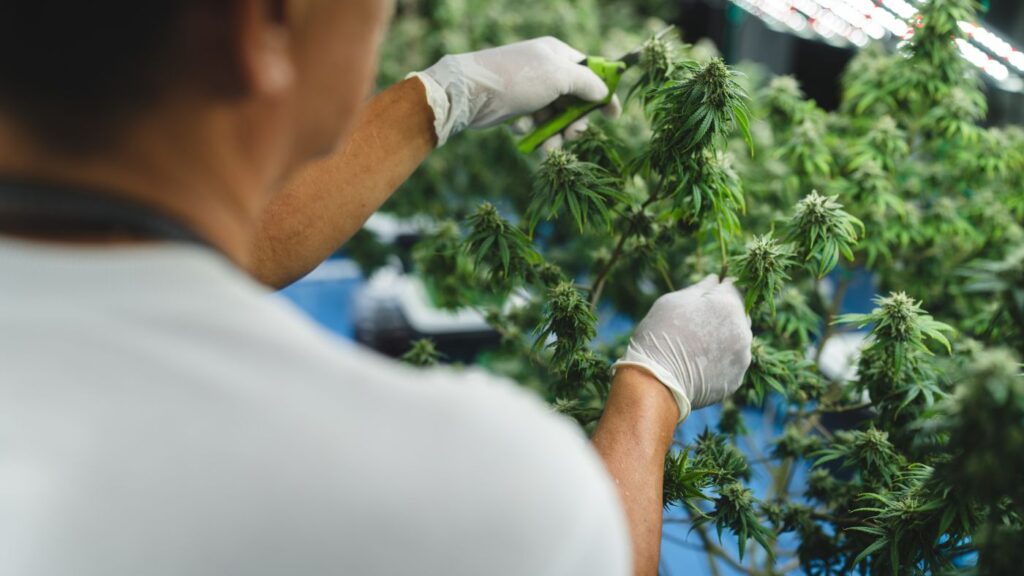 Virginia’s adult-use cannabis framework creates a meaningful pathway for applicants from communities and backgrounds affected by cannabis prohibition and enforcement. The law does not create a separate, stand-alone impact license. Instead, it creates an impact-licensee designation that qualifying applicants may pursue alongside an underlying marijuana establishment license, such as retail, cultivation, processing, microbusiness, transportation, delivery, or testing.
 - Virginia Cannabis Microbusiness License (2027): Eligibility & the Two-Location Model
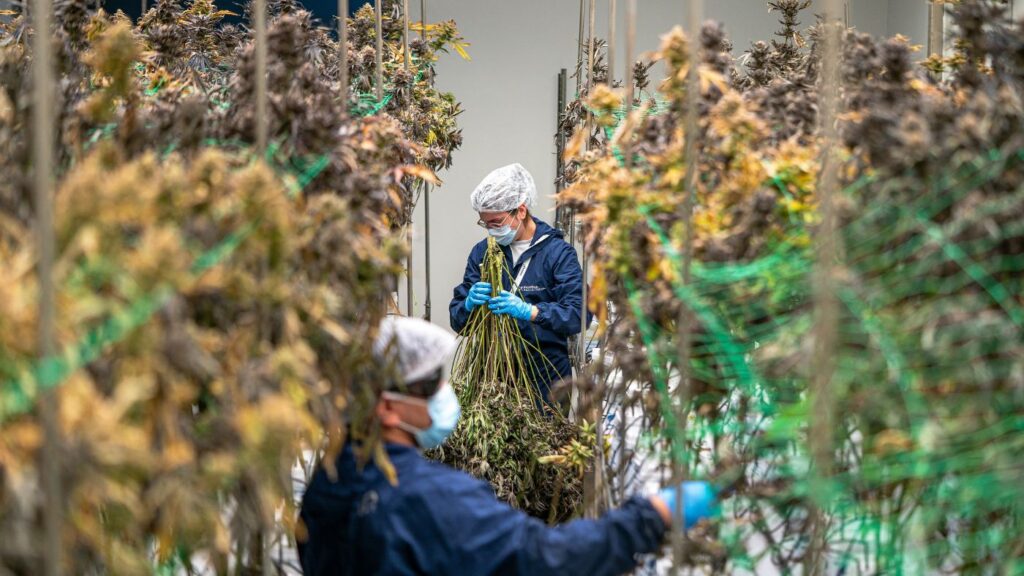 This guide explains the initial eligibility pathways for the licenses the CCA may issue by May 1, 2027, the difference between a microbusiness license and an impact designation, the indoor and outdoor cultivation limits, the precise rules governing two locations, and the financial, security, and operational readiness standards applicants should prepare to demonstrate. Several implementation details – including fees and the specific combination of privileges the CCA will authorize – still depend on forthcoming regulations.
 - Virginia Cannabis Cultivation License (2027): The Tiered System Explained
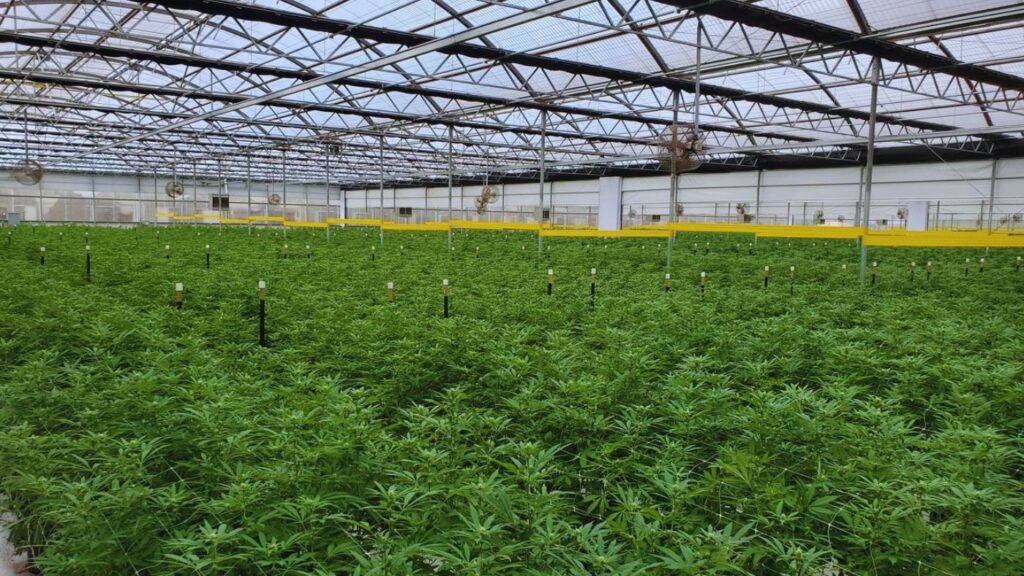 For operators whose strength is growing cannabis, Virginia’s emerging adult-use market presents a significant opportunity – and a cultivation license is the gateway to it. The June 2026 framework authorizes the Virginia Cannabis Control Authority (CCA) to begin accepting license applications on or after February 1, 2027 and issuing licenses on or after May 1, 2027. It also establishes five cultivation tiers with maximum canopies ranging from 5,000 to 35,000 square feet.