
Estimated reading time: 9 minutes
Table of contents
- Introduction
- The 2026–2027 Regulatory Roadmap
- Missouri’s Licensing Taxonomy: Comprehensive vs. Microbusiness
- Social Equity and the Lottery Mandate
- Operational Requirements and Compliance (2026 Standards)
- The Economics of Entry: FY 2026 Fees
- Strategic Market Gaps and the 2026 Decision
- Missouri Cannabis Licensing and Business Opportunities 2026 FAQs
- Additional Resources
- Free eBooks For Cannabis Business Success
- Latest Articles
Cliff Notes: Missouri’s Cannabis Maturation and Strategic Entry 2026
Objective: Missouri has evolved into a premier Midwest success story, with the 2026–2027 biennium shifting focus from rapid expansion toward operational maturation and specialized social equity entry. For investors and entrepreneurs, the current window offers a final opportunity to enter via the mandated Microbusiness program or prepare for a potential “open market” shift following the November 2026 ballot decision.
Key Components:
- Round 3 Lottery: The final lottery for 48 licenses (16 dispensary, 32 wholesale) is expected in late 2026, serving as the primary entry point for social equity applicants.
- Social Equity Mandate: Microbusiness licenses are exclusively reserved for those meeting specific criteria, including financial distress, prior legal impact, or veteran status.
- Single Market Amendment: On November 3, 2026, voters will decide on a constitutional amendment that could remove license caps and unify hemp and marijuana oversight.
- Compliance Standards: Operations require strict METRC integration, 24/7 high-resolution video surveillance, and adherence to unannounced state reference lab testing.
- Market Gaps: While urban centers like St. Louis are saturated, strategic opportunities remain in rural border counties benefiting from cross-border traffic from neighboring prohibition states.
- Closed-Loop Ecosystem: Micro-wholesalers are limited to 250 flowering plants and must sell exclusively to micro-dispensaries, fostering a specialized “craft” market.
Surviving the Missouri lottery is only the first step; the subsequent “eligibility review” is where most applicants fail. Contact Catalyst BC today for expert assistance in eligibility auditing, facility design, and building “audit-ready” documentation to ensure your winning draw results in a permanent license.
Introduction
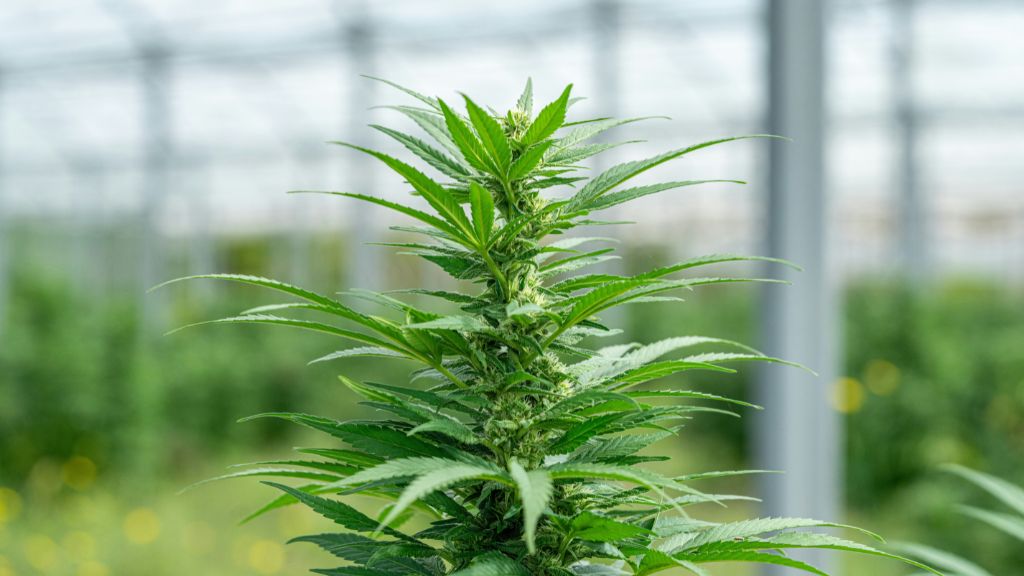
Missouri has established itself as the premier success story for cannabis in the Midwest, evolving from a standard medical regime to a high-volume adult-use market that exceeded $1.52 billion in annual sales in 2025. As the market enters the 2026–2027 biennium, the landscape is shifting from rapid expansion toward operational maturation and specialized entry. For new entrepreneurs and institutional investors, the primary opportunities lie in the final waves of the state’s mandated Microbusiness program and the potential for a seismic regulatory shift via the 2026 “Single Market” ballot initiative.
The 2026–2027 Regulatory Roadmap
The Missouri market is overseen by the Division of Cannabis Regulation (DCR) within the Department of Health and Senior Services. The 2026 timeline is defined by the “Round 3” lottery for microbusinesses and a pivotal constitutional decision by voters in November that could remove existing license caps and unify hemp and marijuana oversight.
| Key Milestone | Expected Date | Operational Impact |
| FY 2026 Fee Adjustment | January 1, 2026 | Implementation of new tiered fee schedule adjusted for CPI. |
| Microbusiness Round 3 Window | Expected Late 2026 | Final lottery for 48 licenses (16 dispensary, 32 wholesale). |
| Single Market Ballot Decision | November 3, 2026 | Voters decide on a constitutional amendment to remove license caps. |
| Market Transition Phase | Early 2027 | Enforcement of new rules for intoxicating hemp parity if the initiative passes. |
Missouri’s Licensing Taxonomy: Comprehensive vs. Microbusiness
Missouri operates a highly structured system that distinguishes between “Comprehensive” facilities (serving both medical and adult-use) and “Microbusinesses” (designed as small-business incubators).
- Comprehensive Dispensary/Cultivation: These licenses are currently capped, with new authorizations typically occurring only through the acquisition of existing facilities or if the DCR determines a market need.
- Microbusiness Dispensary: Authorized to sell cannabis products to medical patients, adult-use consumers, and other microbusinesses. These are the only retail licenses currently being issued via lottery.
- Microbusiness Wholesale: This license allows for cultivation (up to 250 flowering plants) and manufacturing. Importantly, micro-wholesalers can only sell their products to micro-dispensaries, creating a “closed loop” artisanal ecosystem.
- Ancillary Certifications: Independent tracks exist for Transportation, Seed-to-Sale, and Laboratory Testing, which are critical as the state implements its $3.8 million state reference lab for potency verification.
Social Equity and the Lottery Mandate
Missouri’s Microbusiness program is exclusively reserved for individuals meeting specific social equity criteria. To qualify, applicants must be majority-owned by individuals meeting at least one of several qualifiers:
- Financial Distress: Net worth of less than $250,000 and income below 250% of the federal poverty level for 3 of the last 10 years.
- Legal Impact: A prior non-violent marijuana conviction (personal or family).
- Geographic Disadvantage: Residency in a zip code with high incarceration rates for marijuana or 30%+ poverty levels.
- Veteran Status: Service-connected disability as verified by the VA.
- Educational Hardship: Graduation from an unaccredited school district.
Licenses are awarded via a random drawing conducted by the Missouri Lottery to ensure impartiality. However, winning a lottery spot only triggers a rigorous “eligibility review” where failure to provide perfect documentation leads to immediate disqualification.
Operational Requirements and Compliance (2026 Standards)
Operating in Missouri requires a sophisticated “compliance-first” approach. The state mandates METRC integration with real-time RFID tagging and 24-hour discrepancy reporting.
- Security Standards: Facilities must have 24/7 video surveillance with at least 1080p resolution and 60-day storage. Vaults must have specific ratings for forced entry resistance (e.g., 20 man-hours against manipulation).
- Packaging & Advertising: DCR strictly prohibits packaging that appeals to children (no cartoons, candy-like fonts). Marketing depicting consumption or using influencers is banned, and exterior signage is limited to white or yellow lighting.
- State Reference Lab: Starting in 2025–2026, the state reference lab conducts unannounced inspections and batch testing to verify that THC levels on labels match the actual product, making precision in cultivation non-negotiable.
The Economics of Entry: FY 2026 Fees
Missouri updates its fee schedule annually based on the Consumer Price Index (CPI). The following represents the 2026 fee structure for major license types.
| Entity Type | Application Fee | Annual Fee | Renewal (Every 3 Yrs) |
| Comprehensive Dispensary | $7,878.66 | $11,255.23 | $7,878.66 |
| Comprehensive Cultivation | $13,506.28 | $28,138.09 | $13,506.28 |
| Microbusiness (All) | $1,500.00 | $1,500.00 | $1,500.00 |
| Transportation Cert. | $2,813.81 | $2,813.81 | $2,813.81 |
While initial investment for a Microbusiness is lower, operational build-outs for a compliant dispensary in high-traffic hubs like St. Louis or Kansas City typically range from $100,000 to $250,000.
Strategic Market Gaps and the 2026 Decision
As of early 2026, Missouri has over 250 licensed dispensaries. While urban saturation is high, “market gaps” persist in rural border counties where 19 million residents from neighboring prohibition states (such as Tennessee and Kansas) provide a steady influx of cross-border traffic.
The defining strategic question for 2027 is the Single Market Amendment. If passed in November 2026, it would remove license caps and possession limits, potentially turning Missouri into a deregulated “open market” similar to Oklahoma or alcohol retail. Operators should prepare for both a continuation of the current “oligopoly” and a potential pivot toward a unified, cap-free market.
The Missouri market rewards technical precision but punishes documentation errors. If you are pursuing a Round 3 Microbusiness license or navigating the complexities of METRC compliance and the 2026 ballot pivot, contact Catalyst BC for comprehensive support in eligibility auditing, facility design, and performance-driven operational strategy.
Or, explore our Missouri Cannabis Consulting page to learn more about our services tailored to the ‘Show-Me State’.
Missouri Cannabis Licensing and Business Opportunities 2026 FAQs
The Division of Cannabis Regulation (DCR) is expected to announce the final window for the remaining 48 microbusiness licenses (16 dispensary, 32 wholesale) in late 2025 or early 2026.
Microbusiness wholesalers are restricted to a maximum of 250 flowering plants at any given time, forcing a focus on high-margin, artisanal “craft” genetics.
No. Cross-ownership is strictly prohibited. An owner of a microbusiness facility cannot also hold a medical or comprehensive marijuana facility license.
For Microbusinesses, there is no residency requirement to apply. However, standard commercial licenses (Comprehensive) require applicants to be Missouri residents for at least one year.
Applicants using the financial distress criteria must demonstrate a net worth of less than $250,000 and an income below 250% of the federal poverty level.
Facility licenses are valid for three years and must be renewed between 30 and 90 days prior to their expiration date.
Yes. Proposed rule amendments (19 CSR 100-1.180) have moved to establish permanent protocols for curbside pickup to improve patient and consumer accessibility.
Dispensaries must be at least 300 feet from schools, daycares, and churches. Production facilities (cultivation/manufacturing) must maintain a larger 750-foot buffer from schools.
It is a proposed constitutional amendment that would remove cannabis license caps, lower fees to alcohol parity levels, and allow sales in outlets like gas stations or grocery stores.
The lottery is just the first hurdle; the subsequent document audit is where many applicants fail. Contact Catalyst BC for expert assistance; their team ensures your ownership disclosures, financial statements, and blueprints are flawless and “audit-ready” to prevent disqualification after a winning draw.
Additional Resources
Free eBooks For Cannabis Business Success




Latest Articles
- Missouri Cannabis Licensing & Business Opportunities 2026
 Missouri has established itself as the premier success story for cannabis in the Midwest, evolving from a standard medical regime to a high-volume adult-use market that exceeded $1.52 billion in annual sales in 2025. As the market enters the 2026–2027 biennium, the landscape is shifting from rapid expansion toward operational maturation and specialized entry.
 - North Carolina Cannabis Licensing & Business Opportunities 2026
 North Carolina remains one of the final significant jurisdictions in the United States without a comprehensive medical or adult-use cannabis program. However, the 2026–2027 biennium is projected to be the most consequential period in the state’s cannabis history. Driven by the formation of the North Carolina Advisory Council on Cannabis and an impending federal “hemp cliff,” the state is moving from a period of passive prohibition toward a structured, albeit highly restrictive, regulatory framework.
 - Nebraska Cannabis Licensing & Business Opportunities 2026
 Nebraska is entering the 2026–2027 biennium at a historic crossroads. Following the 71% voter approval of Initiatives 437 and 438 in late 2024—the largest margin for a medical cannabis initiative in U.S. history—the state is currently standing up its first regulated medical infrastructure.
 - Florida Cannabis Licensing & Business Opportunities 2026
 Florida represents the most capital-intensive and professionally structured cannabis market in the nation. As of 2026, the state is at a crossroads: it is both expanding its mature medical program and preparing for a potential constitutional shift toward universal adult-use access. On November 3, 2026, Florida voters will decide on the Marijuana Legalization Initiative (Amendment 3). Passing this requires a 60% supermajority—a high threshold, but one that polls suggest is within reach.
 - Virginia Cannabis Licensing & Business Opportunities 2026
 As Virginia transitions from its current “possession-only” model toward a fully regulated retail market, the 2026–2027 biennium represents a once-in-a-generation window for market entry. Unlike the vertically integrated “medical-only” regimes of the past, Virginia’s upcoming framework focuses on decentralization, specifically architected to favor small Virginia-based operators over large multi-state corporations.
 - Minnesota Cannabis Licensing & Business Opportunities 2026
 Minnesota is currently undergoing a transformative shift in its cannabis landscape, moving from a semi-regulated hemp-derived market toward a fully comprehensive adult-use framework. Overseen by the Office of Cannabis Management (OCM), the 2026–2027 biennium represents the critical “enforcement phase” where temporary registrations sunset and permanent, merit-based licenses define the market’s long-term leaders.