
Estimated reading time: 7 minutes
Table of contents
- Overview
- What Is UPM in the Cannabis Industry?
- The Financial Case for Maximizing UPM
- Revenue Diversification: Mitigating Market Volatility
- Enhanced Sustainability and Consumer Appeal
- Breaking Down the Cannabis Plant: Unlocking UPM
- Trim: The Workhorse of Extracts
- Stems and Stalks: An Industrial Opportunity
- Fan Leaves: A Nutritional Treasure Trove
- Roots: A Frontier for Innovation
- Strategies to Maximize Usable Plant Material
- Overcoming Challenges
- Conclusion
- Additional Resources
- Free eBooks For Cannabis Business Success
- Latest Articles

Overview
In the dynamic and competitive world of cannabis, the margin between success and stagnation is often razor-thin. A critical factor that can determine the trajectory of a cannabis business is UPM (Usable Plant Material). This term refers to the proportion of the cannabis plant that can be utilized for revenue-generating products. For cannabis businesses, understanding and maximizing UPM is not just an operational goal—it’s a financial imperative.
From the flower to the roots, every part of the cannabis plant holds potential. With the right strategies and tools, companies can tap into underutilized components, turning what was once considered waste into profit. This blog explores the financial significance of UPM, breaks down how to use every part of the cannabis plant, and provides actionable strategies for maximizing value while aligning with sustainability goals.
What Is UPM in the Cannabis Industry?
UPM (Usable Plant Material) encompasses all parts of the cannabis plant that can be processed into usable and sellable products. Traditionally, UPM focused primarily on flowers—the most lucrative portion of the plant. However, as the industry has evolved, so has the definition of UPM.
Today, UPM includes:
- Flower: The most potent and high-value part of the plant.
- Trim: The small sugar leaves and underdeveloped buds that remain after manicuring the flower.
- Fan Leaves: The large outer leaves, historically discarded but now used for edibles and beverages.
- Stems and Stalks: The fibrous material often considered waste but with applications in textiles, biofuel, and construction materials.
- Roots: Emerging as a valuable component in wellness products and research for medicinal applications.
The ability to transform these components into revenue streams is key to driving profitability and sustainability.
The Financial Case for Maximizing UPM
Cost Efficiency: Reducing Resource Waste
Cannabis cultivation is expensive. It requires significant investments in land, water, nutrients, labor, and energy. The more of the plant that can be sold, the better the return on these investments.
Example:
A grower harvesting 1,000 pounds of biomass with a UPM rate of 60% generates 600 pounds of sellable material. However, if the UPM rate increases to 80%, they now produce 800 pounds of sellable material—an additional 200 pounds that directly impacts revenue.
This efficiency reduces the effective cost per pound of usable product, improving overall profitability.
Revenue Diversification: Mitigating Market Volatility
The cannabis industry is susceptible to price fluctuations, especially for flower. By leveraging other parts of the plant, businesses can create diversified revenue streams that protect against market downturns.
- Flower: Premium smokable products command top dollar.
- Trim: A cost-effective input for concentrates, edibles, and infused pre-rolls.
- Stalks: Processed into industrial products like hempcrete, rope, or textiles.
- Leaves: Repurposed into teas, juices, and nutrient powders for edibles.
- Roots: Used in specialty wellness products like topical creams or herbal teas.
Enhanced Sustainability and Consumer Appeal
Consumers and investors increasingly demand sustainable practices. Demonstrating a commitment to reducing waste and maximizing UPM aligns with these values, enhancing a company’s brand reputation.
Businesses that adopt sustainability certifications or eco-friendly initiatives can also attract a loyal customer base and secure investment from socially conscious funds.
Stat: According to The Nielsen Company, 73% of global consumers say they would change their consumption habits to reduce environmental impact.
Breaking Down the Cannabis Plant: Unlocking UPM
Let’s explore each component of the cannabis plant and how businesses can maximize its potential.
Flower: The Crown Jewel
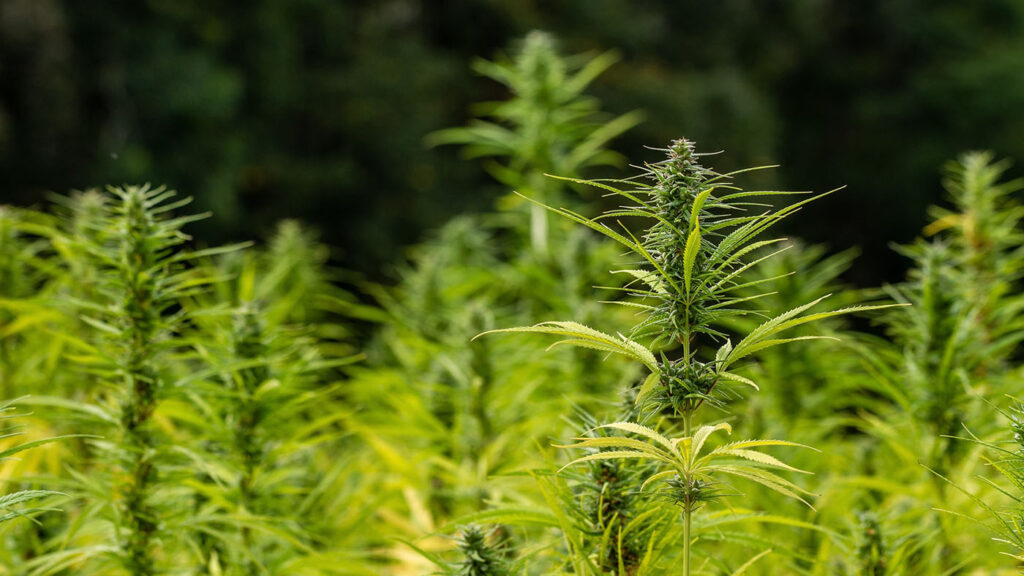
The flower remains the most profitable part of the plant, prized for its cannabinoid potency, terpene profiles, and aesthetic appeal. High-quality flower is sold as a smokable product or for premium extracts.
Strategies to Maximize Flower Yield:
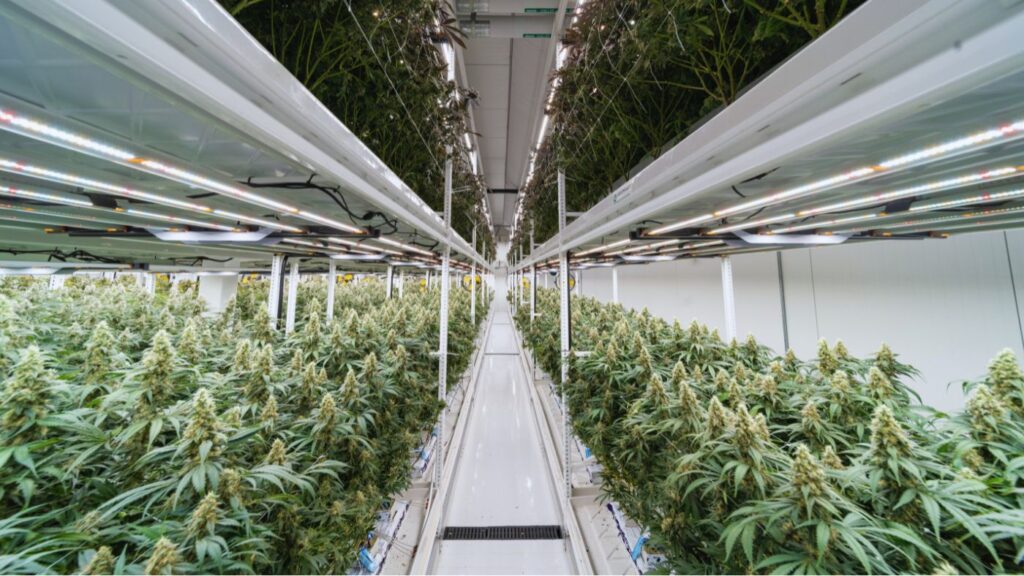
- Use controlled environment agriculture (CEA) to optimize growing conditions.
- Employ training techniques like SCROG (Screen of Green) to increase bud exposure to light.
- Select genetics with high flower-to-leaf ratios.
Financial Impact: Premium flower can sell for $1,000–$3,000 per pound. Even a 5% increase in yield can translate to tens of thousands of dollars in additional revenue per harvest.
Trim: The Workhorse of Extracts
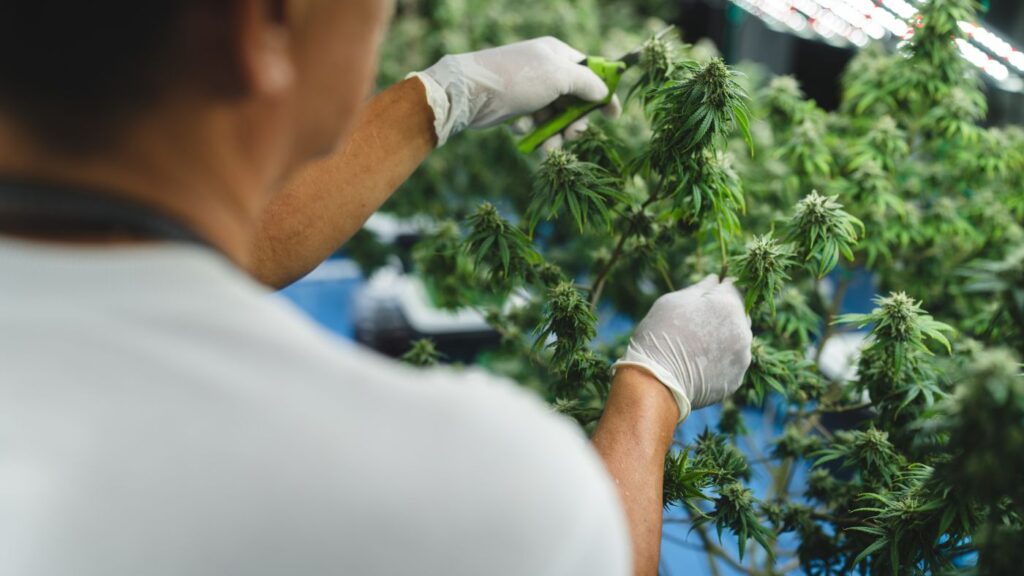
Trim may lack the aesthetic appeal of flower but is packed with cannabinoids and terpenes, making it ideal for concentrates, pre-rolls, and edibles.
Best Uses for Trim:
- Solvent-Based Extraction: To produce high-purity oils and distillates.
- Infused Pre-Rolls: Blended with flower for cost-effective smokables.
- Edibles: Incorporated into butter, oils, or tinctures.
Financial Insight: Trim-derived concentrates can generate over $10,000 per kilogram wholesale.
Stems and Stalks: An Industrial Opportunity
While stems and stalks are low in cannabinoids, their fibrous structure opens opportunities in industrial markets.
Applications for Stems and Stalks
- Hempcrete: A sustainable construction material gaining traction in green building projects.
- Textiles: Used for fabric, rope, and paper.
- Biofuel: Converted into renewable energy.
Stat: The global hemp fiber market is projected to reach $12 billion by 2030 (Grand View Research).
Fan Leaves: A Nutritional Treasure Trove
Fan leaves, often discarded, are rich in nutrients and antioxidants. They can be used in:
- Edibles: As an ingredient in teas or smoothies.
- Beverages: Cold-pressed juices or infused drinks.
- Topicals: Skincare and wellness products.
Emerging Trend: Cannabis leaf-based juices are becoming popular in health-conscious markets.
Roots: A Frontier for Innovation
Cannabis roots, rich in triterpenoids and alkaloids, are gaining recognition for their medicinal properties.
Potential Uses
- Topicals: Anti-inflammatory creams and salves.
- Teas: Herbal remedies for digestive issues.
- Research: Studying root compounds for new therapeutic applications.
Financial Insight: Root-based products, though niche, can command premium prices due to their novelty and wellness appeal.
Strategies to Maximize Usable Plant Material
Invest in Precision Cultivation
Use data-driven technologies like IoT sensors to monitor and optimize growing conditions, reducing plant stress and maximizing yield.
Upgrade Processing Capabilities
Invest in machinery that can efficiently extract cannabinoids from trim, stalks, and leaves, increasing overall UPM.
Innovate Product Development
Collaborate with R&D teams to create new products using underutilized plant components. Examples include hemp-based bioplastics or cannabis-root teas.
Focus on Sustainability
Adopt eco-friendly practices like composting unusable biomass and sourcing energy from renewable resources to align with consumer values.
Overcoming Challenges
While the potential benefits of maximizing UPM are clear, challenges remain:
- Regulatory Compliance: Varying regulations on cannabis products can limit the use of certain plant parts.
- Processing Costs: Advanced extraction and processing equipment requires significant capital investment.
- Market Education: Educating consumers about non-flower products like hempcrete or root-based wellness items is essential.
Conclusion
Maximizing usable plant material (UPM) is a cornerstone of financial and operational success in the cannabis industry. By utilizing every part of the plant, businesses can create diversified revenue streams, reduce waste, and position themselves as leaders in sustainability.
The future of cannabis lies not only in high-quality flower but in the innovative use of trim, stalks, leaves, and roots. With the right strategies, companies can turn every ounce of biomass into opportunity, achieving profitability while meeting the growing demand for eco-conscious practices.
Ready to optimize your operations? Contact Catalyst BC to learn how we can help your cannabis business achieve peak efficiency and sustainability.
Additional Resources
Free eBooks For Cannabis Business Success



Latest Articles
- Virginia Cannabis Facility Design & Build-Out for the 2027 Market
 This guide covers the major considerations involved in planning and building a Virginia cannabis facility, with a focus on retail and cultivation operations and additional considerations relevant to processors and microbusinesses. It is written from the build side of the business, because that is where many otherwise-strong applicants stumble: they underestimate utility needs, local approvals, security infrastructure, commissioning, and the time required to convert a site into an inspection-ready operation.
 - Virginia Dual-Use Cannabis Conversion (2027): The $10M Medical-to-Adult-Use Pathway
 For Virginia’s existing medical cannabis operators, the 2026 retail framework created a distinct and high-stakes transition: pharmaceutical processors may apply for verification to exercise dual-use privileges and serve both registered medical patients and adult-use customers. The pathway covers the processor and its permitted cannabis dispensing facilities, and it carries a one-time $10 million fee, a required medical cannabis program preservation plan, an impact-licensee business accelerator commitment, and a firm May 1, 2027 payment or installment-plan deadline.
 - Virginia Impact Cannabis License (2027): Social Equity & the Equity Business Loan Fund
 Virginia’s adult-use cannabis framework creates a meaningful pathway for applicants from communities and backgrounds affected by cannabis prohibition and enforcement. The law does not create a separate, stand-alone impact license. Instead, it creates an impact-licensee designation that qualifying applicants may pursue alongside an underlying marijuana establishment license, such as retail, cultivation, processing, microbusiness, transportation, delivery, or testing.
 - Virginia Cannabis Microbusiness License (2027): Eligibility & the Two-Location Model
 This guide explains the initial eligibility pathways for the licenses the CCA may issue by May 1, 2027, the difference between a microbusiness license and an impact designation, the indoor and outdoor cultivation limits, the precise rules governing two locations, and the financial, security, and operational readiness standards applicants should prepare to demonstrate. Several implementation details – including fees and the specific combination of privileges the CCA will authorize – still depend on forthcoming regulations.
 - Virginia Cannabis Cultivation License (2027): The Tiered System Explained
 For operators whose strength is growing cannabis, Virginia’s emerging adult-use market presents a significant opportunity – and a cultivation license is the gateway to it. The June 2026 framework authorizes the Virginia Cannabis Control Authority (CCA) to begin accepting license applications on or after February 1, 2027 and issuing licenses on or after May 1, 2027. It also establishes five cultivation tiers with maximum canopies ranging from 5,000 to 35,000 square feet.
 - Virginia Cannabis Licensing (2027): The Complete Guide & License Resource Hub
 This guide is the hub for what you need to understand about Virginia cannabis licensing in 2027: how the Commonwealth arrived here, what the enacted framework establishes, the principal license types, the implementation timeline, and where to go deeper on each part of the process.