
Estimated reading time: 6 minutes
Table of contents
- Why Pursue a Career in the Cannabis Industry?
- Cannabis Industry Growth: Facts and Figures
- Popular Cannabis Industry Job Categories
- How to Get Started in the Cannabis Job Market
- Certifications and Training to Consider
- Building Your Cannabis Career Path
- Common Challenges in Cannabis Careers
- Where to Search for a Cannabis Industry Job
- Tips for Standing Out as a Candidate
- The Future of Cannabis Industry Careers
- Additional Resources
- Free eBooks For Cannabis Business Success
- Latest Articles

Why Pursue a Career in the Cannabis Industry?
The cannabis industry is more than just a trend—it’s a movement. It represents the intersection of economic opportunity, innovation, and social change.
Key Reasons to Consider a Cannabis Career
- Economic Growth: The global cannabis market is projected to surpass $50 billion in annual revenue by 2030. This exponential growth creates a wealth of opportunities.
- Job Diversity: Roles exist across agriculture, research, technology, marketing, compliance, and retail.
- Purpose-Driven Work: Cannabis plays a role in health and wellness, offering employees a chance to make a tangible difference in people’s lives.
- Innovative Ecosystem: With new products, technologies, and regulations emerging daily, this is a dynamic and exciting field to be part of.
Cannabis Industry Growth: Facts and Figures
Understanding the scope of the cannabis industry underscores its vast potential:
- In 2023, legal cannabis sales in the U.S. reached $32 billion, a 23% increase from the previous year.
- By 2028, the cannabis workforce is expected to employ over 700,000 individuals in the U.S. alone.
- States like California, Colorado, and New York dominate the job market, but emerging states like Missouri and Virginia are rapidly expanding opportunities.
Fun Fact: The cannabis sector now employs more people than the mining industry in the U.S.!
Popular Cannabis Industry Job Categories
Cultivation and Production
The heart of the cannabis industry lies in its plants. Jobs in cultivation and production focus on the growth and processing of cannabis.
Key Roles:
- Master Growers: Manage large-scale cultivation operations.
- Cultivation Technicians: Care for plants, including watering, feeding, and pest control.
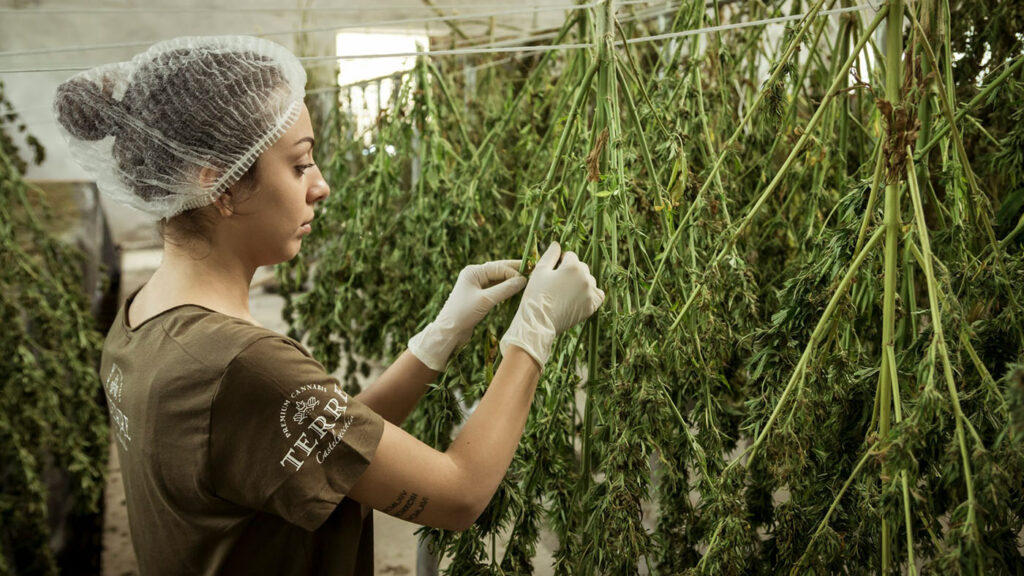
- Trimmers and Harvesters: Prepare cannabis for sale by trimming and curing flowers.
Retail and Sales
Dispensaries are the face of the cannabis industry. Retail jobs are ideal for those who enjoy customer interaction and education.
Key Roles:
- Budtenders: Educate customers and recommend products based on their needs.
- Dispensary Managers: Oversee daily operations, from inventory to staffing.
- Sales Representatives: Build relationships with retailers and promote brand products.
Science and Research
The cannabis industry is rich in scientific discovery, from developing new strains to studying therapeutic applications.
Key Roles:
- Lab Technicians: Test cannabis for potency and contaminants.
- Product Developers: Create edibles, topicals, and other cannabis-based products.
- Research Scientists: Study the medicinal properties of cannabinoids like THC and CBD.
Marketing and Operations
As competition increases, marketing and operational roles are critical for brand visibility and efficiency.
Key Roles:
- Marketing Managers: Develop strategies to promote cannabis products.
- Compliance Officers: Ensure adherence to local regulations.
- Supply Chain Coordinators: Manage the flow of products from cultivation to retail.
How to Get Started in the Cannabis Job Market
Research the Industry Thoroughly
Educate yourself about cannabis laws, market trends, and leading companies. Sites like Leafly and Marijuana Business Daily are excellent resources.
Understand Licensing and Compliance
Every cannabis job is impacted by state and local regulations. Familiarizing yourself with compliance requirements will make you a valuable asset.
Start Small, Think Big
Many successful cannabis professionals began in entry-level roles like budtending or trimming. These positions allow you to build industry knowledge and connections.
Network Strategically
Attend cannabis expos, webinars, and job fairs to meet industry professionals. LinkedIn and platforms like Vangst are also great for connecting with recruiters and hiring managers.
Certifications and Training to Consider
While not all cannabis jobs require formal education, certifications can make you a standout candidate.
Popular Certifications
- Cannabis Training Institute: Offers courses on compliance, cultivation, and retail operations.
- Green Flower Media: Provides industry-specific training in various fields.
- NCIA Certifications: Industry-standard credentials for advanced professionals.
Building Your Cannabis Career Path
Cannabis careers aren’t one-size-fits-all. Explore different paths to find what aligns with your interests and skills.
- Entry-Level: Budtender, Trimmer, Packaging Technician
- Mid-Level: Dispensary Manager, Compliance Specialist, Brand Manager
- Executive: Chief Marketing Officer, Chief Cultivation Officer, COO
Focus on gaining transferable skills like customer service, inventory management, and compliance knowledge to advance your career.
Common Challenges in Cannabis Careers
Regulatory Uncertainty
Frequent changes in cannabis laws can create challenges for businesses and employees.
Stigma
Despite legalization, some still view cannabis careers with skepticism. Be prepared to advocate for the industry’s legitimacy.
Competition
With the high demand for cannabis industry jobs, you’ll need a polished resume and strong interview skills to stand out.
Where to Search for a Cannabis Industry Job
Job Boards:
Company Career Pages: Search directly on the websites of major cannabis brands and multi-state operators (MSOs).
Professional Networks: Join cannabis-specific LinkedIn groups or forums like NCIA.
Tips for Standing Out as a Candidate
- Customize Your Resume: Highlight cannabis-relevant skills and experience.
- Show Passion: Employers value candidates who are genuinely enthusiastic about cannabis.
- Demonstrate Compliance Knowledge: Mention your understanding of cannabis laws.
- Ace Your Interview: Be ready to discuss your cannabis knowledge and your commitment to ethical practices.
The Future of Cannabis Industry Careers
The cannabis industry is poised for sustained growth, with new markets opening across the U.S., Europe, and Asia. Emerging sectors like cannabis tourism, advanced extraction methods, and cannabis technology are creating even more opportunities.
By staying informed and adaptable, you can position yourself as a sought-after professional in this thriving industry.
Additional Resources
Free eBooks For Cannabis Business Success




Latest Articles
- How Much Does It Cost to Open a Dispensary in 2026?
 The allure of jumping into the legalized cannabis industry often paints a picture of quick riches and burgeoning demand, yet the reality of establishing a licensed cannabis dispensary is far more nuanced, capital-intensive, and fraught with unique financial challenges. For aspiring entrepreneurs and seasoned investors alike, understanding the true dispensary startup costs is the absolute bedrock of success.
 - Virginia Cannabis Facility Design & Build-Out for the 2027 Market
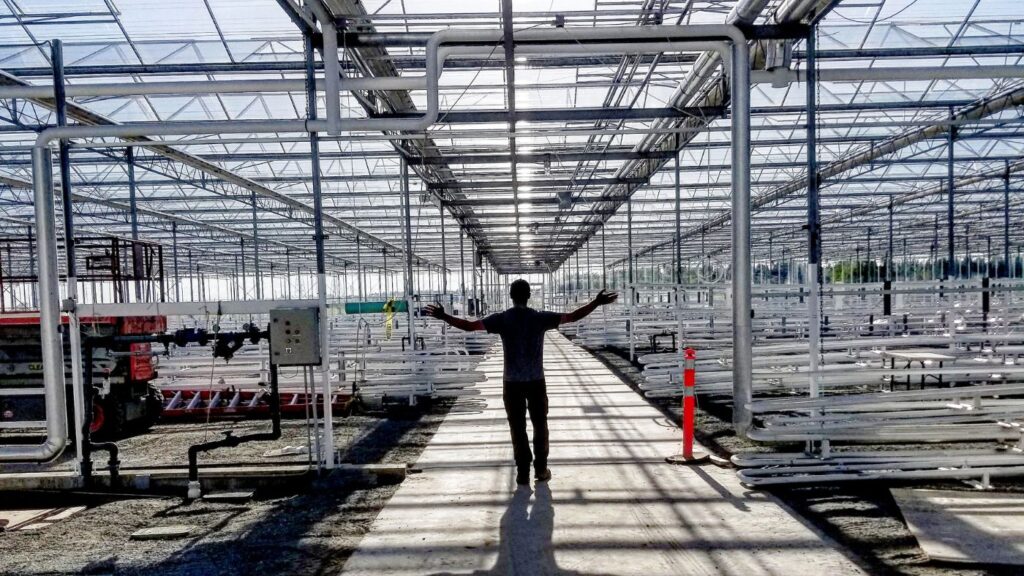 This guide covers the major considerations involved in planning and building a Virginia cannabis facility, with a focus on retail and cultivation operations and additional considerations relevant to processors and microbusinesses. It is written from the build side of the business, because that is where many otherwise-strong applicants stumble: they underestimate utility needs, local approvals, security infrastructure, commissioning, and the time required to convert a site into an inspection-ready operation.
 - Virginia Dual-Use Cannabis Conversion (2027): The $10M Medical-to-Adult-Use Pathway
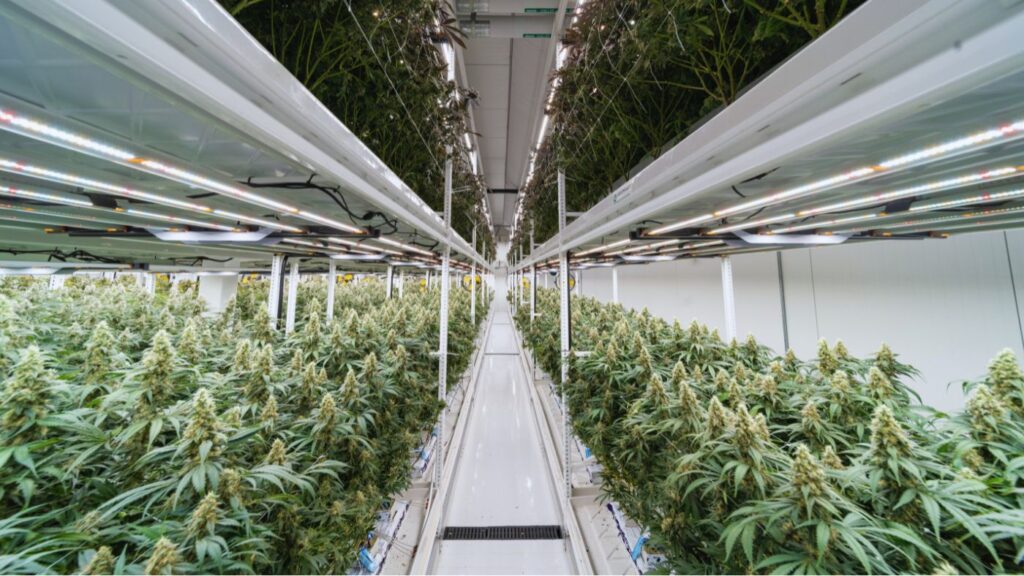 For Virginia’s existing medical cannabis operators, the 2026 retail framework created a distinct and high-stakes transition: pharmaceutical processors may apply for verification to exercise dual-use privileges and serve both registered medical patients and adult-use customers. The pathway covers the processor and its permitted cannabis dispensing facilities, and it carries a one-time $10 million fee, a required medical cannabis program preservation plan, an impact-licensee business accelerator commitment, and a firm May 1, 2027 payment or installment-plan deadline.
 - Virginia Impact Cannabis License (2027): Social Equity & the Equity Business Loan Fund
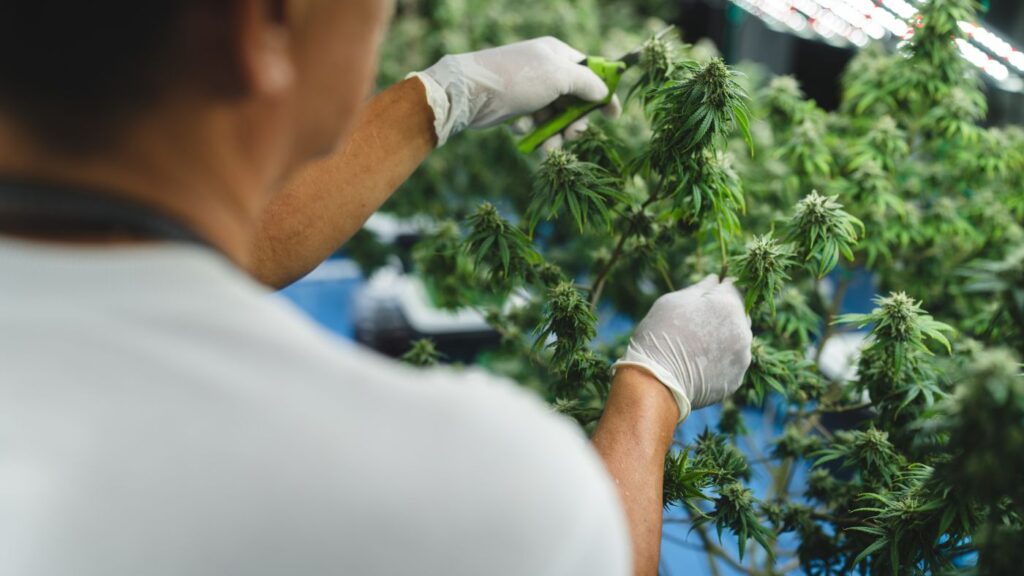 Virginia’s adult-use cannabis framework creates a meaningful pathway for applicants from communities and backgrounds affected by cannabis prohibition and enforcement. The law does not create a separate, stand-alone impact license. Instead, it creates an impact-licensee designation that qualifying applicants may pursue alongside an underlying marijuana establishment license, such as retail, cultivation, processing, microbusiness, transportation, delivery, or testing.
 - Virginia Cannabis Microbusiness License (2027): Eligibility & the Two-Location Model
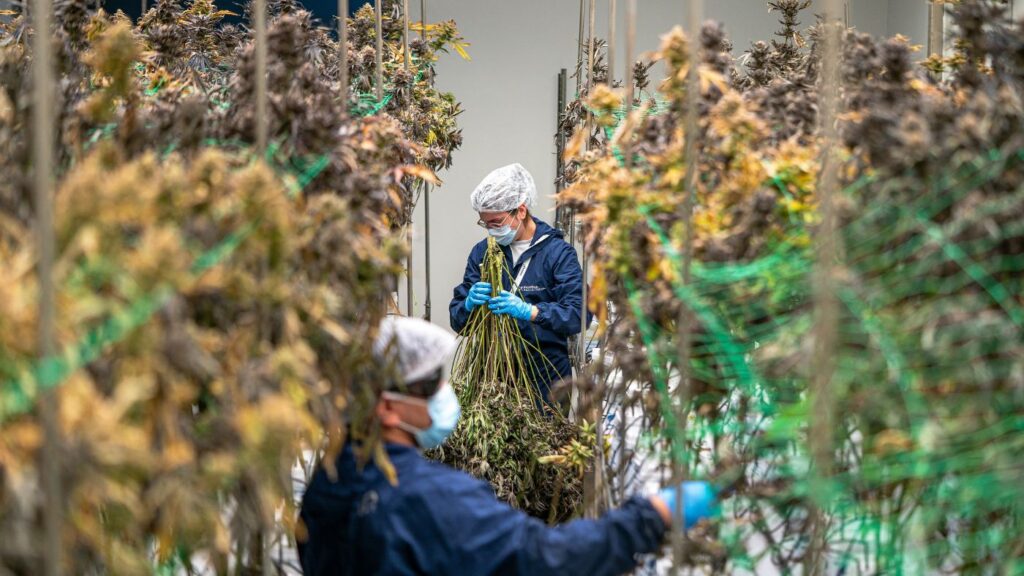 This guide explains the initial eligibility pathways for the licenses the CCA may issue by May 1, 2027, the difference between a microbusiness license and an impact designation, the indoor and outdoor cultivation limits, the precise rules governing two locations, and the financial, security, and operational readiness standards applicants should prepare to demonstrate. Several implementation details – including fees and the specific combination of privileges the CCA will authorize – still depend on forthcoming regulations.
 - Virginia Cannabis Cultivation License (2027): The Tiered System Explained
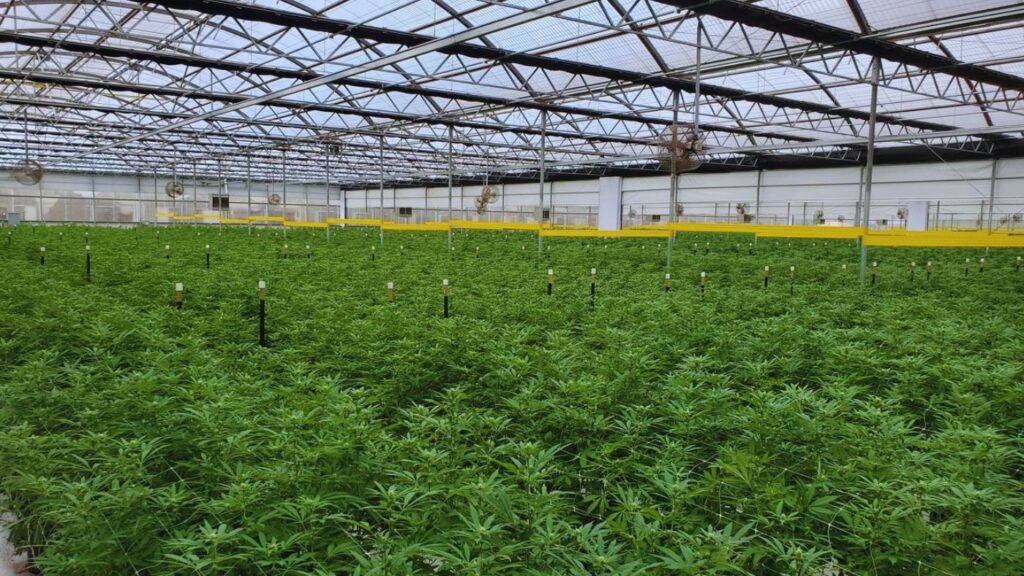 For operators whose strength is growing cannabis, Virginia’s emerging adult-use market presents a significant opportunity – and a cultivation license is the gateway to it. The June 2026 framework authorizes the Virginia Cannabis Control Authority (CCA) to begin accepting license applications on or after February 1, 2027 and issuing licenses on or after May 1, 2027. It also establishes five cultivation tiers with maximum canopies ranging from 5,000 to 35,000 square feet.