
Cannabis made a monumental impact on election day 2020 as five more states opted to legalize cannabis in either medical and/or recreational forms. Montana joined in on this historic occasion as voters approved Constitutional Initiative 118 and Initiative 190, making Montana the 14th state to legalize adult-use cannabis. Initiative 118 will amend the Montana Constitution to set the legal age for cannabis consumption to 21. Initiative 190 establishes a framework for licensing and regulating cannabis cultivation, manufacturing, and retail sales. Together these initiatives will allow individuals aged 21 and up to possess up to one ounce of cannabis or eight grams of cannabis concentrate. Under these regulations, individuals can grow up to four plants for personal use.
Although voters approved legalization, it will be several months before retail stores can begin serving recreational consumers. The Montana Department of Revenue is responsible for establishing the framework for licensing and regulating the cultivation, transportation, and sale of cannabis and cannabis-infused products. The department stated on November 9, 2020, that they anticipate addressing the new initiatives during the January 4th legislative sessions. Initiative 190 requires the department to have established rules and regulations and begin accepting license applications by October 1, 2021. There’s still much work to be done before issuing licenses and commencing production and adult-use cannabis sales. However, with deadlines set in place, these legislative sessions are expected to be constructive. In a recent interview with NBC Montana, Gene Walborn, Director of the Montana Department of Revenue, stated, “We look forward to working with the public and all interested parties as we develop guidelines around this new industry to move it forward, while also protecting public safety and raising revenue for the state of Montana.”
After establishing the rules, regulations, and overall industry framework, the state will begin accepting business license applications. However, they will be extremely limited. For the first twelve months, applications will only be open to existing licensed medical cannabis operators in good standing under the Montana Medical Marijuana Program. One year after the department accepts its first application, the department can begin accepting business license applications from the general public. Effectively giving current medical marijuana business operators a 12-month head start over. Despite the significant competitive advantage, worries about increased costs and the inability to maintain quality and supply to provide for existing medical patients are major concerns for some licensed medical dispensaries. In a recent interview with Bozeman Daily Chronicle, Mitchell Johnson, owner of Big Sky Buds, formerly Montana Cannaclub, stated, “The production is the main thing. If we can’t continue to provide for our medical patients, if we don’t see that happening, then we’ll probably stay away from the recreational.” There are growing concerns that the rules could substantially change during the upcoming legislative sessions, possibly allowing heavily funded corporations and experienced multi-state operators to enter Montana’s cannabis market.
Big Sky Country should expect a big cannabis market. A recent report conducted by the University of Montana Bureau of Business and Economic Research assessed the market and tax revenue potential of recreational cannabis in Montana and found that legalization could bring in approximately 43.4 million dollars in tax revenue during the first year and over $230 million over the next five years. In addition to tax revenue, legalization would create thousands of new essential jobs for Montanans and create new opportunities for interrelating businesses such as construction, security, transportation, and tourism.
As lawmakers enter into legislative sessions this January, we expect more details about the rules and application process to come soon. Program updates and details are available through the Montana Department of Revenue. Although the industry framework is still a work in progress, Montana is looking to be an appealing opportunity for existing and future cannabis operators. Now is the time to start forming your cannabis business and/or growth plan and securing needed capital. Raising capital and applying for a cannabis business license is a time-consuming process that requires a tremendous amount of planning, designing, and regulatory compliance preparations. Once you have finalized a design, the build-out process can take months to years, depending on the scale. Other considerations include site preparation and zoning, establishing community support, and developing procedures specific to local and state regulations.
It is time to start planning to win. From conception through execution, our team can provide market insight, strategic planning, financial pro forma modeling, grow room and facility design assist, equipment selection and integration, standard operating procedures, employee training, full-service project management, and data-driven cultivation and retail operational support to drive performance and ensure sustainability.
If you are interested in learning more about cannabis business opportunities in Montana, contact us today! For help applying this in Montana, visit our Montana cannabis consulting page.
Andy is an Operations Advisor at Catalyst BC.
Additional Resources
Consulting Services For Cannabis, Hemp, Psilocybin, and Natural Medicine
- Consulting Services Overview
- Business Strategy
- Financial Planning
- Cannabis, Hemp, Psilocybin, & Natural Medicine Licensing and Applications
- Facility Design
- StartUp Support
- Genetic Development
- Business Turnaround
- Operational Optimization
- Vertical Farming
- Controlled Environmental Agriculture (CEA)
- State and Country Services Directory
- Blog
- Home
Testimonials and Public Relations
Latest Articles
- How Much Does It Cost to Open a Dispensary in 2026?
 The allure of jumping into the legalized cannabis industry often paints a picture of quick riches and burgeoning demand, yet the reality of establishing a licensed cannabis dispensary is far more nuanced, capital-intensive, and fraught with unique financial challenges. For aspiring entrepreneurs and seasoned investors alike, understanding the true dispensary startup costs is the absolute bedrock of success.
 - Virginia Cannabis Facility Design & Build-Out for the 2027 Market
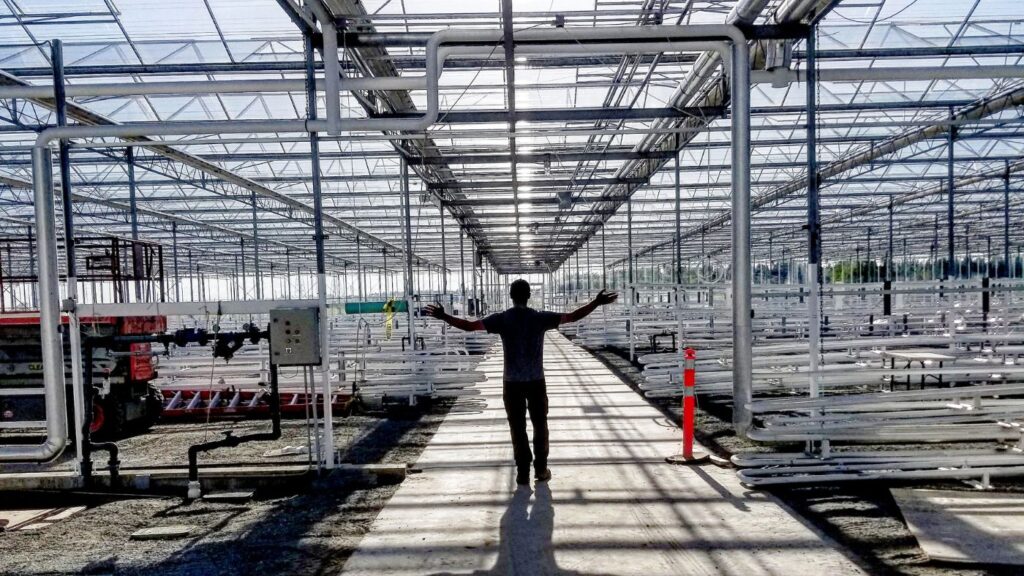 This guide covers the major considerations involved in planning and building a Virginia cannabis facility, with a focus on retail and cultivation operations and additional considerations relevant to processors and microbusinesses. It is written from the build side of the business, because that is where many otherwise-strong applicants stumble: they underestimate utility needs, local approvals, security infrastructure, commissioning, and the time required to convert a site into an inspection-ready operation.
 - Virginia Dual-Use Cannabis Conversion (2027): The $10M Medical-to-Adult-Use Pathway
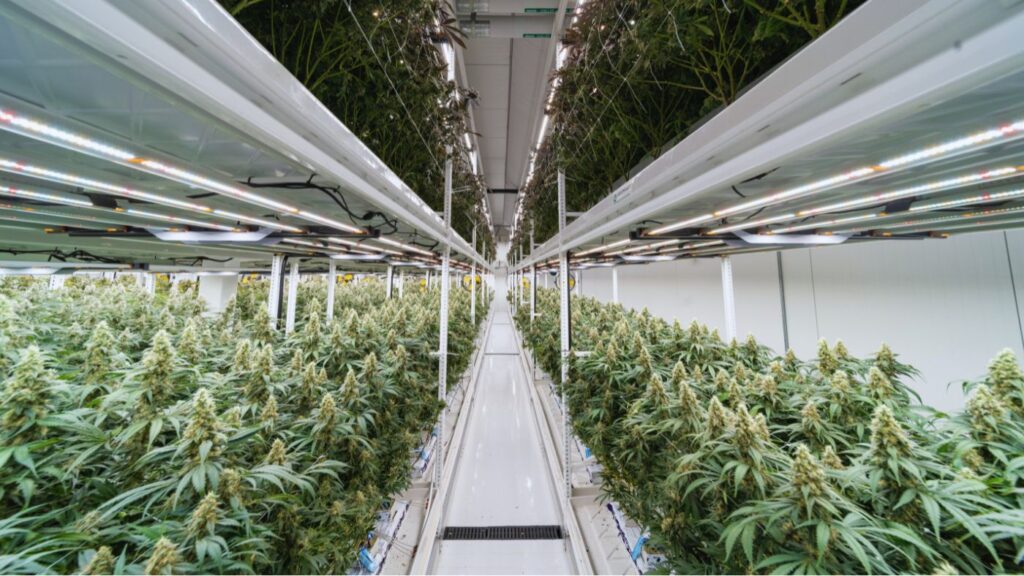 For Virginia’s existing medical cannabis operators, the 2026 retail framework created a distinct and high-stakes transition: pharmaceutical processors may apply for verification to exercise dual-use privileges and serve both registered medical patients and adult-use customers. The pathway covers the processor and its permitted cannabis dispensing facilities, and it carries a one-time $10 million fee, a required medical cannabis program preservation plan, an impact-licensee business accelerator commitment, and a firm May 1, 2027 payment or installment-plan deadline.
 - Virginia Impact Cannabis License (2027): Social Equity & the Equity Business Loan Fund
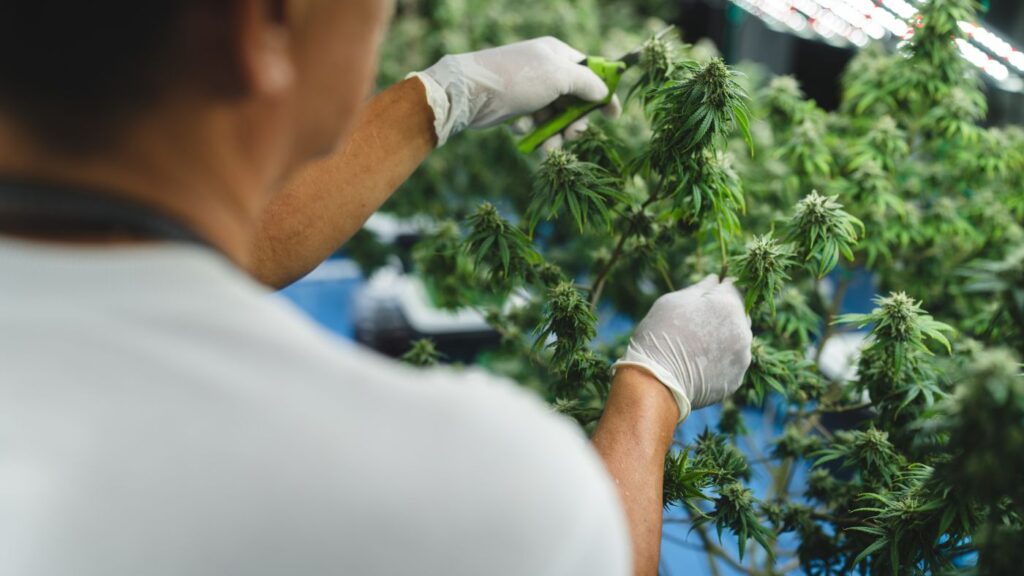 Virginia’s adult-use cannabis framework creates a meaningful pathway for applicants from communities and backgrounds affected by cannabis prohibition and enforcement. The law does not create a separate, stand-alone impact license. Instead, it creates an impact-licensee designation that qualifying applicants may pursue alongside an underlying marijuana establishment license, such as retail, cultivation, processing, microbusiness, transportation, delivery, or testing.
 - Virginia Cannabis Microbusiness License (2027): Eligibility & the Two-Location Model
 This guide explains the initial eligibility pathways for the licenses the CCA may issue by May 1, 2027, the difference between a microbusiness license and an impact designation, the indoor and outdoor cultivation limits, the precise rules governing two locations, and the financial, security, and operational readiness standards applicants should prepare to demonstrate. Several implementation details – including fees and the specific combination of privileges the CCA will authorize – still depend on forthcoming regulations.
 - Virginia Cannabis Cultivation License (2027): The Tiered System Explained
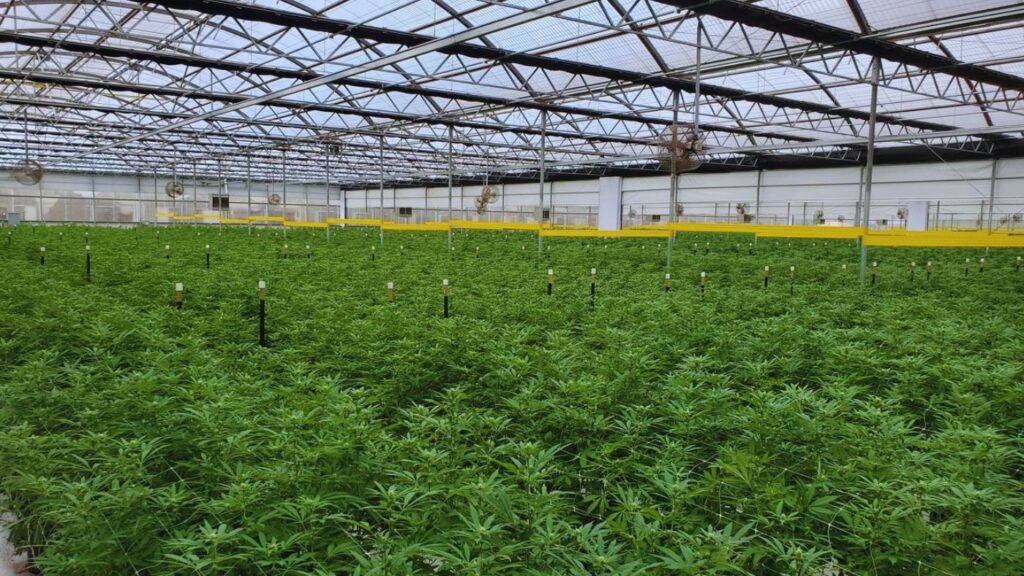 For operators whose strength is growing cannabis, Virginia’s emerging adult-use market presents a significant opportunity – and a cultivation license is the gateway to it. The June 2026 framework authorizes the Virginia Cannabis Control Authority (CCA) to begin accepting license applications on or after February 1, 2027 and issuing licenses on or after May 1, 2027. It also establishes five cultivation tiers with maximum canopies ranging from 5,000 to 35,000 square feet.
Explore Our Articles
cannabis applications Cannabis Bar Cannabis Business Optimization cannabis careers Cannabis Compliance Cannabis Consumption Cannabis Consumption Bar Cannabis Inventory Management Systems Cannabis Investors cannabis jobs Cannabis Legalization cannabis licensing Cannabis Lounge cannabis marketing Cannabis Operational Procedures cannabis outreach Cannabis Regulations Cannabis Security Cannabis Software Cannabis Startup Cannabis Supply Chain Cannabis Technology Colorado controlled environment agriculture Cultivation cultivation facility Dispensary Design facility design Financial Planning HVAC HVACD Iowa Kansas Legal Update Legislation Medical Cannabis Minnesota Natural Medicine Nebraska New York Odor Control Oregon Psilocybin Psychedelics Recreational Cannabis
Free Ebook – Start Your Own Legal Cannabis Business